
By SCWS Team
Published February 17, 2026 · 9 min read
Your sprinklers barely dribble while your neighbor on city water has perfect coverage. Wells present unique challenges for irrigation systems—limited flow, finite yield, and competition with household use. Understanding these limitations helps you design solutions that work.
Common Causes of Low Irrigation Pressure
- Zone demand exceeds well capacity: Sprinklers need more GPM than well provides
- Multiple zones running: Overlapping zones double the demand
- Household competing: Shower + irrigation = pressure drop
- Undersized pump: Not enough HP for irrigation demands
- Well yield declining: Aquifer or well performance issues
Understanding the Math
Irrigation systems are designed around flow rate (GPM) and pressure (PSI). Each sprinkler head has specific requirements:
- Rotor heads: 2-4 GPM each at 40-50 PSI
- Spray heads: 1-2 GPM each at 30-40 PSI
- Drip irrigation: 0.5-2 GPM per zone at 20-30 PSI
A typical zone might have 6 rotor heads demanding 18 GPM at 45 PSI. If your well only produces 10 GPM, you'll never have adequate pressure—the pump simply can't provide what the system demands.
Solutions for Low Irrigation Pressure
1. Right-Size Your Zones
Redesign irrigation zones to match your well's capacity. If your well produces 8 GPM sustainably, design zones with 6-7 GPM demand maximum. This might mean more zones running longer rather than fewer zones running simultaneously. A professional irrigation audit can identify optimal zone configurations.
2. Schedule Smart
- Run irrigation during off-peak household hours (early morning ideal)
- Stagger zones—never run multiple zones simultaneously
- Allow recovery time between zones if well yield is marginal
- Skip days if well needs time to recharge
3. Install a Storage Tank System
This is often the best solution for irrigation on limited-yield wells. A large storage tank (500-2,500 gallons) fills slowly from your well during off-peak hours. A separate irrigation pump draws from the tank, providing high flow without taxing the well.
Benefits: Decouples irrigation from well capacity, allows high-flow irrigation without exceeding well yield, protects household supply during irrigation.
4. Upgrade Your Pump
If your well produces adequate GPM but pressure is low, a higher-capacity pump may help. However, you can't pump more water than the well produces—pumping faster just draws down the well faster. Only upgrade pump capacity if your well's sustainable yield supports it.
5. Install a Booster Pump
A booster pump can increase pressure for irrigation without affecting the main well pump. Best for situations where flow is adequate but pressure is insufficient. Adds 20-40 PSI to the irrigation system while maintaining household pressure separately.
6. Convert to Low-Pressure Irrigation
Drip irrigation operates at much lower pressure and flow than spray/rotor systems. Converting landscape areas to drip can dramatically reduce water demand while actually improving plant health. Especially effective for gardens, shrubs, and trees.
Diagnosing the Problem
Before investing in solutions, identify the actual bottleneck:
- Test well yield: What's the sustainable GPM over 4+ hours?
- Calculate zone demand: How many GPM does each zone require?
- Check pressure: What's the pressure at the irrigation valve during operation?
- Inspect for leaks: Hidden irrigation leaks waste capacity
- Evaluate pump capacity: Is the pump matched to well and demand?
We service all major pump brands including Franklin Electric, Grundfos, Goulds (Xylem), and Sta-Rite (Pentair). Our trucks carry common parts and components for same-day repairs.
Frequently Asked Questions
Why does my sprinkler system have low pressure on well water?
Wells have limited flow rate (GPM) and pressure compared to municipal supply. If your sprinklers demand more water than your well can deliver, pressure drops. Common causes: too many zones running at once, undersized pump for irrigation needs, or a well that can't sustain high demand. Also check for leaks, clogged filters, and pressure tank issues.
How many GPM does an irrigation system need?
Residential irrigation typically needs 10-20 GPM depending on zone size and head count. Each rotor head uses 2-4 GPM; spray heads use 1-2 GPM. Calculate total GPM per zone and ensure no zone exceeds your well's sustainable yield. If your well produces 8 GPM but a zone demands 15 GPM, you'll have pressure problems.
Can I use my well pump for sprinklers and household at the same time?
It depends on your well's capacity. If your well produces 15 GPM and irrigation demands 12 GPM while household uses 3 GPM, you're at capacity—any extra demand drops pressure. Solutions: run irrigation when household use is minimal (early morning), reduce zone sizes, or install a separate irrigation well/pump.
Do I need a separate pump for my irrigation system?
Not necessarily, but it helps in many situations. A dedicated irrigation pump can be sized for higher flow without affecting household pressure. Alternatively, install a storage tank that fills slowly from the well and empties quickly for irrigation. This decouples irrigation demand from well capacity.
Need Better Irrigation Pressure?
We can evaluate your well's capacity and design irrigation solutions that work. Storage tanks, booster pumps, and system optimization throughout San Diego and Riverside Counties.
Call (760) 440-8520Related Articles
Continue learning about well maintenance and troubleshooting
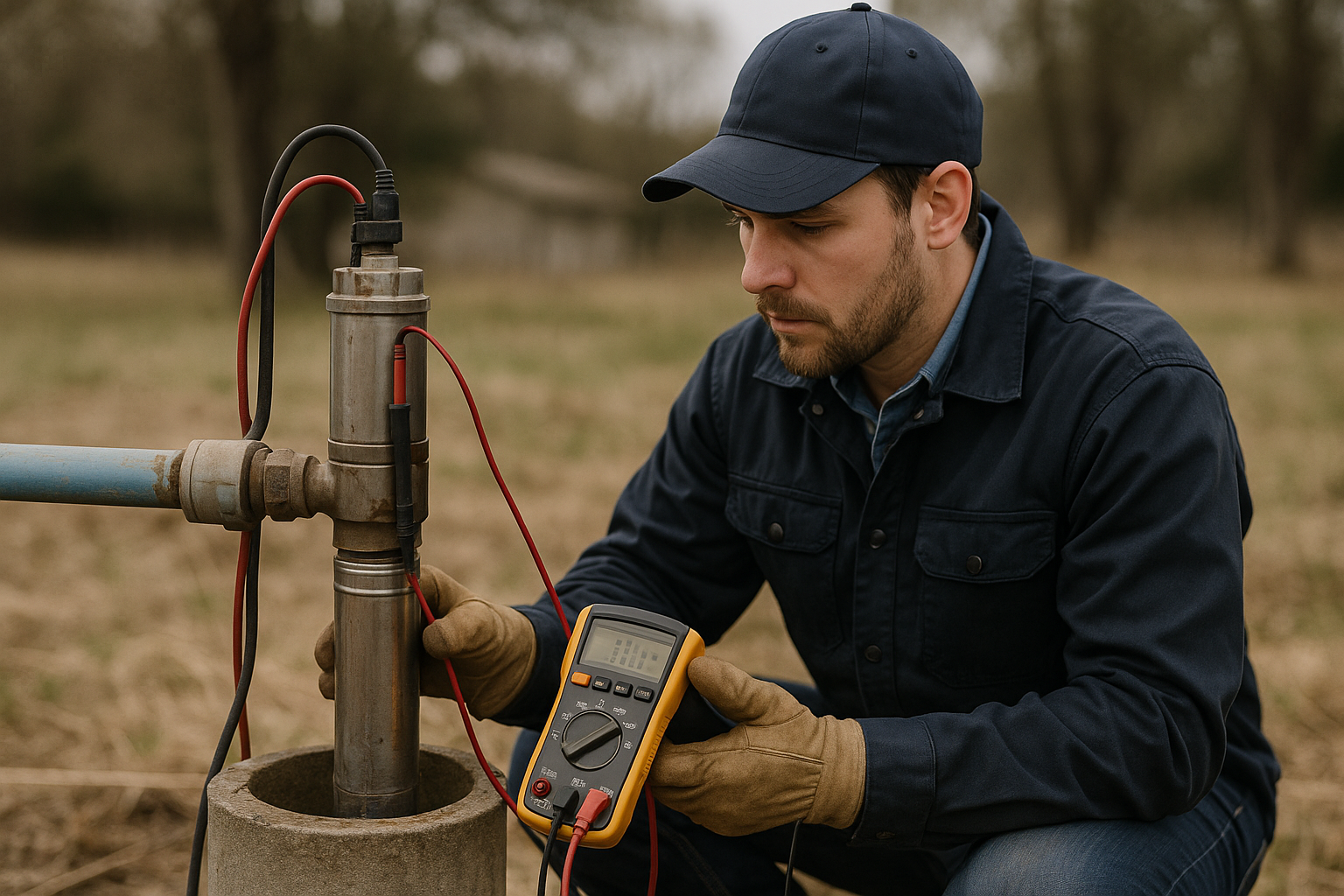
Low Water Pressure From Well: Complete Fix Guide
Diagnose and solve low pressure problems
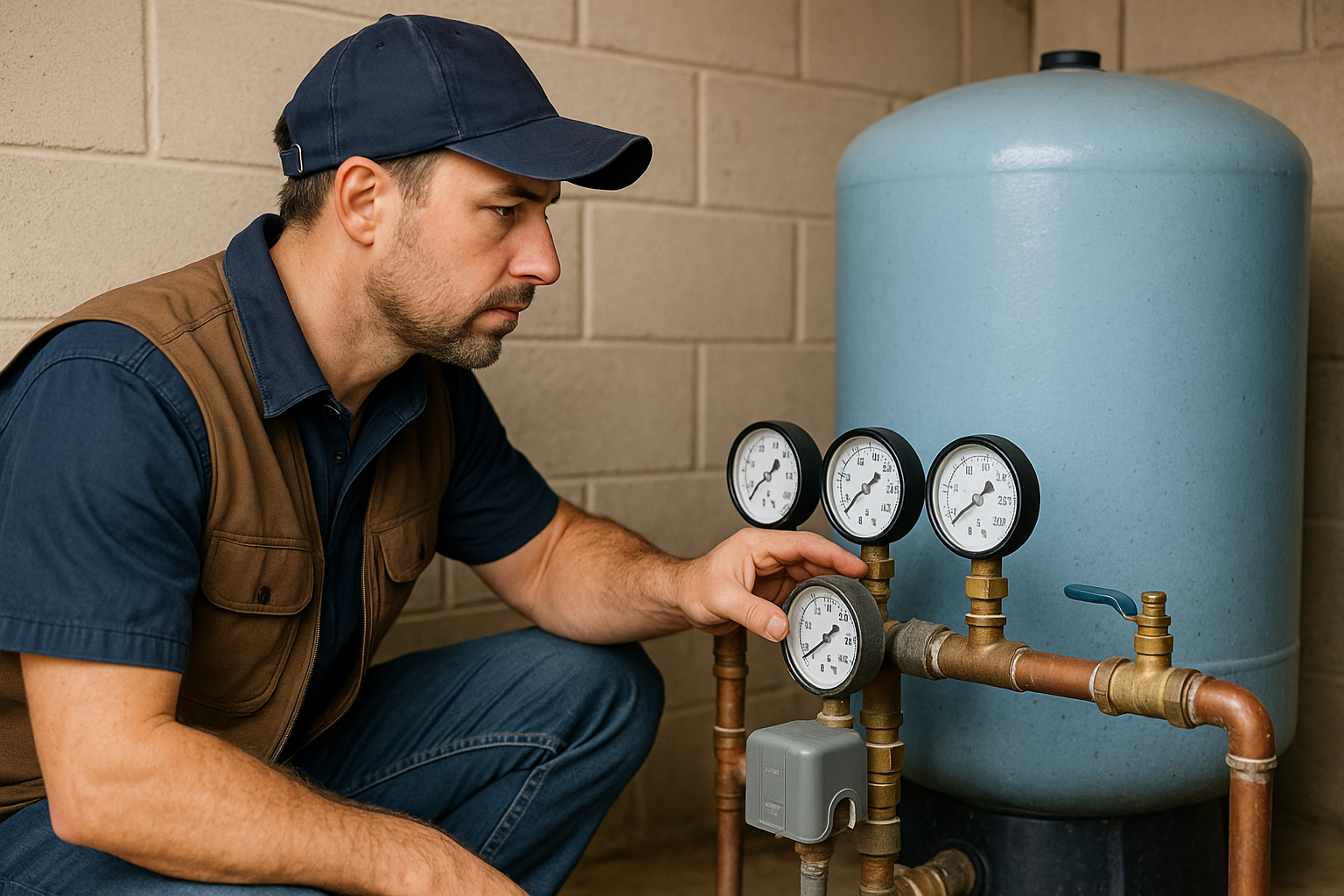
Well Pressure Switch: Settings, Adjustment & Replacement
Everything about pressure switches
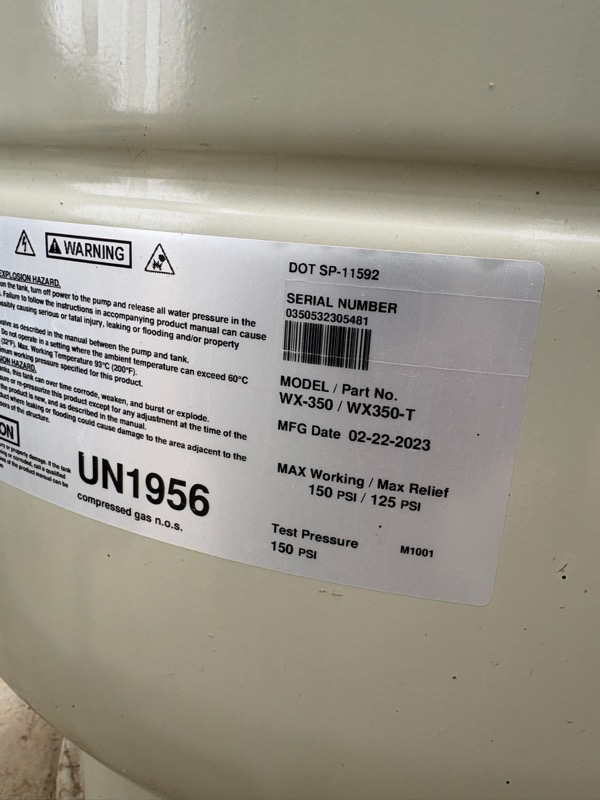
Pressure Tank Maintenance: Complete Guide
Keep your pressure tank working properly