Water Well Drilling Prices: Complete 2026 Cost Guide
Understanding Well Drilling Costs in San Diego & Riverside Counties
SC By SCWS Team | February 1, 2026 • 18 min read
"How much does it cost to drill a well?" is the first question every property owner asks—and the most frustrating to answer, because the honest response is: it depends. Well drilling costs in Southern California vary enormously based on depth requirements, geology, site conditions, and system specifications. A shallow well in soft valley sediments might cost $22,000, while a deep granite bedrock well on a steep hillside could exceed $55,000—even in neighboring properties. This comprehensive guide breaks down every cost factor, provides realistic 2026 pricing for San Diego and Riverside counties, and helps you understand what affects your specific project budget.
💰 Quick Price Summary for 2026
Residential wells (turnkey): $20,000 - $50,000+
Agricultural wells (high-capacity): $35,000 - $80,000+
Drilling cost per foot: $35 - $75 depending on rock conditions
What's Included in Well Drilling Cost?
Understanding what's included in well drilling estimates is critical for comparing quotes. Some companies quote "drilling only" while others provide "turnkey" pricing that includes everything needed for a complete functioning system.
Turnkey Well Installation Includes:
- Drilling: Complete well drilling to required depth for adequate water supply
- Casing: Steel or PVC casing to prevent collapse and contamination
- Sanitary seal: Grouting and well seal preventing surface water contamination
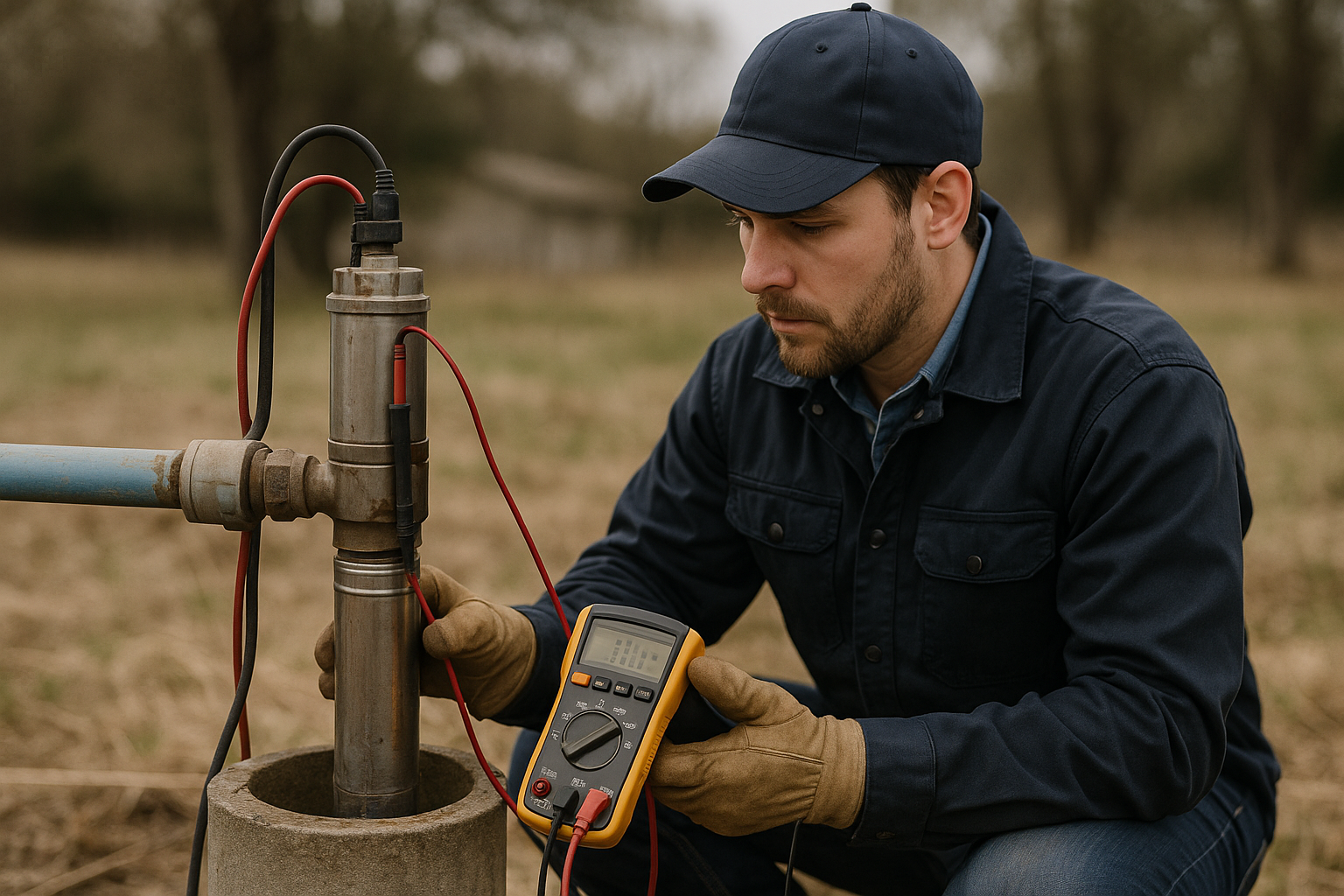
- Submersible pump: Deep well pump sized for depth and flow requirements
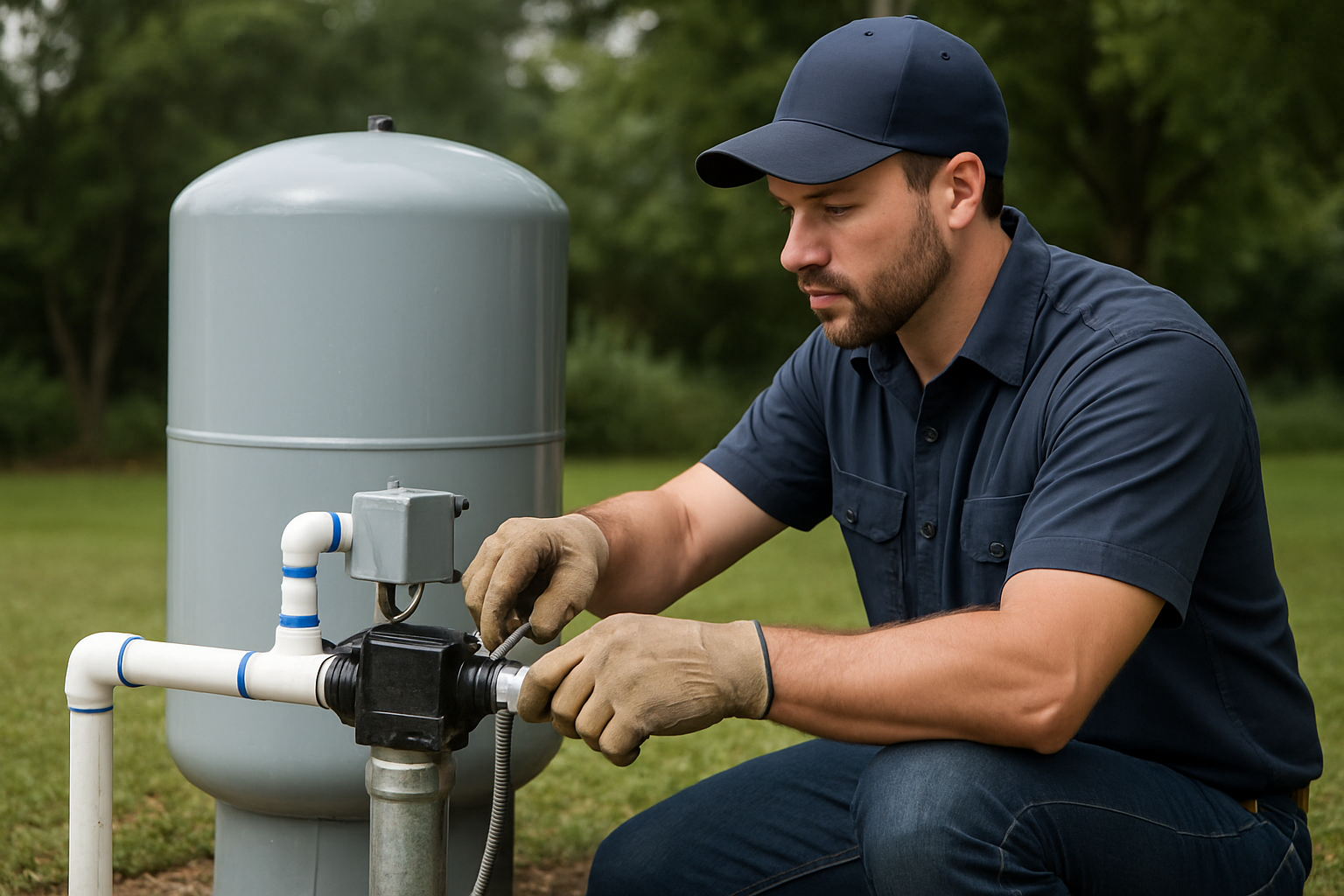
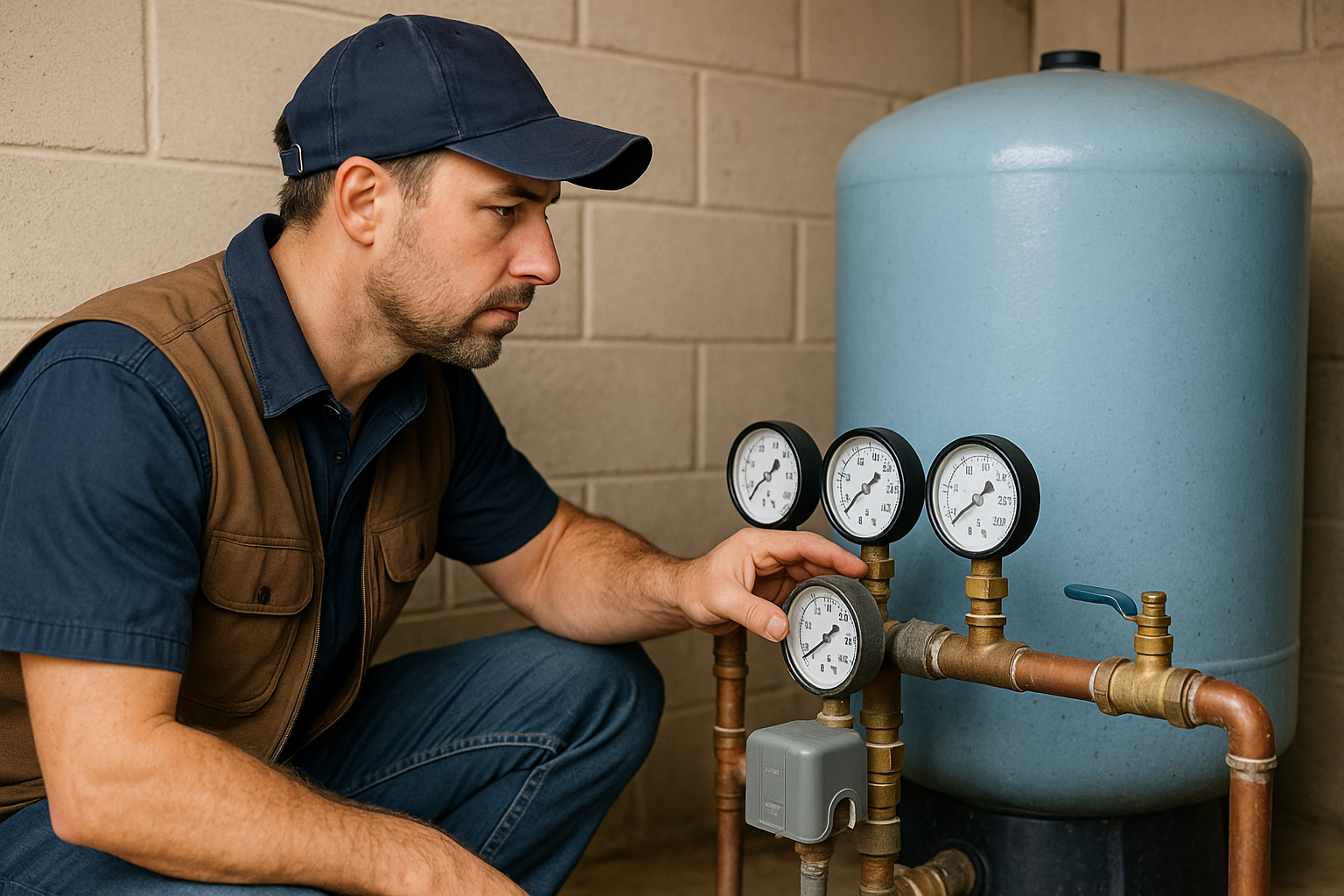
- Pressure system: Pressure tank, gauges, and control switches
- Electrical: Control panel, wiring, circuit protection, proper grounding
- Plumbing connections: Piping from wellhead to pressure system
- Permitting: County well permit applications and fees
- Testing: Flow testing, water level measurements, basic water quality testing
- Documentation: Well completion report filed with county and state
Always verify what's included before comparing estimates. A $25,000 "turnkey" quote is better value than a $20,000 "drilling only" quote that requires you to source and install the pump, electrical, and plumbing separately.
Major Factors Affecting Well Drilling Costs
1. Required Depth
Depth is the single biggest cost variable. Drillers typically charge per foot drilled, so a 500-foot well costs significantly more than a 300-foot well simply due to the additional drilling required.
Depth requirements vary dramatically across Southern California based on geology, elevation, and regional groundwater conditions:
Typical Well Depths by Region
- Coastal Valleys (rare to drill): 100-250 feet in alluvial sediments
- North County Inland: 250-450 feet (Valley Center, Fallbrook, Vista)
- East County Mountains: 300-600 feet in granite bedrock (Ramona, Alpine, Julian)
- Southwest Riverside: 200-450 feet (Temecula, Murrieta, Winchester)
- San Jacinto Valley: 350-650 feet (Hemet, San Jacinto)
- Desert Regions: 400-800+ feet for deeper productive aquifers
Deeper wells also require:
- More powerful pumps capable of lifting water from greater depths
- More electrical cable and water pipe
- Higher electrical operating costs over the well's lifetime
- More drilling time and equipment wear
2. Rock Type and Hardness
What you're drilling through matters enormously. Soft valley sediments drill quickly with standard equipment. Hard granite bedrock requires specialized bits, slower drilling speeds, and significantly more wear on equipment—all increasing costs.
Drilling Cost by Rock Type (Per Foot)
- Soft sediments (sand, gravel, clay): $35-$50/foot
- Decomposed granite (DG): $45-$60/foot
- Solid granite bedrock: $55-$75/foot
- Volcanic rock (basalt): $60-$80/foot
- Mixed geology (sediments over bedrock): Variable rates by layer
Note: These are 2026 estimates for San Diego/Riverside counties. Actual rates vary by driller and specific conditions.
Most properties encounter mixed geology—sedimentary layers near the surface transitioning to bedrock at depth. Experienced professional drillers estimate costs based on typical geology for your specific location.
3. Site Access and Terrain
Drilling rigs are large, heavy equipment requiring good access. Site challenges increase mobilization costs and drilling time:
- Easy access: Level property with wide driveway, good for large rigs—standard pricing
- Moderate access: Slight slopes or narrow access requiring smaller rigs—add $2,000-$5,000
- Difficult access: Steep hillsides, narrow roads, or locations requiring specialized equipment—add $5,000-$12,000+
- Remote locations: Significant travel from drilling company base—add mobilization fees
4. Water Flow Rate Requirements
Different property types need different flow rates:
- Residential homes: 5-10 gallons per minute (GPM) adequate for typical household
- Large estates: 10-15 GPM for multiple bathrooms, landscaping, pools
- Small agricultural: 15-25 GPM for hobby farms, horse properties
- Commercial agriculture: 30-100+ GPM for irrigation, livestock operations
Wells drilled for higher flow rates may need larger diameter boreholes, more extensive development (cleaning), and more powerful pumping equipment—all increasing costs. Agricultural well drilling contractors specialize in high-capacity systems.
5. Pump Depth and Capacity
Submersible well pumps vary widely in cost based on depth and capacity:
Typical Pump Costs (Equipment Only)
- Shallow residential pump (150-250 feet, 5-7 GPM): $1,500-$2,500
- Standard residential pump (250-400 feet, 7-10 GPM): $2,500-$4,000
- Deep residential pump (400-600 feet, 7-10 GPM): $3,500-$6,000
- Agricultural pump (any depth, 15-30 GPM): $4,000-$8,000
- High-capacity ag pump (40+ GPM): $8,000-$15,000+
Installation labor, electrical, cable, and pipe add significantly to equipment costs.
6. Property Setback Requirements
California requires minimum setbacks from potential contamination sources:
- 50 feet from property lines (minimum)
- 100 feet from septic systems and leach fields
- 150 feet from sewage treatment facilities
- Variable distances from streams, wetlands, or water bodies
Setback requirements sometimes force well placement far from your house, requiring longer electrical runs and plumbing—adding $2,000-$6,000+ in trenching and materials for distant well locations.
Realistic Cost Examples by Scenario
Here are realistic 2026 cost estimates for common well drilling scenarios in Southern California:
Scenario 1: Valley Property, Easy Access
- Location: Temecula Valley, flat lot with good access
- Geology: Alluvial sediments (sand/gravel)
- Depth: 280 feet to productive water
- Flow: 8 GPM (adequate for 3BR home)
- Drilling: 280 ft × $42/ft = $11,760
- Casing & seal: $3,500
- Pump system (280ft depth): $7,200
- Electrical & controls: $2,800
- Pressure system: $1,900
- Permitting & testing: $1,200
- Labor: $4,500
Total: $32,860
Scenario 2: Granite Bedrock, Hillside Property
- Location: Ramona hillside, moderate slope access
- Geology: 80 ft decomposed granite over solid granite bedrock
- Depth: 425 feet to adequate flow in fractured granite
- Flow: 7 GPM (adequate for standard home)
- Drilling: (80ft × $48) + (345ft × $65) = $26,265
- Casing & seal: $4,200
- Pump system (425ft depth): $9,800
- Electrical & controls: $3,400
- Pressure system: $2,100
- Hillside access fee: $3,500
- Permitting & testing: $1,400
- Labor: $6,200
Total: $56,865
Scenario 3: Agricultural Well, Valley Floor
- Location: Fallbrook avocado grove, flat access
- Geology: Mixed sediments and weathered bedrock
- Depth: 360 feet
- Flow: 35 GPM for irrigation system
- Drilling (larger diameter): 360 ft × $58/ft = $20,880
- Casing & seal (larger): $5,800
- High-capacity pump system: $14,500
- VFD controller: $3,200
- Electrical (3-phase): $5,400
- Large pressure tank: $3,500
- Filtration for irrigation: $2,800
- Permitting & testing: $1,600
- Labor: $7,500
Total: $65,180
Additional Costs to Consider
Water Treatment Systems
Depending on water quality testing results, you may need treatment systems:
- Water softener (hard water): $1,500-$3,500
- Iron removal system: $2,000-$5,000
- Sediment filtration: $800-$2,000
- UV disinfection (bacteria): $1,200-$2,500
- Reverse osmosis (drinking water): $2,500-$6,000
Trenching for Utilities
If your well location is far from electrical service or your house:
- Electrical trenching: $8-$15 per linear foot
- Water line trenching: $6-$12 per linear foot
- Conduit and wire: $3-$8 per linear foot
- Water pipe: $4-$10 per linear foot
A well located 200 feet from electrical service could add $4,000-$8,000 in trenching and materials.
Unsuccessful Well Drilling
Most Southern California properties successfully drill productive wells, but there's always risk of inadequate water. Contracts typically address this scenario:
- "Dry hole" provisions: If no water found, you typically pay reduced rate (drilling costs only, no pump/equipment)
- Low flow situations: If water is found but flow is inadequate, options include deepening, treatment, or accepting lower flow with storage tanks
- Redrilling: Drilling a second well location usually involves new permitting and similar costs to the first attempt
Work with experienced local well drillers who assess groundwater probability before drilling and can cite successful wells in your area.
How to Get Accurate Well Drilling Estimates
Site Visit is Essential
No reputable driller provides accurate estimates without visiting your property. During the site visit, experienced drillers assess:
- Access for drilling equipment
- Property elevation and slope
- Distance from electrical service
- Setback compliance for potential well locations
- Regional geology and neighboring well data
- Your specific water needs and usage patterns
Get Multiple Detailed Quotes
Request written estimates from at least three licensed C-57 well drilling contractors. Compare:
- What's included (turnkey vs. drilling-only)
- Estimated depth ranges and cost per additional foot if deeper drilling needed
- Pump brand and specifications
- Warranty terms on drilling, pump, and installation
- Timeline from permit to completion
- Payment schedule (avoid large upfront deposits)
Beware Unusually Low Estimates
If one estimate is significantly lower than others (30%+ below), investigate why:
- Are they licensed and insured?
- Does their estimate include pump and complete system?
- Are they assuming shallower depth than realistic for your area?
- Are they using low-quality equipment to cut costs?
- Do they have experience drilling in your specific geology?
Extremely low bids often indicate inexperience, cutting corners, or hidden fees that appear later. Well drilling is expensive because it's complex, specialized work requiring heavy equipment and expertise.
Get Your Free Detailed Estimate
At Southern California Well Service, we provide honest, detailed estimates based on nearly four decades of experience drilling wells throughout San Diego and Riverside counties. We'll visit your property, assess conditions, research local well data, and provide realistic pricing with no hidden fees or surprises.
Regional Price Variations
While the factors above drive most cost variation, there are regional pricing differences across Southern California:
San Diego County
North County inland and East County mountain communities have the most well drilling activity. Typical costs run slightly higher than Riverside County due to:
- Predominance of hard granite bedrock increasing drilling difficulty
- Steeper terrain requiring hillside access fees
- Higher labor and business costs in coastal California
- Stricter environmental regulations and permitting requirements
Typical range: $28,000 - $55,000 for residential wells
Riverside County
Southwest Riverside (Temecula, Murrieta, Winchester) and San Jacinto Valley see significant well drilling. Costs average slightly lower due to:
- More sedimentary geology in valley areas drilling faster
- Generally flatter terrain with easier access
- Competitive drilling market with multiple companies
Typical range: $24,000 - $48,000 for residential wells
Financing Well Drilling Costs
Well drilling is a significant investment. Consider these financing options:
Construction Loans
If building a new home, well drilling costs are typically included in construction loans. Wells must be completed before final construction loan disbursement in most cases.
Home Equity Loans/Lines of Credit
Existing homeowners can use home equity to finance well drilling. Rates are typically lower than personal loans, and interest may be tax-deductible as home improvement.
Personal Loans
Banks and credit unions offer personal loans for well drilling. Rates vary by credit score; shop multiple lenders for best terms.
USDA Rural Development Loans
Rural properties may qualify for USDA loans or grants for water system development. These programs have income limits and geographic restrictions but can provide low-interest financing.
Is Well Drilling Worth the Cost?
For properties without municipal water access, well drilling isn't optional—it's essential infrastructure. But even where city water is available, wells offer significant benefits:
Long-Term Water Cost Savings
Municipal water costs vary but average $80-$150 monthly for typical households in Southern California—$960-$1,800 annually. Over a well's 30-50 year lifespan, you'll save $30,000-$90,000 in water bills. Agricultural operations save even more with irrigation demands.
Property Value Increase
Wells add substantial value to rural properties. A productive well means development potential, agricultural capability, and independence from water district availability—significant selling points.
Water Independence
Your own well means immunity from water restrictions during droughts, no meter charges, and freedom to use water for landscaping, livestock, or agricultural operations without municipal limitations.
Frequently Asked Questions
How much does it cost to drill a well in California?
Water well drilling in California typically costs $20,000 to $50,000+ for complete turnkey installation including pump and pressure system. Costs depend on required depth (150-600+ feet), rock conditions, site access, and system capacity. Most drillers charge $35-$75 per foot drilled plus equipment costs.
What is the price per foot to drill a well?
Well drilling typically costs $35-$75 per foot in Southern California, varying by rock hardness and depth. Soft sediments cost less ($35-$50/foot), hard granite costs more ($55-$75/foot). Total project costs also include pump, pressure system, electrical, and permitting—not just drilling footage.
Are deeper wells more expensive?
Yes. Deeper wells cost more due to additional drilling footage, deeper pumps requiring more cable and pipe, more powerful pumps, and increased labor. A 300-foot well might cost $28,000, while a 500-foot well could cost $42,000—even on the same property.
What affects well drilling costs?
Major cost factors include required depth, rock type and hardness, site access difficulty, water flow rate needed, pump depth and capacity, property setback requirements, and regional geology. Hard granite costs more than sediments; steep hillsides cost more than flat access.
Does well drilling cost include the pump?
Turnkey well drilling estimates should include the complete working system: drilling, casing, sanitary seal, submersible pump, pressure tank, control panel, electrical hookup, and testing. Always verify what's included before comparing estimates—some quotes are drilling-only.
Can I finance well drilling costs?
Yes. Options include construction loans (for new builds), home equity loans or lines of credit, personal loans, and USDA Rural Development loans for qualifying rural properties. Many banks understand well drilling as essential infrastructure and offer reasonable financing terms.