
Well Decommissioning Services in Fallbrook, CA
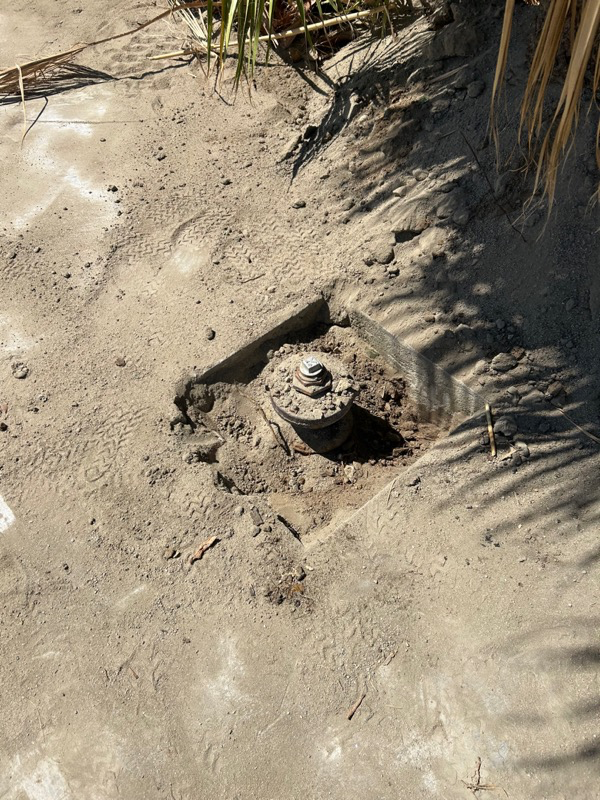
Need to properly close an old, unused, or damaged well on your Fallbrook property? Well decommissioning (also called well abandonment or well destruction) is required by California law to protect groundwater quality and ensure public safety.
📋 In This Guide
- Why Decommission a Well?
- Well Decommissioning Process
- San Diego County Regulations
- Cost of Well Decommissioning in Fallbrook
- Related Articles
Southern California Well Service handles the entire decommissioning process for Fallbrook property owners, including permits, proper sealing, and final documentation.
Why Decommission a Well?
- Legal Requirement: California law requires proper abandonment of unused wells
- Groundwater Protection: Open wells can contaminate aquifers
- Safety Hazard: Old wells pose falling risks for children and animals
- Property Sale: Real estate transactions often require well documentation
- New Construction: Building over an old well requires proper abandonment
Well Decommissioning Process
- Permit Application: We obtain required permits from San Diego County
- Well Assessment: Inspect well depth, casing condition, and construction
- Equipment Removal: Remove pump, piping, and electrical components
- Sealing: Fill well with approved grout/cement from bottom to top
- Surface Seal: Concrete cap installed below grade
- Documentation: File completion report with the county
San Diego County Regulations
San Diego County has specific requirements for well abandonment that must be followed precisely. As a licensed C-57 well drilling contractor, we ensure full compliance with:
- California Well Standards (Bulletin 74-90)
- San Diego County Department of Environmental Health and Quality (DEHQ), Land and Water Quality Division requirements
- State Water Resources Control Board regulations
Cost of Well Decommissioning in Fallbrook
Well decommissioning costs in Fallbrook typically range from $1,500 to $5,000+ depending on:
- Well depth
- Casing diameter and condition
- Accessibility
- Amount of grout/cement required
We provide free estimates for all Fallbrook well decommissioning projects.
Need Help With Your Well in Fallbrook?
Our expert technicians serve Fallbrook and all of San Diego County with professional well services.
Related Articles
Continue learning about well maintenance and troubleshooting

Signs Your Well Pump Is Failing
Catch pump problems early before you lose water completely.
Low Water Pressure From Well
Diagnose and fix pressure problems before they get worse.
Well Maintenance Guide
Keep your well running smoothly with regular maintenance.
Our Locations
1077 Main St, Ramona, CA 92065
57174 CA-371 (US Hwy 79), Anza, CA 92539
Well Decommissioning in Fallbrook, California
Fallbrook calls itself the "Avocado Capital of the World," and that agricultural identity is written into its groundwater. Across the rolling groves of northern San Diego County, from the De Luz hills to the Santa Margarita River corridor, thousands of private wells irrigate avocado and citrus orchards and supply rural homes. When a grove changes hands, a well plays out, or a property switches to district water, the old well must be properly decommissioned under California law to protect the aquifer that the whole community shares.
Southern California Well Service is a licensed C-57 well contractor with offices in Ramona and Anza and founded in 2020, with 60+ years of family heritage in San Diego County's agricultural backcountry. We decommission residential, agricultural, and irrigation wells throughout Fallbrook and handle the full San Diego County permit and reporting process. Here is how it works.
When Decommissioning Is Required in Fallbrook
- Selling a grove or rural home. Buyers, lenders, and title companies want documentation that abandoned wells are sealed under permit.
- Switching to district water. Properties connecting to the Fallbrook Public Utility District must retire redundant private wells.
- Replacing an old irrigation well. Drilling a new well requires destroying the old one.
- Inactive wells. Unused, unmaintained wells are legally abandoned and must be sealed.
- Contamination risk. Old agricultural wells near groves, fertilizer storage, or septic systems can carry nitrates and pesticides into the groundwater.
The San Diego County Permit Process
Fallbrook well destruction is regulated by the San Diego County Department of Environmental Health and Quality (DEHQ), Land and Water Quality Division. A destruction permit is required before sealing, and the work must be performed by a licensed C-57 contractor. We prepare the application with the destruction method and cross-section the county requires, retrieve any original completion report, and pay the fee. After approval, we complete the work, coordinate the inspection, and file the DWR destruction report so the permit closes out.
How the Well Is Destroyed to State Standards
We follow DWR Bulletin 74-81 and 74-90:
- Verify total depth, casing diameter and material, and water level by sounding.
- Clear obstructions by pulling the pump, drop pipe, wiring, and debris.
- Disinfect the well.
- Seal from the bottom up with neat cement or bentonite grout placed through a tremie pipe, with no voids; pressure-grout perforated zones common in irrigation wells.
- Restore the surface by cutting casing below grade, setting a concrete plug, and restoring the ground.
Inspection, Documentation, and Timeline
The county may witness the sealing or inspect afterward. Residential wells are usually sealed in one day, while large agricultural wells take longer. Including permit processing, expect one to three weeks overall, with the destruction report provided for your records.
Costs in Fallbrook
Most Fallbrook projects run $1,500 to $5,000+. Deep irrigation wells with large casing diameters trend higher because of the grout volume needed. County permit fees add $200 to $800, and our $125 diagnostic fee is credited toward the job.
Why Use a Licensed C-57 Contractor
California law requires a C-57 license to destroy a well. In Fallbrook's groves, where agricultural chemicals and nitrates have accumulated for decades, a properly sealed well is the barrier that keeps those contaminants from reaching drinking-water aquifers. We provide the equipment, the experience, and the documentation that protects you and your neighbors.
Serving Fallbrook and North County
We serve Fallbrook, De Luz, Rainbow, Bonsall, and the surrounding groves, plus nearby Temecula, Pala, and Valley Center. Call us for an honest assessment of your well.
Get a Free Estimate
Call (760) 440-8520 or text (760) 219-5877 for your Fallbrook well decommissioning. founded in 2020, serving San Diego's agricultural backcountry, we handle the permit, the sealing, and the paperwork.
What Happens If You Don't Decommission an Old Well
An abandoned well is not a passive hole in the ground. It is an open vertical pathway that connects the surface directly to the aquifer, bypassing the natural soil layers that normally filter contaminants. In Fallbrook, leaving a well unsealed creates several distinct problems. In Fallbrook's groves, decades of fertilizer and irrigation make a clean seal critical to keeping nitrates out of the drinking-water aquifer. Surface runoff, fertilizer, fuel, and bacteria can travel straight down a corroded or open casing and degrade the groundwater that neighboring wells still draw from. Old wells also collapse over time, and a hidden, partially filled shaft is a genuine physical hazard to children, pets, livestock, and equipment. From a financial standpoint, an undocumented well is a recorded liability that can surface during a title search and stop a sale cold. Decommissioning resolves all of these at once: it removes the contamination pathway, eliminates the safety hazard, and produces a recorded document proving the well was properly retired.
A Closer Look at the Sealing Materials
The heart of a proper decommissioning is the sealant, and San Diego County follows the California Department of Water Resources standards for what may be used. The acceptable materials are neat cement grout (cement and water, sometimes with a small bentonite addition), sand-cement grout, and bentonite grout. Each has a place: neat cement is the workhorse for sealing the casing itself, while bentonite is often used where a flexible, low-permeability seal is preferred. The material must be placed by tremie pipe from the bottom of the well upward so that the grout displaces water and fills every foot of the bore without trapping voids or bridging partway down. Simply dumping dry sacks or concrete from the top is not compliant and is the most common reason a do-it-yourself "abandonment" fails inspection. Where a well is gravel-packed or has perforated sections, the grout is placed under pressure so it penetrates the annular space and the surrounding formation, not just the inside of the casing.
The San Diego County Department of Environmental Health Permit, Step by Step
In San Diego County, the San Diego County Department of Environmental Health and Quality (DEHQ), Land and Water Quality Division administers the well program. If a well is to be destroyed, the applicant must provide a description and cross-section detailing the destruction method, which the county reviews before issuing the permit. We prepare that cross-section, pull any archived completion report for your Fallbrook well from the county's document library, and submit everything on your behalf so the review goes smoothly.
Once the permit is in hand, the field sequence is straightforward but exacting. We mobilize our rig to the wellhead, sound the well one more time to confirm conditions match the permit, pull the pump and any down-hole equipment, disinfect, and then grout from the bottom up. A county inspector may be present to witness the seal or may inspect the completed surface. When the work is done, we complete the Department of Water Resources Well Completion Report documenting the destruction, including the materials used and the volumes placed, and we file it with the county and the state. You receive copies for your permanent records, your insurance, and any future buyer's due diligence.
How to Prepare Your Fallbrook Property
You can make the project faster and cheaper with a little preparation. Clear vegetation and stored items away from the wellhead so our equipment has a path. Locate any paperwork you have on the well, such as the original driller's report, the well's depth, or its construction details, which helps us size the job accurately. If the well is inside a pump house or under a structure, let us know during the diagnostic visit so we can plan access. If you are selling, start early; the permit and inspection cycle takes time, and rushing it during escrow adds stress. We are happy to coordinate directly with your real estate agent, escrow officer, or environmental consultant.
Serving Fallbrook and Beyond
Southern California Well Service operates from two offices, at 1077 Main Street in Ramona and 57174 CA-371 (US Hwy 79) in Anza, which lets us reach Fallbrook and the wider region efficiently. Since 2020, we have working San Diego County groundwater, and our crews carry the licensing, the grouting equipment, and the county relationships to handle decommissioning of any size, from a shallow domestic well to a deep, large-diameter agricultural bore. Beyond Fallbrook, we regularly serve De Luz, Rainbow, Bonsall, Valley Center, Pala, and Temecula. Whatever the situation that brought you here, whether a sale, a replacement, an inherited property, or a county notice, we can walk you through the options and give you a clear, written estimate.