
Low Well Water Pressure? Common Causes & Solutions
📋 In This Guide
Diagnosing the Problem
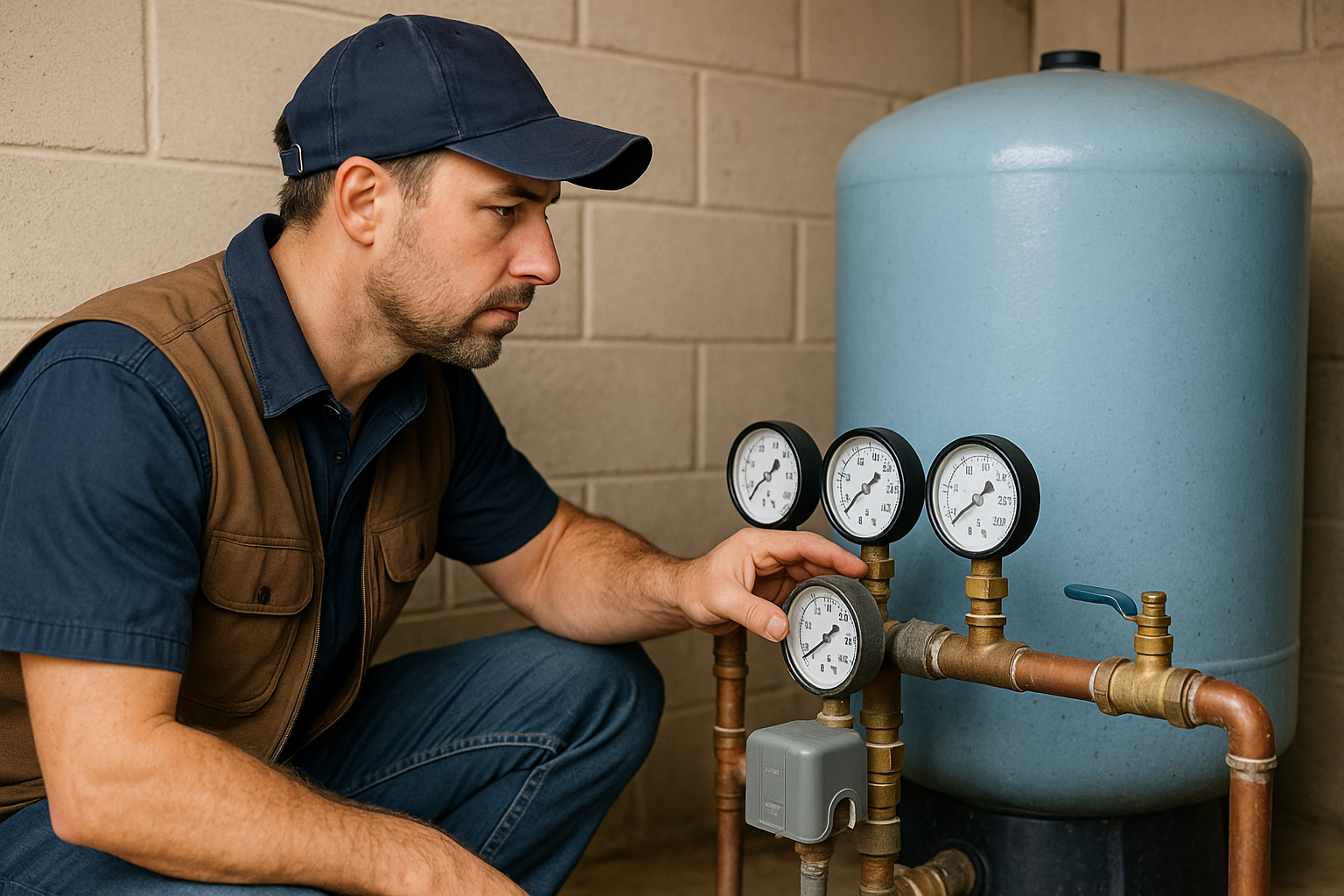
Step 1: Check the Pressure Gauge
- Located near pressure tank
- Should read 40-60 PSI when pump is off (varies by setting)
- Drops when using water, recovers when pump runs
What the Gauge Tells You
| Reading | Indicates |
|---|---|
| Normal at tank, low at fixtures | Problem is in plumbing/filters |
| Low even when pump runs | Pump, well, or major leak issue |
| Drops rapidly when using water | Waterlogged tank or undersized tank |
| Pump won't reach cut-off | Failing pump or low well yield |
Step 2: Isolate the Problem
- Check pressure at outdoor faucet (before filters)
- Check pressure inside (after filters)
- If outdoor is good but inside is low → plumbing/filter issue
- If outdoor is also low → well/pump/tank issue
Clogged Filters (Most Common Easy Fix)
Signs
- Pressure good at tank, weak at fixtures
- Gradual decline over weeks/months
- Worse after sediment event
Check These
- Whole-house sediment filter
- Water softener (may need regeneration)
- Iron filter (may need backwash)
- Reverse osmosis membrane
- Aerator screens on faucets
Solution
- Replace sediment filter cartridge
- Force regeneration on softener
- Clean or replace clogged components
- Clean faucet aerators
Cost
Filter cartridges: $10-$50. Often DIY fix.
Pressure Tank Issues
Waterlogged Tank
- Bladder has failed
- No air cushion to maintain pressure
- Pressure drops immediately when using water
- Pump cycles rapidly (short cycling)
Low Air Pressure
- Air charge has leaked out
- Pressure doesn't hold between pump cycles
- May be able to recharge (if bladder intact)
How to Check
- Turn off pump
- Drain tank completely
- Check air valve with tire gauge
- Should be 2 PSI below cut-in (e.g., 38 PSI for 40/60)
Solutions
- Recharge air if bladder is intact
- Replace tank if bladder failed ($200-$600)
Pump Issues
Signs of Pump Problems
- Pump runs but can't reach cut-off pressure
- Pump runs continuously
- Pressure has dropped gradually over time
- Pump is old (10+ years)
Common Pump Problems
- Worn impellers: Reduced pumping capacity
- Motor weakening: Can't produce rated output
- Check valve stuck: Water draining back
- Screen clogged: Can't draw water properly
How to Check
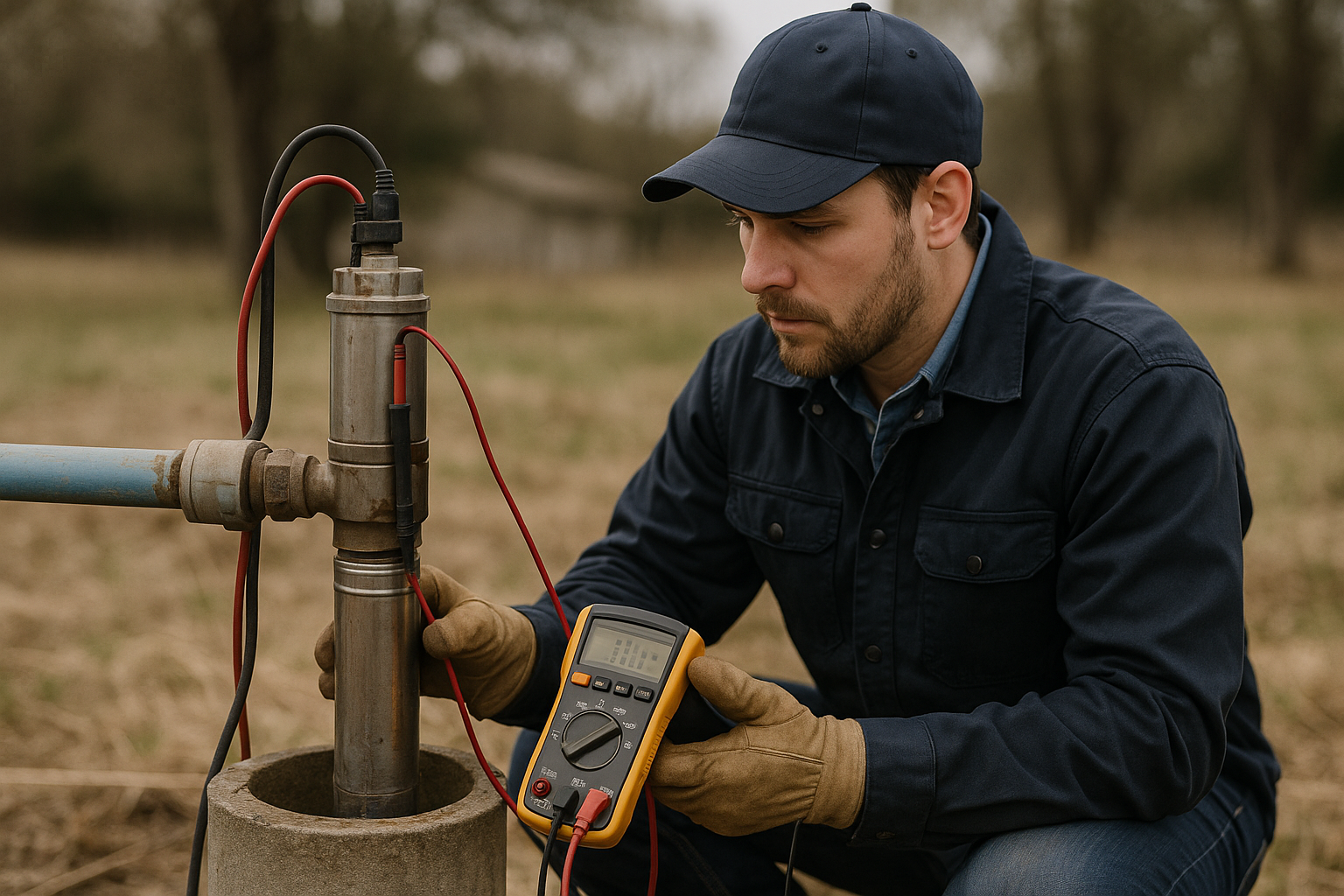
- Measure amps compared to specs
- Flow test for GPM output
- Watch for rapid pressure drop after pump stops
Solutions
- Replace pump if worn/failing
- Replace check valve if leaking back
- Cost: $1,500-$4,000 for pump replacement
Plumbing Problems
Partially Closed Valves
- Check all gate and ball valves
- Should be fully open
- Partially closed valve restricts flow
Pipe Restrictions
- Scale buildup in old pipes
- Corroded galvanized pipes
- Undersized pipes for demand
Pressure Regulator
- May be set too low
- May be failing
- Adjust or replace as needed
Signs
- Pressure good at some fixtures, low at others
- Worse at fixtures far from tank
- Flow reduced but pressure seems OK
Well Issues
Low Water Level
- Drought conditions
- Heavy use exceeding recovery
- Pump may be drawing air
Well Decline
- Yield decreasing over time
- Screen clogging
- Aquifer changes
Signs
- Sputtering or air in lines
- Pump overheats or shuts off
- Pressure fine early, drops later in day
Solutions
- Lower pump if water level dropped
- Well rehabilitation
- Deepen well or drill new
- Add storage tank system
We service all major pump brands including Franklin Electric, Grundfos, Goulds (Xylem), and Sta-Rite (Pentair). Our trucks carry common parts and components for same-day repairs.
Frequently Asked Questions
Why did my well water pressure drop suddenly?
Sudden drops often indicate: clogged filter, power issue to pump, breaker tripped, or pump failure. Check the easy things first (power, filter) before assuming pump failure.
Why is my water pressure low only in the morning?
Could be pressure tank issue (air leaked overnight) or pressure regulator closing as temperature drops.
Can I increase my well water pressure?
Yes—by adjusting pressure switch settings, adding a booster pump, or installing constant pressure system. Must stay within safe limits for your plumbing.
What PSI should my well pump be set at?
Common settings are 30/50 or 40/60 PSI. 40/60 provides better pressure for most homes. Don't exceed 80 PSI.
Will a bigger pressure tank improve pressure?
Not directly. Bigger tank provides more water between pump cycles (less cycling), but doesn't increase actual pressure.
Low Pressure Frustrating You?
We diagnose and fix well pressure problems. Get your pressure back to where it should be.
Related Articles
Continue learning about well maintenance and troubleshooting
Low Water Pressure From Well: Complete Fix Guide
Diagnose and solve low pressure problems
Well Pressure Switch: Settings, Adjustment & Replacement
Everything about pressure switches
Pressure Tank Maintenance: Complete Guide
Keep your pressure tank working properly