
SC By SCWS Team | February 3, 2026 | 11 min read
Well Not Refilling Fast Enough: Understanding & Fixing Low Recovery Rate
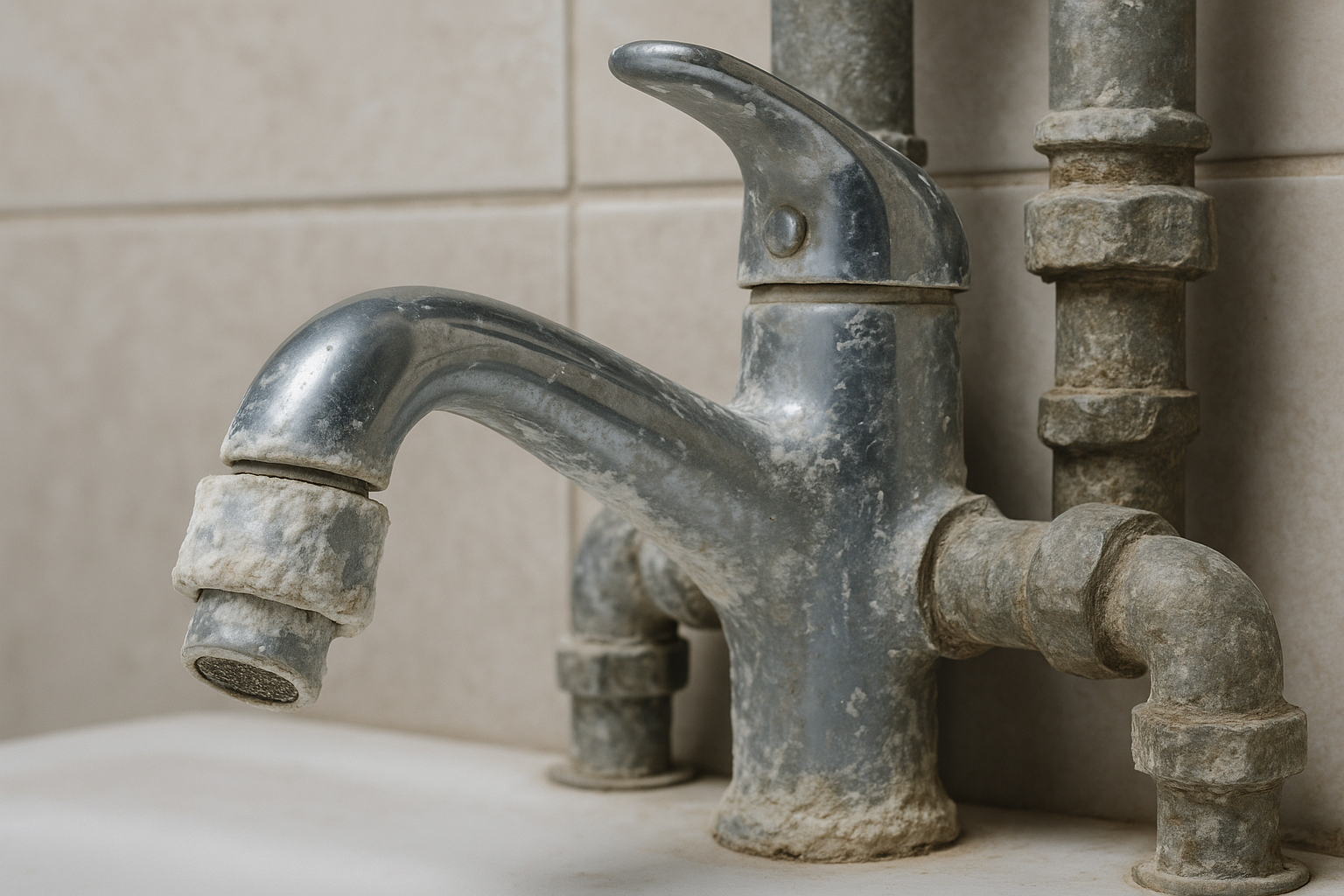
You take a shower, do a load of laundry, and suddenly there's no water. Hours later, the well has "recovered" and water returns—until the next heavy use period. This frustrating cycle of running out and waiting for refill is called low well recovery or low yield. The good news? There are proven solutions, even for wells that struggle to produce 1 gallon per minute.
📊 Well Yield Reference
- • Excellent: 10+ GPM (gallons per minute) — No supply concerns
- • Good: 5-10 GPM — Adequate for most households
- • Adequate: 3-5 GPM — May need conservation during peak use
- • Marginal: 1-3 GPM — Requires water management
- • Low: Under 1 GPM — Storage tanks typically needed
Understanding Well Recovery
Well "recovery" refers to how quickly your well refills after pumping. It's determined by the aquifer's ability to deliver water to your well:
The Recovery Process
- 1. You pump water — Water level in the well drops (drawdown)
- 2. Pressure difference develops — Lower water level in well vs. surrounding aquifer
- 3. Water flows toward well — Through rock fractures, sand, or gravel
- 4. Well "recovers" — Water level rises back toward static level
The speed of steps 3-4 is your recovery rate. Tight formations = slow recovery. Porous formations = fast recovery.
Why Is Your Well Recovering Slowly?
1. Geology & Aquifer Characteristics
The single biggest factor in well yield is what the well is drilled into:
High-Yield Formations
- • Coarse sand and gravel
- • Highly fractured bedrock
- • Limestone with solution channels
- • Alluvial (river) deposits
Low-Yield Formations
- • Tight granite/bedrock
- • Clay and silt layers
- • Shale formations
- • Dense, unfractured rock
In San Diego County: Mountain areas (Julian, Alpine, Ramona hills) often have fractured granite with variable yield—some wells hit good fracture zones, others don't. Valley floors typically have better yield from decomposed granite and alluvial deposits.
2. Declining Water Table
Groundwater levels aren't static. Your well may be recovering slowly because:
- Drought conditions: Less rainfall = less aquifer recharge
- Increased pumping: More wells in the area competing for the same water
- Development: Paved surfaces reduce infiltration
- Climate change: Shifting precipitation patterns
- Seasonal variation: Water table naturally lower in late summer/fall
📉 California's Groundwater Situation
Many California aquifers have been declining for decades due to over-pumping. Some areas have seen water tables drop 100+ feet. If neighbors are also reporting lower yields, it's likely a regional aquifer issue rather than your specific well.
3. Well Screen Blockage
Even if the aquifer has plenty of water, blockages can prevent it from entering your well:
- Mineral scale: Calcium, iron, and manganese deposits clog screen slots
- Iron bacteria: Slimy biofilm coats screen and reduces flow
- Sediment accumulation: Fine particles block formation pathways
- Screen corrosion: Deteriorating metal restricts openings
The good news: These problems are often correctable through well rehabilitation.
4. Well Design Issues
Sometimes the well itself limits yield:
- Wrong screen depth: Screen not positioned in best water-producing zone
- Inadequate screen length: Not enough open area to collect water
- Small diameter: Limits storage capacity in the well bore
- Pump set too low: Not enough storage above pump when water drops
How to Diagnose Your Recovery Rate
DIY Assessment
Simple Recovery Test
- 1. Note your water usage pattern when you run out
- 2. After running out, wait and periodically check if water has returned
- 3. Time how long until you have water again
- 4. Estimate how much water you used before running out
Example: If you used ~100 gallons and it took 2 hours to recover, your recovery is roughly 50 gallons/hour or about 0.8 GPM.
Professional Yield Test
A professional well yield test provides accurate data:
- Static water level: Depth to water before pumping
- Pumping water level: Depth during sustained pumping
- Drawdown: Difference between static and pumping levels
- Specific capacity: GPM per foot of drawdown (efficiency measure)
- Recovery rate: How quickly the well refills after pumping stops
Cost: $200-$500 for a comprehensive yield test.
6 Solutions for Slow-Recovering Wells
1. Well Rehabilitation
If your well used to produce more water, rehabilitation may restore yield. Common methods:
Acidizing
Pumping acid solution into well to dissolve mineral scale and open blocked formations. Effective for calcium/iron deposits.
Cost: $1,500-$3,500
Chemical Treatment
Chlorine shock or specialized chemicals kill iron bacteria and organic blockages. Often combined with brushing.
Cost: $800-$2,000
Air Lift Development
Compressed air surges water in and out of formations, breaking loose sediment and improving flow paths.
Cost: $1,000-$2,500
Hydrojetting
High-pressure water jets clean well screen and adjacent formations. Very effective for stubborn blockages.
Cost: $2,000-$4,000
Typical Results: 50-80% yield restoration when blockage was the problem. Minimal improvement if geology is the limiting factor.
2. Hydrofracturing (Hydrofracking)
Hydrofracturing pumps water at extremely high pressure (500-3,000 PSI) into the well to:
- Open existing rock fractures wider
- Create new fractures in surrounding rock
- Connect previously isolated water-bearing zones
- Clear sediment from fracture pathways
Hydrofracturing Success Rates
- • Best for: Fractured bedrock (granite, schist, gneiss)
- • Success rate: 60-70% show improvement
- • Typical increase: 1-5 GPM
- • Not effective for: Sand/gravel aquifers, clay formations
Cost: $3,000-$8,000. Often the most cost-effective option for low-yield bedrock wells before drilling deeper.
3. Storage Tank System
When you can't increase well yield, work with what you have. Storage tanks let your well fill slowly while you draw water on demand:
How Storage Systems Work
- 1. Well pump fills a large storage tank (500-2,500+ gallons)
- 2. Pump has time to fill tank slowly—even overnight
- 3. Second pump (booster) delivers water from tank to house
- 4. You get strong pressure and adequate supply from stored water
- 5. Well refills tank during low-use periods
Benefits:
- Works with even very low yield wells (under 1 GPM)
- Provides consistent pressure and supply
- Reduces pump cycling (extends pump life)
- Buffer against pump failure (stored water available)
Cost: $3,000-$8,000 installed depending on tank size and system complexity.
4. Deepen the Existing Well
If water-bearing formations exist below your current well depth, deepening may tap into them:
- Works if well logs or neighbor wells show water at greater depths
- Requires compatible casing (can't always deepen older wells)
- No guarantee of finding better water—geology assessment helps
- Often requires new pump rated for greater depth
Cost: $5,000-$15,000 depending on depth increase needed and complications.
5. Drill a New Well
Sometimes a new well in a different location is the best solution:
- Allows drilling in potentially better geology
- Modern drilling techniques may reach zones old technology couldn't
- Fresh casing and screen—no deterioration issues
- Can be positioned for better aquifer access
- Old well can serve as backup or be properly abandoned
Cost: $15,000-$50,000+ depending on depth and location. See our San Diego well drilling cost guide.
6. Reduce Pump Output
If you're pumping faster than the well can sustain, reducing pump output helps:
- Install smaller pump: Matches output to recovery rate
- Variable speed controller: Slows pump when water level drops
- Tailpipe installation: Restricts flow at pump discharge
- Low-water cutoff: Prevents running dry, protects pump
Reducing output means less water per hour but more sustainable long-term—the well never fully runs dry.
📊 Solution Comparison Chart
| Solution | Best For | Cost | Success Rate |
|---|---|---|---|
| Well rehabilitation | Wells with yield decline | $2,000-$5,000 | 70-80% |
| Hydrofracturing | Bedrock wells | $3,000-$8,000 | 60-70% |
| Storage tanks | Any low-yield well | $3,000-$8,000 | 100% |
| Deepen well | If deeper water exists | $5,000-$15,000 | 50-70% |
| New well | Poor location/condition | $15,000-$50,000+ | Variable |
| Reduce pump output | Over-pumping issues | $500-$2,000 | 90% |
Living With a Low-Yield Well
While pursuing solutions, these management practices help:
✓ Spread Out Water Use
Don't run multiple fixtures simultaneously. Stagger showers, laundry, and irrigation.
✓ Use High-Efficiency Fixtures
Low-flow showerheads, efficient toilets, and front-load washers reduce demand.
✓ Irrigate at Night
Run irrigation when household use is minimal, giving well time to recover.
✓ Fix Leaks Immediately
With limited supply, even small leaks matter. A running toilet can waste your entire yield.
Frequently Asked Questions
Why is my well not refilling fast enough?
A slow-refilling well typically has low yield from the aquifer due to geology (tight rock formations), declining water table (drought or over-pumping), well screen blockage (scale, sediment, bacteria), or the well was never a strong producer. The aquifer simply can't supply water as fast as you're using it.
What is a normal well recovery rate?
Well recovery varies greatly by geology and aquifer. A typical residential well should produce 3-5+ gallons per minute (GPM) sustained. Excellent wells produce 10-20+ GPM. Marginal wells produce 1-3 GPM. Below 1 GPM is considered very low yield and may require storage tanks or well rehabilitation.
Can a well's recovery rate decrease over time?
Yes. Wells commonly lose yield over time due to mineral scale buildup on well screens, iron bacteria clogging formations, declining aquifer levels (regional or drought), screen corrosion or collapse, and sediment accumulation in the well. Many of these issues can be reversed with proper well rehabilitation.
Will adding storage tanks help with slow well recovery?
Yes, storage tanks are one of the most effective solutions for low-yield wells. The tank fills slowly when you're not using water, building a reserve. During high-demand periods, you draw from the stored water instead of directly from the well. This works even for very low yield wells (under 1 GPM).
What is well rehabilitation and can it improve recovery rate?
Well rehabilitation involves cleaning, treating, and redeveloping an existing well to restore yield. Methods include acidizing (dissolving mineral scale), chlorine/chemical treatment (killing bacteria), air lifting (removing sediment), and hydrojetting. Rehabilitation can often restore 50-80% of original yield at a fraction of new well cost.
What is hydrofracturing and does it work?
Hydrofracturing (hydrofracking) pumps high-pressure water into a well to open existing fractures and create new pathways for water flow. Success rates vary by geology—it works best in fractured bedrock (common in San Diego mountains) and less well in sandy or clay formations. Success rate is about 60-70% with typical yield increases of 1-5 GPM.
Should I deepen my well or drill a new one?
Deepening makes sense if records show better water zones exist below your current depth. Drilling new is often better if the current location has fundamental geology problems, the well is very old with deteriorating casing, or hydrogeological assessment suggests better locations. New wells cost more but may have better long-term yield.
How much does it cost to fix a slow-recovering well?
Costs vary by solution: well rehabilitation costs $2,000-$5,000, hydrofracturing costs $3,000-$8,000, storage tank installation costs $3,000-$8,000, deepening existing well costs $5,000-$15,000, and drilling a new well costs $15,000-$50,000+. A professional evaluation ($300-$500) helps determine which approach is most cost-effective.
Tired of Running Out of Water?
Let us evaluate your well and recommend the most cost-effective solution. Whether you need rehabilitation, hydrofracturing, storage tanks, or a new well assessment, we have the experience to help. Serving San Diego and Riverside Counties for over 20 years.


