SC By SCWS Team | February 4, 2026 | 11 min read
Well Pressure Drops When Shower Running?
There's nothing worse than great water pressure turning into a trickle mid-shower. If your well water pressure drops dramatically when the shower runs—especially when other fixtures are used at the same time—your system is telling you something. This guide explains the most common causes and the solutions that actually work.
🔍 Quick Diagnosis: When Does Pressure Drop?
- • Immediately when shower starts? → Pressure tank or switch issue
- • When second fixture turns on? → System capacity/flow rate problem
- • After several minutes? → Well yield or pump issue
- • Only in certain fixtures? → Local clog or pipe restriction
Understanding Well Water Pressure Systems
Before diving into causes, it helps to understand how your well system maintains pressure:
How a Well Pressure System Works
- Pump: Draws water from the well (typically 8-15 GPM for residential)
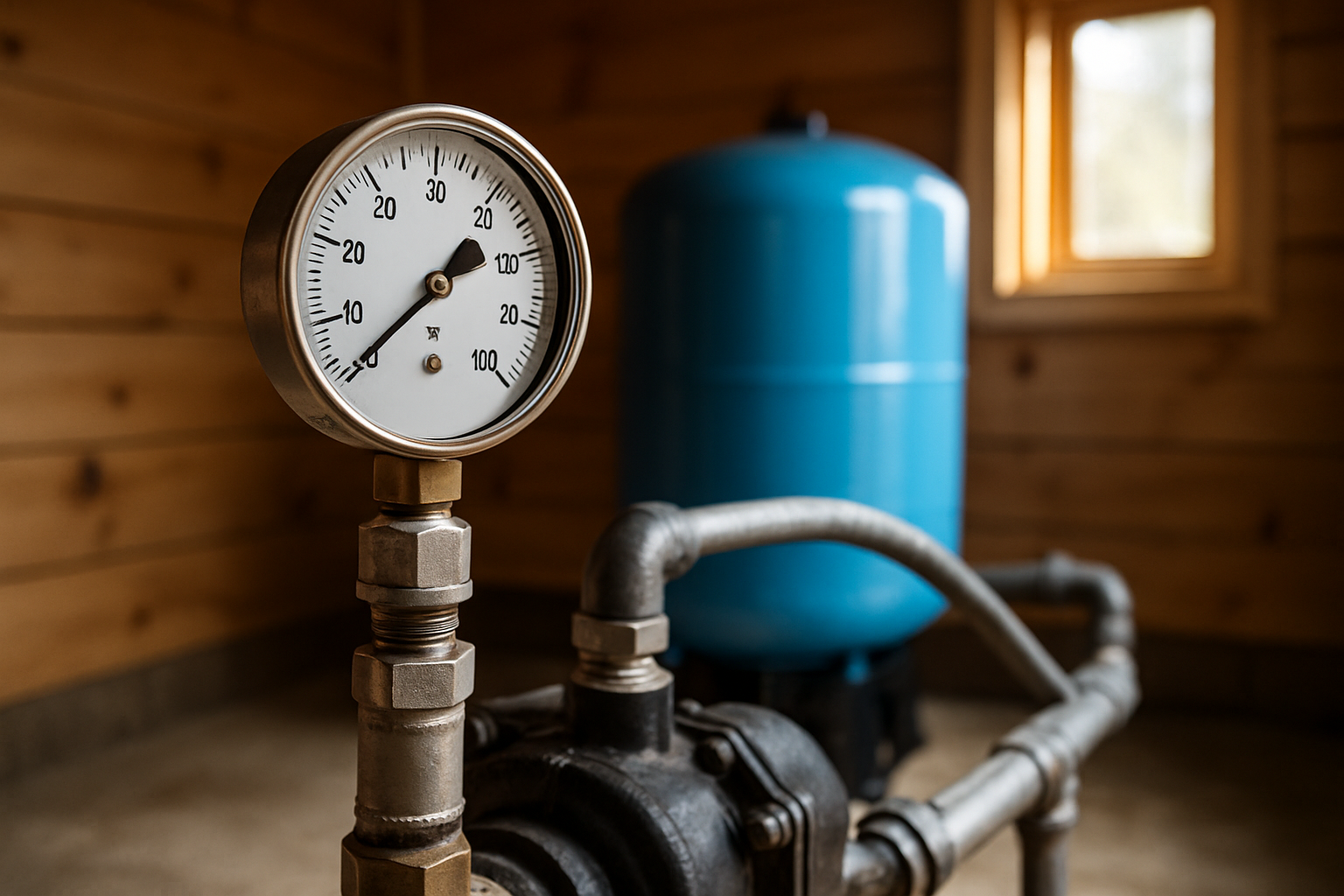
- Pressure Tank: Stores pressurized water and provides an air cushion
- Pressure Switch: Turns pump on at low pressure (cut-in) and off at high pressure (cut-out)
- Common Setting: 30/50 (pump on at 30 PSI, off at 50 PSI) or 40/60
When you turn on a faucet, pressurized water flows from the tank. As pressure drops toward the cut-in point, the pump starts to replenish the tank.
Pressure problems occur when demand exceeds what this system can deliver—either because of equipment issues or because the demand is simply too high for your current setup.
Most Common Causes of Pressure Drops
1. Waterlogged Pressure Tank (Most Common)
This is the #1 cause of pressure drops during use. A waterlogged tank has lost its air charge, so there's no cushion of compressed air to maintain pressure between pump cycles.
Symptoms of Waterlogged Tank
- Pump cycles on/off rapidly (short cycling)
- Pressure drops almost immediately when water is used
- Tank feels heavy and sounds solid when tapped
- Pressure gauge bounces frequently
The Fix
- Check air pressure at tank's air valve
- Recharge bladder tank with air (2 PSI below cut-in)
- If bladder has failed, replace the tank
- Cost: $0 for recharge, $400-$1,200 for replacement
Learn more about how pressure tanks work and how to maintain them.
2. Undersized or Failing Pressure Tank
Even a properly charged small tank may not provide enough reserve for high-demand situations like showers.
🏗️ Pressure Tank Sizing Guide
20-32 gal
1-2 fixtures
Budget installs
Often too small
44-62 gal
3-4 bathroom home
Standard family
Recommended
85+ gal
Large homes
Heavy use
Best performance
Larger tanks = more water reserve = steadier pressure during demand spikes
3. Pump Can't Keep Up (Insufficient Flow Rate)
Your pump has a rated flow rate (GPM—gallons per minute). If your combined fixture demand exceeds this, pressure will drop.
Typical Fixture Flow Rates
- Shower head: 2.0-2.5 GPM (older models up to 5+ GPM)
- Bathroom faucet: 1.0-2.2 GPM
- Kitchen faucet: 1.5-2.2 GPM
- Toilet: 3 GPM during fill (intermittent)
- Washing machine: 3-4 GPM
- Dishwasher: 2-3 GPM
Example: Shower (2.5) + kitchen faucet (2.0) + toilet filling (3.0) = 7.5 GPM simultaneous demand. If your pump delivers only 8 GPM, you're at the edge—and any restriction drops pressure.
4. Low Well Yield
If your well doesn't produce water as fast as your pump can deliver it, you'll experience pressure drops during extended or heavy use.
Signs of Low Well Yield
- Pressure fine at first, drops after 10-15 minutes
- Air spurts from faucets during heavy use
- Pressure recovers after well rests
- Worse during drought or dry season
Solutions for Low Yield
- Add storage tank to buffer demand
- Install cycle timer to limit pump runtime
- Lower pump in well (if possible)
- Hydrofracking to improve yield
- Deepen well or drill new well
5. Pressure Switch Problems
The pressure switch tells the pump when to run. If it's malfunctioning, pressure regulation suffers.
- Corroded contacts: Pump may not start promptly when pressure drops
- Wrong settings: Cut-in too low or differential too narrow
- Clogged sensing port: Switch doesn't sense actual pressure accurately
- Worn contacts: Cause intermittent pump operation
Fix: Pressure switches are relatively inexpensive ($50-$150 installed) and should be replaced if more than 5-7 years old or showing issues.
6. Pipe Restrictions and Clogs
Sometimes the problem isn't pressure—it's flow. Restrictions in your plumbing reduce the amount of water that can reach fixtures.
Common Flow Restrictions
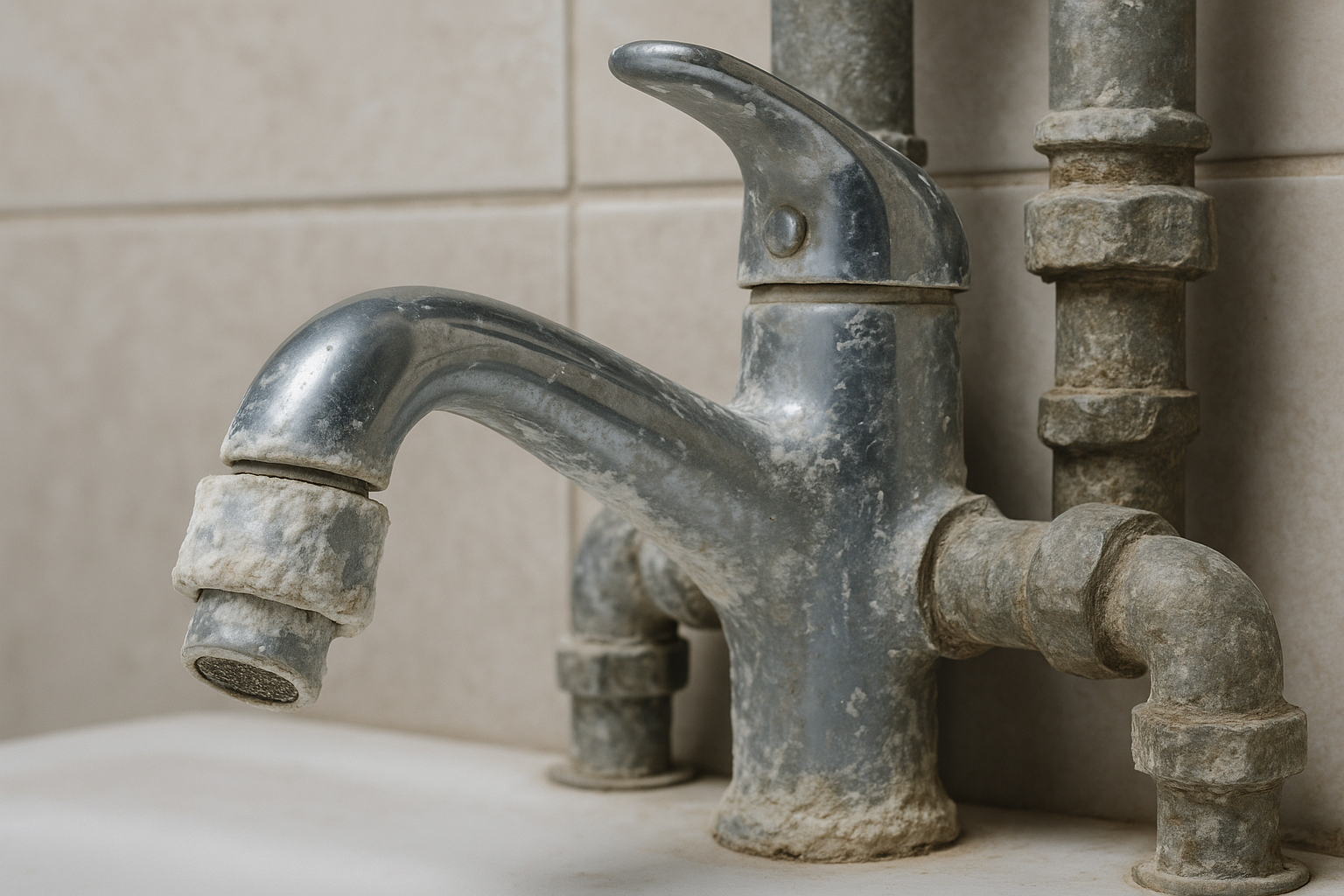
- Clogged showerhead: Mineral buildup reduces flow (easy DIY fix)
- Corroded galvanized pipes: Interior buildup restricts flow significantly
- Undersized pipes: 1/2" pipes can't deliver as much as 3/4"
- Partially closed valves: Gate valves partially closed restrict flow
- Clogged aerators: Sediment in faucet aerators
- Failing PRV: Pressure reducing valve stuck partially closed
7. Worn Pump or Impeller
Over time, pump impellers wear—especially in sandy water conditions. A worn pump can't generate its rated flow and pressure.
- Pump runs longer to build pressure
- Maximum pressure is lower than it used to be
- Pump may be noisier than before
- Flow rate has decreased over time
Typical pump lifespan: 10-15 years for submersible pumps, 8-12 years for jet pumps. If yours is aging and performance has declined, replacement may be the best solution.
Diagnosing Your Pressure Problem
Follow this systematic approach to identify your specific issue:
Step 1: Check the Pressure Tank
- Turn off power to the pump
- Open a faucet to drain water and reduce pressure to zero
- Use a tire gauge to check air pressure at the tank's air valve (usually on top)
- Reading should be: 2 PSI below your cut-in pressure (e.g., 28 PSI for a 30/50 system)
- If reading is very low or zero, the bladder may be failed
Step 2: Monitor Pump Cycling
Watch the pressure gauge while running water:
- Rapid cycling (on-off-on-off quickly): Waterlogged tank
- Pressure drops fast but pump catches up: Undersized tank or high demand
- Pump runs but pressure won't build: Pump issue, well yield issue, or leak
- Pressure never reaches cut-out: Pump can't meet demand or there's a system leak
Step 3: Time the Recovery
- Run water until the pump kicks on
- Time how long it takes to reach cut-out pressure
- Normal: 30-60 seconds to rebuild pressure
- Too long: May indicate pump wear, well yield issue, or leak
Step 4: Check for Flow Restrictions
- Remove and inspect showerhead—clean or replace if clogged
- Check aerators on faucets for sediment buildup
- Make sure all supply valves are fully open
- If you have a PRV, test its output pressure
Solutions to Fix Pressure Drops
Based on your diagnosis, here are the most effective solutions:
| Problem | Solution | Cost Range | Effectiveness |
|---|---|---|---|
| Waterlogged tank | Recharge or replace tank | $0-$1,200 | ⭐⭐⭐⭐⭐ |
| Small pressure tank | Upgrade to larger tank | $600-$1,500 | ⭐⭐⭐⭐ |
| Pump too small | Upgrade pump size | $1,500-$3,500 | ⭐⭐⭐⭐⭐ |
| Low well yield | Add storage tank + booster | $2,000-$5,000 | ⭐⭐⭐⭐ |
| Variable demand | Constant pressure system | $1,500-$3,500 | ⭐⭐⭐⭐⭐ |
| Low pressure setting | Adjust/replace pressure switch | $100-$250 | ⭐⭐⭐ |
| Clogged fixtures | Clean or replace showerhead/aerators | $0-$100 | ⭐⭐⭐ |
| Old galvanized pipes | Repipe with copper or PEX | $4,000-$10,000 | ⭐⭐⭐⭐⭐ |
The Constant Pressure Solution
For homes with persistent pressure fluctuation issues, a constant pressure system (also called a variable frequency drive or VFD) is often the best solution.
🎯 How Constant Pressure Works
Instead of running at one speed and cycling on/off, a VFD adjusts the pump motor speed to match water demand in real-time. Light demand = slow pump. Heavy demand = full speed.
Benefits:
- Steady pressure regardless of demand
- No pressure tank required (or much smaller one)
- Reduces pump cycling and wear
- More energy efficient at low-demand times
- Perfect for homes with low-yield wells
Learn more about constant pressure vs. standard well pump systems.
Preventing Future Pressure Problems
✅ Annual Maintenance
Check tank air pressure yearly; service pressure switch; inspect electrical connections
✅ Right-Size Equipment
Match pump and tank to your household demand, not minimum specs
✅ Low-Flow Fixtures
Modern efficient fixtures reduce demand while maintaining comfort
✅ Schedule Heavy Use
Stagger showers, laundry, and dishwasher to avoid simultaneous demand
Frequently Asked Questions
Why does my well water pressure drop when the shower is running?
Pressure drops during shower use typically indicate your well system can't keep up with demand. Common causes include: waterlogged pressure tank (most common), undersized well pump, low well yield, partially clogged pipes or fixtures, failing pump, or pressure switch issues. The shower draws significant water flow, exposing system limitations.
How do I know if my pressure tank is waterlogged?
Signs of a waterlogged pressure tank include: pump cycles on/off rapidly (short cycling), pressure drops quickly when water is used, tank feels heavy and full all over when tapped, and little to no air cushion when you check the tank's air pressure. A properly charged bladder tank should have air pressure about 2 PSI below the pump cut-in pressure.
What size pressure tank do I need to prevent pressure drops?
Tank size depends on your pump's flow rate and desired drawdown. For most residential wells with 8-12 GPM pumps, a 32-44 gallon tank is minimum, with 50-85 gallon tanks recommended for better performance. Larger tanks provide more stored water between pump cycles, maintaining steadier pressure during high-demand periods like showers.
Will a constant pressure system fix my shower pressure problems?
Constant pressure systems (variable frequency drives) can significantly improve pressure consistency. They adjust pump speed to match demand, maintaining steady pressure regardless of how many fixtures are in use. They're especially effective for homes with low-yield wells or multiple simultaneous water users. Cost is $1,500-$3,500 installed.
Could my well be running out of water during showers?
Yes, low well yield can cause pressure drops during high-demand use. If your well produces less water than your pump can deliver, pressure will drop as the pump outpaces the well's recovery. Signs include: pressure drops only during extended use, air spurting from faucets, and recovery after letting the well rest. A well yield test can confirm this.
How much does it cost to fix well pressure problems?
Costs vary by cause: Pressure tank replacement runs $400-$1,200. Pressure switch adjustment or replacement is $100-$250. A larger pump costs $1,500-$3,500 installed. Constant pressure systems are $1,500-$3,500. Pipe upgrades for flow restrictions vary widely. Start with diagnosis to identify the most cost-effective fix.
Tired of Pressure Problems?
Southern California Well Service can diagnose exactly why your pressure drops and recommend the most cost-effective solution for your situation. From pressure tank replacement to constant pressure systems, we've helped hundreds of San Diego and Riverside County homeowners achieve reliable water pressure.