
Well Pump Won't Turn Off: Pressure Switch Fixes
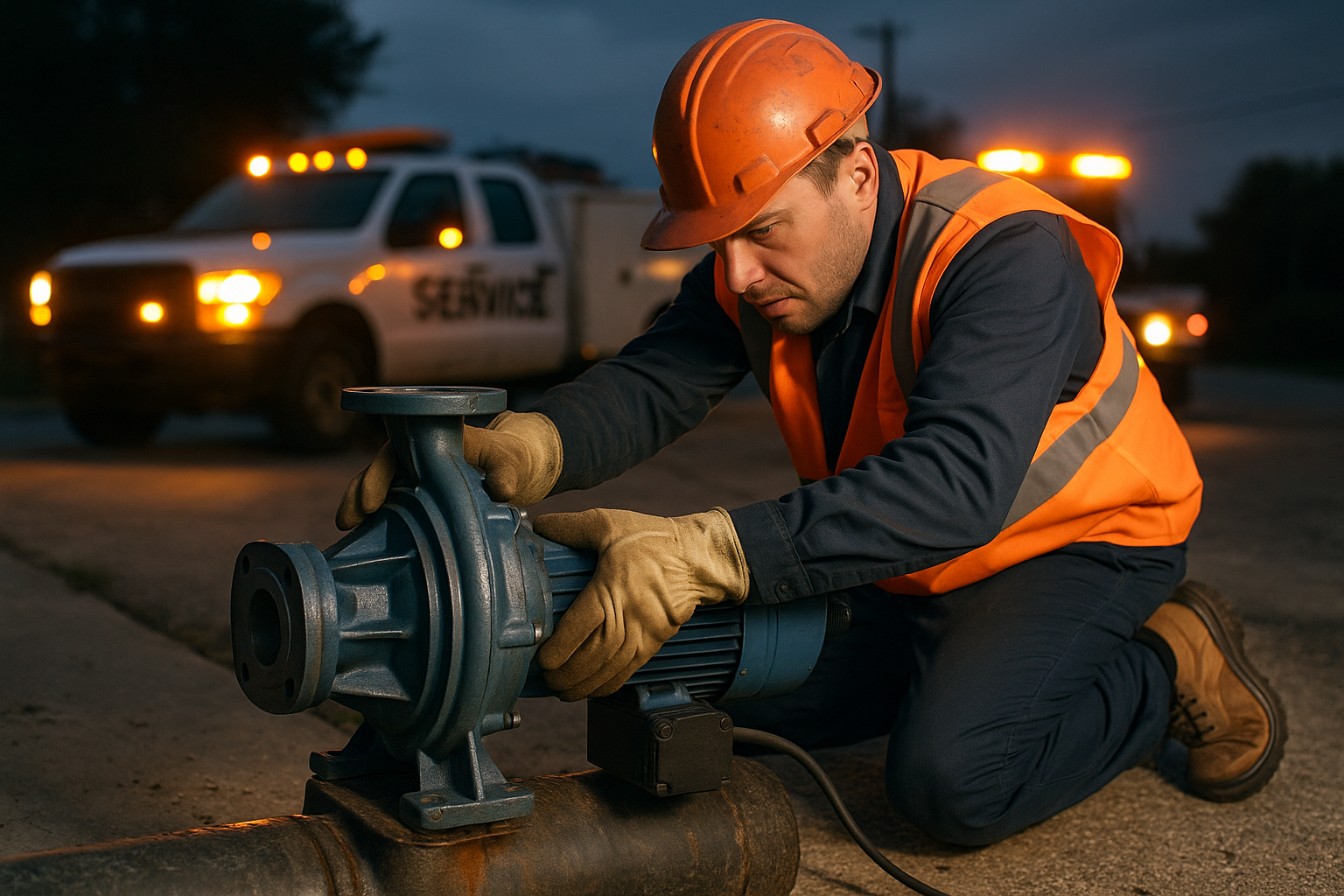
Your well pump is running and running—and won't shut off. This isn't just annoying, it's damaging your system. Here's what's causing it and how to fix it.
📋 In This Guide
⚠️ First Step: Turn off the pump at the circuit breaker. Continuous running damages the motor and can burn it out.
Emergency: (760) 440-8520How the Pressure Switch Works
Understanding the system helps you diagnose the problem:
- Cut-in (turn on): When pressure drops to the lower setting (typically 40 PSI), switch contacts close, pump starts
- Cut-out (turn off): When pressure rises to the upper setting (typically 60 PSI), switch contacts open, pump stops
A 40/60 switch has a 20 PSI differential. Common settings are 30/50 or 40/60.
If the pump won't turn off, either:
- The switch contacts are stuck closed (mechanical failure)
- The system can't reach cut-off pressure (pressure problem)
Common Causes
1. System Can't Build Enough Pressure
Most common cause. The pump runs continuously because it can't reach the cut-off pressure.
Causes of low pressure:
- Leak in system: Water escaping somewhere (running toilet, broken pipe, open faucet)
- Failing pump: Worn impellers can't build full pressure
- Low well yield: Well can't supply water as fast as pump moves it
- Clogged pipes: Restriction limits flow
- Cut-off set too high: Pump can only make 55 PSI, switch set to 60
How to diagnose: Watch the pressure gauge. If it climbs slowly and never reaches cut-off (or hovers below it), you have a pressure problem, not a switch problem.
2. Stuck Switch Contacts
The electrical contacts inside the switch can weld together or corrode in the closed position.
Causes:
- Electrical arcing over time
- Insect or debris contamination
- Corrosion from moisture
- Age and wear
How to diagnose: With breaker OFF, tap the switch lever. If contacts are visibly stuck or show burn marks, replace the switch.
3. Waterlogged Pressure Tank
When the tank loses its air charge:
- Tank fills completely with water
- Pressure spikes instantly when pump runs
- Then drops instantly when any water is used
- Pump cycles rapidly, may not reach stable cut-off
How to diagnose: Tap the tank—if solid (not hollow), it's waterlogged. Or check air pressure at the valve (should be ~38 PSI when empty).
4. Clogged Sensing Port
The pressure switch has a small tube/port that senses system pressure. If blocked:
- Switch can't detect actual pressure
- May never trigger cut-off
How to diagnose: Remove switch and check the port opening for sediment or debris.
5. Misadjusted Settings
If someone adjusted the switch and set cut-off too high:
- Pump runs trying to reach impossible pressure
- System may have pressure relief valve that limits max pressure
How to diagnose: Check settings (nuts on top of switch) against pump capacity and original specs.
Diagnosis Steps
Step 1: Turn Off Power
Flip the breaker. Safety first, and stop the motor damage.
Step 2: Check Pressure Gauge
Note the reading. Is it at/above cut-off (60 PSI)? Or below?
- At or above cut-off: Switch is stuck (contacts welded)
- Below cut-off: System can't build pressure (leak, pump, or tank issue)
Step 3: Check for Leaks
With pump off, watch the pressure gauge. Does it drop?
- Drops slowly: Leak somewhere in system
- Drops fast: Large leak or check valve not holding
- Holds steady: No leak, pressure issue is elsewhere
Step 4: Inspect the Switch
With power OFF:
- Remove cover (small plastic box on gray square housing)
- Look for burnt contacts, debris, insects
- Check for corrosion or water damage
Step 5: Test the Tank
With power off and pressure drained:
- Check air pressure at the tank's air valve
- Should be 2 PSI below cut-in (38 PSI for 40/60 switch)
- If zero or very low, bladder may have failed
Fixes
If Switch Contacts Are Stuck
Replace the switch. Cost: $15-$40 for switch + installation.
Temporary fix: With power OFF, manually separate contacts with insulated screwdriver. This only works briefly—replace the switch promptly.
If Can't Build Pressure (Leak)
- Check all toilets (most common leak)
- Check irrigation system
- Listen for running water with everything off
- Check water meter for movement
If Tank Is Waterlogged
Replace the tank. Cost: $300-$800 installed.
If Pump Can't Build Pressure
- Check pump age (10-15 years typical life)
- Worn impellers require pump replacement
- May need professional diagnosis
Prevention
- Replace pressure switch every 10-15 years proactively
- Keep switch dry—seal wellhead properly
- Check tank air pressure annually
- Fix small leaks promptly
Pump Won't Shut Off?
We diagnose and fix pressure switch problems quickly. Don't let it burn out your motor.
See our pump won't shut off guide or short cycling troubleshooting.
Call (760) 440-852024/7 Emergency Service Available
We service all major pump brands including Franklin Electric, Grundfos, Goulds (Xylem), and Sta-Rite (Pentair). Our trucks carry common parts and components for same-day repairs.
Frequently Asked Questions
Why won't my well pump turn off?
Common causes include: pressure switch contacts stuck closed, pump can't build enough pressure to reach the cut-off setting (leak, failing pump, or cut-off set too high), waterlogged pressure tank, or clogged pressure switch sensing port. The pump keeps running trying to reach a pressure it can't achieve.
Can a running pump damage my well system?
Yes. Continuous running overheats the motor (especially if running dry), wastes electricity, wears pump components faster, and can cause complete pump failure. If your pump won't shut off, turn it off at the breaker while you diagnose or call for service.
How do I manually turn off a running well pump?
Turn off the dedicated well pump circuit breaker in your electrical panel. This is the safest immediate step. Don't keep resetting power hoping it will fix itself—diagnose the cause first.
How much does a pressure switch cost?
The switch itself is $15-$40 at hardware stores. Professional replacement including diagnosis typically costs $100-$250 total. It's one of the cheapest well system repairs.
Why is my pump running but pressure stays low?
Either there's a leak using water as fast as the pump delivers it, or the pump is failing and can't build full pressure. Check for leaks first (toilets, irrigation). If no leaks, the pump may need service or replacement.
Get Expert Help
Contact Southern California Well Service for pressure switch diagnosis and repair.
Call (760) 440-8520Serving San Diego, Riverside & San Bernardino Counties
Related Articles
Continue learning about well maintenance and troubleshooting
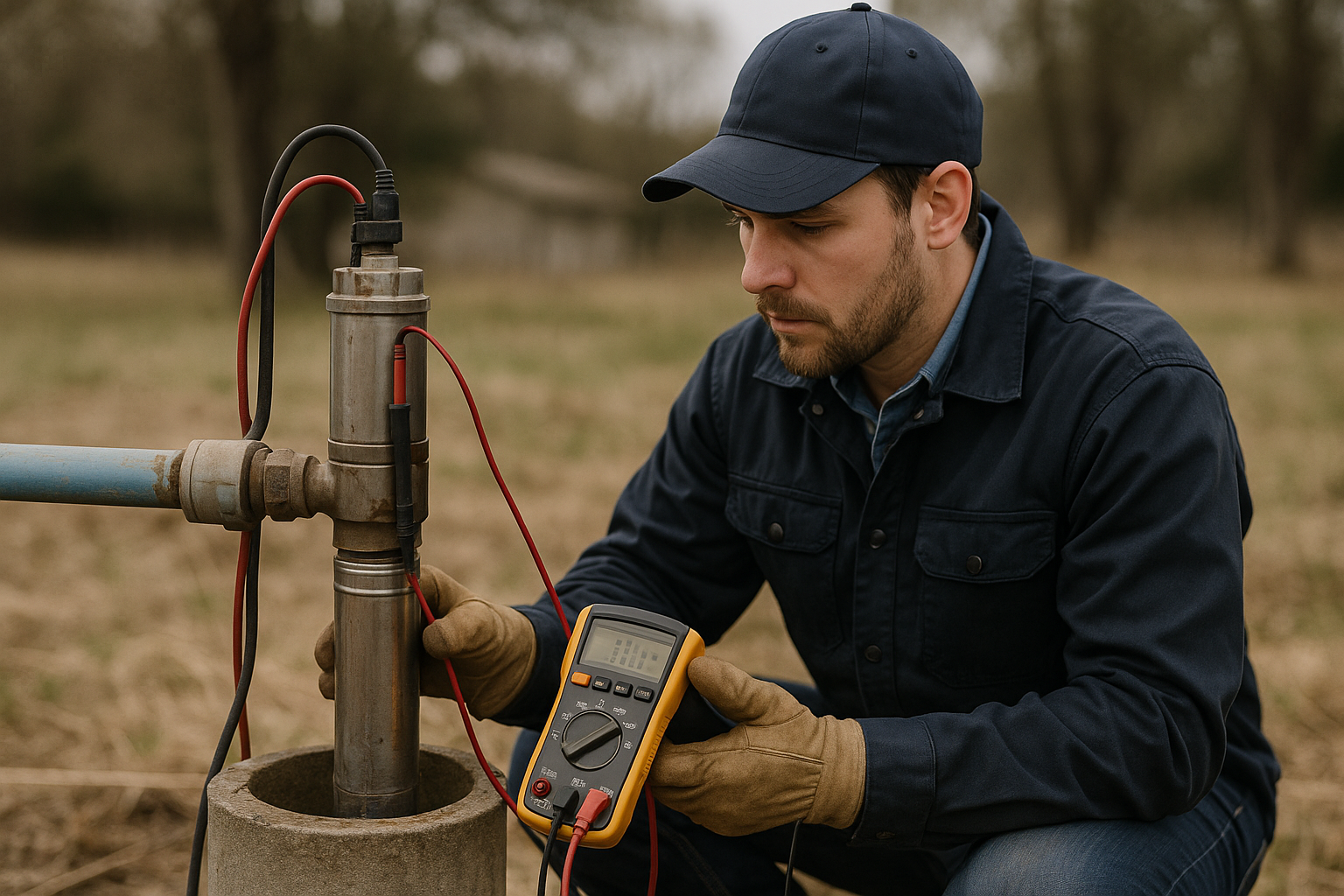
Low Water Pressure From Well: Complete Fix Guide
Diagnose and solve low pressure problems
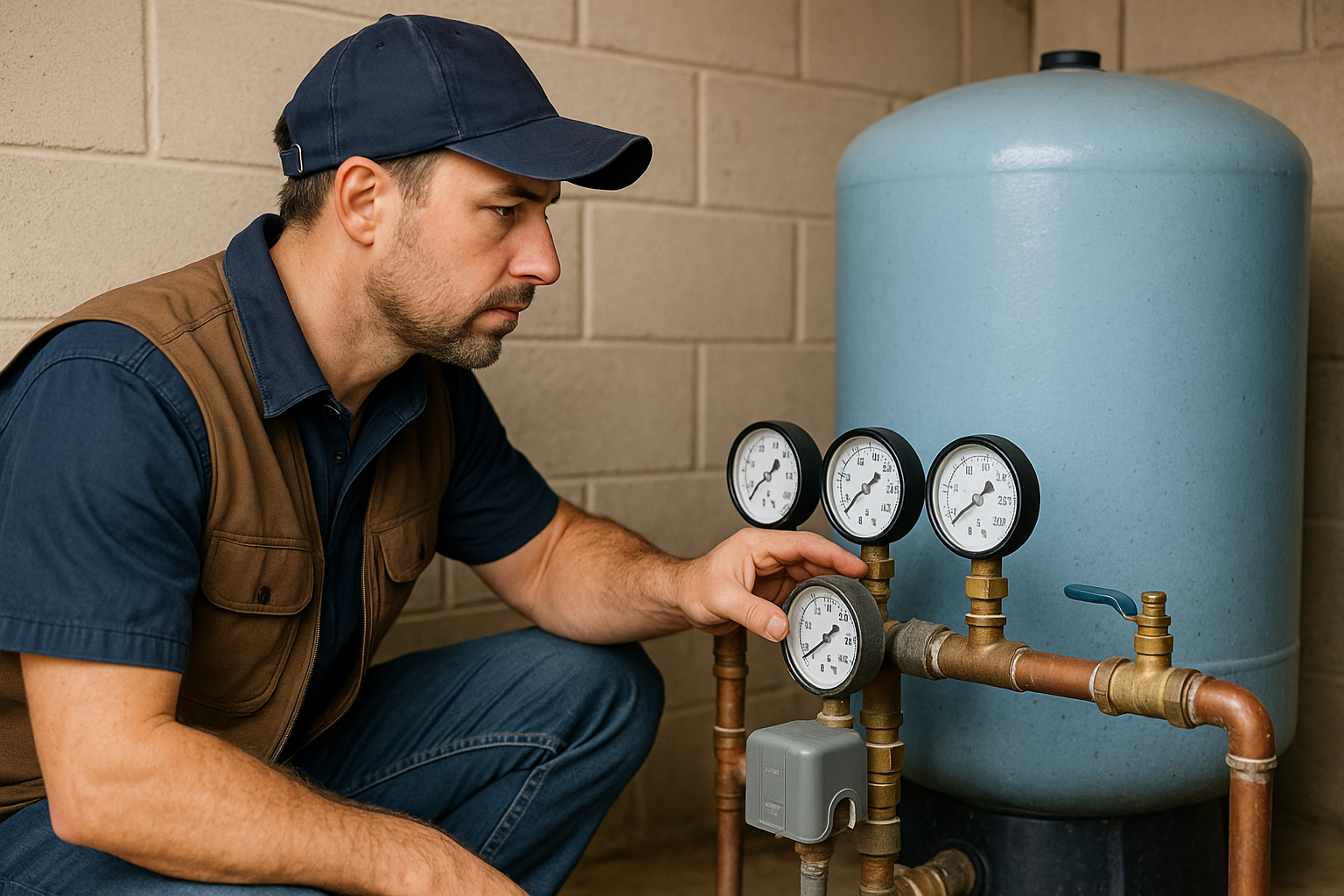
Well Pressure Switch: Settings, Adjustment & Replacement
Everything about pressure switches
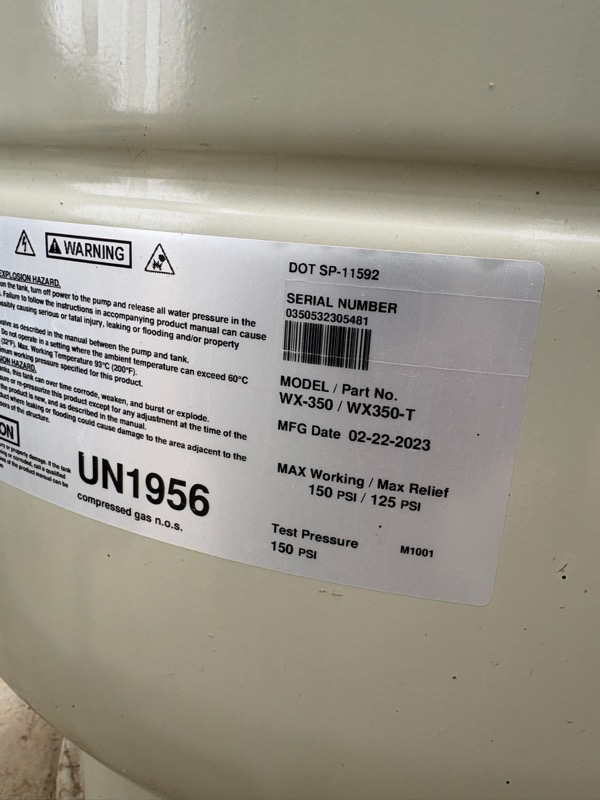
Pressure Tank Maintenance: Complete Guide
Keep your pressure tank working properly