
Why Your Well Pressure Tank Won't Fill Properly
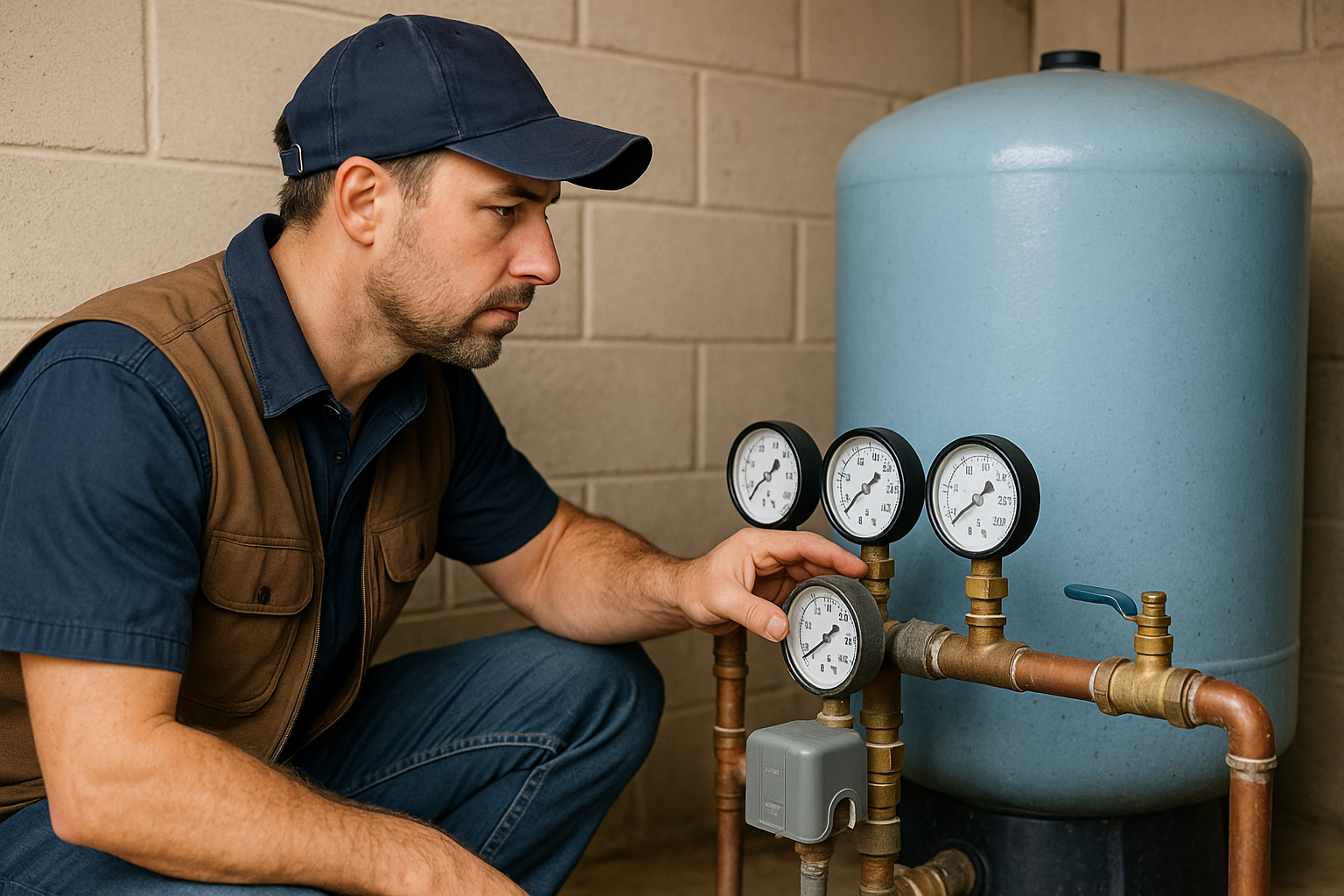
Experiencing this problem right now? Call us for immediate assistance.
Your pressure tank is the heart of your water system, storing pressurized water and reducing pump cycles. When it won't fill properly, you'll notice weak water pressure, constant pump running, or rapid cycling. Understanding why the tank isn't filling is the first step toward a solution.
Common Causes
- Weak or Failing Pump: If the pump can't deliver enough water at sufficient pressure, the tank will never fill completely. This is common in aging pumps or when the water table has dropped.
- Incorrect Air Pressure: The air bladder in your tank should be set 2 PSI below your pump's cut-in pressure. Incorrect settings prevent proper filling and cause short cycling.
- Failed Bladder: A ruptured bladder allows water to fill the entire tank, eliminating the air cushion needed for proper operation.
- Partially Closed Valve: A gate valve that's not fully open between the pump and tank restricts flow and prevents full pressurization.
- Leak in the System: Even small leaks prevent the system from reaching full pressure, so the tank never properly fills.
- Clogged Pipe or Filter: Sediment buildup in pipes or a clogged whole-house filter can restrict flow enough to prevent proper tank filling.
Warning Signs to Watch For
- Tank feels light or empty at the bottom
- Pressure gauge rises slowly or never reaches cutoff point
- Pump runs for extended periods
- Water pressure is weaker than normal
- Pump cycles frequently (short cycling)
How to Fix This Problem
1. Check Tank Air Pressure
Turn off the pump and drain water from the tank by opening a faucet. Use a tire gauge on the air valve to check pressure. It should read 2 PSI below your cut-in pressure (typically 28 PSI for a 30/50 system).
2. Inspect for Bladder Failure
With the tank drained, push the air valve. If water comes out, the bladder has failed and the tank needs replacement.
3. Check All Valves
Verify all valves between the well and tank are fully open. Gate valves especially can appear open when they're partially closed.
4. Test Pump Output
Disconnect the line at the tank and run the pump briefly into a bucket to verify it's producing good flow. Weak flow indicates pump problems.
5. Inspect Filters
A clogged sediment filter can dramatically reduce flow. Check and replace if needed.
When to Call a Professional
While some minor issues can be addressed by homeowners, well system problems often require professional diagnosis. Call Southern California Well Service if:
- You're not comfortable working with electrical systems
- The problem persists after basic troubleshooting
- You notice multiple symptoms at once
- Your well is over 10 years old and hasn't been serviced
We offer same-day emergency service throughout San Diego, Riverside, and San Bernardino counties.
We install Well-X-Trol (Amtrol) and Flexcon pressure tanks — industry-leading bladder tanks that outlast standard diaphragm models. Proper sizing with a quality tank can double your pump's lifespan.
Frequently Asked Questions
How do I know if my pressure tank bladder is bad?
With the pump off and tank drained, press the air valve. Water coming out means the bladder has ruptured. A good bladder releases only air.
What PSI should my well pressure tank be?
Air pressure should be 2 PSI below your cut-in pressure. For a standard 30/50 system, set the tank at 28 PSI. For a 40/60 system, use 38 PSI.
Why does my pressure tank feel empty?
If the tank feels light and empty, the bladder may have ruptured allowing all the water to drain out, or the pump isn't delivering water to the tank.
How long should a pressure tank last?
Quality pressure tanks typically last 10-15 years. Tanks in areas with sediment or aggressive water may fail sooner. Annual pressure checks extend tank life.
Need Help Now?
Southern California Well Service provides expert well pump repair and diagnostics. We've been solving well problems across Southern California since 2006.
Call (760) 440-8520 for ServiceRelated Articles
Continue learning about well maintenance and troubleshooting
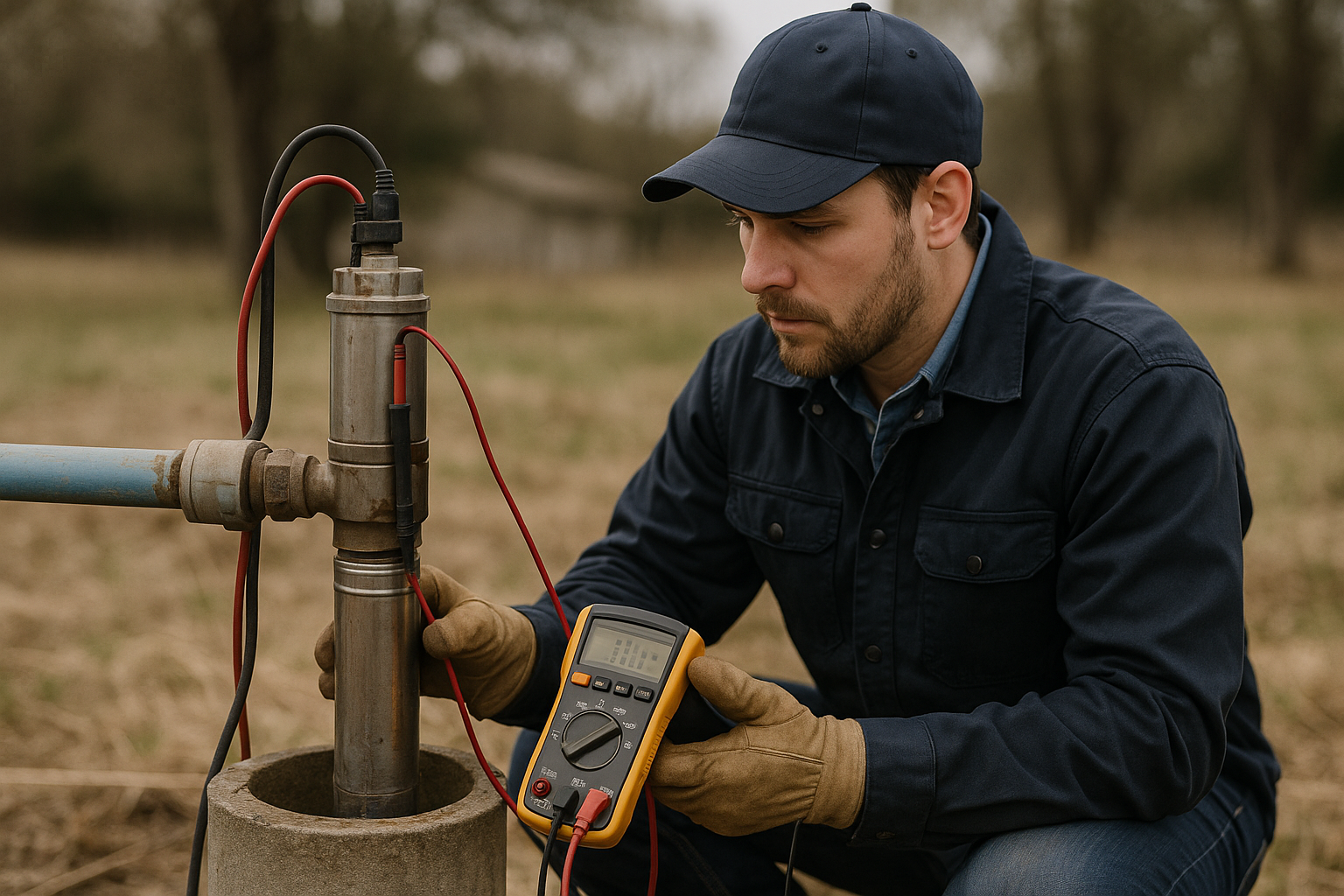
Low Water Pressure From Well: Complete Fix Guide
Diagnose and solve low pressure problems
Well Pressure Switch: Settings, Adjustment & Replacement
Everything about pressure switches
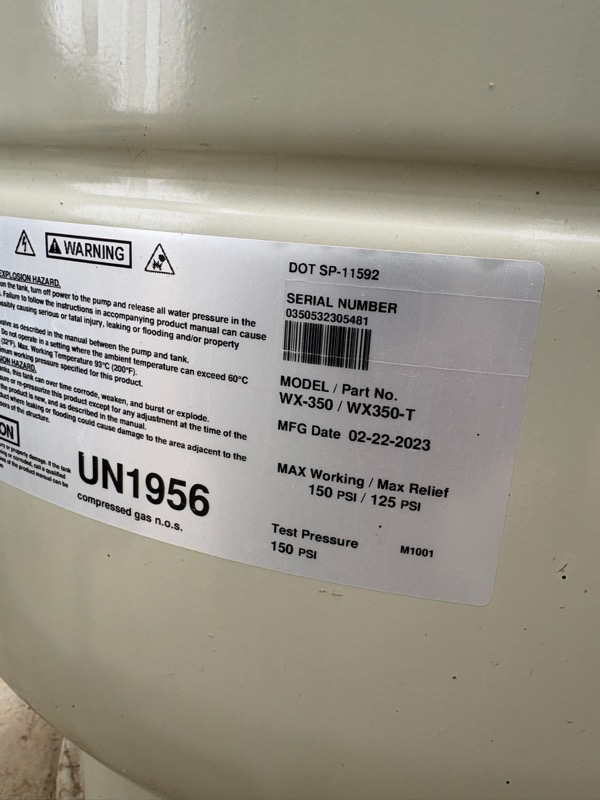
Pressure Tank Maintenance: Complete Guide
Keep your pressure tank working properly