
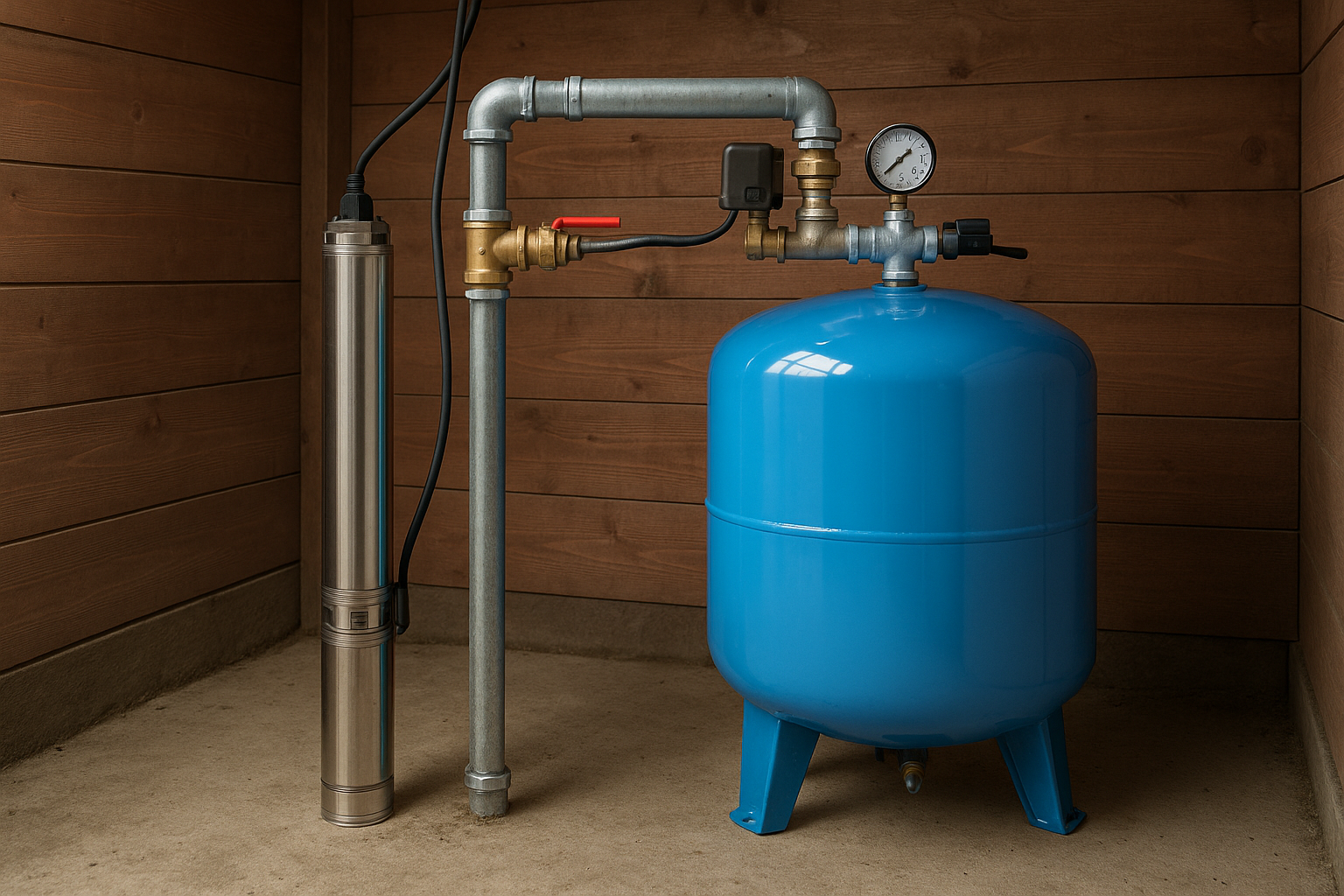
Well Pressure Tank Sizing Guide
📋 In This Guide
- Table of Contents
- Pressure Tank Basics
- Tank Types: Bladder vs Diaphragm
- How to Size Your Tank
- Drawdown Calculation Formula
- Complete Sizing Chart
- Pressure Settings & Drawdown
- Undersizing Problems
- Installation Considerations
- Maintenance Tips
- Tank Costs by Size (2026)
- Frequently Asked Questions
- Related Articles
- Need Help Sizing Your Pressure Tank?
Pressure Tank Basics
A pressure tank is the heart of your well water system. Without it, your pump would turn on every time you opened a faucet—burning out in months instead of lasting 10-15 years. Understanding how it works helps you choose the right size.
What a Pressure Tank Does
- Stores pressurized water for instant delivery
- Reduces pump cycling by providing water between pump runs
- Maintains consistent pressure throughout your home
- Protects your pump from premature wear
- Provides emergency water during brief power outages
How It Works
Inside every modern pressure tank is a flexible bladder or diaphragm separating air from water. When the pump fills the tank, it compresses the air above the bladder. This compressed air acts like a spring, pushing water out when you open a faucet.
As you use water, pressure drops. When it reaches the "cut-in" pressure (typically 30 or 40 PSI), the pressure switch tells the pump to start. The pump runs until reaching "cut-out" pressure (usually 50 or 60 PSI), then shuts off. The cycle repeats.
Key Term: Drawdown
Drawdown is the most important concept in tank sizing. It's the amount of usable water between pump cycles—NOT the tank's total capacity.
- A 32-gallon tank doesn't give you 32 gallons between pump cycles
- Actual drawdown is typically 25-35% of tank capacity
- A 32-gallon tank provides about 10 gallons of drawdown
- Drawdown determines how often your pump cycles
Need Professional Help?
Southern California Well Service provides expert pressure tank services across San Diego, Riverside, and San Bernardino Counties. Licensed C-57 contractor (CSLB #1086994).
Learn about our maintenance services → | Call (760) 440-8520
Tank Types: Bladder vs Diaphragm
Modern pressure tanks use either a bladder or diaphragm design. Both outperform old-style galvanized tanks that required regular air charging.
Bladder Tanks
- Design: Replaceable rubber bladder inside the tank
- Pros: Bladder can be replaced, longer overall tank life
- Cons: Slightly higher initial cost
- Lifespan: 15-20+ years with bladder replacement
- Brands: Well-X-Trol, Flexcon, Amtrol
Diaphragm Tanks
- Design: Permanently sealed rubber membrane
- Pros: Lower cost, simpler design
- Cons: When membrane fails, replace entire tank
- Lifespan: 10-15 years typically
- Brands: Flotec, Water Worker
Which Is Better?
For most homeowners, bladder tanks offer better long-term value. The ability to replace the bladder extends tank life significantly. However, quality diaphragm tanks from reputable manufacturers work well and cost less upfront.
How to Size Your Tank
The 1:1 Rule
The fundamental rule of pressure tank sizing:
1 gallon of drawdown per GPM of pump capacity
This ensures your pump runs for at least 1 minute each cycle. Longer run times are better—they allow the motor to reach operating temperature and reduce wear from frequent starts.
Step-by-Step Sizing
- Find your pump's GPM rating (check nameplate or documentation)
- That's your minimum drawdown needed
- Drawdown ≈ 1/3 of tank capacity
- Tank size = Required drawdown × 3
- Round up to the next standard size
Example Calculation
| Your pump: | 12 GPM submersible |
| Minimum drawdown: | 12 gallons |
| Tank size needed: | 12 × 3 = 36 gallons |
| Standard size: | 44-gallon tank (rounds up) |
Why Bigger Is Better
Oversizing your pressure tank has no downside except cost and space:
- Fewer pump cycles = longer pump life
- More stored water during power outages
- Better pressure consistency during high-demand times
- Reduced stress on pressure switch
- Lower lifetime operating costs
Drawdown Calculation Formula
For precise sizing, use the drawdown formula based on your pressure settings:
Drawdown = Tank Capacity × Acceptance Factor
Acceptance Factors by Pressure Setting
| Pressure Setting (PSI) | Pre-Charge PSI | Acceptance Factor |
|---|---|---|
| 20/40 | 18 | 0.32 |
| 30/50 | 28 | 0.31 |
| 40/60 | 38 | 0.26 |
| 50/70 | 48 | 0.22 |
Formula Example
44-gallon tank at 30/50 PSI:
Drawdown = 44 × 0.31 = 13.6 gallons
Same tank at 40/60 PSI:
Drawdown = 44 × 0.26 = 11.4 gallons
Notice: Higher pressure settings reduce drawdown. If you run 40/60 instead of 30/50, you may need a larger tank to maintain adequate drawdown.
Complete Sizing Chart
Tank Size by Pump GPM
| Pump GPM | Min. Drawdown | Minimum Tank | Recommended Tank |
|---|---|---|---|
| 5 GPM | 5 gallons | 20 gallon | 32 gallon |
| 8 GPM | 8 gallons | 32 gallon | 44 gallon |
| 10 GPM | 10 gallons | 32 gallon | 44-52 gallon |
| 12 GPM | 12 gallons | 44 gallon | 52 gallon |
| 15 GPM | 15 gallons | 52 gallon | 86 gallon |
| 20 GPM | 20 gallons | 86 gallon | 119 gallon |
| 25 GPM | 25 gallons | 86 gallon | 119+ gallon |
Standard Tank Sizes & Drawdown
| Tank Size | Drawdown (30/50) | Drawdown (40/60) | Best Application |
|---|---|---|---|
| 14 gallon | ~4.3 gal | ~3.6 gal | Booster pumps, small cabins |
| 20 gallon | ~6.2 gal | ~5.2 gal | Low-flow wells, small homes |
| 32 gallon | ~10 gal | ~8.3 gal | Standard residential |
| 44 gallon | ~13.6 gal | ~11.4 gal | Larger homes, 10-12 GPM pumps |
| 52 gallon | ~16 gal | ~13.5 gal | High-demand residential |
| 86 gallon | ~26.6 gal | ~22.4 gal | Large systems, 15-20 GPM pumps |
| 119 gallon | ~37 gal | ~31 gal | Commercial, agricultural |
Pressure Settings & Drawdown
Your pressure switch settings directly affect tank performance. Understanding this relationship helps optimize your system.
Common Pressure Settings
- 30/50 PSI: Standard residential—good balance of pressure and efficiency
- 40/60 PSI: Higher pressure for multi-story homes or long pipe runs
- 20/40 PSI: Low-pressure systems, older plumbing
Pre-Charge Pressure
The air pre-charge in your tank should be 2 PSI below your cut-in pressure:
- 30/50 switch = 28 PSI pre-charge
- 40/60 switch = 38 PSI pre-charge
Important: Check pre-charge with tank empty (no water pressure). Incorrect pre-charge reduces drawdown and can damage the bladder.
Higher Pressure = Less Drawdown
If you increase pressure settings, you may need a larger tank. A tank that worked fine at 30/50 might cause short cycling at 40/60.
Undersizing Problems
An undersized pressure tank is the most common cause of premature pump failure in well systems. Here's what happens:
Short Cycling
- Pump turns on and off rapidly
- Run times under 1 minute
- More than 6 cycles per hour
- Clicking sound from pressure switch
Consequences of Short Cycling
- Motor burnout: Frequent starts stress the motor windings
- Higher electric bills: Starting uses 3-5x running power
- Pressure switch wear: Contact points erode faster
- Reduced pump life: 5 years instead of 15
- Control box failure: Capacitor and relay stress
Signs Your Tank Is Too Small
- Pump cycles every few minutes during use
- Pressure fluctuates noticeably at fixtures
- Pump runs for less than 30 seconds per cycle
- You've replaced multiple pumps prematurely
Solutions
- Replace with larger tank: Best long-term solution
- Add second tank in parallel: Increases total drawdown
- Install cycle stop valve: Reduces cycling in some cases
Installation Considerations
Location Requirements
- Indoors preferred: Protects from temperature extremes
- Freeze protection: Essential in cold climates
- Accessible: Need room for maintenance and replacement
- Level surface: Tank must sit level
- Adequate support: Full 86-gallon tank weighs 700+ lbs
Space Requirements by Tank Size
| Tank Size | Approximate Dimensions | Weight (Full) |
|---|---|---|
| 32 gallon | 16" × 33" | ~280 lbs |
| 44 gallon | 16" × 45" | ~380 lbs |
| 52 gallon | 16" × 50" | ~450 lbs |
| 86 gallon | 22" × 59" | ~740 lbs |
Vertical vs Horizontal Tanks
Most residential tanks are vertical to save floor space. Horizontal tanks work in low-clearance areas but may cost more and have slightly different drawdown characteristics.
Maintenance Tips
Annual Maintenance
- Check pre-charge pressure: Drain tank, check with gauge, add air if low
- Inspect for leaks: Check fittings and tank surface
- Listen for waterlogging: Sloshing sound indicates bladder failure
- Monitor cycle frequency: Increasing cycles may indicate problems
Signs of Tank Failure
- Rapid pump cycling (waterlogged tank)
- Water spraying from air valve
- Rust or corrosion on tank surface
- No pressure in tank with pump off
Extending Tank Life
- Maintain correct pre-charge pressure
- Use water treatment if you have aggressive water
- Keep tank in temperature-controlled space
- Address pressure switch issues promptly
Tank Costs by Size (2026)
| Tank Size | Tank Only | Installed Cost |
|---|---|---|
| 20 gallon | $150-$250 | $350-$500 |
| 32 gallon | $200-$350 | $400-$600 |
| 44 gallon | $300-$450 | $500-$750 |
| 52 gallon | $350-$500 | $600-$850 |
| 86 gallon | $500-$800 | $800-$1,200 |
| 119 gallon | $700-$1,100 | $1,100-$1,600 |
Prices include quality bladder tanks. Installation includes removing old tank, new fittings, and pressure adjustment.
Frequently Asked Questions
What size pressure tank do I need for my well?
Use the 1:1 rule: 1 gallon drawdown per GPM of pump. A 10 GPM pump needs ~32 gallon tank minimum. For best results, go one size larger than minimum.
What happens if my pressure tank is too small?
Short cycling—your pump turns on and off too frequently, wearing out the motor, switch, and control box. This can cut pump life from 15 years to 5 years or less.
Can a pressure tank be too big?
Practically speaking, no. Bigger tanks reduce cycling, extend pump life, and provide more stored water. The only limitations are cost and physical space.
How do I calculate pressure tank drawdown?
Drawdown = Tank Capacity × Acceptance Factor. For 30/50 PSI settings, factor is ~0.31. A 32-gallon tank provides about 10 gallons drawdown.
What size tank for a 3/4 HP pump?
HP doesn't determine tank size—GPM does. A 3/4 HP pump typically produces 10-12 GPM, requiring a 32-44 gallon tank minimum.
Should I upgrade my tank when replacing my pump?
Excellent opportunity. If your current tank is marginal, a larger one protects your new pump investment. The cost difference is minimal compared to premature pump replacement.
What's the difference between bladder and diaphragm tanks?
Bladder tanks have replaceable internal components. Diaphragm tanks are sealed—when they fail, you replace the whole unit. Bladder tanks typically offer better long-term value.
Tank and switch replacement from the Ramona and Anza shops is on the pressure tanks and pressure switches page. This guide stays the sizing how-to.
Related Articles
Continue learning about well maintenance and troubleshooting
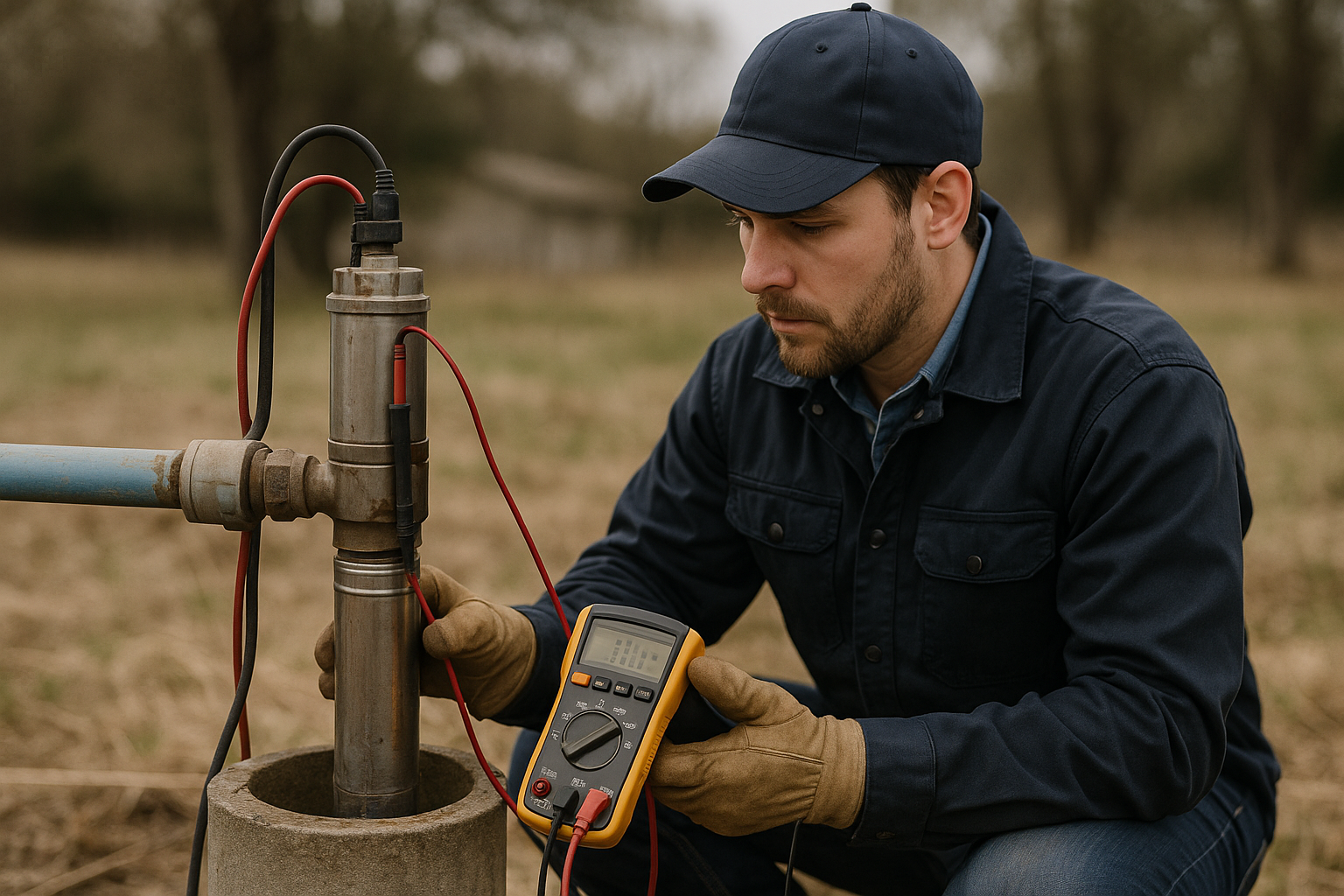
Low Water Pressure From Well: Complete Fix Guide
Diagnose and solve low pressure problems
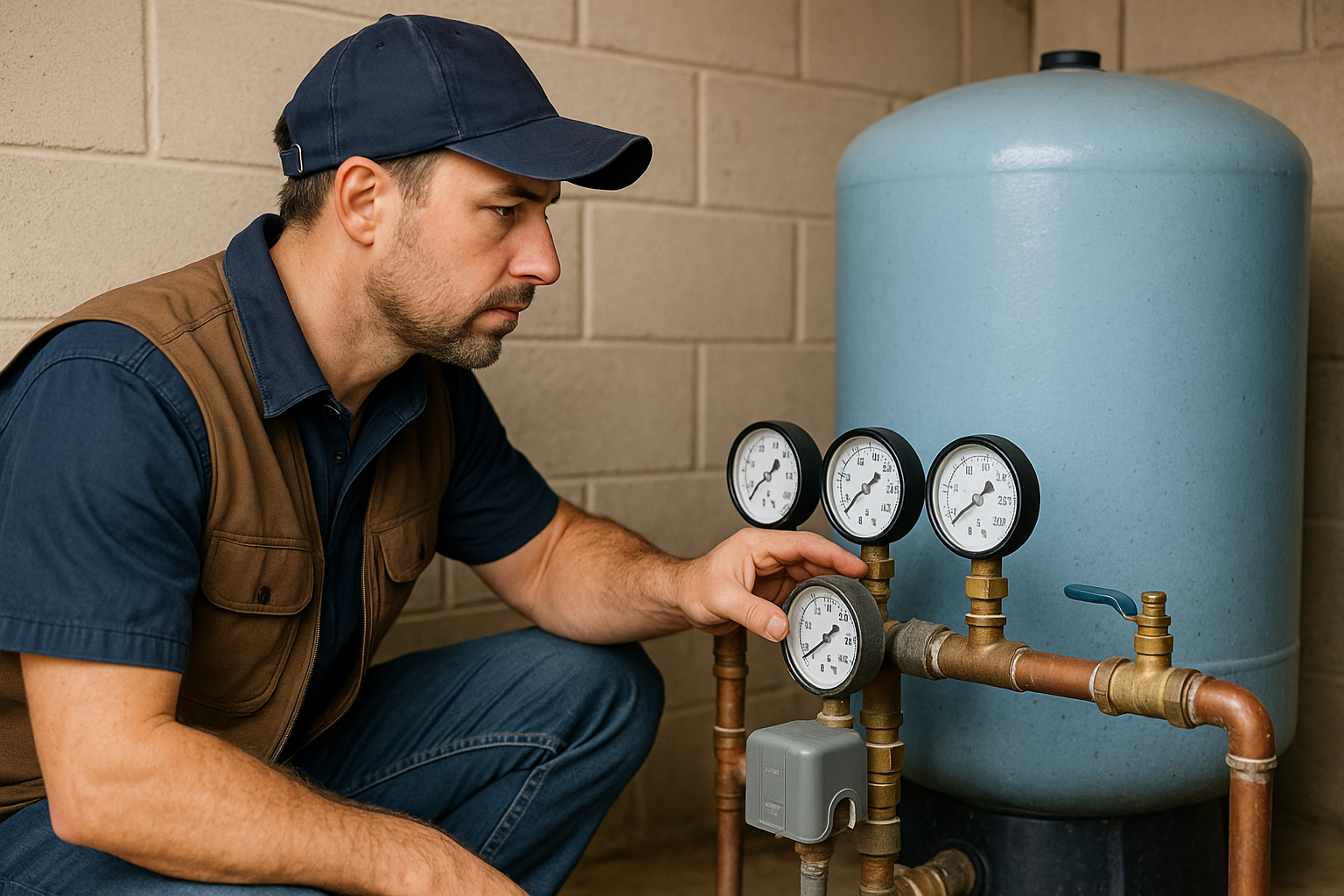
Well Pressure Switch: Settings, Adjustment & Replacement
Everything about pressure switches
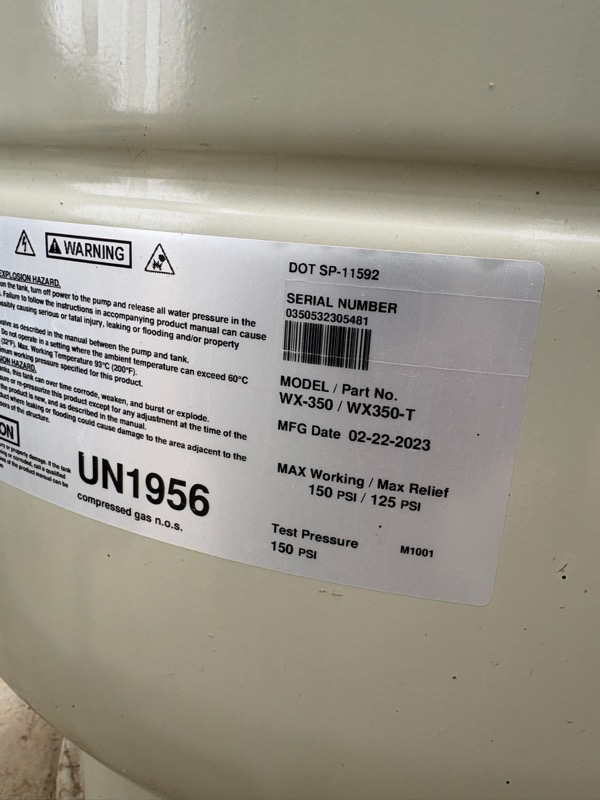
Pressure Tank Maintenance: Complete Guide
Keep your pressure tank working properly
Need Help Sizing Your Pressure Tank?
Our technicians properly size and install pressure tanks throughout San Diego, Riverside, and Imperial Counties. We'll evaluate your pump, usage, and goals to recommend the right tank.