SC By SCWS Team | February 4, 2026 | 10 min read
Well Pump Humming But Not Working?
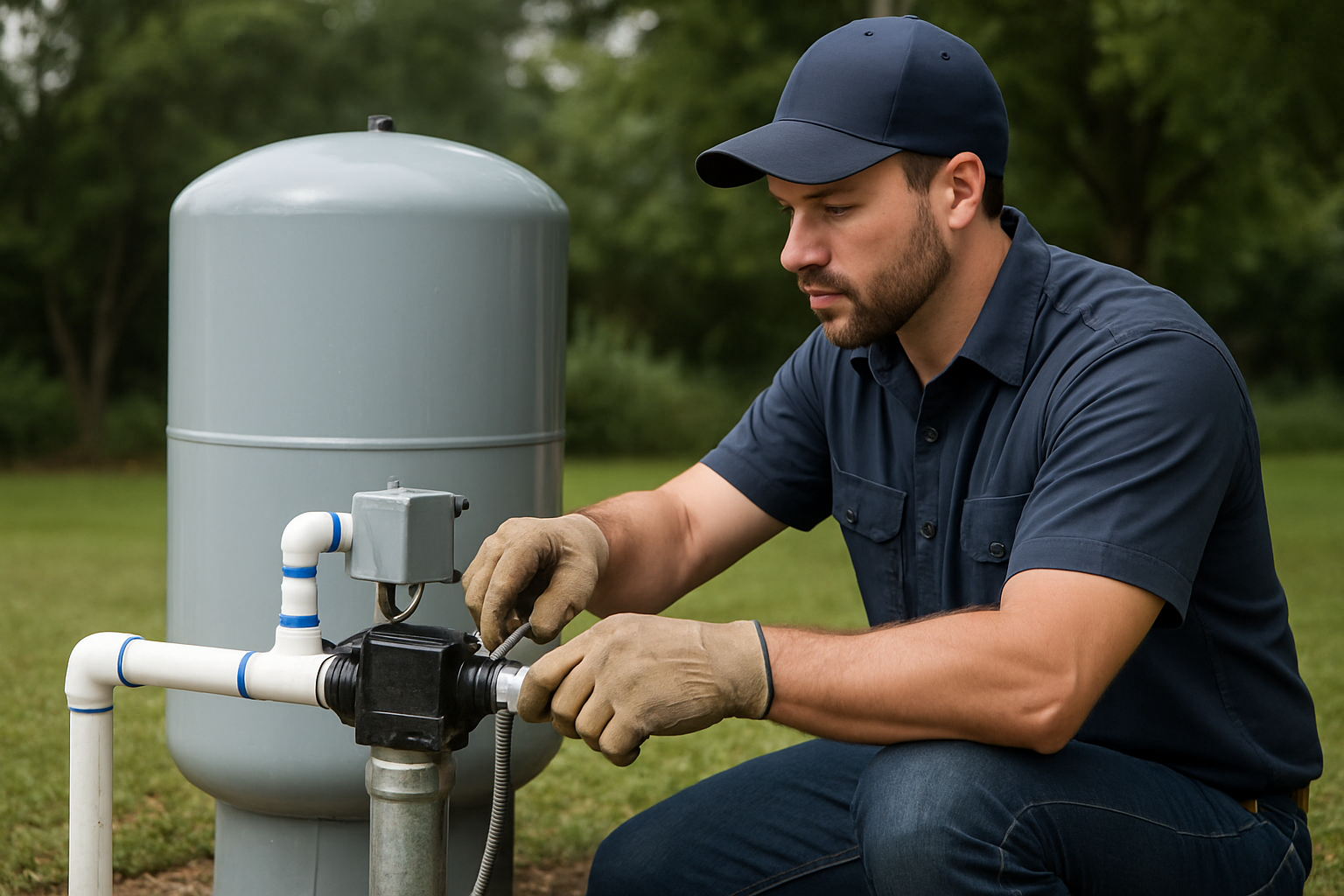
Hearing a humming or buzzing noise from your well pump but getting no water? This is one of the most common well pump problems we encounter—and it's urgent. A pump that hums but doesn't run is drawing high amperage and can burn out within minutes. This guide explains what's happening, the most likely causes, and what you should do right now.
🚨 Turn Off Your Pump Immediately!
If your well pump is humming but not running, turn off the breaker NOW. A stalled motor draws 5-7x normal amperage and can overheat within minutes, causing permanent damage to the motor windings. Don't reset the breaker repeatedly—this makes damage worse.
What the Humming Sound Means
When you hear your well pump humming but not pumping water, here's what's happening inside:
- The motor receives electricity and the windings energize
- The magnetic field tries to spin the rotor
- Something is preventing the rotor from turning
- The energized windings create the "hum" or "buzz" you hear
- Without rotation, there's no cooling—heat builds rapidly
This condition is called a "locked rotor" state, and it's an emergency for your pump's health.
Common Causes of a Humming Well Pump
Several issues can prevent a well pump from starting while it hums:
1. Failed Start Capacitor
Single-phase pump motors need a capacitor to create the phase shift that starts rotation. When it fails:
- Motor hums but can't start spinning
- May start if "bump started" manually
- Capacitor may appear bulged or leaking
Fix: Replace capacitor ($50-$150)
2. Seized Pump Motor
Motor bearings can seize from wear, water intrusion, or overheating:
- Motor physically can't turn
- Often happens after extended periods of non-use
- Common in older pumps
Fix: Pump replacement required
3. Stuck Impeller
Debris, sand, or mineral scale can jam the impeller:
- Sand accumulation in well
- Calcium/iron scale buildup
- Foreign object in pump
Fix: May be cleanable or need replacement
4. Low Voltage
Insufficient voltage prevents motor from developing enough torque:
- Long wire runs with voltage drop
- Utility voltage problems
- Corroded or loose connections
Fix: Repair electrical issues ($100-$500)
5. Bound Check Valve
A stuck check valve can create backpressure the pump can't overcome:
- Valve stuck closed from debris
- Mineral deposits binding valve
- Water hammer damage
Fix: Replace check valve ($100-$300)
6. Control Box Problems
Issues in the control box affect motor starting:
- Bad relay/contactor
- Failed start winding circuit
- Damaged motor protector
Fix: Repair or replace components ($100-$400)
Troubleshooting Steps
Before calling for service, there are some safe checks you can do:
Step 1: Turn Off the Power
CRITICAL: Before doing anything else, turn off the circuit breaker for your well pump. This prevents further damage to the motor.
- Locate your electrical panel
- Find the breaker labeled "Well" or "Well Pump"
- Switch it to the OFF position
- For submersible pumps, also turn off the disconnect at the well head if present
Step 2: Check the Obvious Things
- Has the breaker tripped? If yes, the pump drew too much current. Don't reset it repeatedly—this causes more damage.
- Is there power to the pump? Check for a tripped GFCI outlet or other upstream electrical issues.
- What changed recently? Power outage, storm, construction, or other events can indicate the cause.
- How long has it been humming? Minutes vs. hours of humming affects repair vs. replacement decisions.
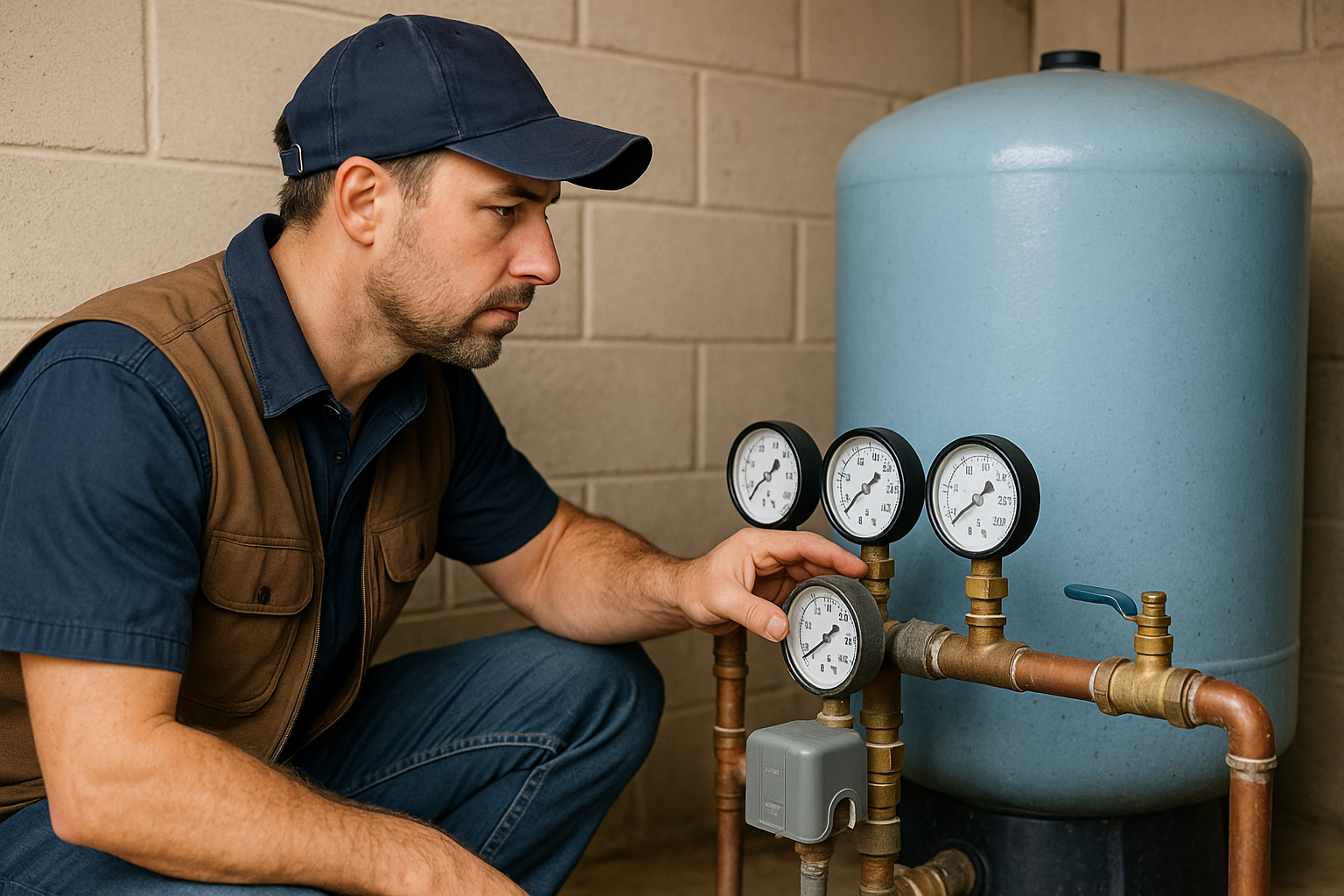
Step 3: Inspect the Control Box (If Applicable)
⚠️ Electrical Safety Warning
Only proceed if you're comfortable with electrical systems. Control boxes contain capacitors that can hold a charge even when power is off. If unsure, call a professional.
For submersible pumps with a control box:
- Look for burn marks or a burning smell
- Check if the capacitor appears bulged, cracked, or leaking
- Look for loose or corroded wire connections
- Check that all wires are securely attached
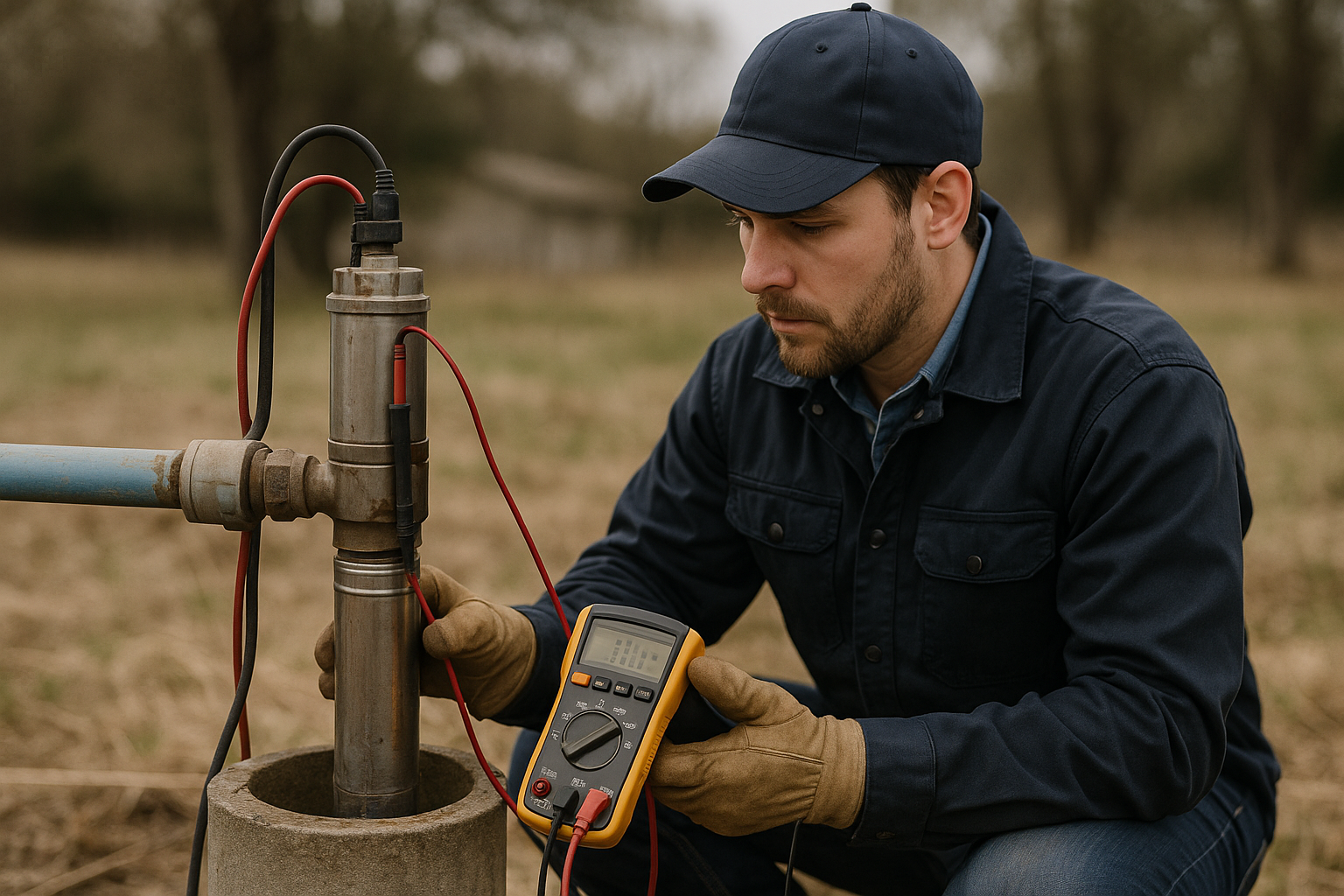
Step 4: Check Voltage (If You Have a Multimeter)
With power ON (be careful!), check voltage at the pressure switch or control box:
- 230V systems: Should read 220-240V between hot leads
- 115V systems: Should read 110-120V between hot and neutral
- Voltage below 10% of rated can prevent starting
- Check while pump is trying to start (with someone listening at the well)
Step 5: For Jet Pumps—Try a Manual Start
If you have an above-ground jet pump (not a submersible), you may be able to manually verify a seized motor:
- Ensure power is OFF at the breaker
- Try to turn the motor shaft by hand (there may be a fan blade on the back)
- If the shaft won't turn or turns with great difficulty, the motor is likely seized
- If it turns freely, the capacitor may be the issue
When to Call a Professional
Most humming pump situations require professional service. Call immediately if:
🔧 Submersible Pump
Requires pulling pump from well—specialized equipment and expertise needed
⚡ Electrical Uncertainty
Working with 230V can be deadly—don't risk it if you're not qualified
🔥 Burning Smell
Indicates motor damage has occurred—needs professional assessment
🔄 Repeated Tripping
If breaker keeps tripping, stop resetting it—you're causing more damage
Repair Costs for Humming Well Pumps
Here's what you can expect to pay depending on the diagnosis:
| Problem | Repair | Cost Range |
|---|---|---|
| Bad capacitor | Replace capacitor | $50 - $150 |
| Low voltage/wiring | Repair connections | $100 - $500 |
| Control box components | Replace relay/contactor | $150 - $400 |
| Jet pump motor seized | Replace motor or pump | $300 - $800 |
| Submersible pump seized | Pull & replace pump | $1,500 - $3,500 |
| Service call/diagnosis | Professional assessment | $75 - $150 |
For more detailed pricing, see our complete guide to well pump replacement costs.
Preventing Future Pump Problems
While some failures are unavoidable, these practices can extend pump life:
✅ Install Surge Protection
Lightning and power surges damage capacitors and motor windings
✅ Cycle Timer
Prevents rapid cycling that stresses motor and bearings
✅ Annual Inspection
Catch electrical issues before they cause failures
✅ Proper Sizing
Oversized breakers don't protect the motor properly
Difference Between Humming, Buzzing & Clicking
The specific sound can help diagnose the problem:
🔊 Steady Humming
Motor energized but shaft not turning—seized motor, bad capacitor, or stuck impeller
🔊 Buzzing with Clicking
Relay or contactor trying to engage but failing—control box or voltage issue
🔊 Clicking Only (No Hum)
Pressure switch activating but no power reaching motor—wiring, relay, or switch problem
🔊 Brief Hum Then Nothing
Overload protector tripping—motor drawing too much current due to mechanical issue
For other pump sounds and what they mean, see our guide on well pump noises and their causes.
Frequently Asked Questions
Why is my well pump humming but not pumping water?
A humming well pump that won't run typically indicates the motor is trying to start but can't. Common causes include: seized motor bearings, failed start capacitor, low voltage to the pump, stuck impeller from debris or scale, bound pump shaft, or electrical issues in the control box. The humming is the motor coils energizing without the rotor turning.
Can I fix a humming well pump myself?
Some issues like a tripped breaker or bad capacitor can be DIY repairs if you're comfortable with electrical work. However, most humming pump problems require professional diagnosis. For submersible pumps, the pump must be pulled from the well—a job that typically requires specialized equipment and expertise. Attempting repairs without proper knowledge can cause further damage or safety hazards.
How long can a well pump hum before it's damaged?
Turn off a humming pump immediately. When a motor hums but doesn't turn, it draws high amperage (locked rotor amps) which rapidly generates heat. Within minutes, this can permanently damage motor windings. If your pump has been humming for more than a few minutes, internal damage may have already occurred.
What does it cost to fix a humming well pump?
Repair costs depend on the cause: a new capacitor costs $50-$150 installed, while a seized submersible pump requires replacement at $1,500-$3,500 including the service call to pull and reinstall. Jet pump motor replacement runs $300-$800. A professional diagnosis typically costs $75-$150 for a service call.
How do I know if my well pump capacitor is bad?
Signs of a bad pump capacitor include: pump hums but won't start, pump starts slowly or struggles to get going, pump motor runs hot, capacitor appears bulged or leaking, or a burning smell from the control box. Capacitors can be tested with a multimeter if you have electrical experience—look for readings within 10% of the rated microfarads.
Will a humming pump trip the breaker?
Often yes. A humming pump draws locked rotor amperage, which is 5-7 times normal running amps. This high current draw should trip a properly sized breaker within seconds to minutes. If your breaker keeps tripping when the pump tries to start, this is actually a safety feature protecting the motor from burning up.
Well Pump Humming? Get Expert Help Fast
Don't let a humming pump turn into a burned-out motor. Southern California Well Service provides fast diagnosis and repair throughout San Diego and Riverside Counties. Our technicians carry common parts like capacitors and control boxes for same-day repairs when possible.