
Well Pump Vibration & Cracked Pipes: Causes, Prevention & Repair
Protect your well system from vibration damage with proper installation and maintenance
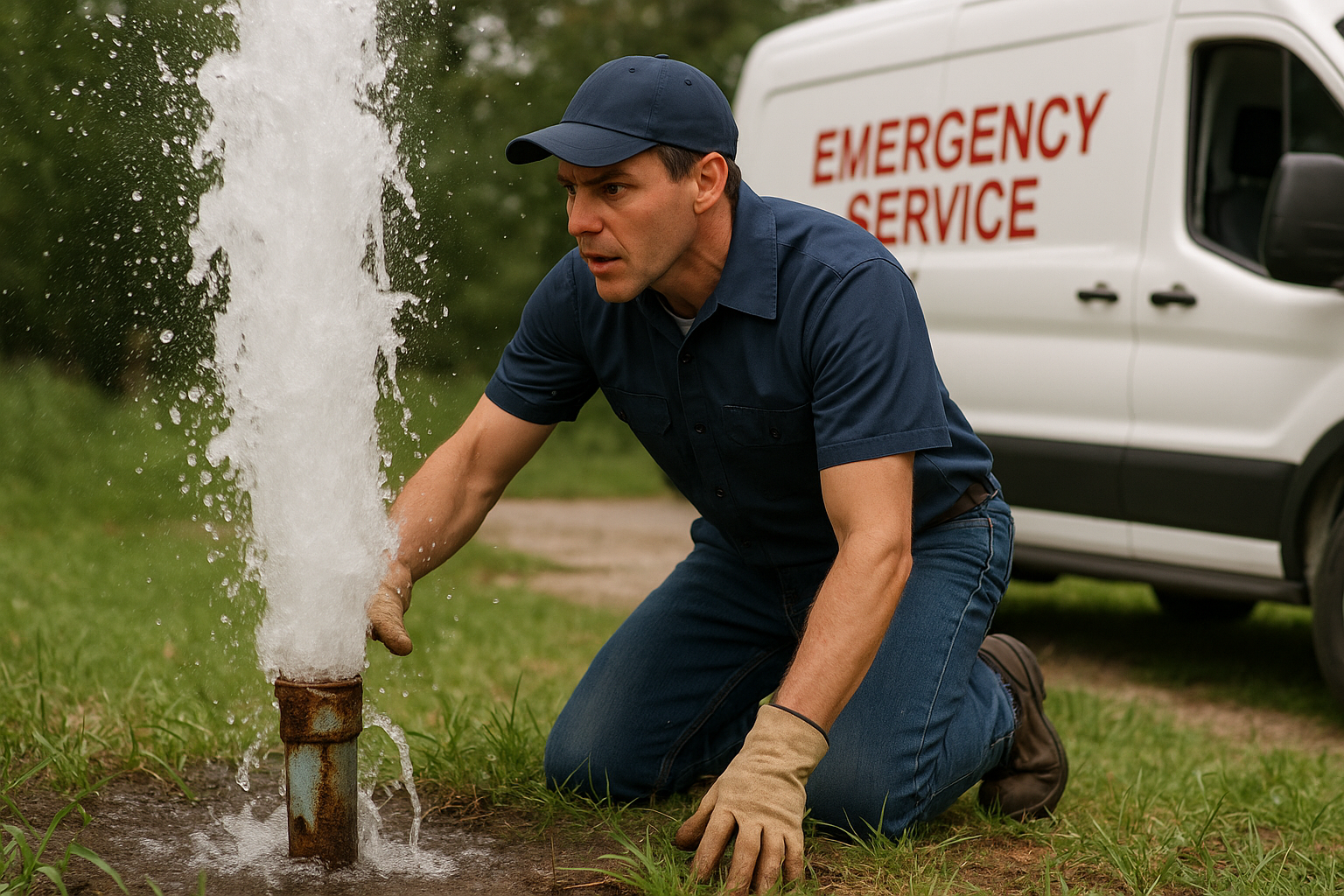
That rumbling or shaking you hear when your well pump runs isn't just annoying — it's actively damaging your plumbing. Well pump vibration is one of the leading causes of pipe failures, particularly at connection points, threaded joints, and rigid mounting areas. Left unchecked, vibration leads to stress fractures, cracked pipes, and eventually complete system failure.
The good news is that vibration damage is almost entirely preventable with proper installation and periodic maintenance. This guide explains why pumps vibrate, how vibration damages pipes, and what you can do to protect your well system.
Why Well Pumps Vibrate
All pumps generate some vibration during normal operation, but excessive vibration indicates a problem that will only get worse over time. Understanding the causes helps you address issues before they cause pipe damage.
1. Startup Torque (Normal But Damaging)
When a submersible pump motor starts, it generates significant rotational torque — the force that tries to spin the pump body in the opposite direction of the impeller. This is normal physics, not a defect, but if not properly managed, this startup torque:
- Twists the drop pipe with each pump cycle
- Creates stress at threaded connections
- Can rotate the entire pump assembly
- Causes cumulative fatigue damage over thousands of cycles
The deeper the pump, the more leverage this torque has on the drop pipe, making torque arrestors essential for deep wells.
2. Worn Bearings
Pump motor bearings wear over time, allowing the shaft to wobble slightly. This wobble translates into vibration that increases as bearings deteriorate further. Signs include:
- Vibration that's gotten progressively worse
- Grinding or whining sounds
- Increased power consumption
- Overheating (motor trips thermal overload)
See our guide on noisy well pumps for more on bearing issues.
3. Impeller Damage or Debris
A damaged impeller or debris caught in the impeller creates an imbalance that causes the pump to vibrate at operating speed. Causes include:
- Sand or grit wearing impeller vanes unevenly
- Stone or debris lodged in the pump
- Corrosion damage to impeller
- Cavitation erosion (more on this below)
4. Cavitation
Cavitation occurs when the pump tries to draw more water than the well can supply. Vapor bubbles form and collapse violently inside the pump, creating vibration plus a distinctive rattling or gravel-like sound. Causes include:
- Pump set too shallow (above water level)
- Pump oversized for well yield
- Dropping water table (especially during drought)
- Partially blocked intake screen
See our low-yield well guide for solutions.
5. Water Hammer
Water hammer is the shockwave created when water flow is suddenly stopped — like when a pump shuts off without a check valve, or when a faucet is closed quickly. Each hammer event:
- Sends a pressure spike through the pipes
- Creates pipe movement and stress
- Weakens connections over time
- Can crack PVC and fatigue metal pipes
See our detailed water hammer guide for prevention methods.
6. Improper Mounting (Above-Ground Components)
Above-ground well components (pressure tanks, piping, jet pumps) need proper support and isolation:
- Unsupported pipes: Vibration amplifies without proper brackets
- Rigid mounting: Pipes need some flex; completely rigid mounting transfers vibration
- Missing vibration isolators: Jet pumps should be on rubber mounts
- Loose brackets: Pipes that can move will fatigue at mount points
| Vibration Cause | Sound Characteristics | Timing | Solution |
|---|---|---|---|
| Startup torque | Thump or jolt at startup | First 1-2 seconds | Torque arrestors |
| Worn bearings | Grinding, whining | Continuous when running | Replace pump |
| Impeller damage | Vibration, reduced flow | Continuous when running | Replace pump |
| Cavitation | Rattling, gravel sound | High flow demand | Lower pump or reduce flow |
| Water hammer | Banging, thumping | Pump off or valve close | Arrestors, check valves |
| Loose mounting | Rattling, buzzing | When running | Secure or add supports |
How Vibration Damages Pipes
Vibration damage doesn't happen instantly — it's the result of cumulative stress over thousands of pump cycles. Understanding the failure modes helps you spot problems before catastrophic failure.
Metal Fatigue
Every vibration cycle flexes the pipe material slightly. Over thousands (or millions) of cycles, this creates microscopic cracks that gradually propagate. Metal fatigue failures typically occur at:
- Threaded connections: Threads act as stress risers
- Welds: Heat-affected zones are weaker than base metal
- Support points: Where pipes are clamped or bracketed
- Bends and elbows: Stress concentrates at direction changes
PVC Stress Cracking
PVC pipe doesn't fatigue like metal but develops stress cracks under cyclic loading. These typically appear as:
- Hairline cracks along the pipe length
- Splits at glued joints
- Cracking at clamp points
- Failure at repair couplings (where pipe is already weakened)
Joint Loosening
Vibration gradually loosens threaded connections, compression fittings, and even glued joints. Signs include:
- Water seeping at connections
- Air getting into the system
- Fittings that feel loose when touched
- Pipe sections that have shifted position
Drop Pipe Failure Points
The drop pipe (also called riser pipe) connecting the submersible pump to the surface is particularly vulnerable because:
- It's directly attached to the vibration source (the pump)
- Each joint accumulates startup torque stress
- The weight of the pipe and pump adds static stress
- Access for inspection and repair is difficult
Preventing Vibration Damage
Prevention is far cheaper than repair. Here's how to protect your well system from vibration damage:
1. Install Torque Arrestors
Torque arrestors (also called torque stops) are rubber or polymer devices that fit around the drop pipe and brace against the well casing. They:
- Absorb startup torque that would otherwise twist the pipe
- Center the drop pipe in the casing
- Prevent the pump from spinning
- Reduce pipe wear against the casing wall
Installation guidelines:
- First arrestor: 10-15 feet above the pump
- Additional arrestors: Every 100-200 feet of depth
- Size must match both drop pipe OD and casing ID
- Replace if damaged when pulling the pump
Cost: $15-30 each. See our torque arrestor guide for detailed information.
2. Use Check Valves
Check valves prevent water from flowing backward when the pump stops, which:
- Eliminates water hammer from backflow
- Maintains prime in the system
- Reduces pump cycling
- Prevents the pump from spinning backward
Most submersible pump installations include a check valve at the pump plus one at the surface. Jet pump systems may need additional check valves.
3. Proper Pipe Support
Above-ground piping needs proper support to prevent vibration damage:
- Support horizontal runs every 4-6 feet
- Use rubber-lined clamps (not rigid metal-to-metal)
- Allow some movement — don't over-constrain
- Support heavy components (pressure tank, filter housings) independently
4. Water Hammer Arrestors
Install water hammer arrestors at:
- The pressure tank (absorbs pump cycling shock)
- Washing machine connections
- Any quick-closing valves (dishwasher, irrigation solenoids)
5. Flexible Connections
Use flexible connections where vibration is transmitted:
- Flexible connector between pitless adapter and horizontal pipe
- Braided supply lines to fixtures
- Rubber couplings at pump discharge (jet pumps)
6. Vibration Isolators
Jet pumps and booster pumps should be mounted on rubber vibration isolators, not bolted directly to concrete or framing. This prevents vibration from transmitting to the building structure and pipes.
Prevention Cost Summary
| Prevention Method | Cost | DIY Difficulty | Effectiveness |
|---|---|---|---|
| Torque arrestors (3-5) | $50-150 total | Requires pulling pump | Very high |
| Check valves | $30-100 each | Moderate | High |
| Pipe supports | $5-15 each | Easy | Moderate |
| Water hammer arrestors | $20-50 each | Easy | High |
| Flexible connections | $15-40 each | Easy-Moderate | Moderate |
| Vibration isolators | $20-60 set | Easy | Moderate |
Signs of Vibration Damage
Early detection of vibration damage can prevent expensive repairs. Watch for these warning signs:
Visual Signs
- Water stains: Around pipe connections or wellhead
- Mineral deposits: White/green crusty buildup at joints (indicates slow leak)
- Rust streaks: On steel pipes near connections
- Pipe movement: Visible shaking when pump runs
- Loose fittings: Connections that can be moved by hand
- Hairline cracks: On PVC pipe surfaces or joints
Performance Signs
- Air in water lines: Sputtering faucets indicate air entering through cracks
- Pressure drop: Gradual decrease in system pressure
- Pump short cycling: If water is leaking, the tank doesn't hold pressure
- Increased pump runtime: System can't maintain pressure
- Wet areas: Around wellhead or along buried pipe route
Audible Signs
- Banging: Water hammer from loose check valves
- Rattling: Loose pipes or fittings
- Hissing: Air escaping through crack
- Changed pump sound: Different pitch or vibration pattern
Repairing Vibration Damage
Once vibration has cracked a pipe, repair options depend on the location and extent of damage:
Above-Ground Pipe Repairs
Pipes between the wellhead and house are relatively easy to access and repair:
- Cracked fitting: Replace the fitting ($50-200)
- Cracked pipe section: Cut out and splice new section ($100-300)
- Multiple cracks: May indicate systemic problem — inspect entire run
Drop Pipe Repairs
Repairing or replacing drop pipe requires pulling the pump — a significant job:
| Well Depth | Pull & Reinstall Cost | Pipe Replacement | Total Estimate |
|---|---|---|---|
| 0-100 ft | $400-800 | $200-400 | $600-1,200 |
| 100-200 ft | $600-1,200 | $300-600 | $900-1,800 |
| 200-400 ft | $1,000-2,000 | $500-1,000 | $1,500-3,000 |
| 400+ ft | $1,500-3,000+ | $800-1,500+ | $2,300-4,500+ |
When pulling the pump for repairs, also:
- Inspect all drop pipe joints
- Replace worn torque arrestors (or add them if missing)
- Check pump for bearing wear or damage
- Inspect and replace check valves if needed
- Consider upgrading to poly pipe if using steel
Repair vs. Replace Decision
If vibration has damaged multiple joints or the pump is more than 10 years old, it often makes sense to replace rather than repair:
- Single cracked joint, pump in good condition: Repair
- Multiple damaged joints: Replace all drop pipe
- Pump showing wear: Replace pump and drop pipe together
- Recurring problems: Investigate root cause (sizing, installation)
Drop Pipe Material: Steel vs. Poly
If you're replacing drop pipe, consider the material choice:
Steel (Galvanized or Black)
- Pros: Strong, resists crushing, traditional choice
- Cons: Heavy, corrodes internally, threads weaken over time
- Vibration susceptibility: Higher — metal fatigue at threads
Poly (HDPE/PE)
- Pros: Lightweight, flexible, doesn't corrode, absorbs vibration
- Cons: Can collapse in deep wells without stiffeners, requires special fittings
- Vibration susceptibility: Lower — flex absorbs stress
Poly pipe has become the standard for most residential wells because it better tolerates vibration and eliminates threading-related failures. See our drop pipe selection guide.
When to Call a Professional
While some pipe repairs are DIY-friendly, certain situations require professional help:
Call a Professional For:
- Any drop pipe repairs (requires pulling the pump)
- Recurring pipe failures (indicates root cause issue)
- Severe vibration you can't identify
- Wet areas around the wellhead
- Pump making new or unusual sounds
- Water quality changes accompanying vibration
DIY-Appropriate:
- Adding pipe supports
- Installing water hammer arrestors
- Tightening accessible connections
- Replacing above-ground fittings
- Adding vibration isolators to jet pumps
Vibration Damage? We Can Help
From diagnosis to repair to prevention — SCWS handles all aspects of well pipe service.
Call SCWS: (760) 440-8520
Pipe repair • Pump service • Torque arrestor installation • San Diego County
Frequently Asked Questions
Why does my well pump vibrate excessively?
Excessive pump vibration is typically caused by worn bearings, impeller damage, cavitation from low water levels, improper pump sizing, loose mounting, or debris in the pump. The startup torque of submersible pumps also creates rotational forces that cause vibration if not properly arrested with torque arrestors.
Can well pump vibration crack pipes?
Yes. Continuous vibration causes metal fatigue and stress fractures at connection points, threaded joints, and anywhere pipes are rigidly constrained. PVC pipes can develop hairline cracks, and steel pipes can crack at welds or threads. This often takes months or years but can be accelerated by improper installation.
What is a torque arrestor and do I need one?
A torque arrestor is a rubber or polymer device that fits around the drop pipe just above the pump. It cushions the rotational startup torque and prevents the pump from spinning and damaging pipes. Every submersible pump installation should include torque arrestors, typically installed every 100-200 feet of depth.
How do I know if my well pipes have vibration damage?
Signs include: water spraying from pipe connections during pump operation, reduced water pressure, air sputtering from faucets, wet spots around the wellhead, pump short-cycling, and gradually worsening performance. A camera inspection can identify hairline cracks not visible from outside.
How much does it cost to repair vibration-cracked pipes?
Repair costs depend on damage location and extent. Surface pipe repairs: $150-400. Drop pipe repairs require pulling the pump: $800-2,500+ depending on well depth. If multiple sections are damaged, replacing the entire drop pipe may be more cost-effective than repeated repairs.
Can I prevent vibration damage?
Yes. Install torque arrestors (every 100-200 ft), use check valves to prevent water hammer, properly support above-ground pipes with rubber-lined clamps, add water hammer arrestors, and use flexible connections where vibration occurs. Prevention costs are minimal compared to repair.
Should I use steel or poly drop pipe?
Poly (HDPE) pipe has become standard for most residential wells because it's lighter, doesn't corrode, and its flexibility absorbs vibration better than steel. Steel is still used for very deep wells or high-pressure applications, but poly reduces vibration-related failures significantly.
Related Articles
Continue learning about well maintenance and troubleshooting
10 Warning Signs Your Well Pump Is Failing
Recognize the early warning signs before complete failure
Well Pump Repair Guide: Common Issues & Solutions
Complete guide to diagnosing and repairing well pumps
Well Pump Replacement: Process, Cost & Timeline
Everything you need to know about pump replacement