
Why Your Well Water Pressure Is Low
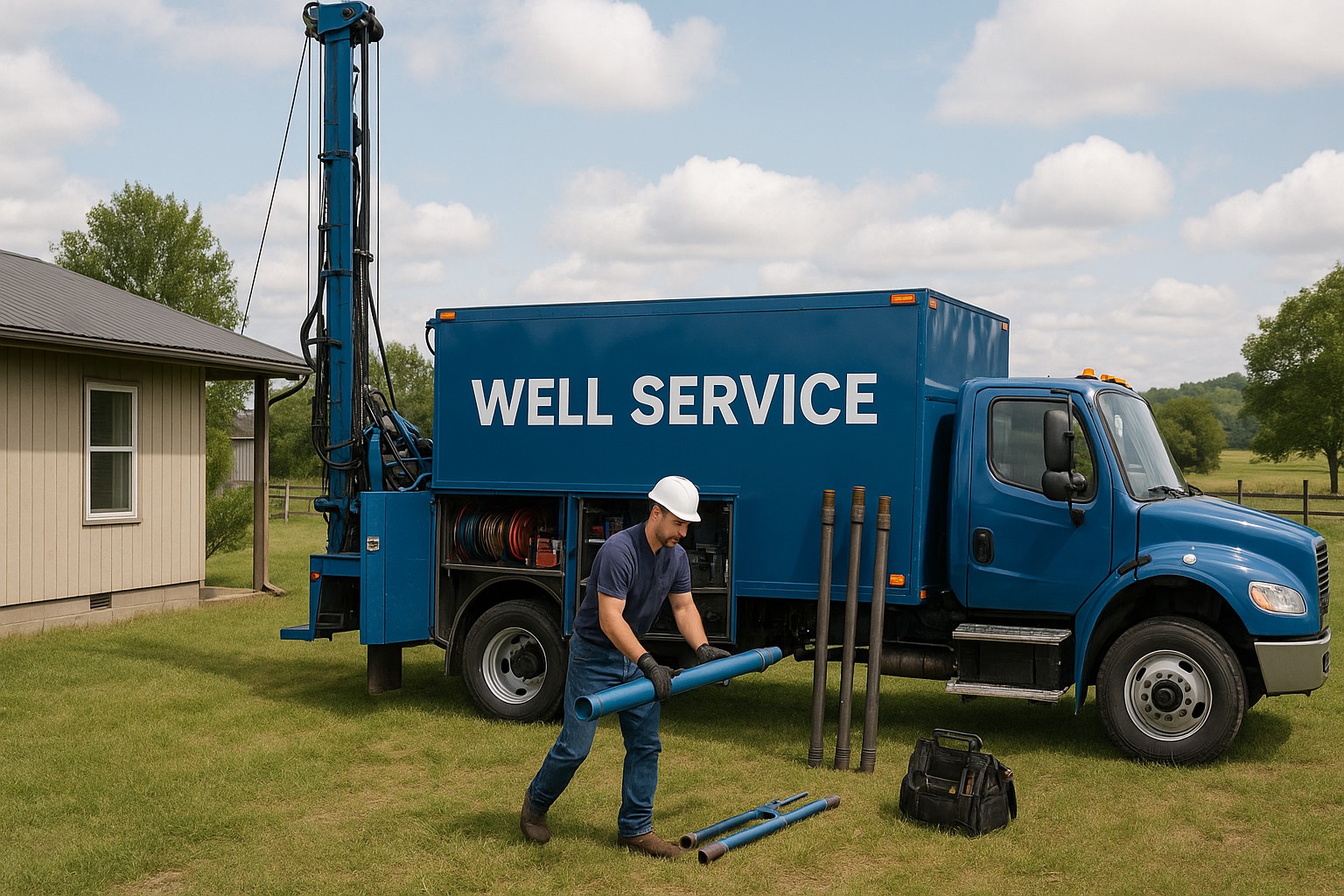
Experiencing this problem right now? Call us for immediate assistance.
Low water pressure is frustrating but rarely mysterious. Your well system has several components that affect pressure, and most low-pressure problems can be traced to specific issues. Before you assume the worst, let's work through the common causes systematically.
Common Causes
- Pressure Switch Setting: The simplest cause: your pressure switch may be set lower than desired. Standard settings are 30/50 or 40/60 PSI.
- Waterlogged Pressure Tank: When the bladder fails, the tank can't maintain pressure between pump cycles.
- Clogged Pipes or Filter: Sediment buildup, iron deposits, or a dirty filter restrict water flow.
- Partially Closed Valve: A gate valve that isn't fully open anywhere in the system reduces pressure.
- Weak or Failing Pump: Pumps lose capacity over time. A pump that's undersized for your needs also causes low pressure.
- Low Water Table: When the water level drops, the pump works harder to lift water, potentially reducing output.
Warning Signs to Watch For
- Weak flow from all fixtures
- Pressure drops when multiple fixtures run
- Slow fixture fill times
- Pump runs longer than it used to
- Pressure was fine but gradually decreased
- Problem worse at certain times of day
How to Fix This Problem
1. Check the Pressure Switch
Verify current settings and consider adjusting if appropriate. Most switches can be adjusted with a screwdriver.
2. Test the Pressure Tank
Check air pressure (should be 2 PSI below cut-in). If water comes from the air valve, the tank needs replacement.
3. Inspect and Replace Filters
A clogged sediment filter is a common, easy fix. Check whole-house filters and any point-of-use filters.
4. Check All Valves
Walk the system and confirm all valves are fully open. Gate valves can be partially closed without appearing so.
5. Consider a Constant Pressure System
For homes with variable demand, a constant pressure pump maintains steady pressure regardless of use.
When to Call a Professional
While some minor issues can be addressed by homeowners, well system problems often require professional diagnosis. Call Southern California Well Service if:
- You're not comfortable working with electrical systems
- The problem persists after basic troubleshooting
- You notice multiple symptoms at once
- Your well is over 10 years old and hasn't been serviced
We offer same-day emergency service throughout San Diego, Riverside, and San Bernardino counties.
Frequently Asked Questions
What is normal well water pressure?
Most systems run between 30-60 PSI. The typical range is 40-60 PSI at the pressure tank.
How can I increase my well water pressure?
Adjust the pressure switch (within pump capacity), replace a waterlogged tank, clean filters, or consider a booster pump or constant pressure system.
Why did my well pressure drop suddenly?
Sudden drops often indicate a failed pressure tank, stuck valve, or broken pipe. Gradual decreases point to pump wear or accumulating restrictions.
Can I adjust my well pressure switch myself?
Yes, if you're comfortable with basic adjustments. Raising the pressure setting requires confirming your pump can deliver the higher pressure safely.
Need Help Now?
Southern California Well Service provides expert well pump repair and diagnostics. We've been solving well problems across Southern California since 2006.
Call (760) 440-8520 for ServiceRelated Articles
Continue learning about well maintenance and troubleshooting
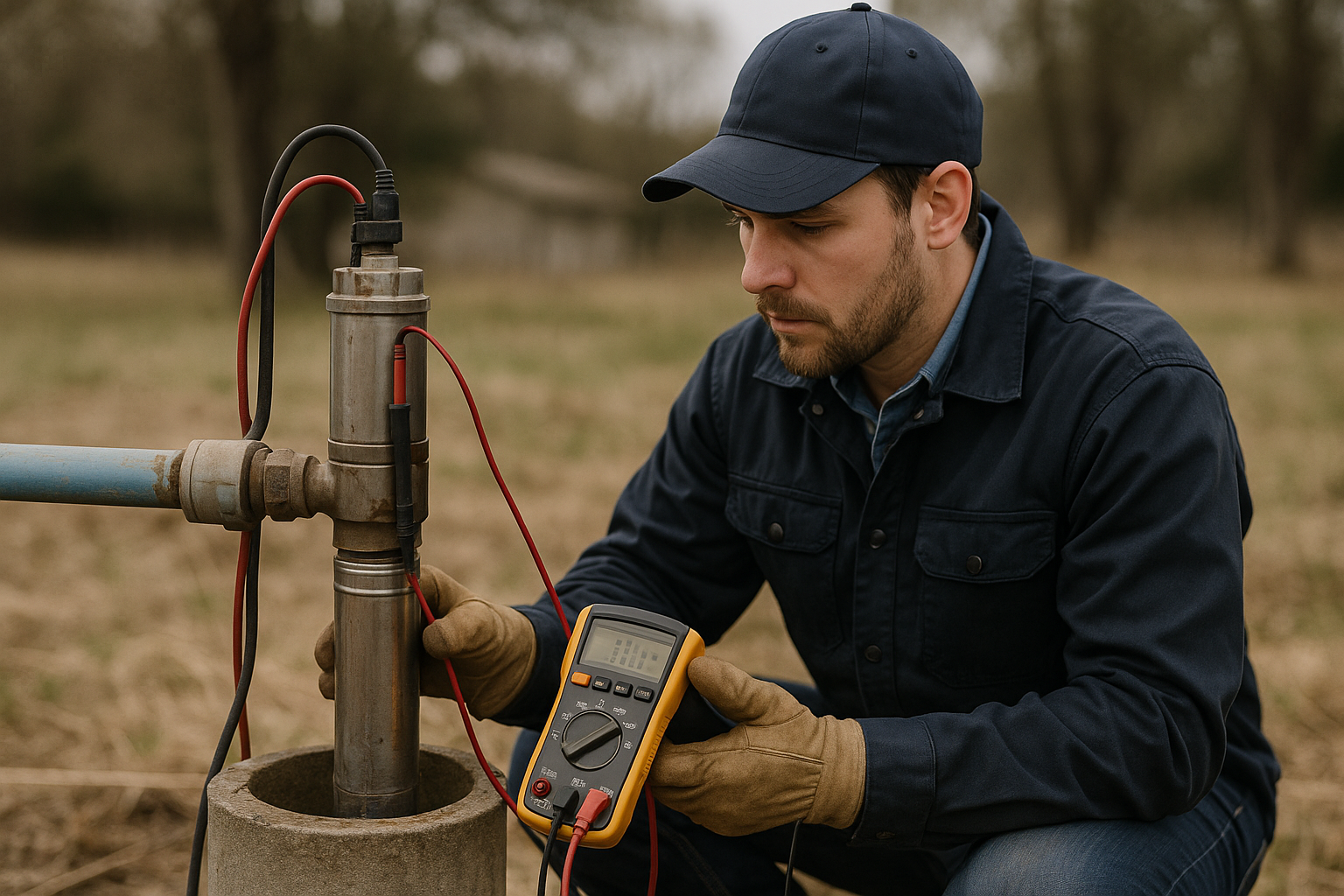
Low Water Pressure From Well: Complete Fix Guide
Diagnose and solve low pressure problems
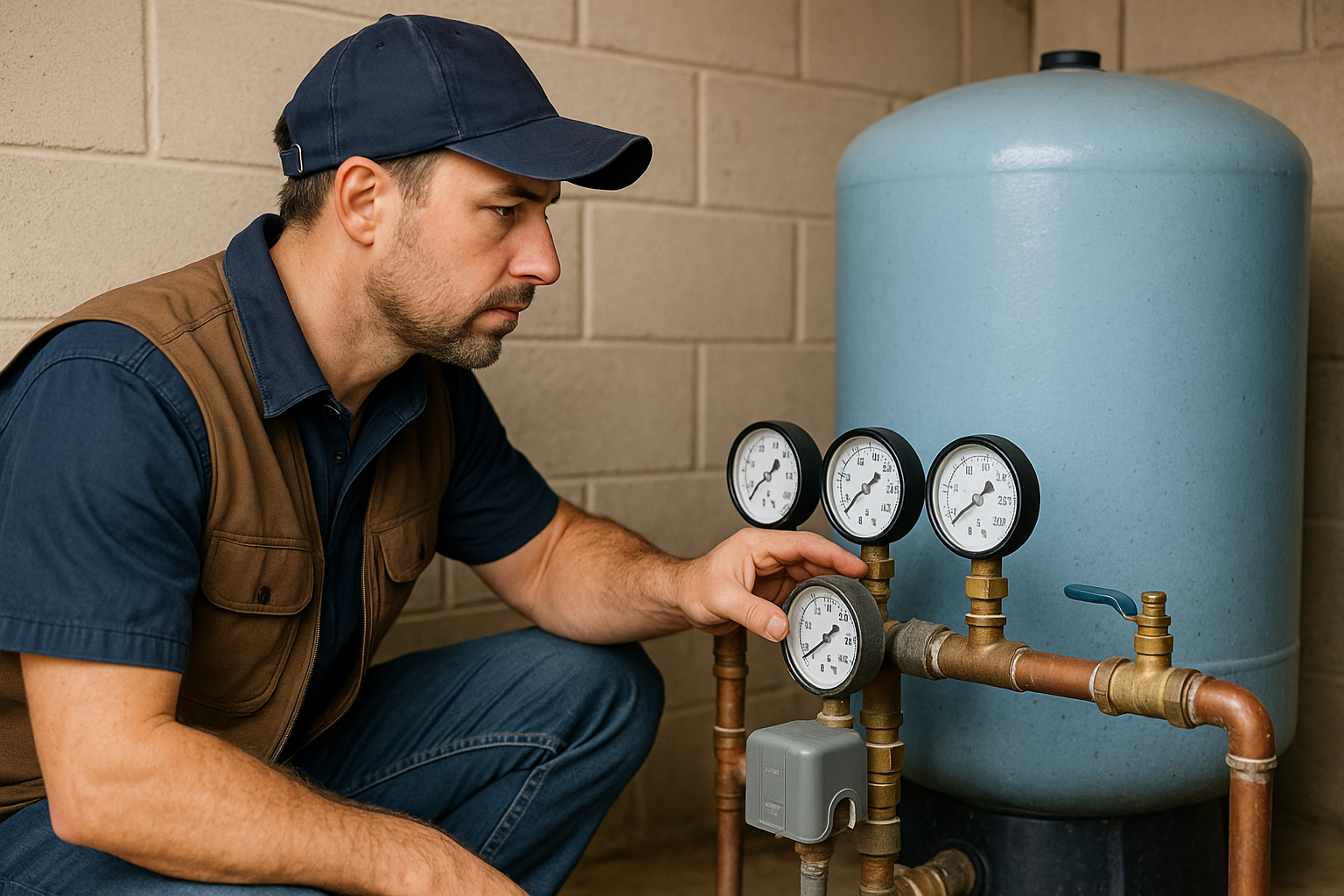
Well Pressure Switch: Settings, Adjustment & Replacement
Everything about pressure switches
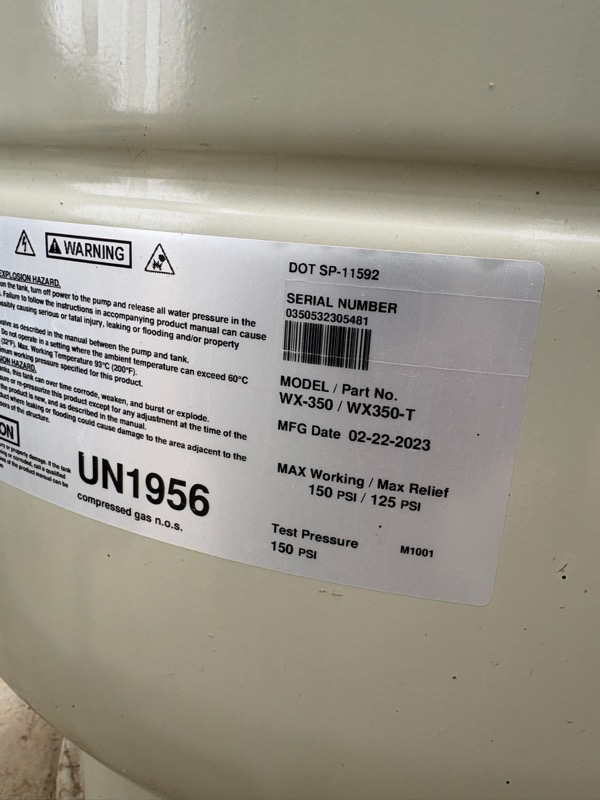
Pressure Tank Maintenance: Complete Guide
Keep your pressure tank working properly