
Different Water Pressure at Each Faucet – Diagnosing the Problem
When water pressure varies dramatically between different faucets in your home, the problem usually lies within your plumbing system rather than your well. While your well pump delivers water at a consistent pressure to your home, what happens after that depends on piping, fixtures, and obstructions along the way.
📋 In This Guide
Understanding why pressure differs from one fixture to another helps you identify quick fixes versus problems requiring professional attention.
Why Pressure Varies Between Fixtures
Clogged Aerators
The most common cause of low pressure at specific faucets is a clogged aerator – the small screen at the tip of the faucet. Well water often contains sediment, minerals, and debris that accumulate in aerators over time:
- Sediment and sand from the well
- Calcium and mineral buildup from hard water
- Rust particles from aging pipes
- Debris from water heater breakdown
Quick test: Remove the aerator and run the faucet. If flow improves dramatically, the aerator was the problem.
Partially Closed Valves
Individual fixture shutoff valves that aren't fully open restrict flow to that fixture only. This is common after plumbing work when valves aren't reopened completely, or when someone partially closes a valve intentionally and forgets.
Check under sinks and behind toilets for shutoff valves and ensure they're fully open (typically turned counterclockwise until they stop).
Pipe Size and Length
Fixtures farther from the pressure tank or fed by smaller diameter pipes naturally receive lower pressure:
Distance: Each foot of pipe creates friction that reduces pressure. Second-floor and distant fixtures lose more pressure than those near the water entry point.
Pipe diameter: Homes with mixed pipe sizes often have pressure variations. A half-inch supply line delivers less pressure than a three-quarter-inch line.
Pipe routing: Multiple elbows and fittings increase friction and reduce delivered pressure.
Corroded or Scaled Pipes
Older galvanized steel pipes accumulate scale and corrosion that progressively restricts water flow:
- Interior diameter shrinks as scale builds up
- Corrosion creates rough surfaces that increase friction
- Different sections may be more or less affected
- Problem worsens over time
This often causes pressure issues in older homes that worsen gradually.
Shower and Tub Issues
Showers commonly have lower pressure due to:
- Showerhead restrictions: Low-flow showerheads or mineral-clogged heads
- Mixing valve problems: Faulty pressure-balancing cartridges
- Flow restrictors: Factory-installed restrictors in showerheads
⚠️ Signs of Serious Problems
Sudden pressure loss at specific fixtures, combined with discolored water or unusual sounds, may indicate pipe failure. Contact a professional immediately.
Systematic Troubleshooting
Step 1: Map the Pressure Pattern
Document which fixtures have good versus poor pressure. Look for patterns:
- All upstairs fixtures low? Elevation issue
- One bathroom low, others fine? Branch line problem
- Hot water low everywhere? Water heater issue
- Random fixtures affected? Individual obstructions
Step 2: Check the Easiest Things First
Before calling a professional, check:
- Aerators: Remove, clean or replace, test flow without aerator
- Supply valves: Confirm fully open at affected fixtures
- Showerheads: Remove and check for mineral buildup, remove flow restrictors if desired
- Supply lines: Flexible supply hoses can kink or deteriorate internally
Step 3: Compare Hot vs. Cold
If hot water pressure is lower than cold throughout the house, the water heater or its connections are likely restricting flow. Check:
- Inlet and outlet valve positions
- Sediment buildup in the tank
- Heat trap nipples that may be partially blocked
Step 4: Trace the Plumbing
If basic checks don't reveal the problem, you may need to trace the supply line to affected fixtures looking for:
- Kinked flexible lines
- Corroded sections of pipe
- Improperly installed fittings
- Debris in valves
Solutions for Common Problems
For Clogged Aerators
Soak in white vinegar overnight to dissolve mineral deposits, or replace with new aerators (inexpensive and readily available).
For Hard Water Buildup
Install a water softener to prevent future buildup, and treat existing fixtures with descaling solutions.
For Corroded Pipes
Partial repiping of affected sections or whole-house repiping with copper or PEX provides permanent solutions.
For Pressure Balancing Issues
Replace mixing valve cartridges in showers and tub/shower combinations.
For Overall Low Pressure
Consider a booster pump if the well system cannot adequately serve distant or elevated fixtures.
When to Call a Professional
Contact a plumber or well specialist when:
- Multiple fixtures have pressure problems
- Troubleshooting doesn't identify the cause
- You suspect pipe corrosion or restriction
- Pressure changes are sudden or dramatic
- You want to explore repiping or booster pumps
- Hot water pressure is low throughout the home
Professional System Evaluation
SoCal Well Services can evaluate your entire water system and identify restrictions causing uneven pressure throughout your home.
Call now: (760) 440-8520
We service all major pump brands including Franklin Electric, Grundfos, Goulds (Xylem), and Sta-Rite (Pentair). Our trucks carry common parts and components for same-day repairs.
Frequently Asked Questions
Why does my kitchen sink have better pressure than my bathroom?
The kitchen is likely closer to the main water line with fewer bends and larger pipe diameter. Bathrooms farther from the water entry point naturally have lower pressure. Check for clogged aerators first.
Can I increase pressure to just one fixture?
You can sometimes improve flow by clearing obstructions, replacing supply lines with larger diameter, or removing flow restrictors. However, you can't increase pressure above what's available in the main line without a booster pump.
Why does my shower lose pressure when someone flushes the toilet?
This is a common pressure-balancing issue. The toilet's sudden water demand temporarily drops pressure in the line serving the shower. Pressure-balancing or thermostatic shower valves help, as does increasing pipe size to the bathroom.
Should I replace galvanized pipes?
Galvanized pipes typically last 40-50 years before corrosion significantly restricts flow. If you have galvanized pipes and experience multiple pressure issues, repiping with copper or PEX often resolves the problem and prevents future issues.
How often should I clean faucet aerators?
With well water, check aerators every 3-6 months. If you have hard water or sediment issues, monthly cleaning may be necessary. Keeping spare aerators allows quick replacement when cleaning isn't sufficient.
Related Articles
Continue learning about well maintenance and troubleshooting
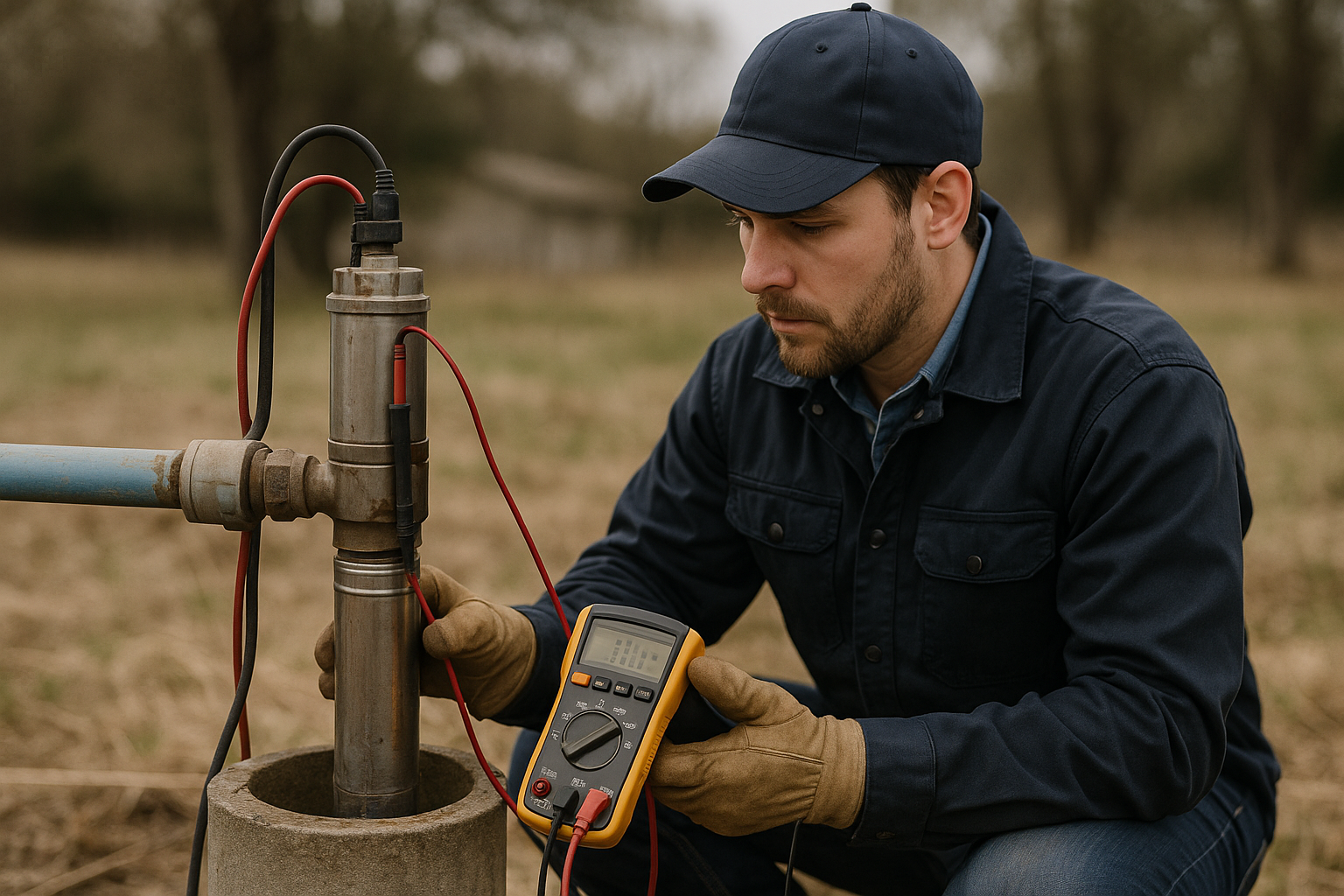
Low Water Pressure From Well: Complete Fix Guide
Diagnose and solve low pressure problems
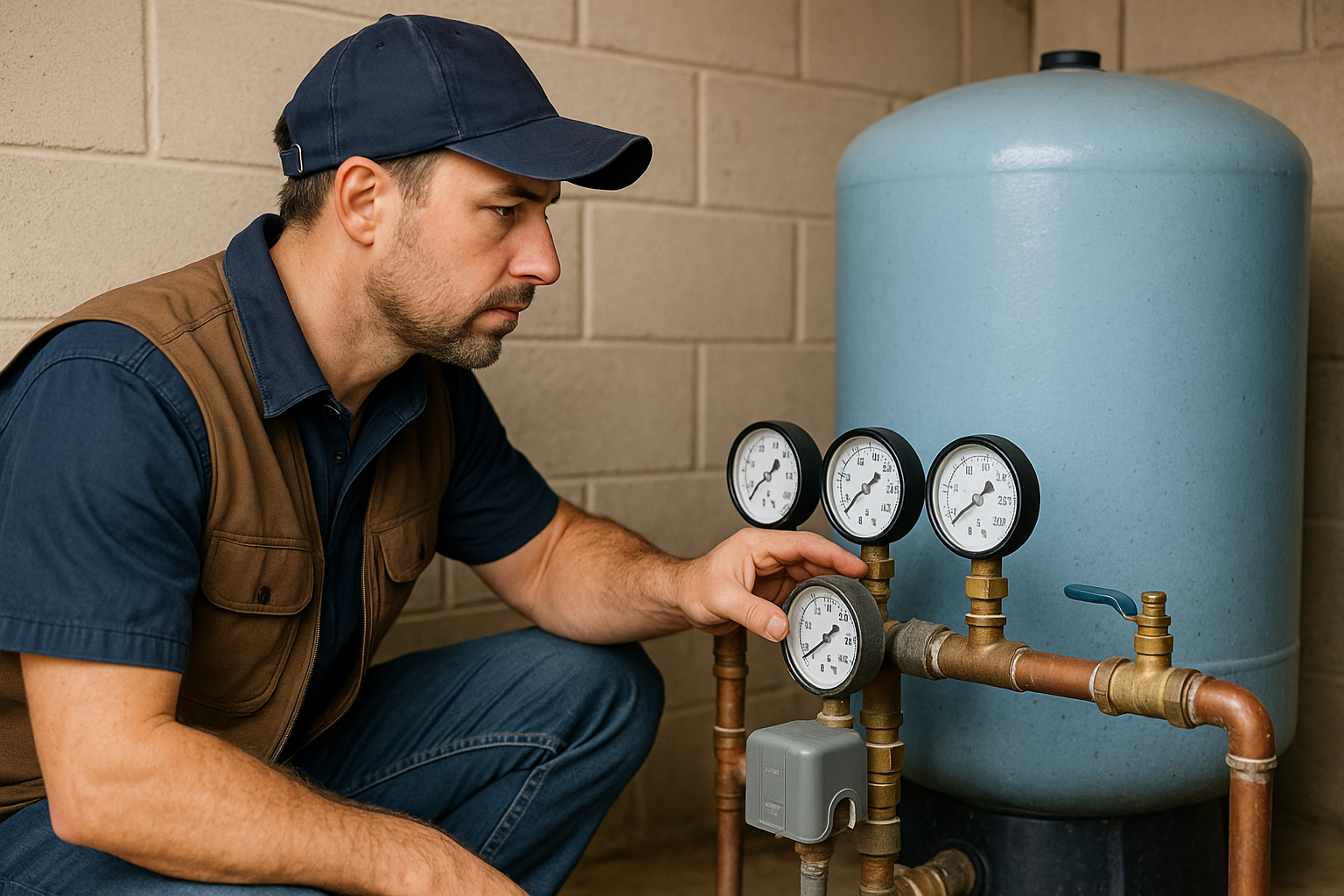
Well Pressure Switch: Settings, Adjustment & Replacement
Everything about pressure switches
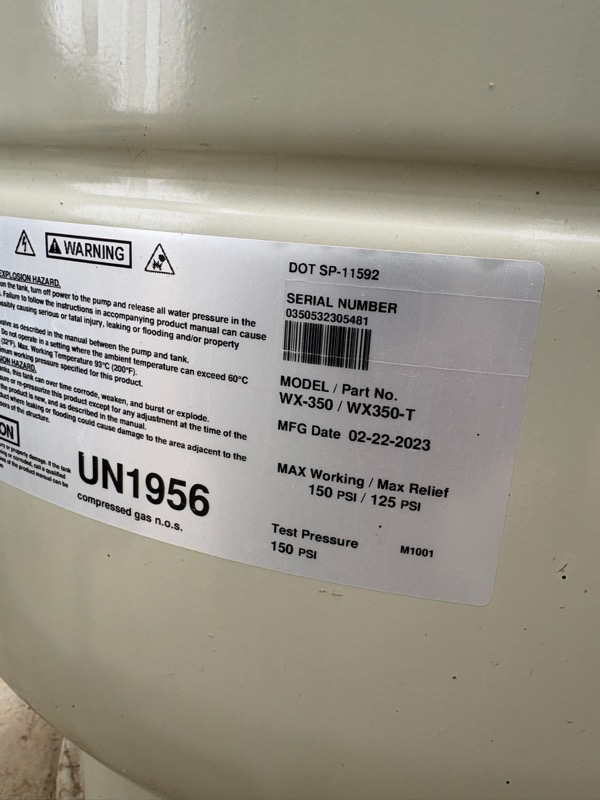
Pressure Tank Maintenance: Complete Guide
Keep your pressure tank working properly