
Well Water Pressure Low at Night - Causes & Solutions
Well Water Pressure Low at Night: What's Draining Your System?
You go to bed with normal water pressure, but when you wake up in the morning, pressure is noticeably low or your pump is running as soon as you turn on a faucet. This classic symptom points to one thing: water is leaving your system while you sleep. The challenge is finding where it's going.
Why Pressure Drops Overnight
During the day, regular water use triggers your pump to cycle and maintain pressure. At night, water use typically stops—so your pressure tank should maintain pressure until morning. When pressure drops overnight, something is draining water from the system.
Think of it like a slow leak in a car tire: you might not notice it during the day because you're periodically adding air, but leave it sitting overnight and it's flat in the morning.
Common Causes of Nighttime Pressure Loss
1. Leaking Toilet Flapper
The number one culprit. A worn toilet flapper allows water to silently trickle from the tank into the bowl. The fill valve periodically replenishes the tank, creating small water demands throughout the night. This keeps pressure low and may cause your pump to cycle.
Test: Add food coloring to toilet tanks before bed. If color appears in the bowl by morning, the flapper is leaking.
2. Failing Check Valve
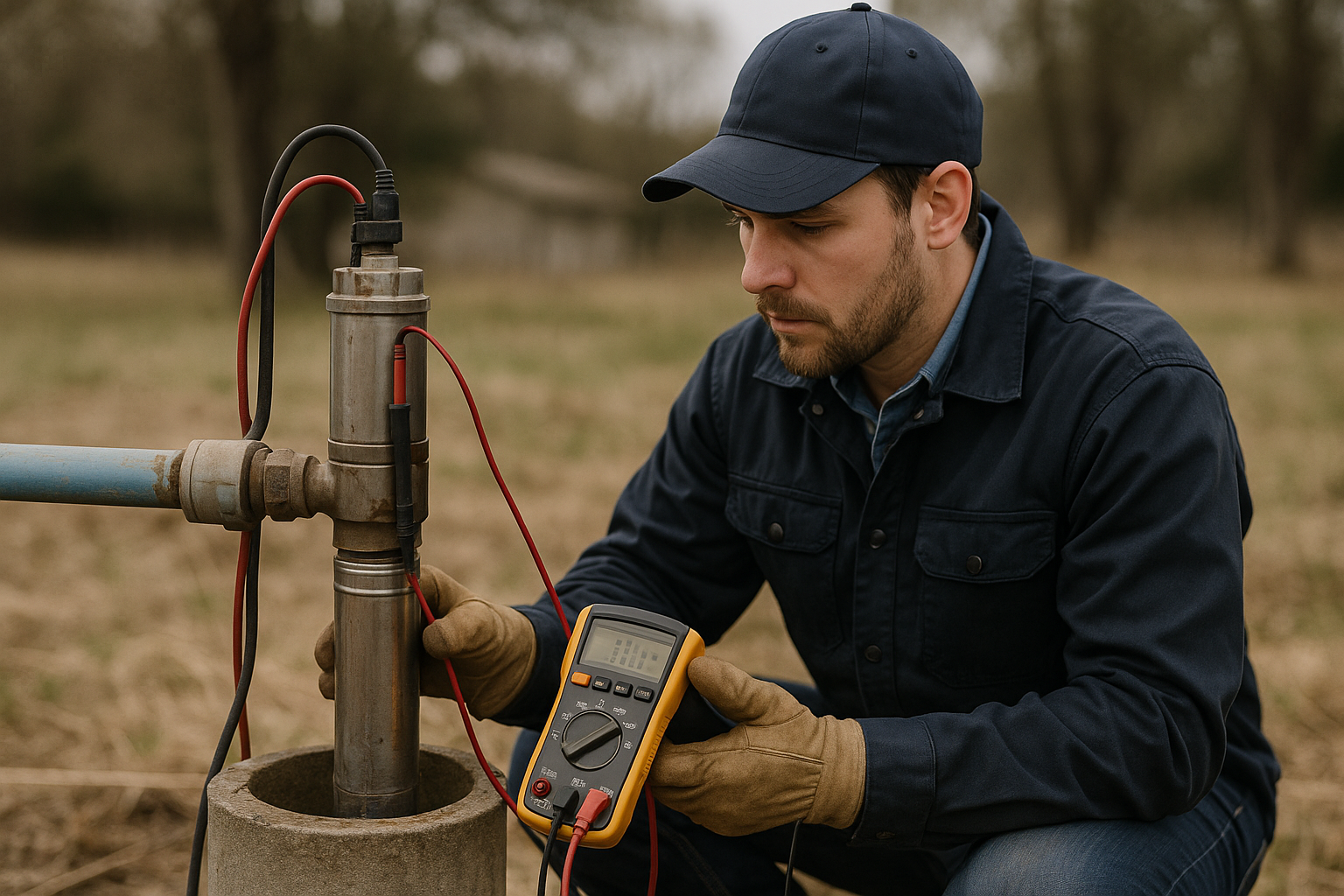
The check valve prevents water from draining back into the well when the pump stops. If it fails, water slowly siphons back, pressure drops, and your pump has to re-pressurize the system when you wake up.
Signs: Pump runs immediately upon first water use each morning. Air spurts from faucets initially.
3. Pressure Tank Bladder Leak
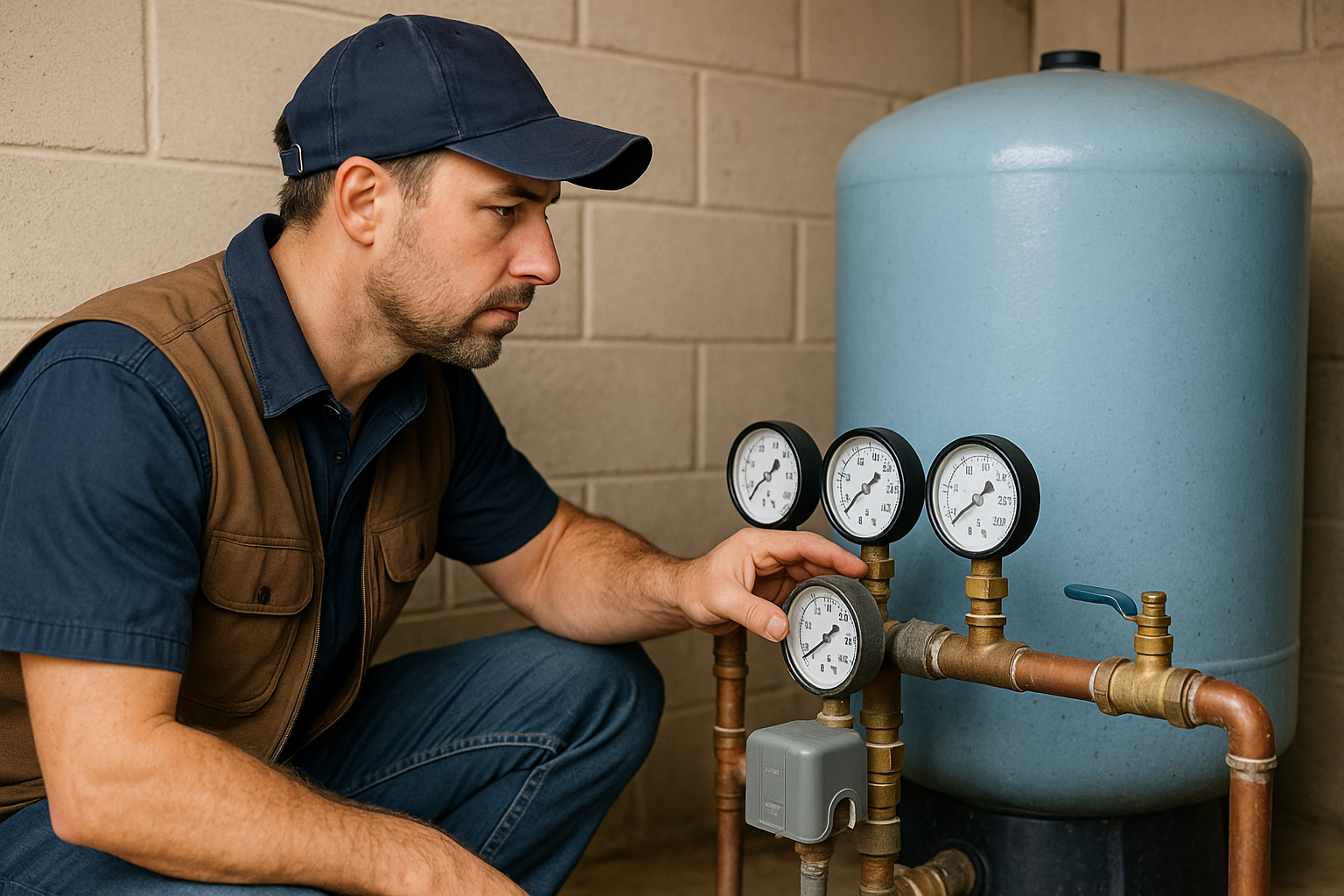
If your pressure tank's bladder has a small leak, air from the tank gradually migrates into the water system while water displaces it. This causes gradual pressure loss even without any external leak.
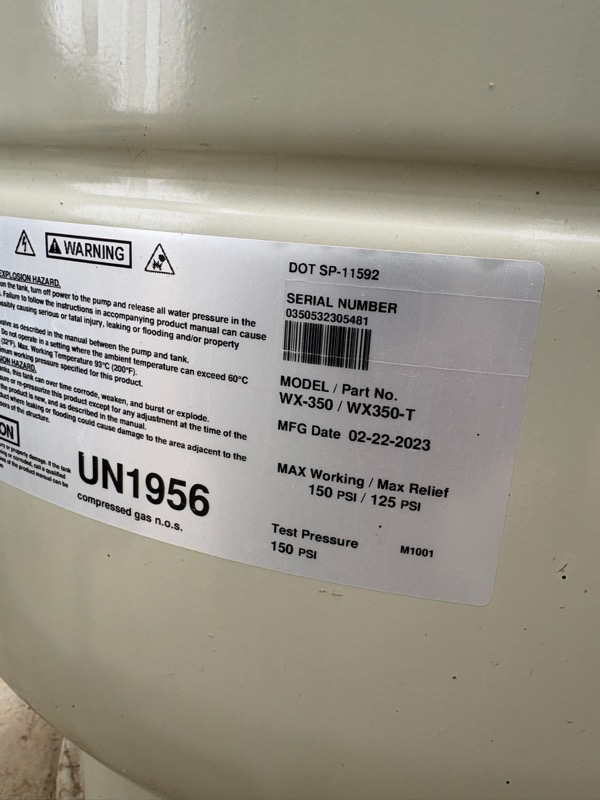
Test: Check tank air pressure when system is empty (below cut-in pressure). It should match the tank's rated pre-charge.
4. Slow Pipe Leak
Underground leaks or leaks behind walls may be too slow to notice during active water use but drain significant water overnight:
- Underground supply lines to outbuildings
- Irrigation system leaks
- Slab leaks under the house
- Pipe joint failures in walls or crawlspaces
5. Water Softener or Filter System
Some water treatment equipment regenerates at night. If the regeneration valve is malfunctioning, it may continuously use or drain water during this cycle.
How to Diagnose the Problem
- Check pressure before bed: Note the pressure gauge reading at night
- Check first thing in morning: Before using any water, note the gauge again
- Listen for the pump: If pressure is low, does the pump start running immediately when you open a faucet?
- Check toilets: Are any toilets running or making noise? Try the food coloring test
- Walk the property: Look for wet spots, unusually green grass, or soggy areas
- Isolate irrigation: Turn off irrigation supply valve overnight and see if problem persists
⚠️ Signs of a Major Leak
If pressure drops significantly every night (more than 10-15 PSI) or you hear your pump cycling during the night, you may have a substantial leak. A large underground leak can waste thousands of gallons and cause foundation damage. Address immediately.
Solutions for Each Cause
For Toilet Leaks
- Replace worn flappers (cheap and easy DIY fix)
- Adjust or replace fill valves that run continuously
- Check for cracks in toilet tank
For Check Valve Issues
- Have check valve(s) inspected and replaced
- For submersible pumps, this requires pulling the pump
- Install a second check valve near pressure tank as backup
For Pressure Tank Problems
- Test and recharge tank air pressure
- Replace tank if bladder has failed
For Pipe Leaks
- Locate leak using pressure testing or leak detection
- Repair or replace damaged pipe sections
When to Call a Professional
Contact a well service specialist when:
- You've checked toilets and obvious sources but problem persists
- You suspect the check valve or pressure tank
- Pressure loss is severe (more than 20 PSI overnight)
- You hear the pump cycling during the night
- You notice wet spots or suspect an underground leak
- Your submersible pump needs to be pulled for check valve service
See our leak detection services.
Frequently Asked Questions
How much pressure loss overnight is normal?
In a properly sealed system with no leaks, you should see essentially zero pressure loss overnight. Even 5 PSI of loss indicates something is leaking. Significant loss (10+ PSI) is definitely a problem.
Could temperature changes cause overnight pressure loss?
Minor pressure changes (1-2 PSI) can occur due to temperature affecting the air in your pressure tank. However, significant changes are not temperature-related and indicate a leak.
Why does pressure recover quickly once I use water?
When you use water, the pump turns on and re-pressurizes the system. The pump masks the leak during normal use. It's only during long periods without use (like overnight) that the leak drains the system enough to notice.
Can a small leak really matter that much?
Yes! A toilet that "runs" continuously can waste 200+ gallons per day—that's 6,000 gallons per month. Even a slow drip adds up to significant water waste and pump wear. Fix leaks promptly.
We service all major pump brands including Franklin Electric, Grundfos, Goulds (Xylem), and Sta-Rite (Pentair). Our trucks carry common parts and components for same-day repairs.
Related Articles
Continue learning about well maintenance and troubleshooting
Low Water Pressure From Well: Complete Fix Guide
Diagnose and solve low pressure problems
Well Pressure Switch: Settings, Adjustment & Replacement
Everything about pressure switches
Pressure Tank Maintenance: Complete Guide
Keep your pressure tank working properly