
Well Water Pressure Only 40 PSI – Is That Enough for Your Home?
You've checked your pressure gauge and it reads 40 PSI. Your shower feels weak, the washing machine takes forever to fill, and you're wondering if something is wrong with your well system. The short answer: 40 PSI is on the lower end of normal, and you may be able to increase it – but whether you should depends on several factors.
📋 In This Guide
Let's explore what 40 PSI really means, whether it's adequate for your needs, and how to safely increase your well water pressure if desired.
Understanding Well Pressure Settings
Well systems don't maintain constant pressure like municipal water. Instead, they operate within a range controlled by the pressure switch. The most common factory settings are:
| Setting | Cut-In (Pump On) | Cut-Out (Pump Off) | Range |
|---|---|---|---|
| 30/50 | 30 PSI | 50 PSI | 20 PSI |
| 40/60 | 40 PSI | 60 PSI | 20 PSI |
| 50/70 | 50 PSI | 70 PSI | 20 PSI |
If your gauge reads 40 PSI, you likely have a 30/50 system at its maximum pressure, or a 40/60 system at its minimum pressure. The difference matters significantly for your water experience.
Is 40 PSI Adequate?
Whether 40 PSI is "enough" depends on your household's needs and your home's characteristics:
40 PSI is generally adequate for:
- Single-story homes
- Basic fixtures and standard showerheads
- Homes with 1-2 bathrooms
- Normal daily water use patterns
40 PSI may feel insufficient for:
- Multi-story homes (each floor needs more pressure)
- Rain showerheads or multiple-head shower systems
- Running multiple fixtures simultaneously
- Irrigation systems with multiple zones
- Homes with long pipe runs
Why Your Pressure Might Be Low
Before adjusting your pressure switch, verify that your current settings are performing correctly:
Pressure tank issues: A waterlogged pressure tank (failed bladder) causes rapid cycling and inconsistent pressure. Check tank precharge with a tire gauge when the tank is empty.
Clogged filters: Sediment filters, water softeners, and treatment systems create pressure drops. Check differential pressure across these components.
Pipe restrictions: Mineral buildup in old galvanized pipes, partially closed valves, or undersized piping reduces delivered pressure.
Pump capacity: An aging or undersized pump may not be capable of producing higher pressures efficiently.
How to Increase Well Water Pressure
Option 1: Adjust the Pressure Switch
The most common solution is adjusting your existing pressure switch to a higher setting. Most switches can be adjusted from 30/50 to 40/60 relatively easily:
- Turn off power to the pump at the breaker
- Remove the pressure switch cover to expose adjustment nuts
- Locate the adjustment nuts – there are typically two:
- Large nut: Adjusts both cut-in and cut-out equally (range nut)
- Small nut: Adjusts differential between cut-in and cut-out
- Turn the large nut clockwise to increase both settings
- Adjust tank precharge to match new cut-in pressure (set 2 PSI below cut-in)
- Restore power and test the system
⚠️ Important Safety Considerations
Never exceed 80 PSI – high pressure damages fixtures and creates leaks. Verify your pump can handle higher settings before adjusting.
Option 2: Replace the Pressure Switch
Some older switches have limited adjustment range. Replacing with a new 40/60 or 50/70 switch provides factory-calibrated higher pressure settings.
Option 3: Install a Constant Pressure System
For the best pressure experience, consider a constant pressure or variable speed pump system. These maintain consistent pressure regardless of demand by varying pump speed, eliminating the pressure fluctuation inherent in traditional systems.
Option 4: Add a Booster Pump
If your well pump cannot produce adequate pressure, a booster pump installed at the pressure tank can increase delivered pressure without replacing the well pump.
Critical Considerations Before Increasing Pressure
Pump capacity: Your pump must be capable of producing the desired pressure. Check the pump curve specifications – if your pump is rated for 50 PSI maximum, setting the switch to 60 PSI will cause the pump to run continuously.
Plumbing condition: Older plumbing systems, especially those with galvanized pipes or old fittings, may develop leaks at higher pressures. Inspect for weak points.
Fixture ratings: Most household fixtures are rated for 80 PSI maximum. Water heaters typically have relief valves set at 150 PSI but prefer lower operating pressures.
Tank precharge: The pressure tank air precharge must be adjusted to match new settings. Precharge should be 2 PSI below the cut-in pressure.
When to Call a Professional
While pressure switch adjustment is relatively straightforward, you should contact a well professional if:
- You're unsure of your pump's pressure capacity
- The pump runs continuously after adjustment
- You want to increase pressure above 60 PSI
- Your system has a constant pressure controller
- You notice leaks after pressure increase
- The pressure tank needs replacement
Professional Pressure System Optimization
SoCal Well Services can evaluate your entire system and recommend the best approach to achieve optimal water pressure for your home.
Call now: (760) 440-8520
Frequently Asked Questions
What's the ideal water pressure for a home?
Most homes are comfortable with 50-60 PSI. This provides good shower pressure and adequate flow for appliances while staying within safe limits for plumbing fixtures.
Can I damage my pump by increasing the pressure setting?
Yes, if you set the cut-out pressure higher than your pump can achieve, the pump will run continuously, overheat, and fail prematurely. Always verify pump capacity before adjusting.
Why does my pressure vary throughout the day?
Well systems cycle between cut-in and cut-out pressures, so variation is normal. If you're on a 30/50 system, pressure swings between 30-50 PSI throughout each cycle. Larger tanks minimize noticeable variation.
Do I need to adjust my pressure tank when I change switch settings?
Yes. The tank precharge must be set 2 PSI below the new cut-in pressure. Failing to adjust the tank causes short cycling and reduces tank lifespan.
Will higher pressure increase my electric bill?
Slightly. The pump works harder to achieve higher pressures, consuming more electricity. However, the difference is usually minimal for residential systems.
Related Articles
Continue learning about well maintenance and troubleshooting
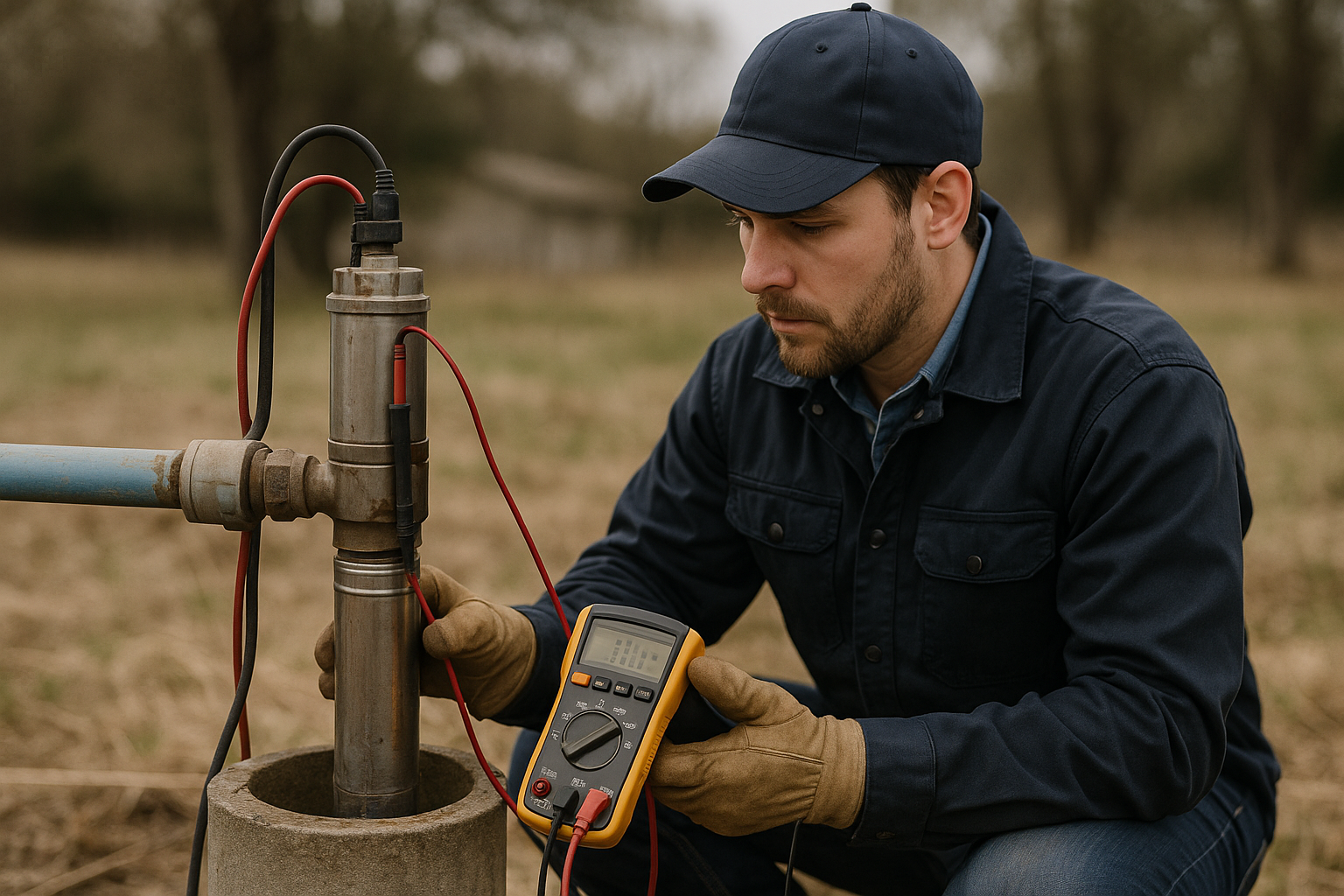
Low Water Pressure From Well: Complete Fix Guide
Diagnose and solve low pressure problems
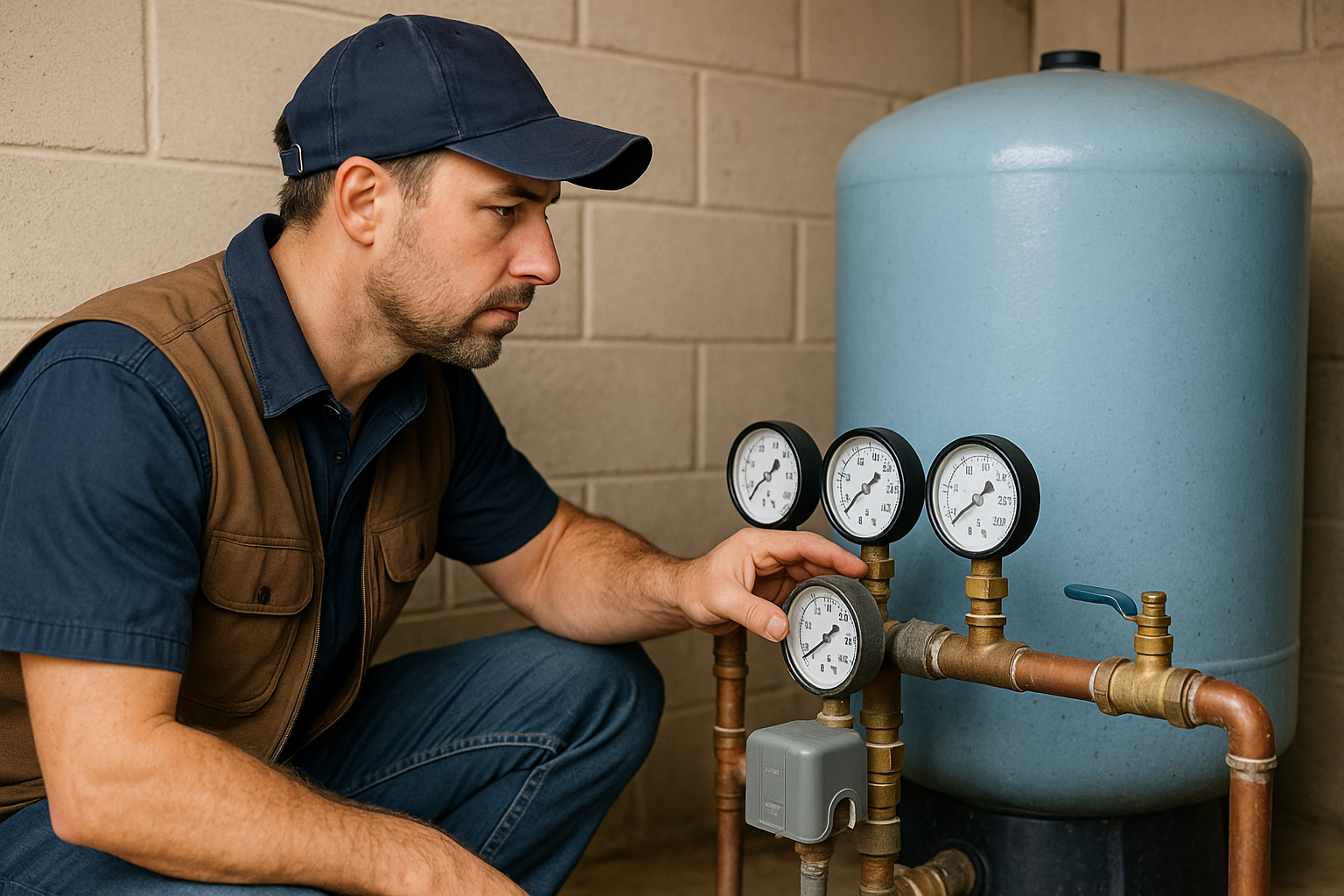
Well Pressure Switch: Settings, Adjustment & Replacement
Everything about pressure switches
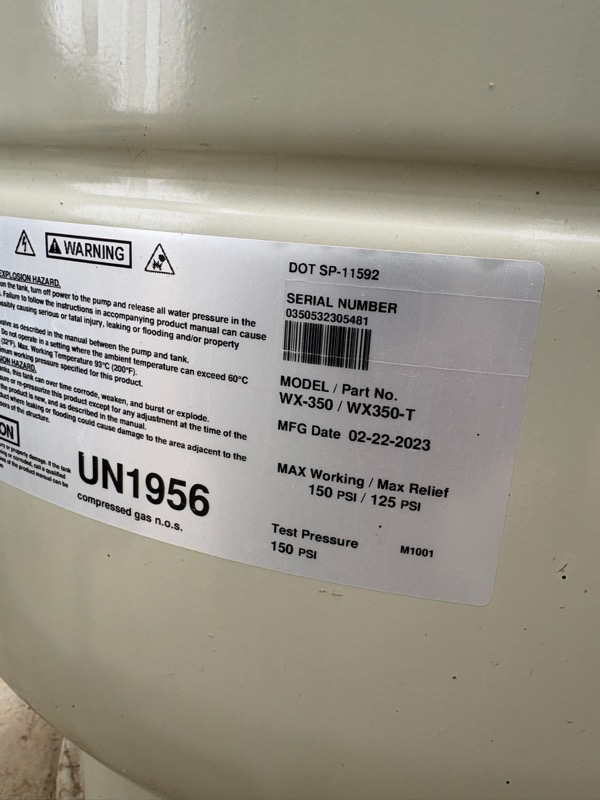
Pressure Tank Maintenance: Complete Guide
Keep your pressure tank working properly