Well Water Testing Statistics 2026: 42 Facts & Data
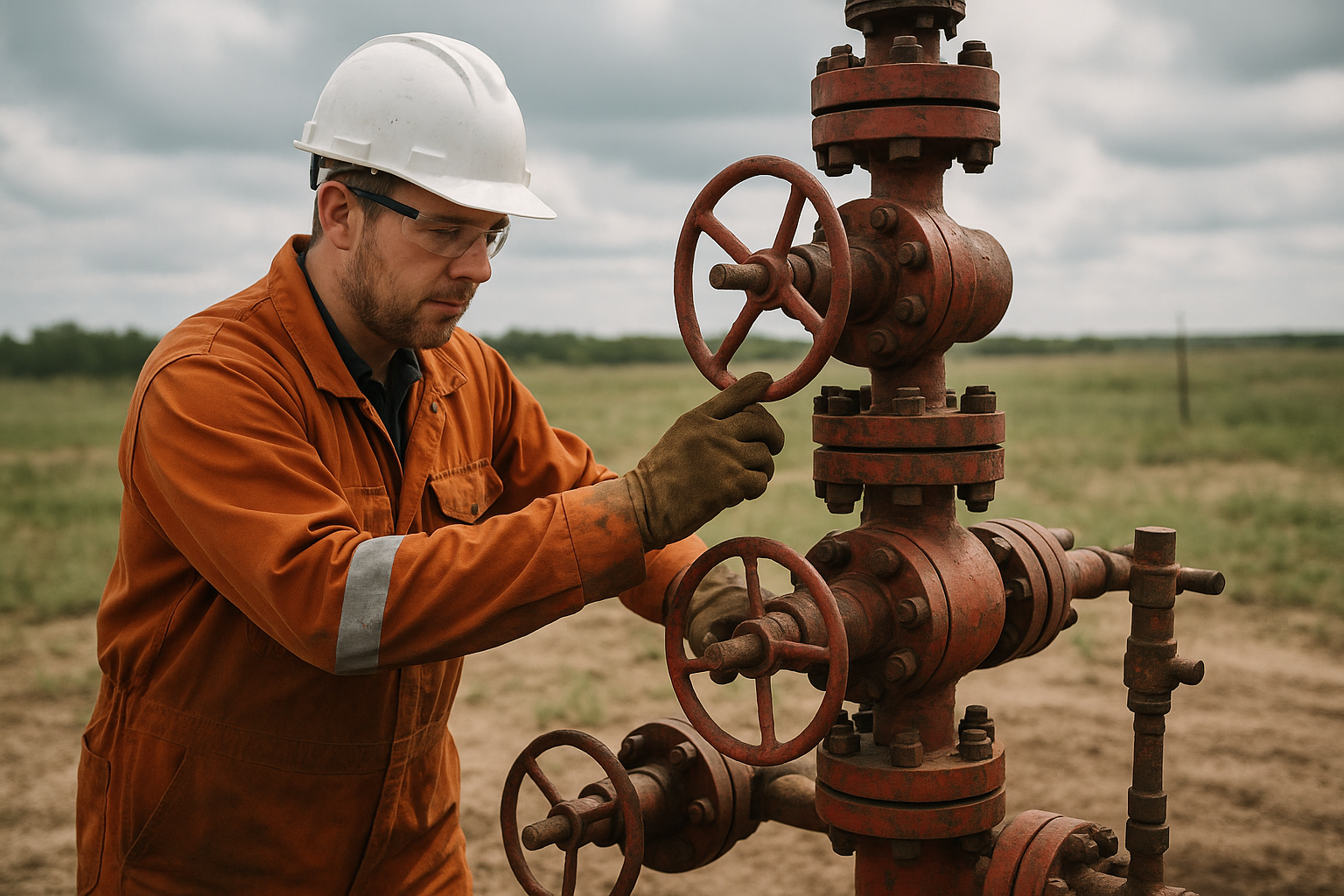
Approximately 43 million Americans — roughly 13% of the U.S. population — rely on private wells for their household water supply. Unlike municipal water systems that undergo continuous monitoring and treatment under EPA oversight, private wells are the sole responsibility of the homeowner. That means you're responsible for testing, treating, and maintaining your own water quality.
The statistics paint a sobering picture. Nearly one in four private wells contains at least one contaminant at levels exceeding EPA health-based guidelines. Many well owners don't test regularly — or at all — which means millions of families may be drinking contaminated water without knowing it. In Southern California, unique geological conditions including naturally occurring arsenic, high mineral content, and agricultural runoff from the region's farming operations create additional water quality challenges that make regular testing even more critical.
This comprehensive guide compiles the most current well water testing statistics from USGS, EPA, CDC, and state health department sources to help you understand the risks, know what to test for, and make informed decisions about your family's water safety.
Well Water Quality Overview
Source: USGS National Water Quality Assessment, EPA Studies
The U.S. Geological Survey's National Water Quality Assessment (NAWQA) program has been tracking groundwater quality across the country for decades. Their findings consistently show that private well water quality varies dramatically by region, well depth, surrounding land use, and local geology. Here's what the data reveals about the most common issues affecting private wells.
Contamination Statistics by Contaminant Type
| Contaminant | % Wells Affected | EPA MCL | Health Risk |
|---|---|---|---|
| Coliform Bacteria (any present) | 15% | 0 CFU/100mL | Indicates potential pathogen presence |
| E. coli | 3% | 0 CFU/100mL | Gastrointestinal illness, serious for vulnerable populations |
| Nitrate (>10 mg/L) | 10% | 10 mg/L | Blue baby syndrome, thyroid disruption |
| Arsenic (>10 ppb) | 5% | 10 ppb | Cancer risk with long-term exposure |
| Lead (>15 ppb) | 4% | 15 ppb | Developmental issues in children, organ damage |
| Radon (elevated) | 8% | No federal MCL | Increased cancer risk from inhalation |
| Hard Water (>180 mg/L) | 40% | No health limit | Scale buildup, appliance damage, dry skin |
| Manganese (>300 ppb) | 7% | 300 ppb (advisory) | Neurological effects at high levels |
| Fluoride (>4 mg/L) | 3% | 4 mg/L | Skeletal fluorosis, dental issues |
| Uranium (>30 ppb) | 2% | 30 ppb | Kidney damage with chronic exposure |
Understanding What These Numbers Mean
The EPA sets Maximum Contaminant Levels (MCLs) for public water systems — these are legally enforceable limits. For private wells, these same thresholds serve as health-based guidelines, but there's no legal requirement to meet them. That regulatory gap is why proactive testing matters so much.
Some key context for these statistics:
- Coliform bacteria at 15% doesn't mean 15% of wells will make you sick. Total coliform is an indicator organism — its presence suggests that a pathway exists for bacteria to enter your well, which could eventually allow harmful pathogens in. It's a warning sign, not a diagnosis.
- Nitrate contamination at 10% is particularly concerning because it's largely driven by human activity — agricultural fertilizers, septic system leachate, and animal waste. Unlike geological contaminants, nitrate levels can change rapidly after heavy rain or irrigation.
- Arsenic at 5% is almost entirely natural in origin, leaching from certain rock formations. In parts of Southern California, particularly inland valleys and desert regions, arsenic levels in groundwater can be significantly higher than the national average.
- Hard water at 40% isn't a health hazard, but it's the most common water quality complaint among well owners. It causes scale buildup in pipes and water heaters, reduces soap effectiveness, and can shorten appliance lifespans by 25-40%.
Well Depth and Contamination Risk
USGS data shows a clear correlation between well depth and contamination risk. Shallow wells (under 100 feet) are significantly more vulnerable to surface contamination:
- Wells under 50 feet: 30-35% chance of at least one contaminant exceeding guidelines
- Wells 50-150 feet: 20-25% chance
- Wells 150-300 feet: 15-18% chance
- Wells over 300 feet: 10-12% chance (though naturally occurring minerals like arsenic and fluoride can increase at depth)
In San Diego County, where many residential wells range from 150 to 500+ feet deep, the primary concerns tend to be mineral content and hardness rather than bacterial contamination. However, older wells with deteriorating casings can allow surface water intrusion regardless of depth.
Testing Costs & Types
One of the most common questions we hear from well owners is "how much does water testing cost?" The answer depends on what you're testing for. A basic bacteria screening might cost less than a nice dinner out, while a comprehensive analysis covering 100+ parameters can run several hundred dollars. Here's a detailed breakdown of what you can expect to pay in 2026.
Test Panel Costs
| Test Type | Cost Range | Parameters Tested | Best For |
|---|---|---|---|
| Basic (Coliform/Nitrate) | $25-75 | Total coliform, E. coli, nitrate | Annual screening, peace of mind |
| Standard Panel | $100-200 | Bacteria, nitrate, pH, TDS, hardness, iron, manganese | Routine 3-year checkup |
| Comprehensive | $200-400 | Standard + heavy metals, VOCs, pesticides | New well baseline, real estate transactions |
| Full Analysis | $400-800 | 100+ parameters including radiologicals | Suspected contamination, near industrial sites |
| Specialty (Radon, Pesticides) | $50-200 each | Single contaminant or category | Targeted follow-up testing |
| California Title 22 | $300-600 | State-required parameters for well permits | New well certification, county requirements |
Where to Get Your Water Tested
For accurate results, always use a state-certified laboratory. In California, the State Water Resources Control Board maintains a list of Environmental Laboratory Accreditation Program (ELAP) certified labs. Some options include:
- County health departments — Many offer free or low-cost basic testing (coliform/nitrate). San Diego County Environmental Health provides testing kits.
- Certified private labs — Companies like Babcock Laboratories, Eurofins, and local labs in San Diego offer comprehensive panels with 5-10 business day turnaround.
- Your well service company — We collect samples during service visits using proper chain-of-custody protocols, which ensures accurate results and eliminates sampling errors.
- Home test kits — Available for $15-50 at hardware stores, but these provide only rough screening results. They're useful for quick checks but should never replace laboratory analysis for health decisions.
Testing Frequency Recommendations
The EPA and CDC provide clear guidelines on how often private well owners should test their water. However, these are minimums — certain situations warrant more frequent testing:
Routine Testing Schedule
- Annual: Coliform bacteria, nitrate, pH, total dissolved solids (TDS). This is the bare minimum every well owner should do.
- Every 3 years: Hardness, iron, manganese, sulfate, chloride, sodium, fluoride. These parameters change slowly and don't need annual monitoring.
- One-time baseline: Heavy metals (arsenic, lead, uranium), radon, VOCs, pesticides. Test when you first buy a property or drill a new well.
- After events: Flooding, nearby construction or drilling, earthquake activity, unexplained illness in household members, changes in taste/odor/color.
Situations That Require Immediate Testing
Don't wait for your annual test if you experience any of the following:
- Water suddenly changes color, taste, or smell
- Flooding or heavy rains that cause surface water pooling near the wellhead
- A neighbor reports contamination in their well
- Nearby land use changes (new agriculture, construction, septic installation)
- Anyone in the household experiences unexplained gastrointestinal illness
- Your well has been out of service and is being put back online
- After any well repair, pump replacement, or maintenance that opened the well casing
Source: CDC Behavioral Risk Factor Surveillance System
Regional Contamination Patterns
Water quality issues aren't random — they follow predictable patterns based on geology, land use, and climate. Understanding the contamination risks specific to your region helps you prioritize which parameters to test for.
National Overview
| Region | Primary Concern | Prevalence | Root Cause |
|---|---|---|---|
| Midwest (IA, IL, IN, OH) | Nitrate | 15-25% | Agricultural fertilizer runoff |
| Northeast (CT, MA, NH, ME) | Radon | 20-30% | Granitic bedrock geology |
| Southwest (AZ, NM, NV) | Arsenic | 10-15% | Volcanic/metamorphic geology |
| Southeast (FL, GA, SC) | Bacteria | 15-20% | Shallow water table, warm climate |
| California - Central Valley | Nitrate & 1,2,3-TCP | 12-20% | Intensive agriculture, legacy pesticides |
| California - Coastal & Inland | Arsenic, TDS, Hardness | 10-15% | Natural geology, mineral-rich aquifers |
| Pacific Northwest (OR, WA) | Arsenic, Radon | 8-12% | Volcanic geology |
| Great Plains (NE, KS, SD) | Uranium, Nitrate | 10-15% | Aquifer geology, agriculture |
Southern California-Specific Water Quality Data
For well owners in San Diego, Riverside, and surrounding counties, the water quality landscape has its own distinct characteristics:
- Hard water is nearly universal — 85% or more of wells in San Diego County produce water above 180 mg/L hardness (classified as "very hard"). Many wells in Ramona, Julian, and Valley Center test above 300 mg/L.
- Total Dissolved Solids (TDS) commonly range from 400-1,200 mg/L in inland valleys, well above the 500 mg/L secondary standard. This gives water a distinct mineral taste.
- Iron and manganese staining is common in wells tapping into decomposed granite aquifers throughout the backcountry.
- Nitrate is a concern near agricultural areas in Anza, Temecula, and parts of the Ramona grasslands where livestock operations and farming can leach nitrogen compounds into shallow groundwater.
- Arsenic levels vary significantly — some wells in eastern San Diego County and the Anza-Borrego region have tested above the 10 ppb MCL. Depth matters: deeper wells in certain formations are more likely to encounter naturally elevated arsenic.
- Bacterial contamination risk increases after our infrequent but intense rain events, particularly for wells with older or damaged surface seals.
California Regulations for Private Wells
California has slightly more oversight than many states when it comes to private wells:
- AB 2877 (2026) requires counties to inform private well owners about testing recommendations and available resources
- New well permits typically require water quality testing to verify potability before the well can be used for domestic purposes
- Real estate transactions — while not always legally required, most lenders and buyers in California expect a water quality test as part of the property inspection
- San Diego County requires a bacteriological and chemical analysis for new wells and for existing wells when property ownership transfers in some unincorporated areas
Well Testing Behavior Statistics
Despite the clear health risks of untested well water, the data on testing behavior reveals a significant gap between recommendations and reality:
- Only 30% of private well owners test their water at least once per year (CDC)
- 45% of well owners have never had their water professionally tested (American Ground Water Trust)
- Well owners who have experienced a water quality problem are 3x more likely to test regularly going forward
- Real estate transactions drive 60% of all private well water tests — meaning most wells only get tested when a property changes hands
- Cost is the #1 cited barrier to regular testing, despite basic tests costing under $75
- Rural residents are less likely to test than suburban well owners, despite generally facing higher contamination risks
The takeaway? Testing is inexpensive relative to the cost of treating waterborne illness or installing treatment systems after years of exposure to undetected contaminants. A $50-75 annual coliform and nitrate test is one of the best investments a well owner can make in their family's health.
We use Hach and LaMotte professional water testing equipment for field analysis, with comprehensive lab testing through certified California laboratories. Our technicians collect samples using proper protocols to ensure accurate, reliable results.
Frequently Asked Questions
What percentage of wells have contamination?
Studies from the USGS and EPA consistently show that 20-25% of private wells have at least one contaminant exceeding health-based guidelines. However, this number varies significantly by region. In agricultural areas, the percentage can climb to 30-35% due to nitrate and pesticide contamination. In areas with naturally occurring arsenic or radon (including parts of Southern California), geological contaminants can push the number even higher. The important thing to understand is that "contamination" doesn't always mean the water is immediately dangerous — some exceedances are minor, while others (like E. coli or high nitrate) require immediate action.
How much does well water testing cost?
Testing costs range from $25-75 for basic screening (coliform bacteria and nitrate) up to $400-800 for comprehensive analysis covering 100+ parameters including heavy metals, volatile organic compounds, and radiological contaminants. For most homeowners, a basic annual test plus a standard panel every 3 years provides good coverage at a total cost of about $150-250 per year. Many county health departments offer free or subsidized basic testing — check with San Diego County Environmental Health for current programs.
How often should I test my well water?
The EPA recommends annual testing for coliform bacteria and nitrates at minimum. Beyond that, test every 3 years for minerals and general chemistry (pH, hardness, TDS, iron, manganese). You should also test immediately after any event that could affect water quality: flooding, well repairs, earthquake activity, changes in taste or odor, or illness in your household. If you live near agricultural operations, consider testing for nitrate twice per year — once in spring (post-fertilization) and once in fall.
Are private wells regulated for water quality?
Private residential wells serving fewer than 25 people are not covered by EPA's Safe Drinking Water Act — that law only applies to public water systems. Well owners are entirely responsible for their own water quality monitoring and treatment. Some states, including California, have adopted additional requirements around well construction standards and testing at the time of drilling or property transfer, but ongoing monitoring remains the owner's responsibility. This regulatory gap is why organizations like the CDC, EPA, and NGWA (National Ground Water Association) strongly advocate for voluntary annual testing.
What should I do if my well test comes back positive for contamination?
First, don't panic — but do take action. For bacterial contamination (coliform or E. coli), stop drinking the water immediately and use bottled water until the issue is resolved. Shock chlorination can often eliminate bacterial contamination, but you'll want to identify and fix the source of contamination (damaged well cap, cracked casing, surface water intrusion) to prevent recurrence. For chemical contaminants like arsenic or nitrate, the health risk depends on the concentration level and duration of exposure — consult with a water treatment professional about appropriate filtration or treatment systems. In all cases, retest after treatment to confirm the issue is resolved.
Can I test my well water myself with a home kit?
Home test kits available at hardware stores ($15-50) can provide a rough screening for common parameters like pH, hardness, chlorine, and bacteria. However, they are not a substitute for certified laboratory analysis. Home kits have wider margins of error, can produce false negatives (especially for bacteria), and don't test for many important contaminants like arsenic, lead, or VOCs. Use home kits for quick checks between professional tests, but rely on state-certified lab results for any health or treatment decisions.
Need Water Testing?
Southern California Well Service provides water quality testing and treatment solutions.
Call: (760) 440-8520
Related Articles
Continue learning about well maintenance and troubleshooting