California's diverse geology creates dramatic variations in well depths across the state. From shallow coastal wells to deep desert boreholes, understanding regional depth patterns is essential for budgeting drilling projects and setting realistic expectations.
📋 In This Guide
This statistics page provides comprehensive well depth data by California region, county, and geological formation, based on state well logs and drilling records.
Statewide Overview
Northern California
Central Valley
Bay Area
Central Coast
Southern California Coastal
San Diego County (Detailed)
Riverside County (Detailed)
Desert Regions
Mountain & Foothill Regions
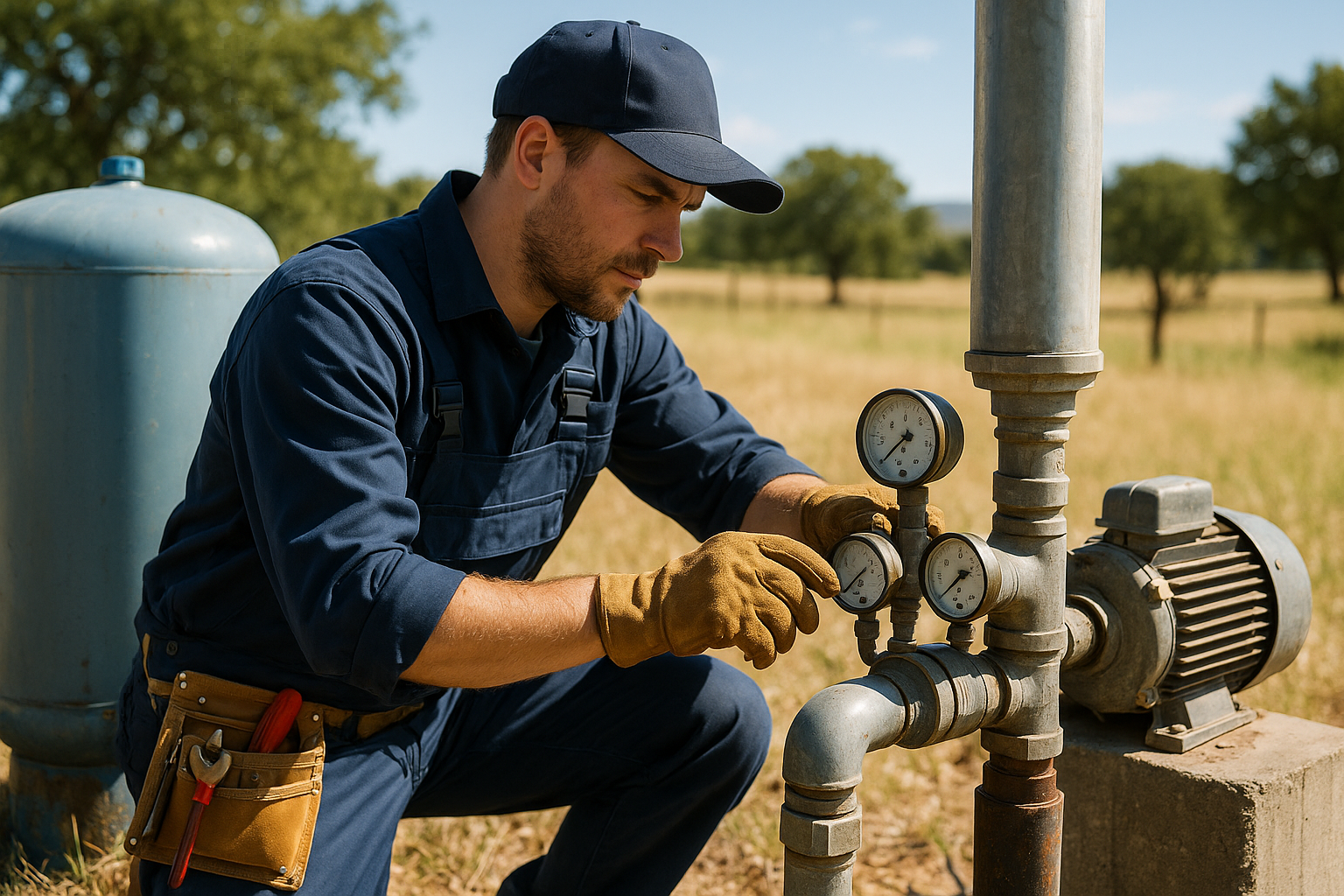
We service all major pump brands including Franklin Electric, Grundfos, Goulds (Xylem), and Sta-Rite (Pentair). Our trucks carry common parts and components for same-day repairs.
Frequently Asked Questions
What is the average well depth in California?
The statewide average domestic well depth is 285 feet, but this varies dramatically by region. Sacramento Valley averages 180 feet, while desert areas average 450+ feet. New wells drilled in 2024 averaged 450 feet due to declining water tables. The typical range is 100-800 feet, with depths increasing approximately 35 feet per decade statewide.
Why are California wells getting deeper?
California wells are getting deeper (average +35 feet over the past decade) due to groundwater overdraft, drought conditions, and increased pumping. The Central Valley and desert regions show the greatest depth increases, with some areas requiring wells 50-75 feet deeper than a decade ago. SGMA regulations aim to stabilize water levels by 2040-2042.
How deep are wells in San Diego County?
San Diego County wells average 320 feet deep, with significant variation by area: coastal valleys 180 feet, inland valleys like Ramona 280 feet, foothill communities like Alpine 420 feet, and mountain areas like Julian 500+ feet. The backcountry relies on fractured granite aquifers, which can require deeper drilling to find adequate water.
How deep are desert wells in California?
Desert wells are among the deepest in California. High Desert (Victorville area) averages 450 feet, Coachella Valley 380-600+ feet depending on location, and Imperial Valley 380 feet. Desert areas have seen depth increases of 75+ feet since 2010 due to overdraft. Some Palm Desert properties require wells exceeding 600 feet.
Which California region has the shallowest wells?
Northern California coastal areas and the northern Sacramento Valley have the shallowest wells, averaging 150-180 feet. Sonoma and Napa counties average 150 feet, while parts of the North Coast are even shallower. Coastal plain wells can be as shallow as 50-75 feet where aquifers are close to the surface.
How does geology affect well depth in California?
Geology dramatically affects depth. Alluvial valleys (Central Valley, coastal plains) have shallower, higher-yield wells. Fractured granite (Sierra foothills, San Diego backcountry) requires deeper drilling with unpredictable results. Volcanic areas (Shasta, Lassen) vary widely. Desert sedimentary basins are typically deep with declining water tables.
Need Well Services in Southern California?
Southern California Well Service provides professional well drilling, pump repair, and water testing throughout San Diego, Riverside, and surrounding counties.