
Well Water Realities for Bird Rock and La Jolla
Bird Rock is the southernmost stretch of La Jolla, a compact, ocean-close neighborhood of roughly fourteen to fifteen hundred households strung along La Jolla Boulevard between Pacific Beach and the village. Its shoreline is famously rocky rather than sandy, its offshore reefs draw surfers at dawn, and its walkable four-block commercial strip is full of coffee shops and wine bars. It is, in short, one of the most desirable coastal neighborhoods in San Diego County, and that desirability comes with a plain fact about water: Bird Rock is built out on City of San Diego municipal supply, and private avocado-irrigation wells here are virtually unheard of.
We want to be straight with you, because accuracy serves you better than keyword-stuffed promises. Bird Rock is not avocado-growing country, and drilling a private grove well on a La Jolla lot is almost never appropriate. The properties are small, the parcels are coastal and tightly regulated, and the homes are already served by reliable city water. If you are here because you have a few avocado trees in a Bird Rock yard, your municipal supply with efficient drip irrigation is the correct, economical answer. If you have an inland San Diego County property in addition to your coastal home, that is where a private well conversation actually begins.
Where San Diego County's Avocados Really Grow
The genuine San Diego avocado belt sits inland and to the north, in Fallbrook, Bonsall, De Luz, Valley Center, Pauma Valley, Rainbow, Escondido, and Vista. Those areas combine large lots, favorable elevation, frost protection, and the acreage commercial groves demand. An acre of mature avocados can require four to six acre-feet of water annually, and one large tree can use forty to seventy gallons on a hot day. Meeting that load requires a high-capacity agricultural well, storage tanks, and a carefully engineered irrigation network, infrastructure that has no place on a coastal Bird Rock lot.
This is why our avocado-grove work concentrates inland rather than along the coast. Bird Rock's value is its village-by-the-sea character, not its farmland. We would never pretend otherwise to win a job.
It is worth understanding the local irrigation picture even if you never drill. Bird Rock gardens lean toward drought-adapted coastal landscaping, succulents, native plantings, and ornamental trees that thrive in the mild marine climate. The handful of fruit trees residents do keep are easily served by a well-zoned drip system on city water. Pairing a simple smart controller with pressure-compensating emitters delivers the steady, low-volume watering that fruit trees prefer while keeping your water bill in check, and it sidesteps the salinity risk that haunts any coastal groundwater source.
How a Private Well System Works
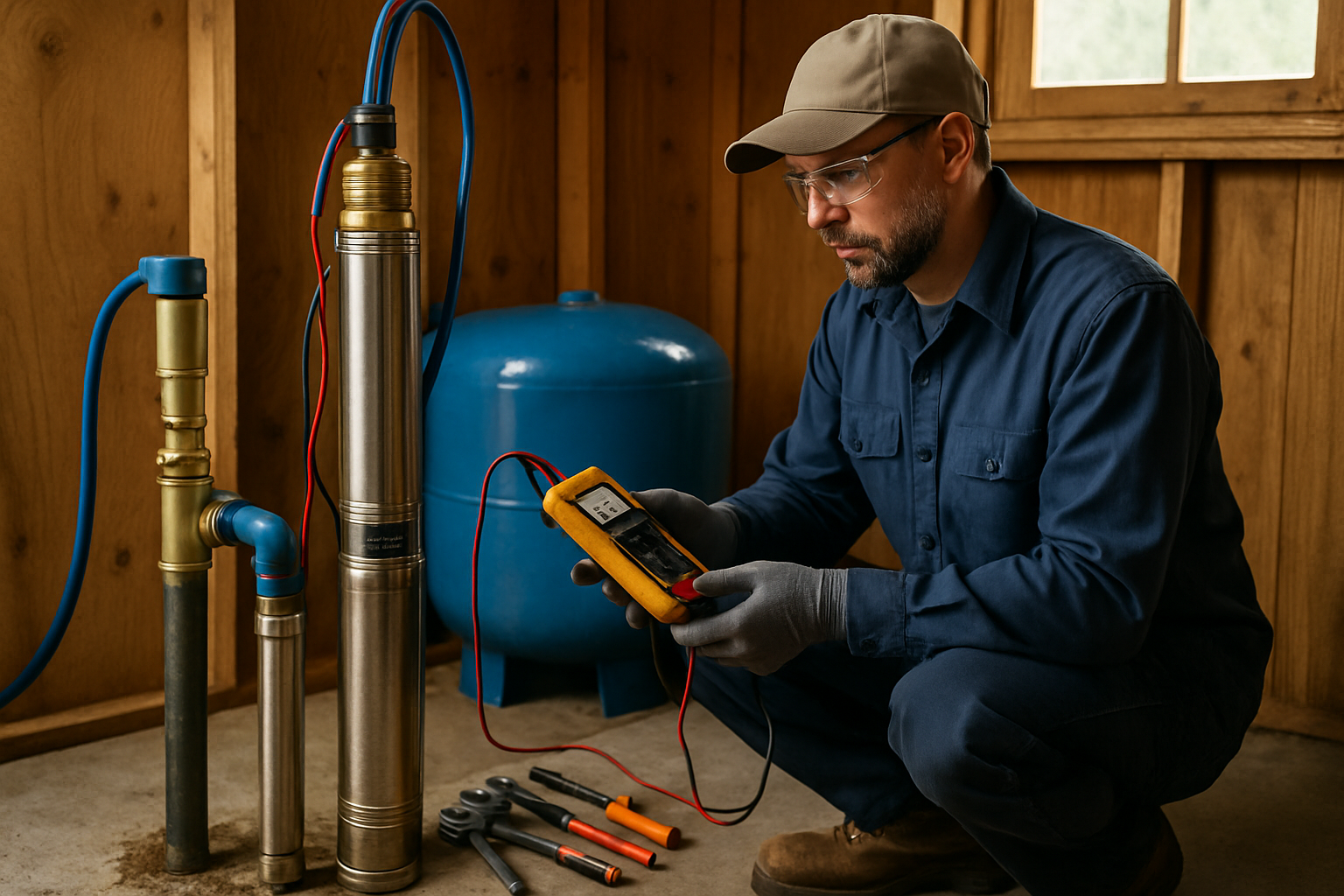
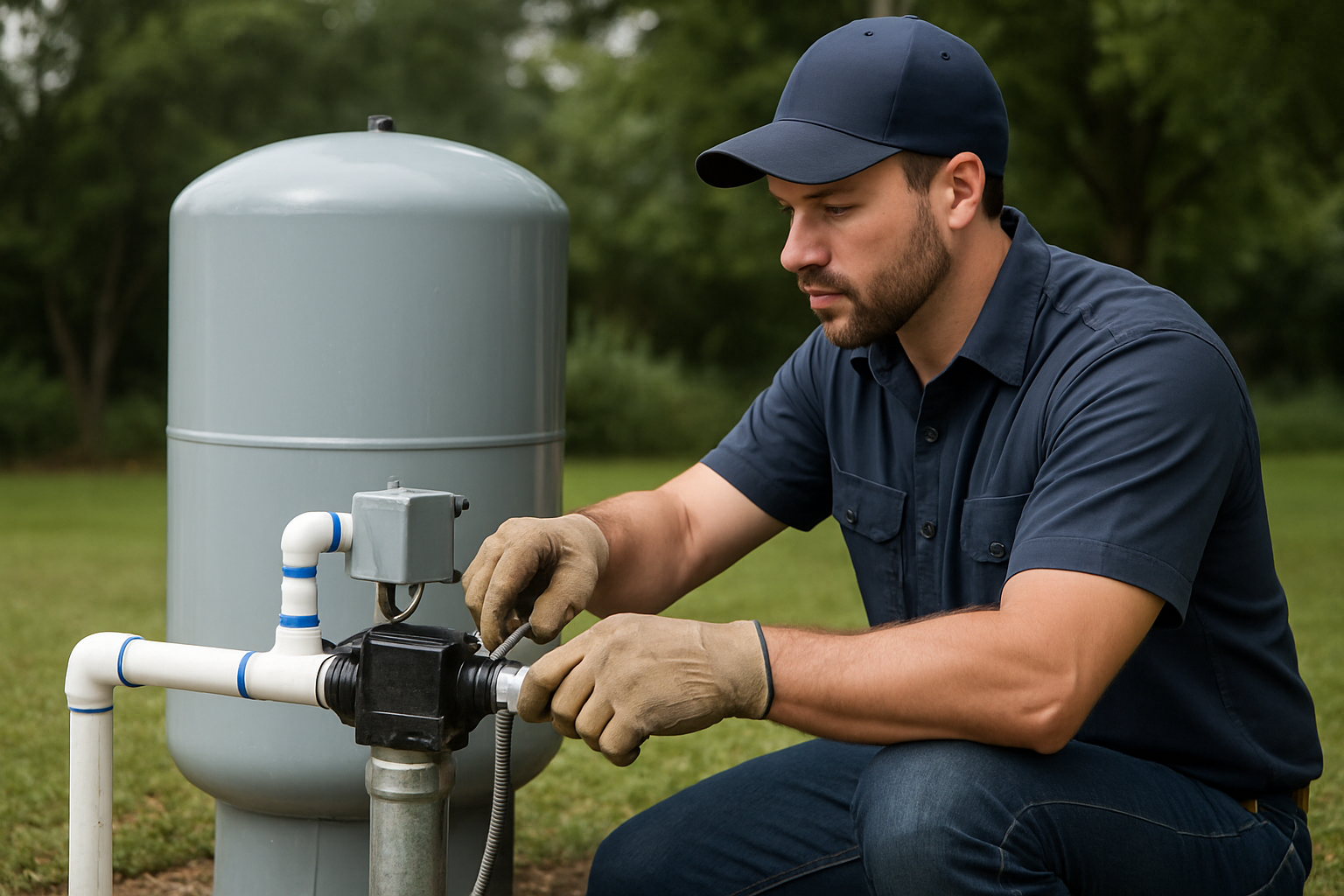
For the unusual coastal property that has a legacy well, or for the inland parcels where wells are common, the system is a connected chain. A submersible pump draws water from the saturated zone and pushes it upward. A pressure tank stores a buffer and prevents the pump from cycling on and off too rapidly. A pressure switch governs the start and stop points. Filtration or treatment then conditions the water for household use or irrigation. When larger plantings need uniform delivery, a constant-pressure or booster system holds steady pressure across every drip zone.
The geology beneath La Jolla and coastal San Diego trends toward marine sedimentary formations near the shore, transitioning to decomposed granite and fractured crystalline rock inland. Any well in this setting is typically a shallow legacy bore, and proximity to the ocean raises the real possibility of saline or brackish influence. Salt intrusion is one reason coastal wells are rare and often problematic, and it is a key reason avocados, which are highly sensitive to chloride, would struggle on water drawn near the shoreline even if a well existed.
Common Scenarios We See in Coastal San Diego
- Saline or brackish water in the few coastal wells that exist, which damages plants and corrodes equipment.
- Legacy wells with aged pumps, failing pressure tanks, or deteriorated casing.
- Iron, manganese, or sediment that stains fixtures and clogs drip emitters.
- Pressure-switch and tank failures producing erratic pressure or constant pump cycling.
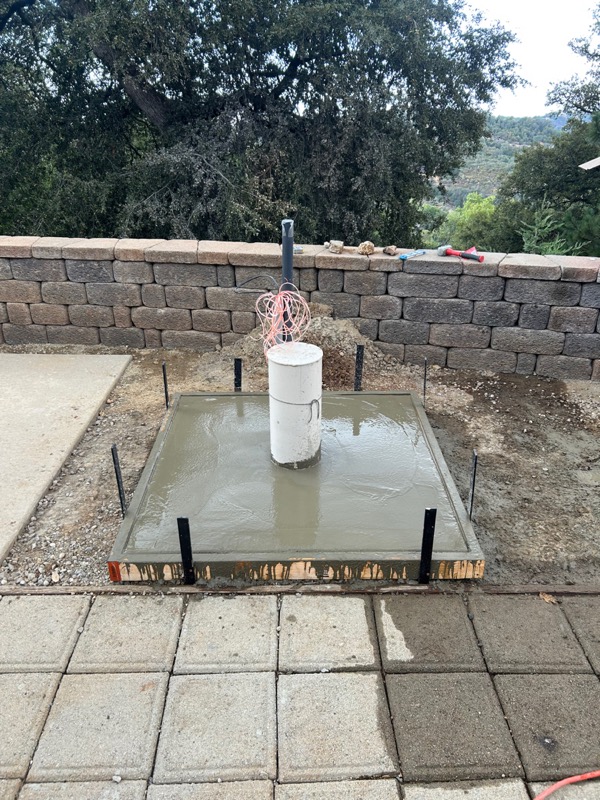
- Required decommissioning of abandoned wells to protect the groundwater and meet county rules.
What to Check Before You Call
Before reaching for the phone, a short self-assessment can save you time and money. Many of the calls we receive turn out to be simple pressure-component issues rather than catastrophic pump failures, and a few minutes of observation often narrows the problem down quickly. The checklist below applies to any private well in the region, coastal or inland.
- Listen for rapid pump cycling, which usually means a waterlogged pressure tank or a worn pressure switch.
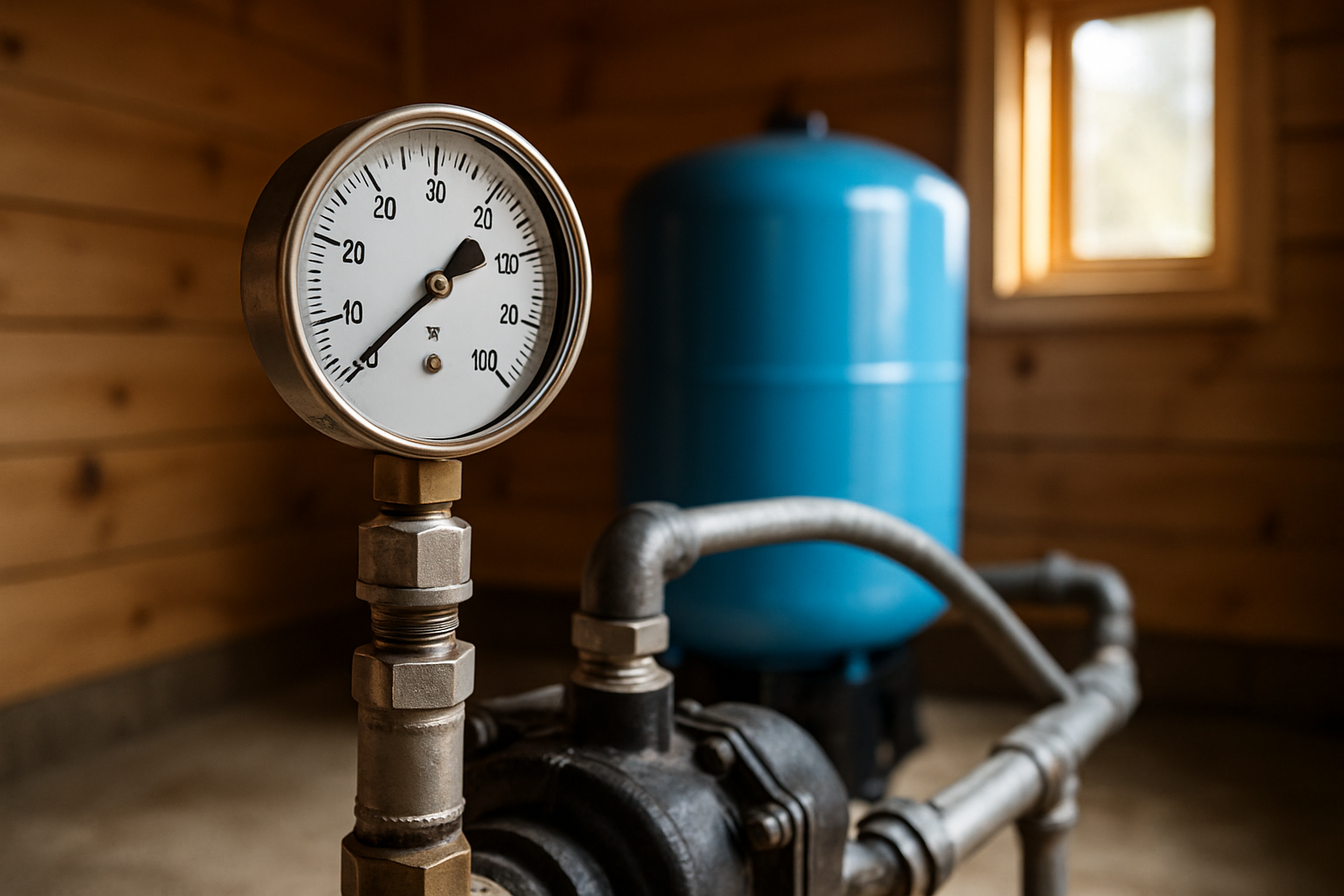
- Watch the pressure gauge for wide swings that point to tank or switch trouble.
- Taste and look at the water; a salty edge near the coast can signal saline intrusion, while rust color suggests iron.
- Confirm the dedicated pump breaker has not tripped during a power event.
- Note whether problems coincide with heavy irrigation, which can reveal a capacity limit.
When to Call a Professional
You can safely reset a tripped breaker, but pumps, wellheads, electrical work, and water chemistry belong to a licensed contractor. High voltage, specialized casing equipment, and the risk of choosing the wrong treatment all make do-it-yourself attempts costly. Southern California Well Service is a C-57 licensed water well contractor with more than thirty years across San Diego, Riverside, and San Bernardino counties. We diagnose first so you only pay for what your system genuinely needs.
Realistic Cost Ranges
- Pressure switch replacement: $150 to $350
- Pressure tank replacement: $600 to $1,500
- Pump replacement: $2,500 to $5,500
- Sediment filtration: $300 to $900
- Iron or manganese filtration / softening: $1,500 to $3,500
- Constant-pressure or booster systems: $2,000 to $4,500
- Well abandonment / decommissioning: $1,500 to $5,000
Diagnostic visits are $125 and are credited toward the job when you proceed.
Even though Bird Rock itself is on municipal water, many of our coastal clients also own larger inland parcels in the county, and that is where our well expertise pays off. We bring the same care to a Valley Center grove well that we bring to a Bird Rock service call, and we are happy to advise La Jolla homeowners who are weighing a rural property purchase about what its existing well can realistically deliver.
Serving Bird Rock and All of San Diego County
Working from our Ramona office at 1077 Main St and our Anza office at 57174 CA-371 (US Hwy 79), our crews serve Bird Rock, the wider La Jolla and Pacific Beach area, and the inland San Diego County communities where avocado groves and private wells are genuinely common. We carry CSLB #1086994 and provide same-day emergency response for properties that lose water. Whether you need a coastal legacy well evaluated, an old bore decommissioned, or honest counsel that city water is your best option, we are ready to help.
Frequently Asked Questions
Are there avocado-irrigation wells in Bird Rock?
Practically none. Bird Rock is a built-out coastal La Jolla neighborhood on City of San Diego water, so private agricultural wells are extremely rare here. Real grove wells are inland in places like Fallbrook and Valley Center.
Could I drill a well to irrigate trees at my Bird Rock home?
It is almost never worthwhile. Coastal lots are small and tightly regulated, and nearby groundwater can be saline. Your municipal supply with drip irrigation is the practical choice for a handful of backyard trees.
Why would a coastal well have salty water?
Wells near the shoreline can draw brackish or saline water due to seawater influence. That salt corrodes equipment and harms chloride-sensitive plants like avocados, which is one reason coastal grove wells are not viable.
What do I do with an unused well on my property?
Have it properly decommissioned to protect groundwater and satisfy county requirements. Abandonment generally costs $1,500 to $5,000 depending on depth and condition.
Do you offer emergency service in La Jolla and Bird Rock?
Yes, we provide same-day emergency response throughout San Diego County. Call (760) 440-8520 or text (760) 219-5877 with your symptoms so we bring the right parts.
Are you properly licensed?
We are a licensed C-57 water well drilling contractor with 60+ years of family heritage serving San Diego, Riverside, and San Bernardino counties.
Talk to a Local Well Expert
If you own a legacy coastal well, manage an inland San Diego County grove, or simply want honest answers about irrigating your Bird Rock trees, Southern California Well Service is here for you. Call (760) 440-8520, text (760) 219-5877, or request a free estimate, and you will get clear, locally informed guidance every time.