
Well Services for Cahuilla Avocado Groves
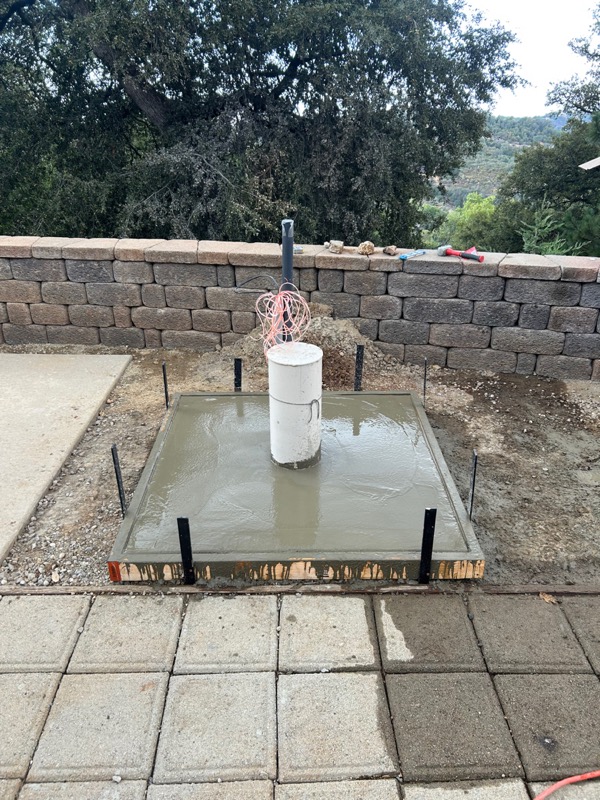
Growing avocados in Cahuilla? These water-loving trees need reliable, high-quality well water for healthy production. Southern California Well Service supports Riverside County avocado growers with specialized well services.
📋 In This Guide
- Avocado Water Demands
- Well Systems for Avocado Groves
- Chloride Sensitivity
- Partnering with Cahuilla Avocado Growers
- Related Articles
Avocado Water Demands
Avocados are thirsty trees:
- Mature tree: 40-70 gallons per day in summer
- Per acre: 4-6 acre-feet per year
- Critical periods: Fruit set and sizing
A reliable well is essential for profitable avocado production in Riverside County.
Well Systems for Avocado Groves
- High-capacity agricultural wells
- Storage tanks for peak demand periods
- Drip irrigation systems for efficiency
- Micro-sprinklers for young trees
- Pressure regulation for uniform coverage
Chloride Sensitivity
Avocados are highly sensitive to chloride in irrigation water. If your Cahuilla well has elevated chloride:
- Blending with lower-chloride water source
- Leaching irrigation to flush salts
- Rootstock selection for salt tolerance
- Regular soil and leaf testing
We test well water for avocado-critical parameters.
Partnering with Cahuilla Avocado Growers
Avocados are a major crop in Riverside County, and reliable water is essential for success. Contact us for well services designed for avocado production.
Need Help With Your Well in Cahuilla?
Our expert technicians serve Cahuilla and all of Riverside County with professional well services.
Related Articles
Continue learning about well maintenance and troubleshooting
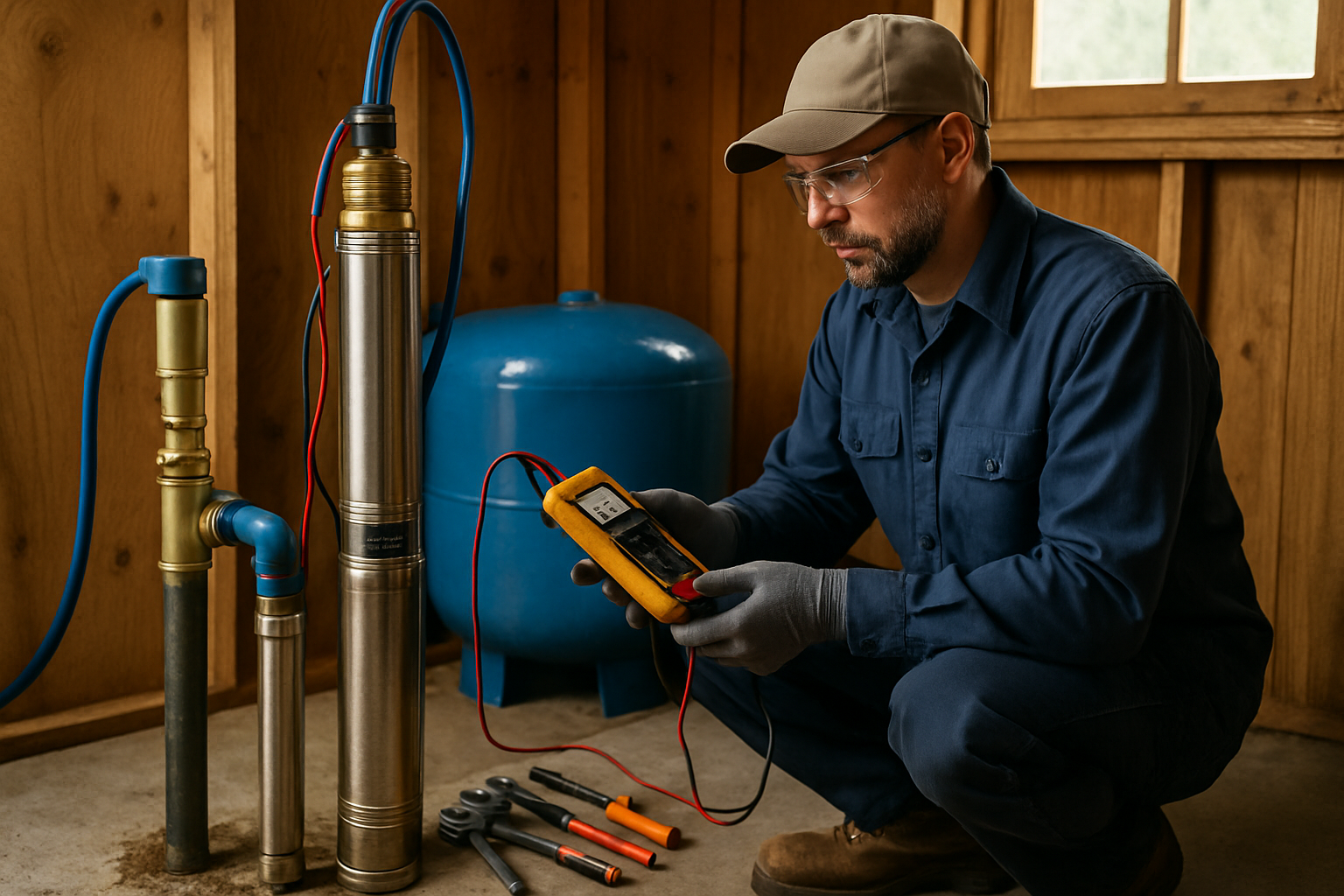
Signs Your Well Pump Is Failing
Catch pump problems early before you lose water completely.
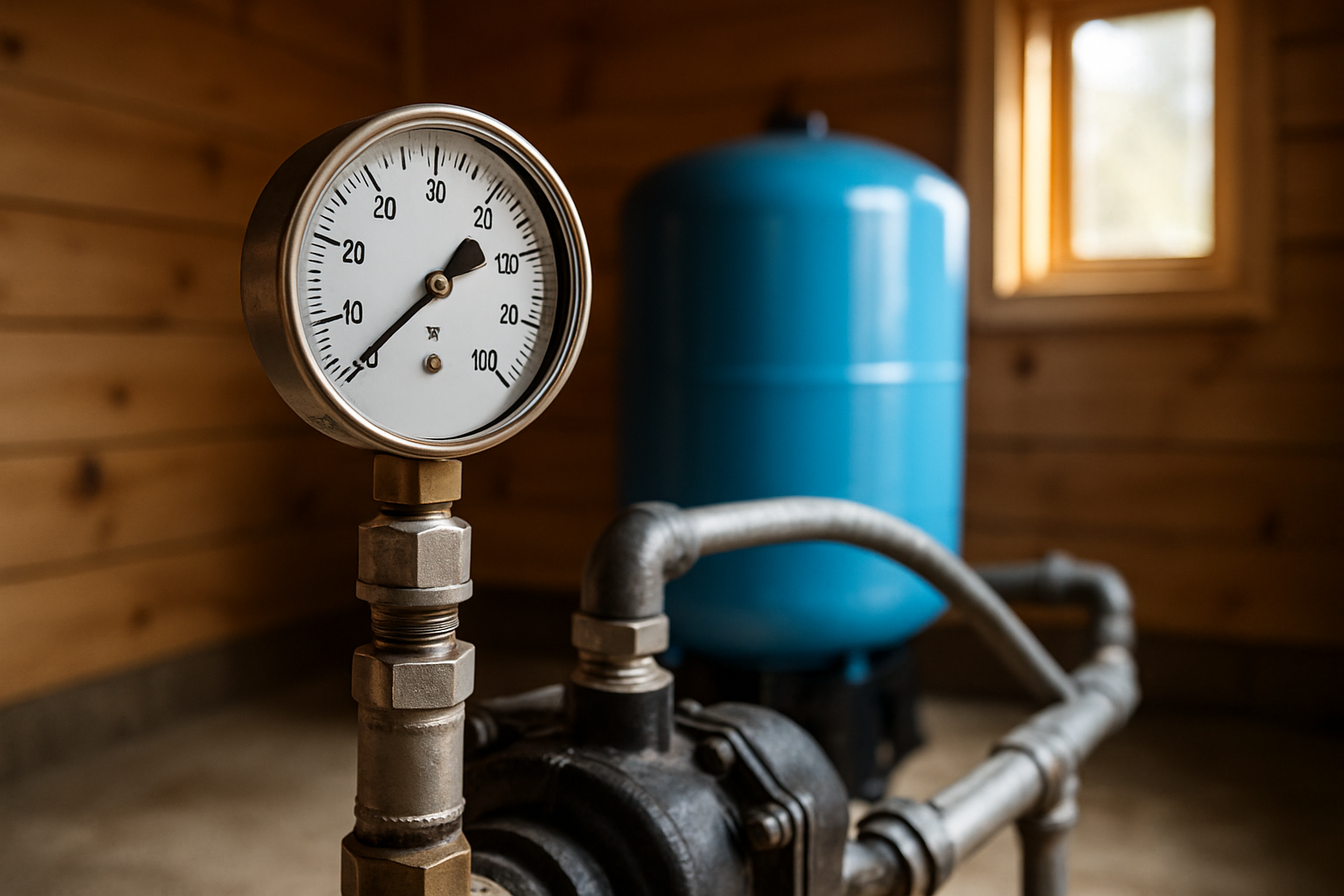
Low Water Pressure From Well
Diagnose and fix pressure problems before they get worse.
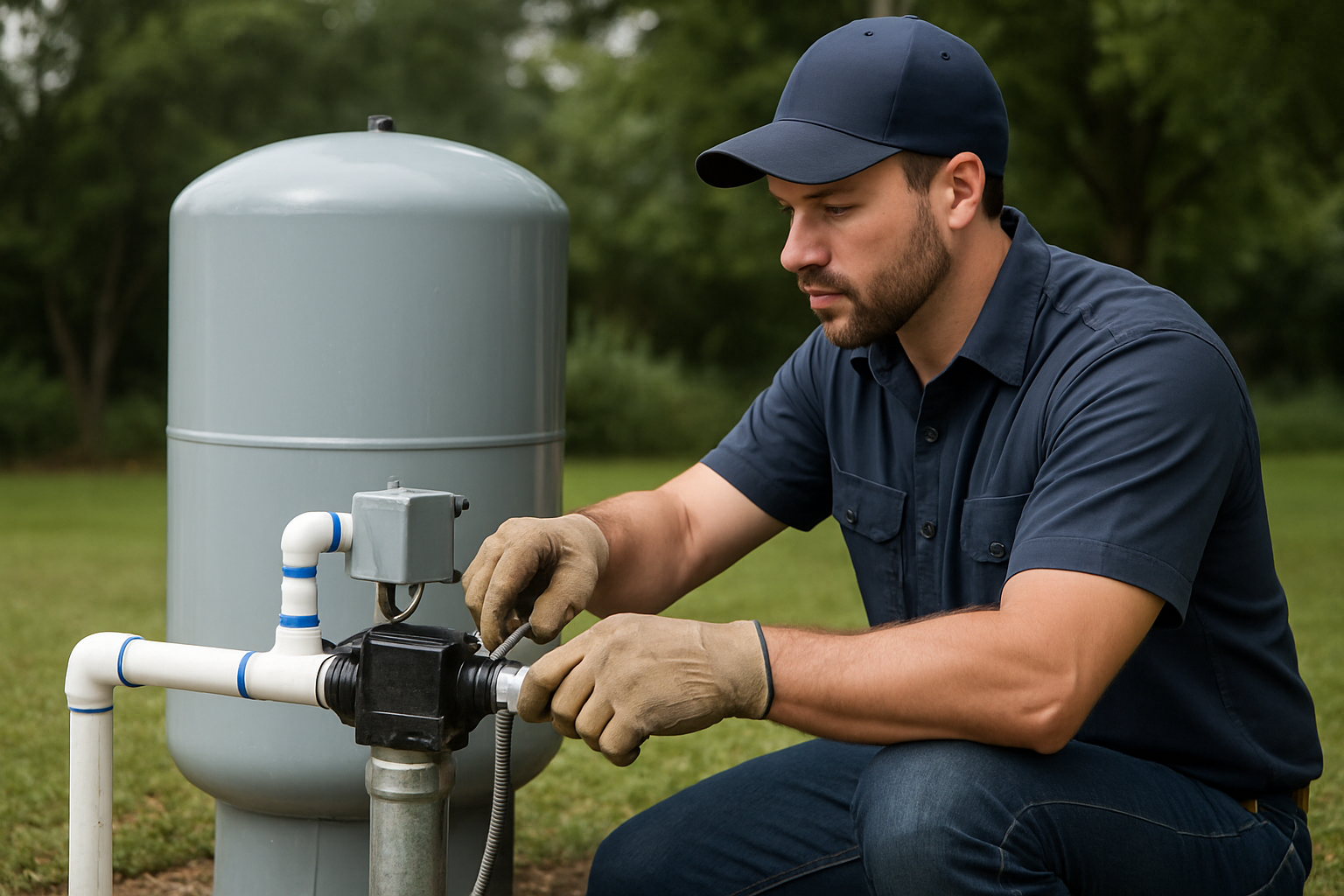
Well Maintenance Guide
Keep your well running smoothly with regular maintenance.
Our Locations
1077 Main St, Ramona, CA 92065
57174 CA-371 (US Hwy 79), Anza, CA 92539
Backcountry Well and Irrigation Help for Cahuilla Ranches
Cahuilla sits high in the rugged backcountry of southern Riverside County, in the ranch-and-reservation country near Anza and Aguanga along the Highway 371 and Highway 79 corridors. Up here the land sits around 4,000 to 4,500 feet, the nights turn cold, and hard winter frost is a regular fact of life. We'll be straight with you: this is not avocado territory in any commercial sense. Avocados hate frost, and the Cahuilla Valley gets plenty of it. A grower with a frost-protected, south-facing pocket might nurse a few trees along, but the real story in Cahuilla is fractured-rock backcountry wells supplying homes, horse properties, cattle, and pasture or orchard irrigation that can tolerate the cold.
Southern California Well Service runs one of our two offices right in Anza, minutes from Cahuilla, so this high country is genuinely our home turf. since 2020 we've drilled, repaired and rehabilitated wells across the Anza-Cahuilla-Aguanga triangle, and we understand the granite, the frost, and the long distances between properties out here.
How Fractured-Rock Wells Work in the Cahuilla Valley
The Cahuilla and neighboring Terwilliger valleys sit on a combination of a thin alluvial aquifer and, beneath and around it, a fractured granitic bedrock aquifer. Most water out here comes from cracks, joints and decomposed zones in the granite rather than from clean beds of sand and gravel. USGS work in the Anza-Terwilliger area found wells averaging a little over 300 feet deep, with some reaching well past 1,000 feet chasing productive fractures. Two wells a quarter-mile apart can yield very differently depending on whether the drill intersected a good fracture network.
A practical Cahuilla system pairs a submersible pump set deep enough to ride out seasonal water-level swings with a pressure tank, a robust pressure switch, and — almost always — a large storage tank. Because fractured-rock wells often recover slowly, the smart play is to let the well trickle into storage around the clock and then pump from that tank for irrigation or peak household demand. That protects the well from being pumped dry and gives you the flow you actually need.
Common Local Scenarios in Cahuilla
- Frost and freeze damage. Exposed wellheads, above-ground lines and pressure tanks can freeze on cold backcountry nights. Insulation, heat tape and proper burial depth matter here far more than in the valleys below.
- Low and slow-recovery yield. Fractured-rock wells frequently produce only a few gallons per minute. Storage tanks and, where appropriate, hydrofracturing are the standard answers.
- Lightning and power surges. The high country sees frequent summer thunderstorms. Surges fry pump motors and control boxes, so surge protection on rural wells is money well spent.
- Iron, manganese and mineral content. Granite-sourced water can carry iron and manganese that stain fixtures and clog drip emitters. Targeted treatment keeps systems flowing.
What to Check Before You Call
- Look at the pressure gauge and tank. No pressure, or pressure that collapses the instant you open a tap, often means a failed tank bladder or a dropped water level.
- Check for freeze. On a cold morning with no water, suspect a frozen line or wellhead before assuming the pump failed.
- Inspect the control box and breaker. Scorch marks or a tripped breaker after a storm point to a surge event.
- Note any change in the water. New sediment, color or odor is worth reporting when you call.
When to Call a Professional
Thawing an exposed pipe with heat tape is a reasonable DIY task. Pulling a pump from a 400-foot granite well, diagnosing slow recovery, or deciding whether to hydrofracture is not. With long response distances out here, a misdiagnosis is expensive — call a licensed C-57 contractor who knows backcountry wells. Our Anza base means we can usually reach Cahuilla quickly.
Realistic Cost Ranges
- Pressure switch: $150–$350
- Pressure tank: $600–$1,500
- Submersible pump (deep granite well): $2,500–$5,500
- Iron/manganese treatment or softener: $1,500–$3,500
- Constant-pressure / booster system: $2,000–$4,500
- Hydrofracturing to boost a low-yield well: $3,000–$8,000
- New turnkey well: $18,000–$42,000
Diagnostic visits are $125 and credited to the job.
Serving Cahuilla, Anza and the High Country
From our Anza office on US Highway 79 — and our Ramona office to the south — we serve Cahuilla, Anza, Aguanga, Sage and the surrounding ranch country every week. We're a CSLB #1086994, licensed C-57 outfit with same-day emergency service for no-water calls. Out here, having a well contractor who is genuinely local isn't a luxury; it's the difference between water today and water next week.
Frequently Asked Questions
Can avocados survive in Cahuilla?
Not reliably. At 4,000-plus feet with hard winter frost, avocados are very risky. A sheltered, frost-protected micro-spot might keep a tree or two alive, but Cahuilla's strength is hardy pasture, orchard and livestock irrigation — not commercial avocados.
How deep will my Cahuilla well need to be?
Local wells often run a few hundred feet, with some far deeper to reach good fractures. Average depths in the area sit around 300 feet, but it depends entirely on where the granite gives up water on your parcel.
Why is my well's flow so low?
Fractured-rock wells produce only what the cracks deliver, sometimes just a few gallons per minute. Storage tanks bridge the gap, and hydrofracturing can sometimes open new fractures and improve yield.
How do I keep my system from freezing?
Bury lines below frost depth, insulate the wellhead and pressure tank, and use heat tape on exposed components. We can retrofit freeze protection on existing setups.
Do you really service this far out?
Yes — our Anza office is right next door. Cahuilla is core territory for us, and we offer same-day emergency response. Call (760) 440-8520 or text (760) 219-5877.
What should I do first when the water stops?
Rule out a frozen line and a tripped breaker, then call us for a $125 diagnostic. We'll find the real cause and quote it honestly before starting work.
Seasonal Well Care in the Anza-Cahuilla High Country
At 4,000-plus feet, Cahuilla experiences a true four-season backcountry climate, and your well needs different attention as the year turns. Through the dry summer, fractured-rock wells are most likely to show their limits — water levels drop, recovery slows, and a storage tank that was adequate in spring can run short by August. A mid-summer check of your pump's performance and your storage capacity keeps irrigation and household demand from outrunning what the granite can deliver.
Winter is the season that catches people off guard up here. Hard frost is routine, and an unprotected wellhead, pressure tank or above-ground line can freeze solid overnight. Far too many backcountry no-water calls in January trace back to a frozen pipe rather than a failed pump. Proper burial depth, insulated enclosures and heat tape on exposed components prevent the great majority of these. Because we're based right in Anza, we can get up to a frozen Cahuilla wellhead quickly when prevention wasn't enough.
Water Testing and Treatment in Granite Country
Granite-sourced groundwater in the Cahuilla and Terwilliger basins commonly carries iron, manganese and varying hardness. Left untreated, these stain fixtures, build scale in plumbing, and clog the fine emitters in any drip irrigation system. A periodic water test tells us exactly what your well is producing so we can right-size treatment — a sediment filter, an iron/manganese system, or a softener — instead of guessing. We collect samples during routine visits and base every recommendation on the actual lab results for your parcel.
What to Expect When You Work With Us in Cahuilla
When you call about a Cahuilla well, the first thing we do is ask questions: what changed, when, and what the system was doing before it stopped. Out in the high country, the answer is often as simple as a frozen line or a storm-tripped breaker, and we'd rather help you rule those out over the phone than charge you for a drive. If a site visit is needed, our $125 diagnostic covers a real inspection of the wellhead, pressure tank, switch, wiring and water level — and that fee is credited toward the repair if you hire us.
From there we give you an honest, itemized estimate before touching anything. If a pump needs pulling, we bring the rig and do it safely; if the well's recovery is the real limit, we'll talk through storage upgrades or hydrofracturing rather than just selling you a bigger pump that the granite can't feed. Because we drill, repair and treat water all under one C-57 license, you get one accountable contractor for the whole job instead of a chain of subcontractors pointing fingers. That single-source accountability matters even more when your property is a long way from town and you can't afford a return trip for something that should have been caught the first time.
Get Backcountry Well Service You Can Trust
If your Cahuilla well is slowing down, freezing up, or simply due for a checkup, talk to the team that's based right here in the high country. Call (760) 440-8520, text (760) 219-5877, or request a free estimate. Same-day emergency service is available across the Anza-Cahuilla area.