
Well Services for Del Mar Avocado Groves
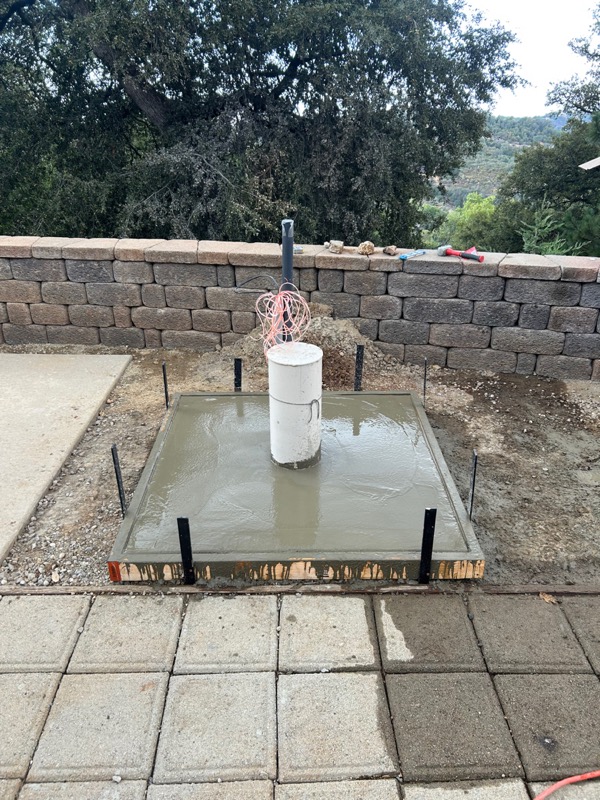
Growing avocados in Del Mar? These water-loving trees need reliable, high-quality well water for healthy production. Southern California Well Service supports San Diego County avocado growers with specialized well services.
📋 In This Guide
- Avocado Water Demands
- Well Systems for Avocado Groves
- Chloride Sensitivity
- Partnering with Del Mar Avocado Growers
- Related Articles
Avocado Water Demands
Avocados are thirsty trees:
- Mature tree: 40-70 gallons per day in summer
- Per acre: 4-6 acre-feet per year
- Critical periods: Fruit set and sizing
A reliable well is essential for profitable avocado production in San Diego County.
Well Systems for Avocado Groves
- High-capacity agricultural wells
- Storage tanks for peak demand periods
- Drip irrigation systems for efficiency
- Micro-sprinklers for young trees
- Pressure regulation for uniform coverage
Chloride Sensitivity
Avocados are highly sensitive to chloride in irrigation water. If your Del Mar well has elevated chloride:
- Blending with lower-chloride water source
- Leaching irrigation to flush salts
- Rootstock selection for salt tolerance
- Regular soil and leaf testing
We test well water for avocado-critical parameters.
Partnering with Del Mar Avocado Growers
Avocados are a major crop in San Diego County, and reliable water is essential for success. Contact us for well services designed for avocado production.
Need Help With Your Well in Del Mar?
Our expert technicians serve Del Mar and all of San Diego County with professional well services.
Related Articles
Continue learning about well maintenance and troubleshooting
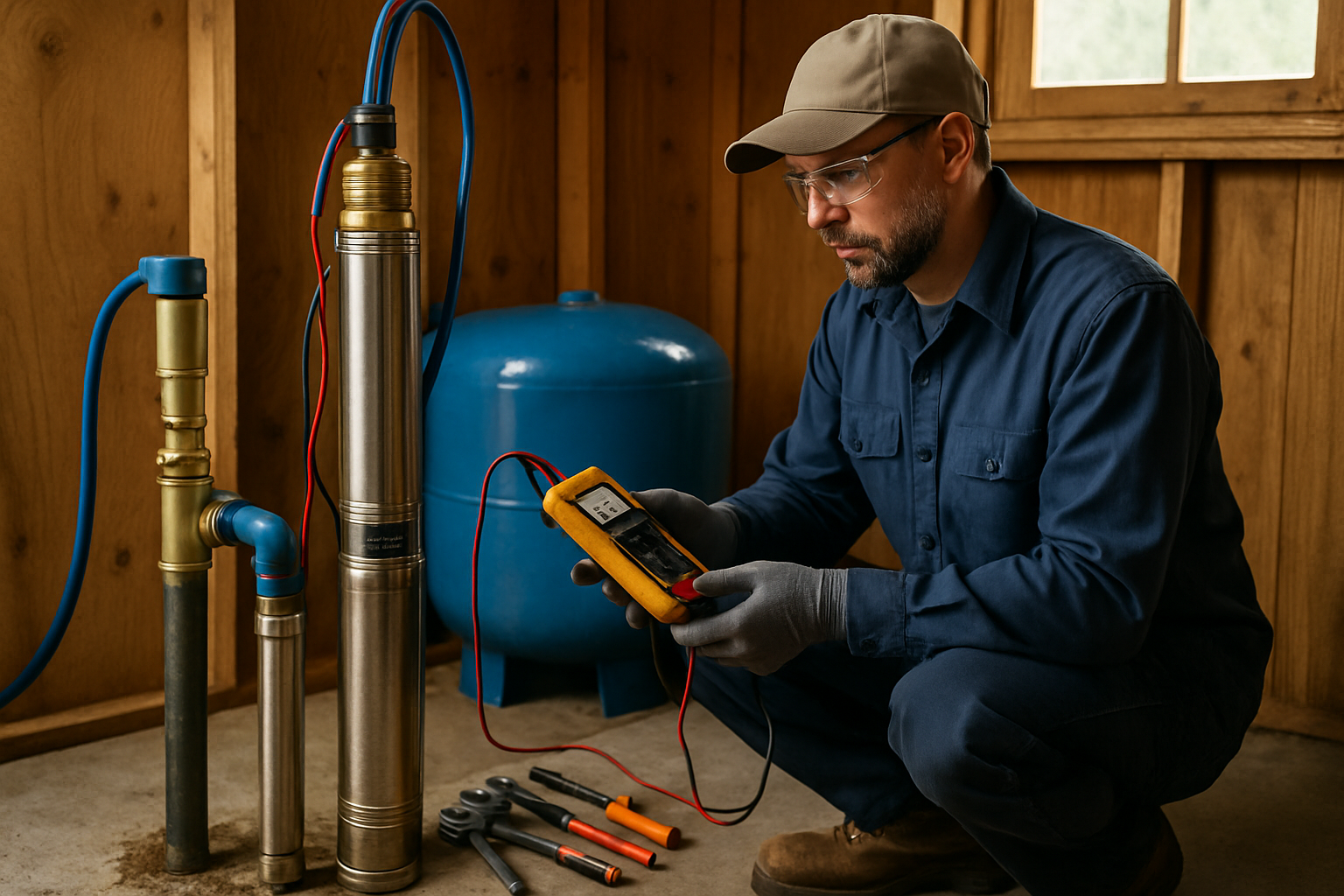
Signs Your Well Pump Is Failing
Catch pump problems early before you lose water completely.
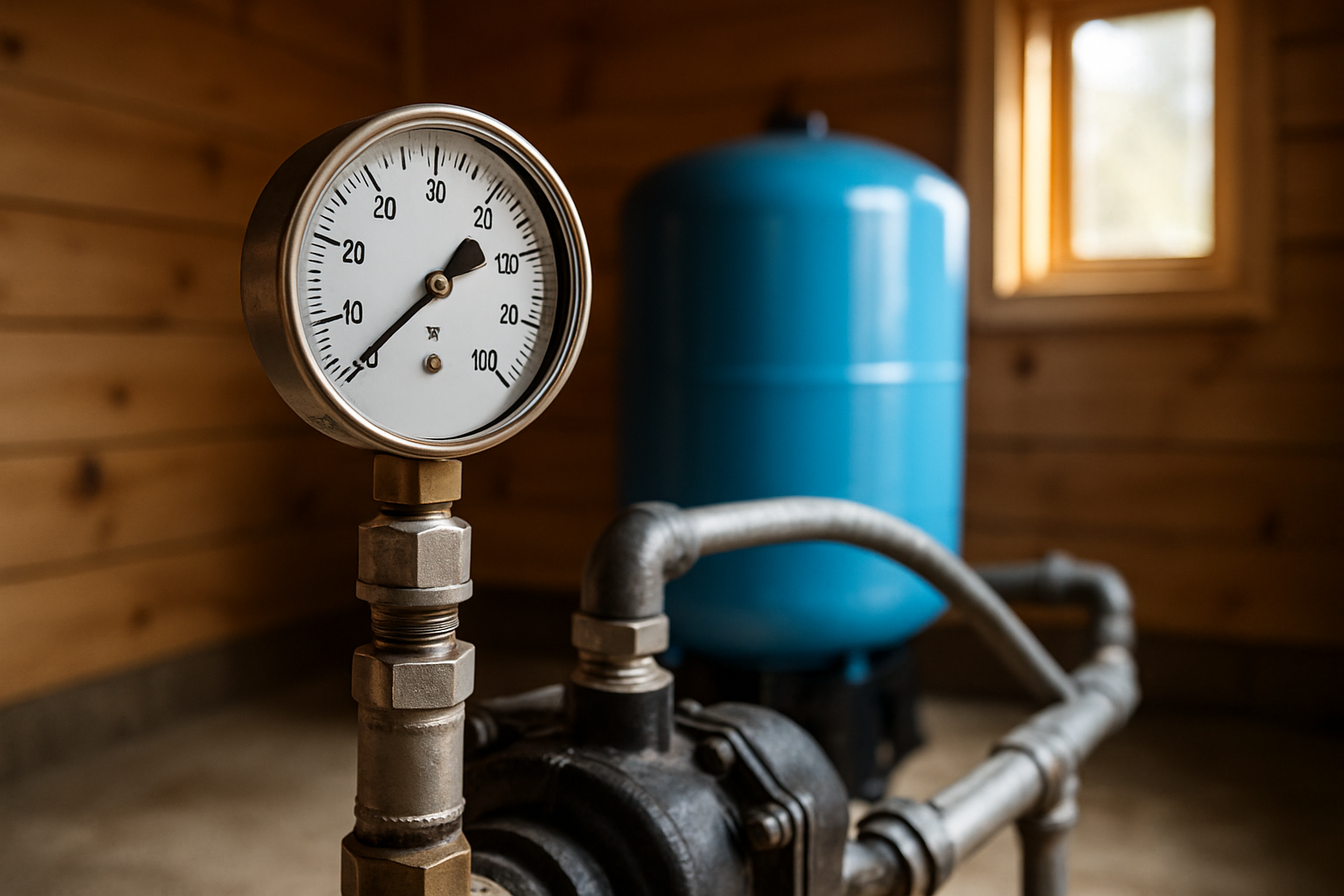
Low Water Pressure From Well
Diagnose and fix pressure problems before they get worse.
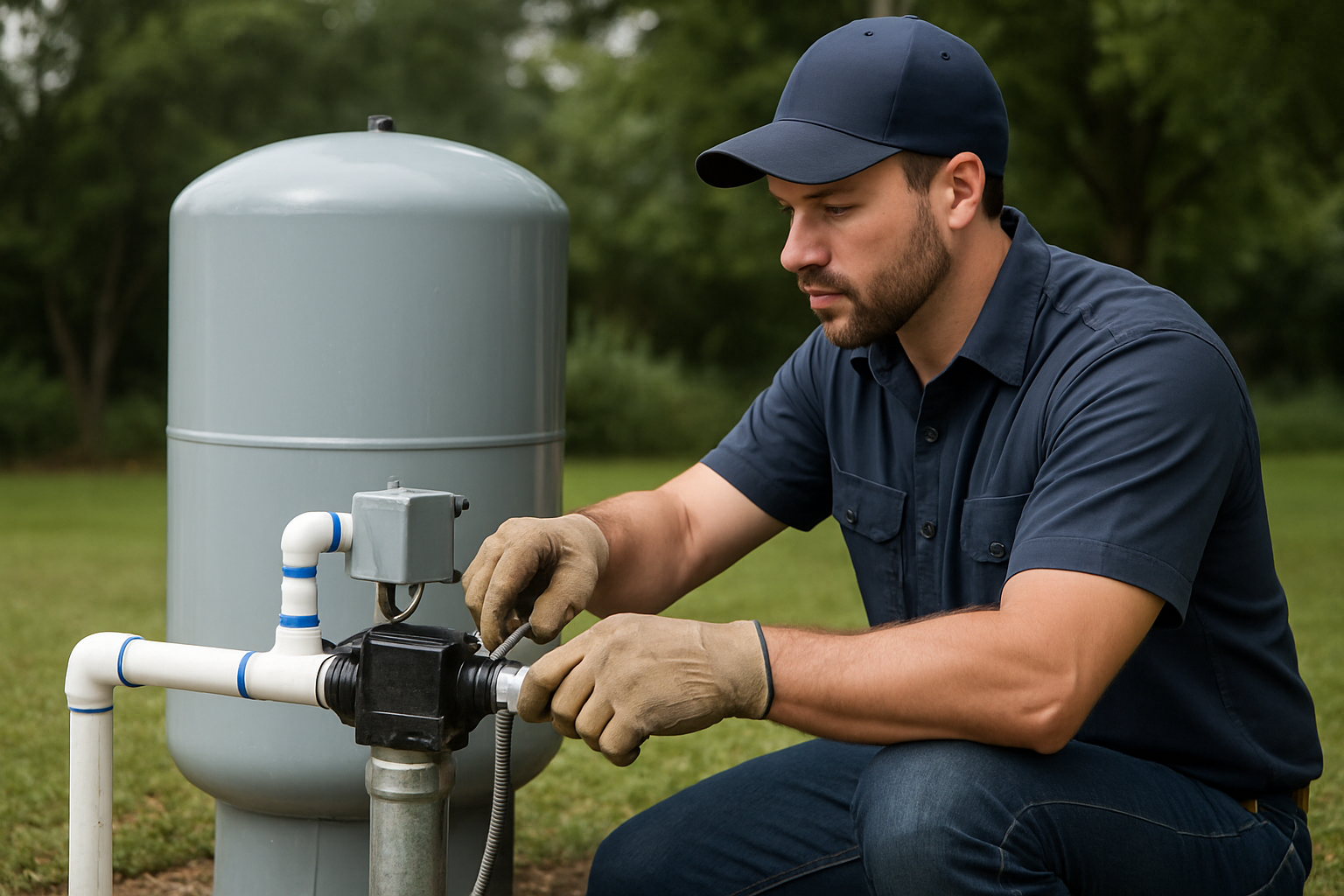
Well Maintenance Guide
Keep your well running smoothly with regular maintenance.
Our Locations
1077 Main St, Ramona, CA 92065
57174 CA-371 (US Hwy 79), Anza, CA 92539
Private Wells and Landscape Irrigation in Del Mar's Coastal Setting
Del Mar sits on the northern edge of San Diego County's coastline, a compact beach city of roughly two square miles wrapped around bluffs, the San Dieguito lagoon, and the famous Del Mar Racetrack and fairgrounds. Most homes here draw their household water from municipal supply rather than a private well, so it is worth being straightforward: Del Mar is not a commercial avocado district. What it does have is a strong culture of estate gardens, ornamental landscaping, mature lawns, and the occasional backyard avocado or citrus tree on the larger lots that climb toward Carmel Valley, Rancho Santa Fe, and Solana Beach. Where private wells exist in and around Del Mar, they are almost always landscape and irrigation wells, or legacy domestic wells on bigger parcels, used to keep gardens green without leaning entirely on metered city water.
That distinction matters because a landscape irrigation well near the coast faces a very different set of conditions than an inland agricultural well. The geology beneath Del Mar is marine sedimentary rock and coastal terrace deposits laid down over millions of years, not the fractured granite found further east in Ramona or Anza. Combined with proximity to the ocean and the San Dieguito lagoon system, the defining water-quality concern here is salinity. Brackish or salt-influenced groundwater is the issue that most often surprises property owners, and it has direct consequences for the salt-sensitive plants Del Mar gardeners love, including avocado and citrus.
How a Private Well and Landscape Irrigation System Works
A residential well and irrigation setup in Del Mar is a chain of components, and a weak link anywhere shows up at the sprinkler heads. Understanding the pieces helps you describe a problem accurately when you call for help.
- The well and submersible pump draw groundwater up from the saturated zone. The pump sits deep in the casing and pushes water toward the surface on demand.
- The pressure tank stores a cushion of pressurized water so the pump is not forced to cycle on every time a valve opens. A waterlogged or failed tank is one of the most common reasons for rapid, short pump cycling.
- The pressure switch tells the pump when to start and stop based on system pressure. It is an inexpensive part that causes outsized headaches when it sticks or burns out.
- Filtration and treatment may include a sediment filter and, where salinity or minerals are a concern, additional conditioning before the water reaches the irrigation zones.
- The irrigation distribution ties into valves, drip lines, and micro-sprinklers that water beds, hedges, ornamental trees, and any backyard fruit trees.
For estate gardens spread across uneven coastal lots, a constant-pressure or booster system is often added so that the furthest zone gets the same coverage as the one nearest the pump.
Common Local Scenarios and Their Causes
The calls we field from coastal North County properties tend to cluster around a handful of recurring situations:
- Salty or brackish water showing up as white crusting on soil, leaf-tip burn on avocado and citrus, and declining ornamental plants. Near the lagoon and the coast, this often traces back to salinity in the groundwater itself.
- Weak or uneven irrigation pressure where the back of the garden never gets watered properly, frequently a tank, pressure-switch, or aging-pump issue rather than the sprinklers themselves.
- Short cycling, where the pump clicks on and off rapidly, which usually points to a waterlogged pressure tank or a misadjusted switch and will shorten pump life if ignored.
- Sediment and cloudiness from coastal terrace fines working into the system, clogging drip emitters and micro-sprinklers.
- Iron or manganese staining that leaves rust-colored marks on hardscape, walls, and light-colored stucco common in Del Mar architecture.
- A legacy well that has simply aged out, where a decades-old domestic well on a larger lot is no longer reliable and the owner is weighing repair against replacement or proper decommissioning.
A Practical What-to-Check List
Before you call, a few quick observations help us diagnose faster and may even point to something you can resolve yourself:
- Look at the pressure gauge on the tank. Is it holding steady, or swinging wildly when irrigation runs?
- Listen to the pump. Rapid clicking on and off is a classic short-cycling symptom.
- Check the breaker for the well or irrigation pump. Rule out a simple tripped circuit first.
- Inspect emitters and sprinkler heads for crusty mineral or salt buildup.
- Note any change in taste, smell, color, or a salty edge to the water, and roughly when it started.
- Watch your salt-sensitive plants. Tip burn on avocado and citrus leaves is an early warning of rising chloride or salinity.
- Confirm whether the problem affects every zone or just the ones farthest from the pump.
When to Call a Professional
Some things are simple homeowner checks. Others should not be handled without a licensed contractor. Call a professional when you see water-quality changes that point to salinity intrusion, when the pump runs but pressure stays low, when you suspect the pump itself is failing, or when a treatment system needs to be sized for brackish or mineral-heavy water. Anything involving the well casing, the submersible pump, electrical components at the wellhead, or the decision to rehabilitate versus abandon an old well calls for a C-57 licensed well contractor. Southern California Well Service is licensed C-57 founded in 2020, with 60+ years of family heritage across San Diego County, and we carry CSLB #1086994 with same-day emergency response.
Realistic Cost Ranges
Every property is different, but these ranges give Del Mar owners a realistic sense of what common work costs. Final pricing depends on access, depth, water chemistry, and the equipment already in place.
- Pressure switch replacement: $150 to $350
- Pressure tank replacement: $600 to $1,500
- Pump replacement: $2,500 to $5,500
- Sediment filtration: $300 to $900
- Iron/manganese filtration or a water softener: $1,500 to $3,500
- Constant-pressure or booster system: $2,000 to $4,500
- New well, turnkey: $18,000 to $42,000
- Hydrofracturing to improve yield: $3,000 to $8,000
- Well abandonment/decommissioning: $1,500 to $5,000
- Diagnostic visit: $125, credited toward the work if you proceed
Serving Del Mar and Coastal North County
We serve Del Mar and the surrounding coastal communities, including Solana Beach, Carmel Valley, Rancho Santa Fe, Del Mar Heights, and the broader North County San Diego coastline. Our work is dispatched from two offices: our Ramona office at 1077 Main St, Ramona, CA 92065, and our Anza office at 57174 CA-371 (US Hwy 79), Anza, CA 92539. Whether you have a landscape irrigation well keeping an estate garden alive or a legacy domestic well that needs an honest evaluation, our technicians know how coastal San Diego County groundwater behaves and how to protect the salt-sensitive plantings that define Del Mar yards.
Frequently Asked Questions
Does Del Mar have private wells if most homes are on city water?
Yes, though they are less common than inland. The wells you find in and around Del Mar are typically landscape and irrigation wells used to water estate gardens and ornamental landscaping, plus older legacy domestic wells on larger lots. They supplement or reduce reliance on metered municipal water rather than serving as a property's only supply.
Why does my well water near the coast taste or feel salty?
Proximity to the ocean and the San Dieguito lagoon means coastal groundwater can be brackish or salt-influenced. Salinity is the single most common water-quality issue near the Del Mar coast, and it is what makes avocado, citrus, and other salt-sensitive plants struggle with leaf-tip burn.
Can I still grow a backyard avocado or citrus tree on well water here?
Often yes, but water chemistry matters. Avocado and citrus are notably salt-sensitive, so we recommend testing for salinity and chloride first. Where levels are elevated, blending, additional leaching, and appropriate filtration can make the difference between thriving trees and steady decline.
Should I repair my old well or replace it?
That depends on the well's depth, condition, yield, and water quality. A diagnostic visit lets us evaluate the casing, pump, and chemistry before recommending repair, rehabilitation such as hydrofracturing, full replacement, or proper decommissioning. We give an honest assessment rather than defaulting to the most expensive option.
How fast can you respond in Del Mar?
We offer same-day emergency service. Because we dispatch from our Ramona and Anza offices and cover the North County coastline regularly, we can usually get a technician to Del Mar quickly when an irrigation well or pump fails.
Are you licensed to work on wells?
Yes. Southern California Well Service holds a C-57 water well contractor license and has served San Diego County since 2020. That license is required for legitimate work on well casings, pumps, and decommissioning, and it is the difference between a true well contractor and a general plumber.
Talk to a Local Well Team
If your Del Mar irrigation well, pump, or water quality needs attention, reach out to Southern California Well Service. Call us at (760) 440-8520 or text (760) 219-5877 for same-day emergency help, honest diagnostics, and solutions sized for coastal San Diego County conditions. A diagnostic visit is just $125 and is credited toward the work when you move forward.