
Well Services for Devore Avocado Groves
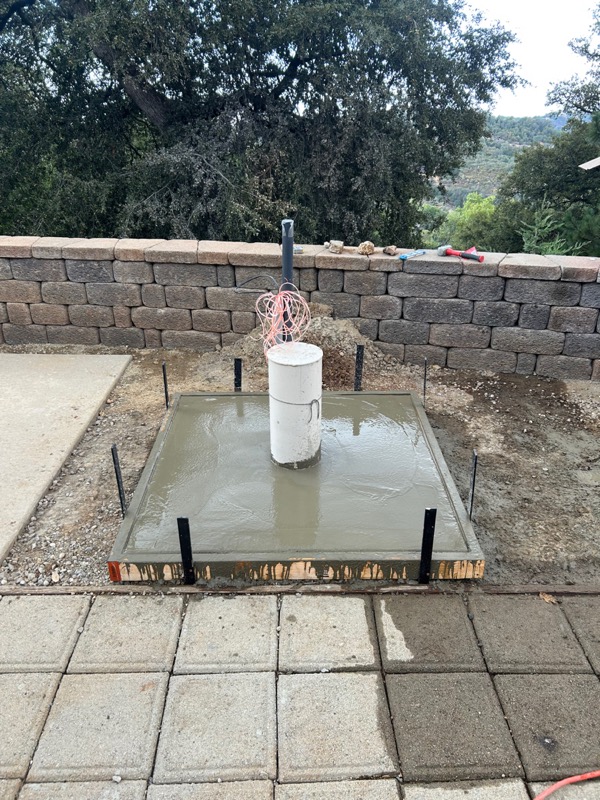
Growing avocados in Devore? These water-loving trees need reliable, high-quality well water for healthy production. Southern California Well Service supports San Bernardino County avocado growers with specialized well services.
📋 In This Guide
- Avocado Water Demands
- Well Systems for Avocado Groves
- Chloride Sensitivity
- Partnering with Devore Avocado Growers
- Related Articles
Avocado Water Demands
Avocados are thirsty trees:
- Mature tree: 40-70 gallons per day in summer
- Per acre: 4-6 acre-feet per year
- Critical periods: Fruit set and sizing
A reliable well is essential for profitable avocado production in San Bernardino County.
Well Systems for Avocado Groves
- High-capacity agricultural wells
- Storage tanks for peak demand periods
- Drip irrigation systems for efficiency
- Micro-sprinklers for young trees
- Pressure regulation for uniform coverage
Chloride Sensitivity
Avocados are highly sensitive to chloride in irrigation water. If your Devore well has elevated chloride:
- Blending with lower-chloride water source
- Leaching irrigation to flush salts
- Rootstock selection for salt tolerance
- Regular soil and leaf testing
We test well water for avocado-critical parameters.
Partnering with Devore Avocado Growers
Avocados are a major crop in San Bernardino County, and reliable water is essential for success. Contact us for well services designed for avocado production.
Need Help With Your Well in Devore?
Our expert technicians serve Devore and all of San Bernardino County with professional well services.
Related Articles
Continue learning about well maintenance and troubleshooting

Signs Your Well Pump Is Failing
Catch pump problems early before you lose water completely.
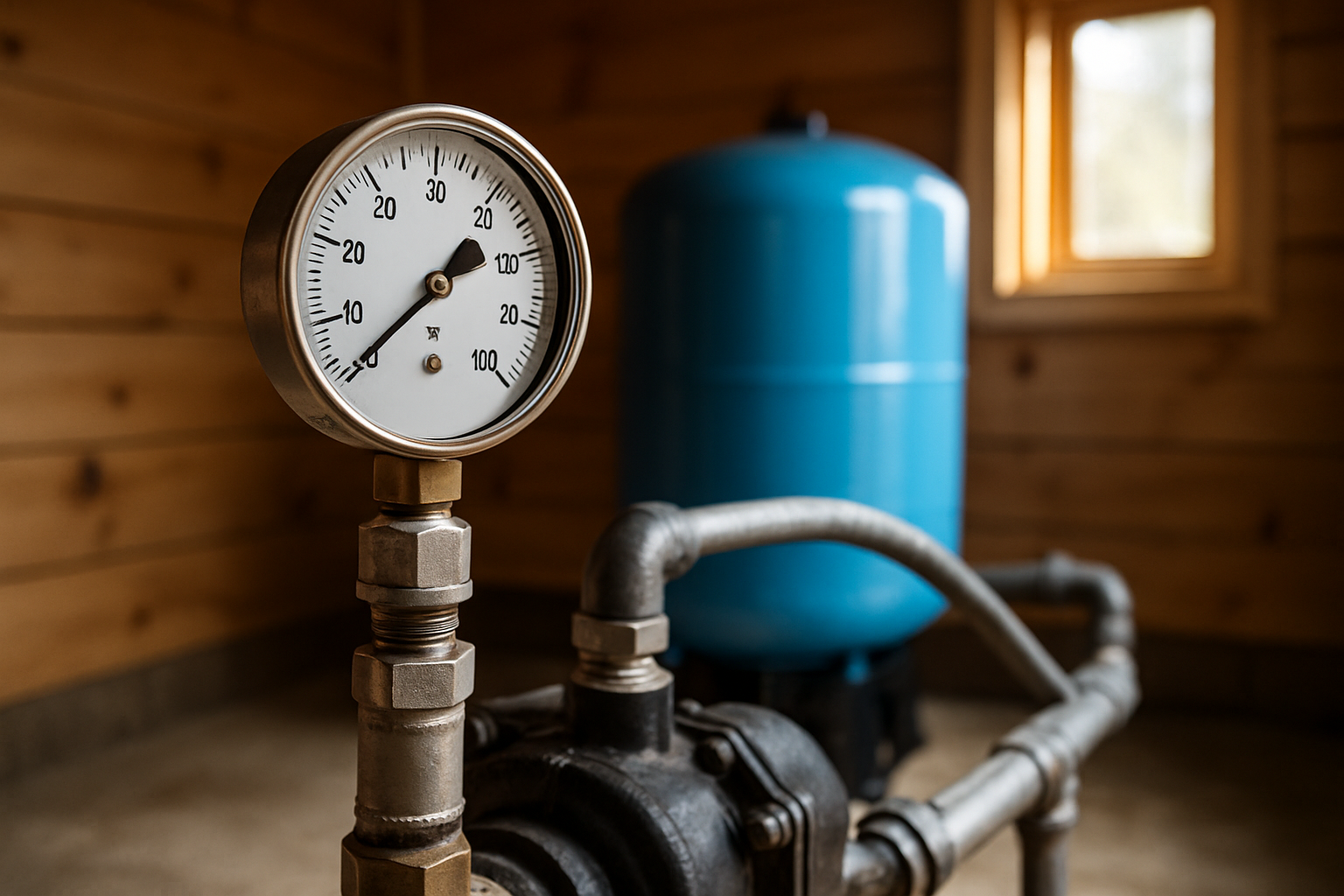
Low Water Pressure From Well
Diagnose and fix pressure problems before they get worse.

Well Maintenance Guide
Keep your well running smoothly with regular maintenance.
Our Locations
1077 Main St, Ramona, CA 92065
57174 US Highway 79, Anza, CA 92539
Well Service for Devore Properties in the Cajon Pass Foothills
Devore sits in a distinctive corner of San Bernardino County, an unincorporated foothill community tucked north of the city of San Bernardino at the southern mouth of Cajon Pass. The neighborhoods here climb into the lower slopes of the San Bernardino National Forest, with Glen Helen Regional Park and the Glen Helen Amphitheater anchoring the valley floor where Cajon Creek spills out of the mountains. For the property owners who depend on a private well in this terrain, the water system is not a background utility. It is the difference between a working homestead and a dry one, and the geology beneath your feet plays a far larger role than most homeowners realize.
For more than 30 years, Southern California Well Service has worked the foothill and high-desert communities of this region as a licensed C-57 water well drilling contractor. We are not a transplant outfit reading a map for the first time. We know what Devore wells pull from, why they behave the way they do, and how to keep them running through hot summers, dry winters, and the occasional shake that comes with living in fault country.
Honest Talk About Avocados in Devore
If you landed here looking for a commercial avocado grower's guide, we owe you a straight answer: Devore is not avocado country. The classic California avocado belt sits in milder coastal and inland valleys where winter frost is rare and summer heat is tempered. Devore's foothill elevation, frost pockets, and Cajon Pass wind and heat make it a poor fit for commercial groves. You will find the occasional backyard avocado tree babied along by a determined homeowner, but the real water story here is about domestic and rural-residential wells, landscape and garden irrigation, a few backyard fruit trees, and water for horses and other livestock. That is the work we actually do in Devore, and it is the work this guide focuses on.
How a Foothill, Alluvial Private Well Works
A private well in Devore is a complete water system, and every part has to cooperate for water to reach your faucet at the right pressure. Most local wells draw from one of two sources: the alluvial fan and Cajon Wash deposits that the creek has laid down over millennia, or fractured bedrock closer to the mountain front. Alluvial wells tap loose sand, gravel, and cobble, which can yield generously but also tend to pull fine sediment. Bedrock wells depend on cracks and fractures in the granite, and their yield can vary sharply from one parcel to the next.
Once water is in the casing, a submersible pump pushes it up to the surface. A pressure tank stores a buffer of water and holds system pressure so the pump is not cycling on and off every time you open a tap. A pressure switch tells the pump when to start and stop, and from there the water moves through any filtration or treatment before it reaches the house and the irrigation lines. On larger Devore parcels, a storage tank and a booster or constant-pressure system often sit between the well and the landscape so a modest well can still water a garden, an orchard row, or a livestock trough on demand.
Common Well Scenarios We See in Devore
Living at the foot of Cajon Pass means your well faces a specific set of challenges. These are the problems Devore property owners call us about most often.
- Sand and sediment from alluvial wells. Wells set in Cajon Wash deposits frequently produce fine sand, especially as a pump ages or a well is pushed hard during dry months. Sand chews up pump impellers, clogs irrigation emitters, and settles in tanks and toilet bowls. It is the single most common complaint we hear in this part of the county.
- Hard, mineral-rich water. Water that has filtered through alluvial and granitic material picks up calcium, magnesium, and often iron and manganese. The result is scale on fixtures, white spotting, rust-colored staining, and shortened appliance life. Hard water is a comfort issue, but it also quietly shortens the life of pumps and plumbing.
- Fault-influenced, variable yield. Devore's hydrogeology is genuinely unusual. The San Andreas Fault runs through the hills at the upper end of the community, while the Glen Helen and San Jacinto Faults cut through Cajon Creek and the wash below. These faults act as groundwater barriers, meaning two wells a short distance apart can sit in entirely different water compartments. One parcel may have abundant water while a neighbor struggles. This is why a local driller who understands the fault structure matters so much here.
- Drought and seasonal swings. Southern California's wet-dry cycle hits foothill wells hard. A well that produces comfortably in a wet year can drop in level through a string of dry winters, leaving you with reduced yield, more air in the lines, or a pump that runs dry. Planning storage and pump depth around the dry-year reality, not the wet-year best case, is critical.
- Wildfire-area access and resilience. Devore borders the San Bernardino National Forest in fire-prone terrain. Power shutoffs, evacuation, and the need to defend a property all put a premium on a well that can run when you need it, sometimes on a generator. We help owners think through backup power and accessible equipment placement.
What to Check Before You Call
A few quick observations can save time and help us bring the right parts on the first trip. Before you pick up the phone, see what you can safely note.
- Is the problem no water at all, low pressure, or water that looks or smells wrong?
- Check your pressure tank gauge. Does pressure build and hold, or does it never reach the cut-off pressure?
- Listen at the well head and pressure tank. Is the pump running constantly, short-cycling rapidly, or silent?
- Check the breaker and any pump controls for a tripped breaker or a reset that has popped.
- Run an outside hose bib and look for sand, grit, cloudiness, or color in the water.
- Note any recent change: a dropping water level, a new noise, staining that just started, or reduced flow on the irrigation zones.
Never open electrical panels or pull equipment you are not comfortable with. A few notes are plenty for our technicians to work from.
When to Call a Professional
Some symptoms point to a problem that will only get worse and more expensive if it waits. Call us promptly if you have total loss of water, a pump that runs without ever building pressure, repeated tripped breakers at the well, sudden heavy sand, or a noticeable drop in water level. These often signal a failing pump, a waterlogged or failed pressure tank, a leaking drop pipe, or a well that needs rehabilitation. Catching these early frequently means a repair rather than a full replacement. Our diagnostic visit is $125, credited toward any work you approve, so the assessment effectively pays for itself when you move forward.
Realistic Cost Ranges
Every well is different, but Devore property owners deserve honest numbers before a truck arrives. These are typical ranges for the work we do in this area.
- Pressure switch replacement: $150 to $350
- Pressure tank replacement: $600 to $1,500
- Submersible pump replacement: $2,500 to $5,500
- Sediment filtration (for alluvial sand): $300 to $900
- Iron/manganese filtration or water softener: $1,500 to $3,500
- Constant-pressure or booster system: $2,000 to $4,500
- New well, turnkey: $18,000 to $42,000
- Hydrofracturing to improve yield: $3,000 to $8,000
- Well abandonment/decommissioning: $1,500 to $5,000
- Diagnostic visit: $125, credited toward approved work
Where your costs land depends on well depth, the fault compartment your water sits in, water chemistry, and how your system is configured. We give the real number after we see the site, not a bait price over the phone.
Our Devore Service Area
Southern California Well Service covers Devore and the surrounding San Bernardino County communities, including the city of San Bernardino, the Cajon Pass corridor, Glen Helen, and the Rialto and Devore Heights areas. Whether you are on a rural-residential parcel against the forest boundary or a homestead down toward the wash, we bring the same foothill and fault-country know-how to every call. The community was served historically by the Devore Water Company, and many properties here have always depended on private groundwater, so this is well-traveled ground for our crews.
We work from two offices that let us reach Devore quickly: our Ramona office at 1077 Main St, Ramona, CA 92065, and our Anza office at 57174 US Highway 79, Anza, CA 92539. With a 4.9-star reputation and same-day emergency response, help is rarely far away.
Frequently Asked Questions
Why does my Devore well produce sand?
Most Devore wells set in Cajon Wash and alluvial fan deposits draw water through loose sand and gravel. As pumps age or wells are pushed hard in dry months, fine sand migrates into the system. A properly sized sediment filtration setup, and sometimes a pump adjustment or screen repair, usually solves it.
Can two neighbors in Devore have completely different well water?
Yes, and it is common here. The San Andreas, Glen Helen, and San Jacinto Faults act as underground barriers that divide the area into separate groundwater compartments. Two wells a short distance apart can have different depths, yields, and water chemistry depending on which side of a fault they sit.
Is my well water safe to drink if it is hard or stained?
Hardness and iron staining are usually aesthetic and appliance issues rather than health hazards, but the only way to know what is in your water is to test it. We can sample and recommend the right treatment, from a softener to iron and manganese filtration.
What should I do during a drought or dry year?
Plan around the dry-year reality. That can mean adding storage so a modest well keeps up with demand, setting the pump at an appropriate depth, and using a constant-pressure system to stretch yield. We can assess your well's behavior and recommend the right combination.
How fast can you respond to a no-water emergency in Devore?
We offer same-day emergency service from our Ramona and Anza offices. When you have no water, call (760) 440-8520 and we will prioritize getting you back online.
Do I need a permit to drill or decommission a well here?
Yes. San Bernardino County requires permits for new wells and for properly decommissioning old ones. As a licensed C-57 contractor we handle the permitting and make sure the work meets county standards.
Talk to a Local Well Specialist
If your Devore well is producing sand, losing pressure, staining fixtures, or simply leaving you guessing, let an experienced local crew take a look. Call (760) 440-8520 or text (619) 259-0410 to schedule a $125 diagnostic visit, credited toward any work you approve. With more than 30 years serving San Bernardino County, a licensed C-57 crew, a 4.9-star reputation, and same-day emergency response, Southern California Well Service is the team Devore property owners trust to keep the water flowing.