
Well Services for Leucadia Avocado Groves
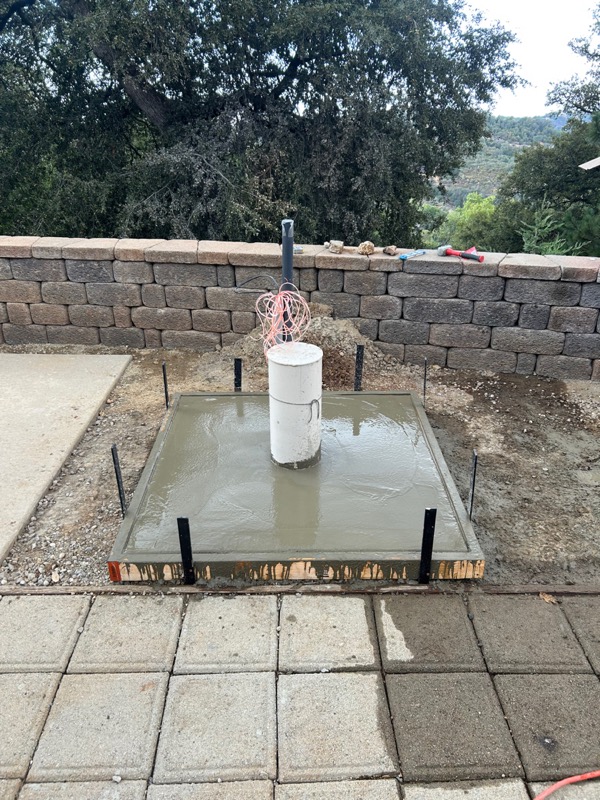
Growing avocados in Leucadia? These water-loving trees need reliable, high-quality well water for healthy production. Southern California Well Service supports San Diego County avocado growers with specialized well services.
📋 In This Guide
- Avocado Water Demands
- Well Systems for Avocado Groves
- Chloride Sensitivity
- Partnering with Leucadia Avocado Growers
- Related Articles
Avocado Water Demands
Avocados are thirsty trees:
- Mature tree: 40-70 gallons per day in summer
- Per acre: 4-6 acre-feet per year
- Critical periods: Fruit set and sizing
A reliable well is essential for profitable avocado production in San Diego County.
Well Systems for Avocado Groves
- High-capacity agricultural wells
- Storage tanks for peak demand periods
- Drip irrigation systems for efficiency
- Micro-sprinklers for young trees
- Pressure regulation for uniform coverage
Chloride Sensitivity
Avocados are highly sensitive to chloride in irrigation water. If your Leucadia well has elevated chloride:
- Blending with lower-chloride water source
- Leaching irrigation to flush salts
- Rootstock selection for salt tolerance
- Regular soil and leaf testing
We test well water for avocado-critical parameters.
Partnering with Leucadia Avocado Growers
Avocados are a major crop in San Diego County, and reliable water is essential for success. Contact us for well services designed for avocado production.
Need Help With Your Well in Leucadia?
Our expert technicians serve Leucadia and all of San Diego County with professional well services.
Related Articles
Continue learning about well maintenance and troubleshooting
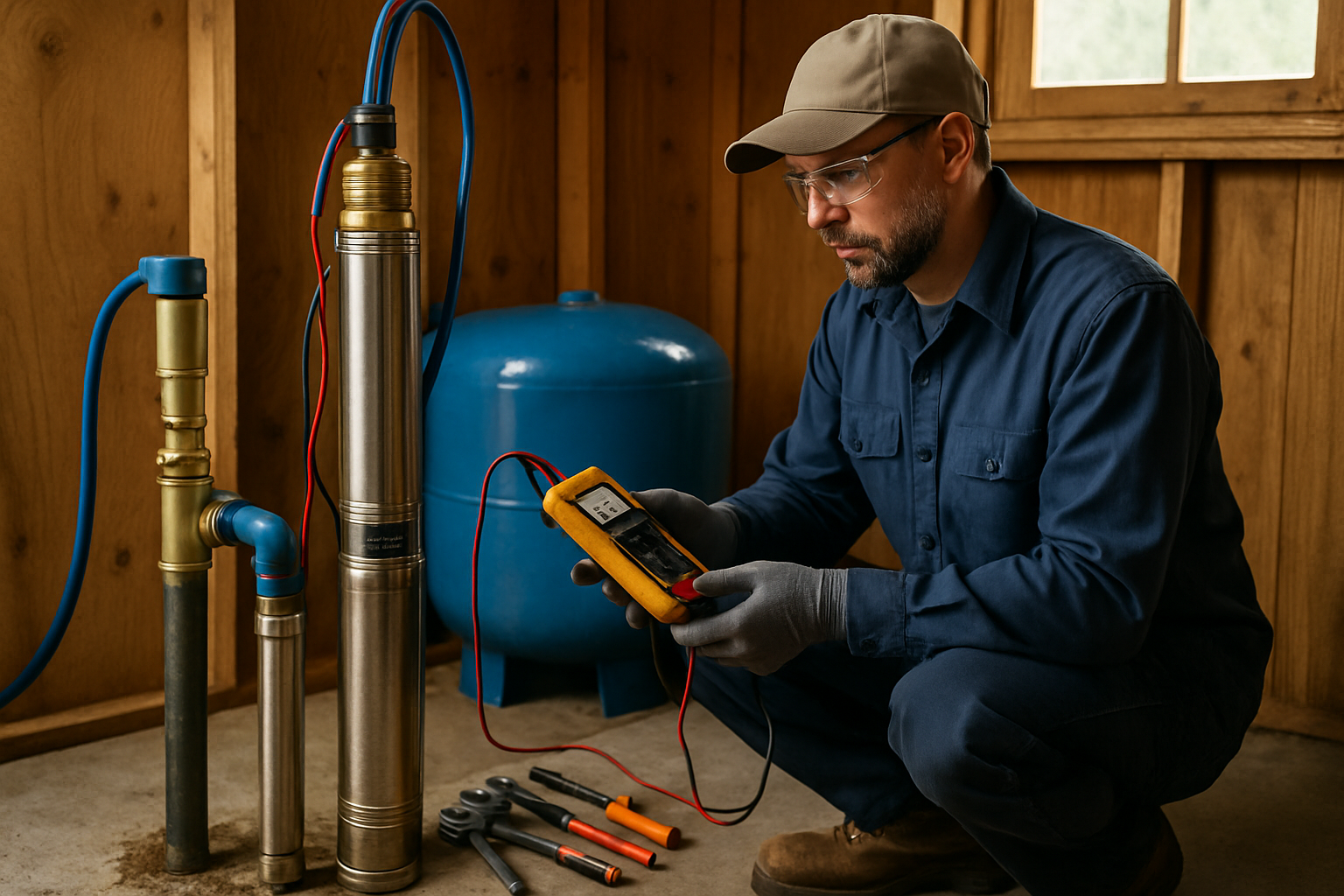
Signs Your Well Pump Is Failing
Catch pump problems early before you lose water completely.
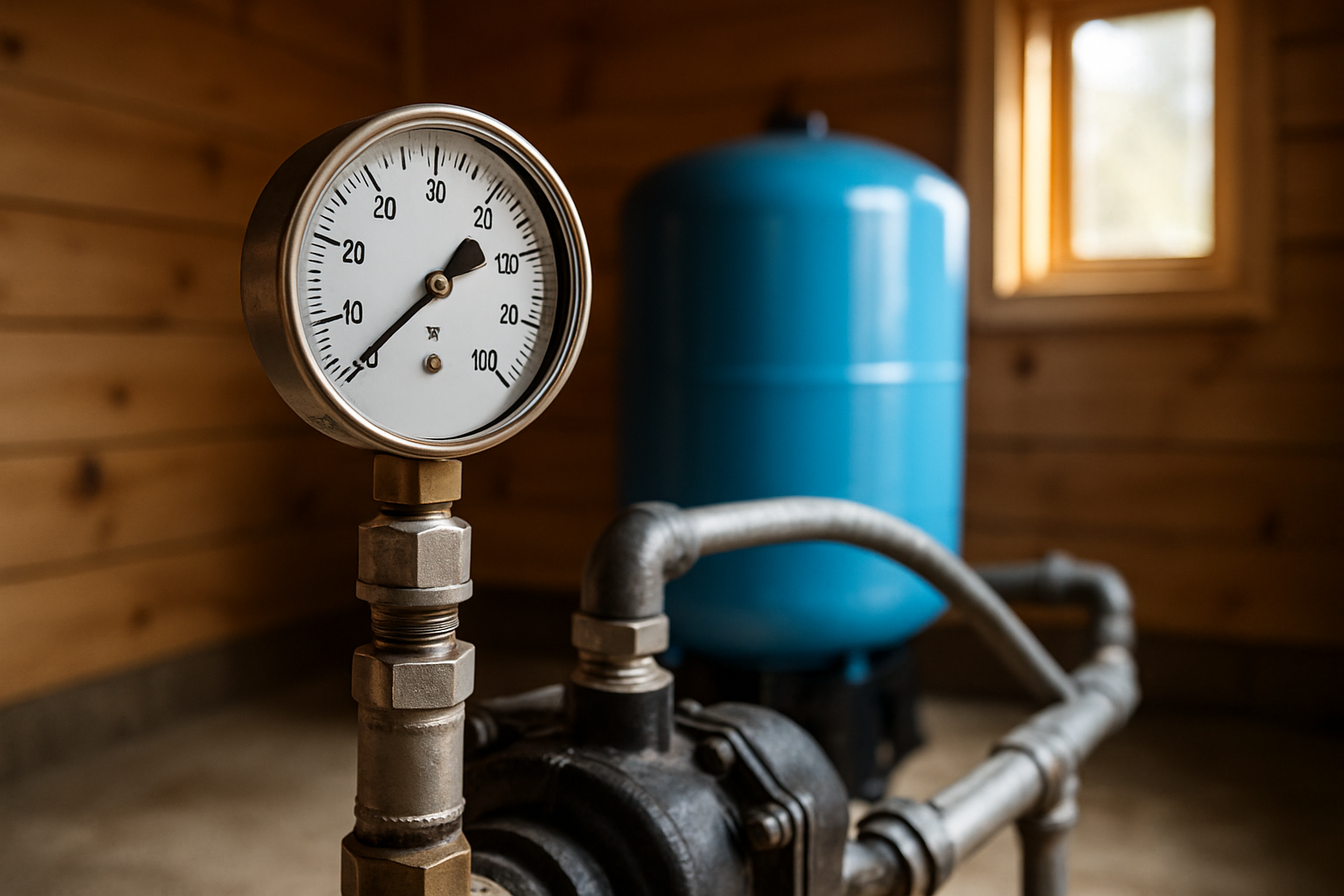
Low Water Pressure From Well
Diagnose and fix pressure problems before they get worse.
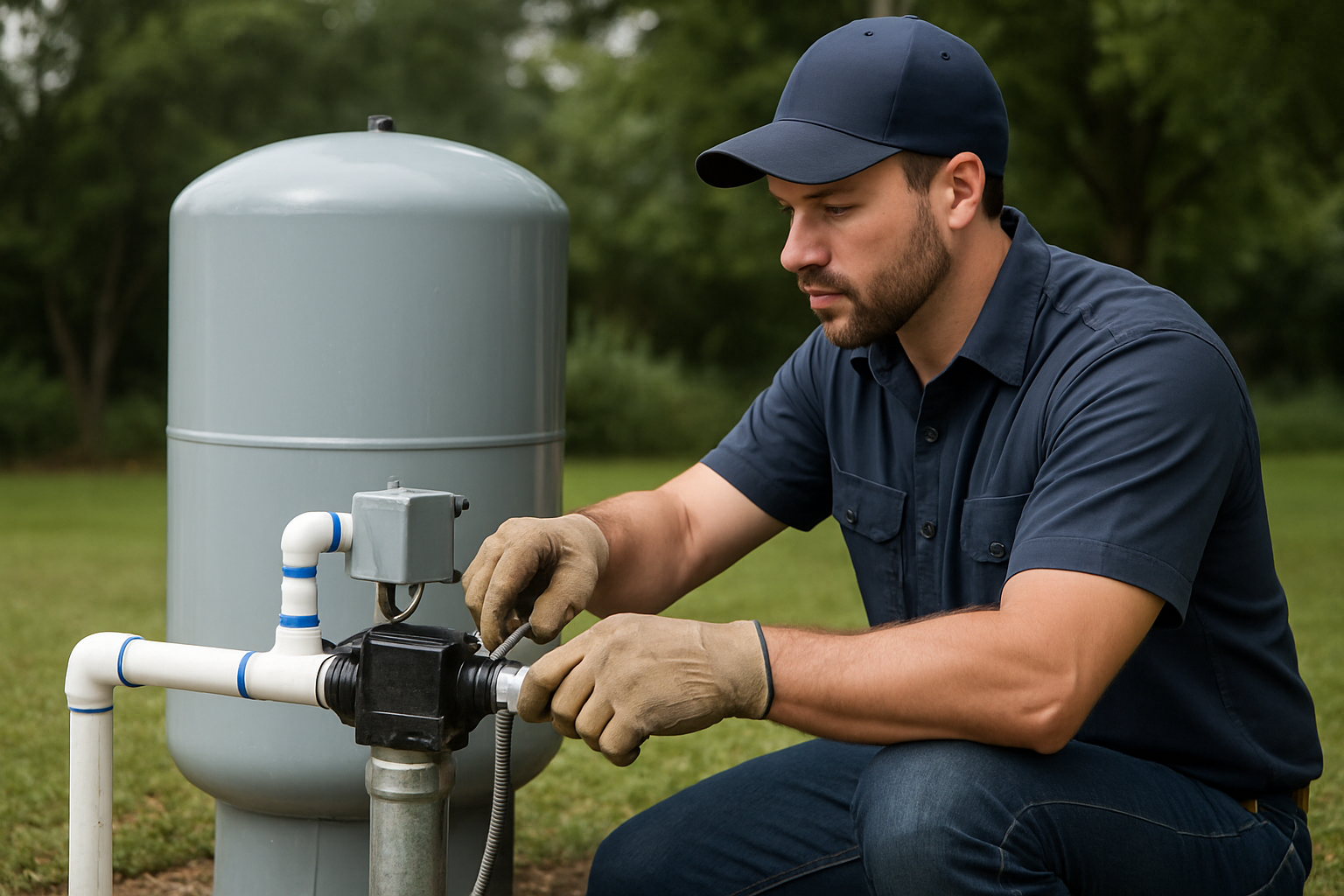
Well Maintenance Guide
Keep your well running smoothly with regular maintenance.
Our Locations
1077 Main St, Ramona, CA 92065
57174 CA-371 (US Hwy 79), Anza, CA 92539
Well Water for Subtropical Growers in Leucadia
Drive the eucalyptus-lined stretch of North Coast Highway 101 through Leucadia and you are passing through one of the most distinctive farming legacies in coastal North County. This community within the City of Encinitas grew up around flowers, greenhouses, and nurseries, and that horticultural character still defines its back streets and side lots. Leucadia proper sits close to the ocean on sandy, sandstone-rich coastal soils, which is wonderful for nursery stock and ornamentals but, frankly, a poor match for the avocado. Where you do find avocados and other subtropicals around Leucadia, they are almost always on the inland slopes that rise away from the coast, where the soil grows firmer and the salt influence of the sea fades.
Southern California Well Service helps growers up and down this coastal-to-inland transition keep their water reliable and their trees healthy. With founded in 2020 across San Diego County, a C-57 license (CSLB #1086994), we bring the same rigor to a small nursery well as to a full grove irrigation system.
The eucalyptus that line the highway are themselves a clue to the local water story. Planted generations ago, these thirsty trees thrive on the coastal moisture and groundwater, and their presence is a reminder that water here behaves differently than it does on the dry granite slopes a few miles inland. A grower paying attention to the landscape already has half the picture before any test comes back.
Why Location Matters More in Leucadia Than Almost Anywhere
The single biggest variable for a Leucadia grower is distance from the coast. The sandy and sandstone soils near the highway sit on shallow groundwater that can be brackish, picking up salt from the marine environment. Push uphill and inland and the geology firms up, the salt influence diminishes, and water chemistry becomes far more suitable for salt-sensitive trees. This is not a small detail. A property two streets apart from another can have a profoundly different well, which is why we never assume and always test. For nursery and ornamental growers, the coastal water may be perfectly serviceable. For an avocado grower, it can be the difference between a healthy block and a slow decline.
The Anatomy of a Reliable Grove Irrigation Setup
Whether you tend a backyard block of subtropicals on an inland Leucadia slope or a larger planting, a dependable system shares the same bones:
- A pump matched to the well. Sizing to the well's sustainable output prevents the over-pumping that draws in worse water and burns out motors.
- Storage. A tank that fills slowly overnight can deliver a strong burst of irrigation by day, smoothing out a modest well.
- Pressure management. Constant-pressure or booster pumps keep every emitter performing the same, even across changes in elevation.
- Filtration. Coastal sand and inland fines both find their way into lines; good filtration keeps emitters open.
- Drip and micro-sprinklers. Efficient drip for established trees, wider-pattern micro-sprinklers for young plantings.
Avocados and Salt: Knowing Your Numbers
Of all the subtropicals, avocados are the least forgiving about salinity, and chloride is the prime offender. The first sign is leaf-tip burn, scorching that begins at the leaf margins. In a coastal community like Leucadia, where salt can ride in through brackish groundwater, this risk is elevated and inland siting becomes essential. We always recommend a full water analysis, chloride, sodium, boron, and total dissolved solids, before planting or replanting. When the chemistry is marginal, the responses are well established:
- Leaching irrigation to drive salts below the roots.
- Salt-tolerant rootstock selection.
- Blending with a cleaner source if one is available.
- Ongoing leaf-tissue and soil monitoring.
Typical Problems on Leucadia-Area Properties
Brackish or salty water near the coast
The classic coastal complaint. If a well sits close to the ocean on sandy ground, salt can be a chronic issue, and the fix is often as much about siting and treatment as about the pump.
Summer demand outrunning supply
A mature avocado can drink 40 to 70 gallons a day in the heat, and an acre may need 4 to 6 acre-feet a year. When fruit set and sizing hit, an undersized system shows its limits fast.
Clogged emitters
Fine sand and mineral scale plug drip lines gradually, so output fades before anyone notices.
Pump cycling and early failure
A tired pressure tank or switch causes rapid on-off cycling, which kills pumps prematurely.
Why we test before we recommend
It would be easy, and more profitable, to sell every coastal grower a new well or an expensive treatment system. We do the opposite. We start with a water analysis and an honest look at where the property sits relative to the coast, because that data dictates everything that follows. Sometimes the answer is a simple filtration upgrade. Sometimes it is blending two sources. Occasionally it is the hard truth that a particular spot near the ocean is just not avocado ground, and the grower is better off with citrus, which tolerates salt somewhat better, or with ornamentals. Telling a customer that before they spend money planting is part of doing this job right.
What You Can Safely Check Yourself
- Watch the pressure gauge at rest and during irrigation; big swings indicate a tank or switch fault.
- Listen for rapid pump cycling.
- Confirm flow at the highest and most distant trees.
- See whether a storage tank refills overnight.
- Note new salty taste, cloudiness, or odor in the water.
If your water suddenly tastes saltier, that is worth a call; it can mean the well is drawing from a more brackish zone. Leave wellhead and electrical work to a licensed technician.
It is also worth understanding how drought interacts with coastal wells. In dry years the water table drops and the boundary between fresh and brackish groundwater can shift inland, a process sometimes called saltwater intrusion. A well that produced acceptable water for years can turn marginal after a string of dry seasons. If you have farmed the same Leucadia property for a long time and your trees have started browning at the tips without any change in your fertilizer or irrigation habits, a shift in water quality is one of the first things we look at.
What Service Costs
Our diagnostic call is $125, applied toward any repair we make. Within our service area, expect roughly $150 to $350 for a pressure switch, $600 to $1,500 for a pressure tank, $300 to $900 for sediment filtration, and $2,500 to $5,500 for a submersible pump. Where salinity or hardness calls for treatment, a water softener runs $1,500 to $3,500, and a constant-pressure or booster system $2,000 to $4,500. A complete new well, drilled and equipped, falls between $18,000 and $42,000, and hydrofracturing to revive a tight well runs $3,000 to $8,000.
For growers tending older plantings, the smartest investment is often not flashy. Replacing a worn pressure tank, adding a proper sediment filter, and re-pressurizing the system so the far rows get their fair share will frequently revive a block that looked like it was dying. We have walked into more than one Leucadia-area grove where the owner was convinced the trees were finished, only to find the real culprit was a decade-old pressure setup starving half the planting. Equipment that quietly degrades is far more common than catastrophic well failure, and it is usually cheaper to fix.
Serving Leucadia and the Coast
We cover Leucadia and the wider Encinitas community, along with neighboring Carlsbad and the inland slopes where subtropical growing makes the most sense. Leucadia is part of San Diego County, and our technicians know the difference a few blocks from the coast can make to your water.
Frequently Asked Questions
Is Leucadia good avocado country?
The coastal core of Leucadia, with its sandy, sandstone soils and salt influence, is better suited to nurseries and ornamentals. Avocados do best on the firmer inland slopes rising away from the highway, where salinity is lower.
My well water tastes salty. What does that mean?
Near the coast, a salty taste often means brackish groundwater, which can be tough on avocados. A water test for chloride and total dissolved solids will confirm it, and treatment or blending may be options.
Can you treat salty well water?
To a degree. Softening helps with hardness and some minerals, and blending with a cleaner source dilutes salt, but very high chloride is difficult to remove cheaply, so siting matters most.
Do you service nursery and greenhouse wells too?
Yes. Leucadia's flower and nursery heritage means we work on plenty of ornamental-grower wells, not just groves.
How fast can you respond?
We provide same-day emergency service throughout coastal North County, so a lost well in summer gets immediate priority.
Let's Keep Your Water Flowing
From a nursery lot off Highway 101 to a hillside block of Hass above town, we will help you get the most from your well. Call Southern California Well Service at (760) 440-8520 or text (760) 219-5877.