
Well Services for Mount Woodson Avocado Groves
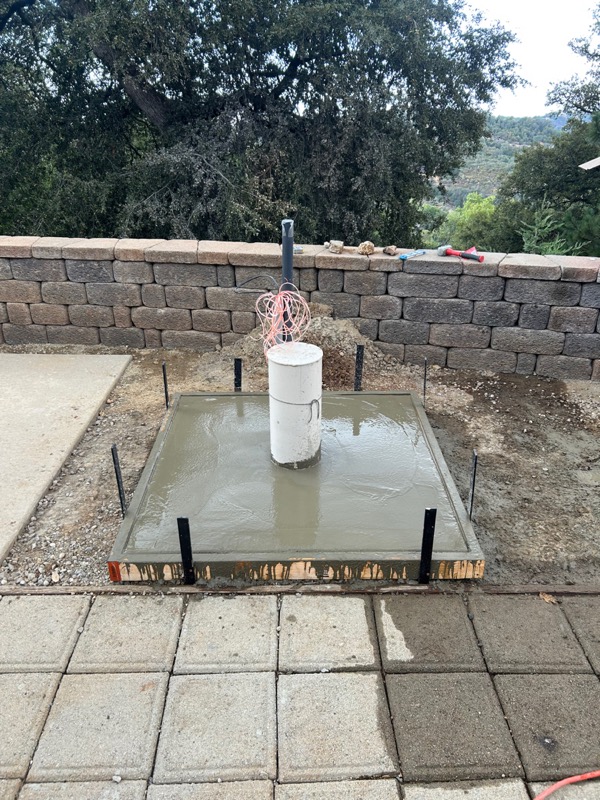
Growing avocados in Mount Woodson? These water-loving trees need reliable, high-quality well water for healthy production. Southern California Well Service supports San Diego County avocado growers with specialized well services.
📋 In This Guide
- Avocado Water Demands
- Well Systems for Avocado Groves
- Chloride Sensitivity
- Partnering with Mount Woodson Avocado Growers
- Related Articles
Avocado Water Demands
Avocados are thirsty trees:
- Mature tree: 40-70 gallons per day in summer
- Per acre: 4-6 acre-feet per year
- Critical periods: Fruit set and sizing
A reliable well is essential for profitable avocado production in San Diego County.
Well Systems for Avocado Groves
- High-capacity agricultural wells
- Storage tanks for peak demand periods
- Drip irrigation systems for efficiency
- Micro-sprinklers for young trees
- Pressure regulation for uniform coverage
Chloride Sensitivity
Avocados are highly sensitive to chloride in irrigation water. If your Mount Woodson well has elevated chloride:
- Blending with lower-chloride water source
- Leaching irrigation to flush salts
- Rootstock selection for salt tolerance
- Regular soil and leaf testing
We test well water for avocado-critical parameters.
Partnering with Mount Woodson Avocado Growers
Avocados are a major crop in San Diego County, and reliable water is essential for success. Contact us for well services designed for avocado production.
Need Help With Your Well in Mount Woodson?
Our expert technicians serve Mount Woodson and all of San Diego County with professional well services.
Related Articles
Continue learning about well maintenance and troubleshooting
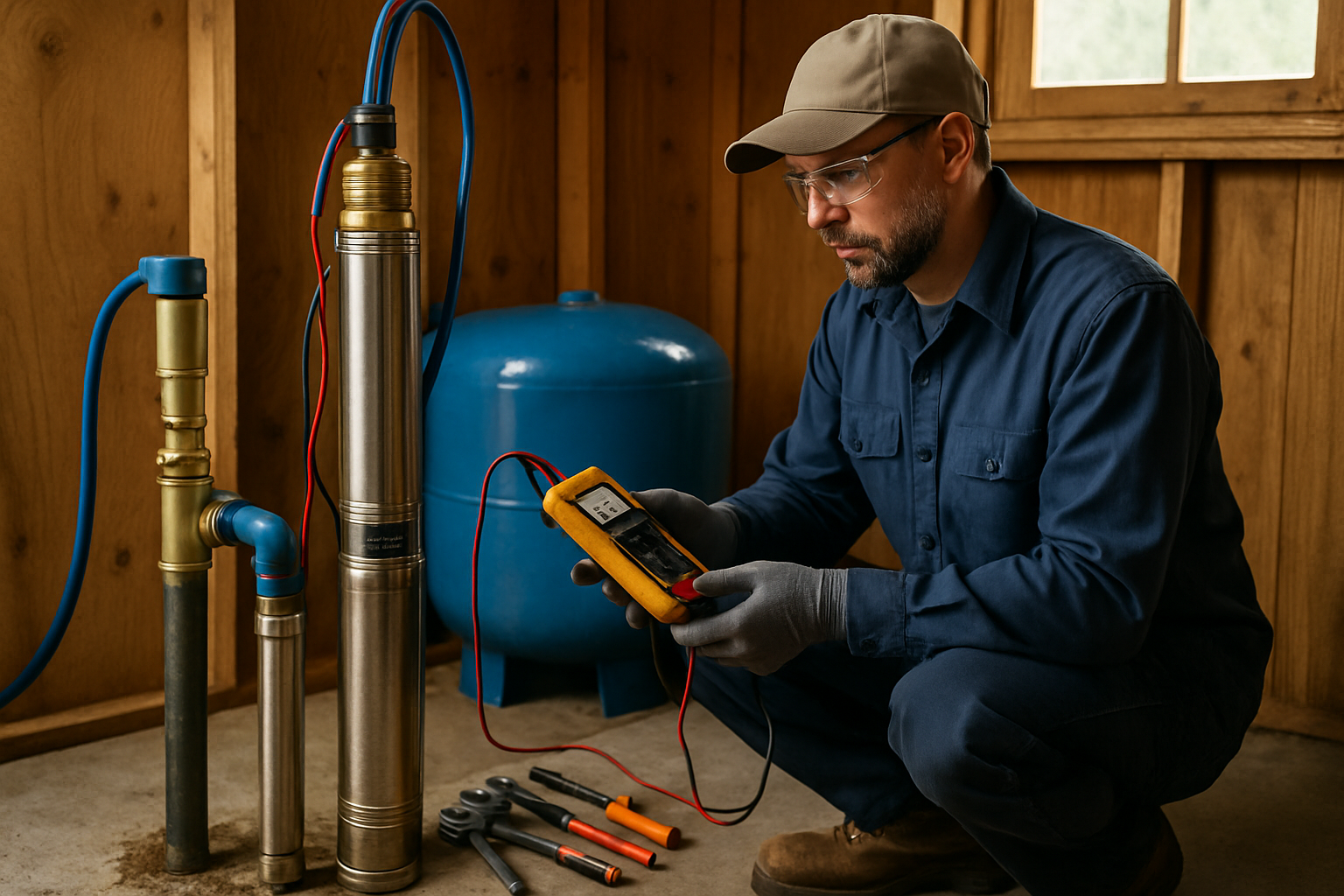
Signs Your Well Pump Is Failing
Catch pump problems early before you lose water completely.
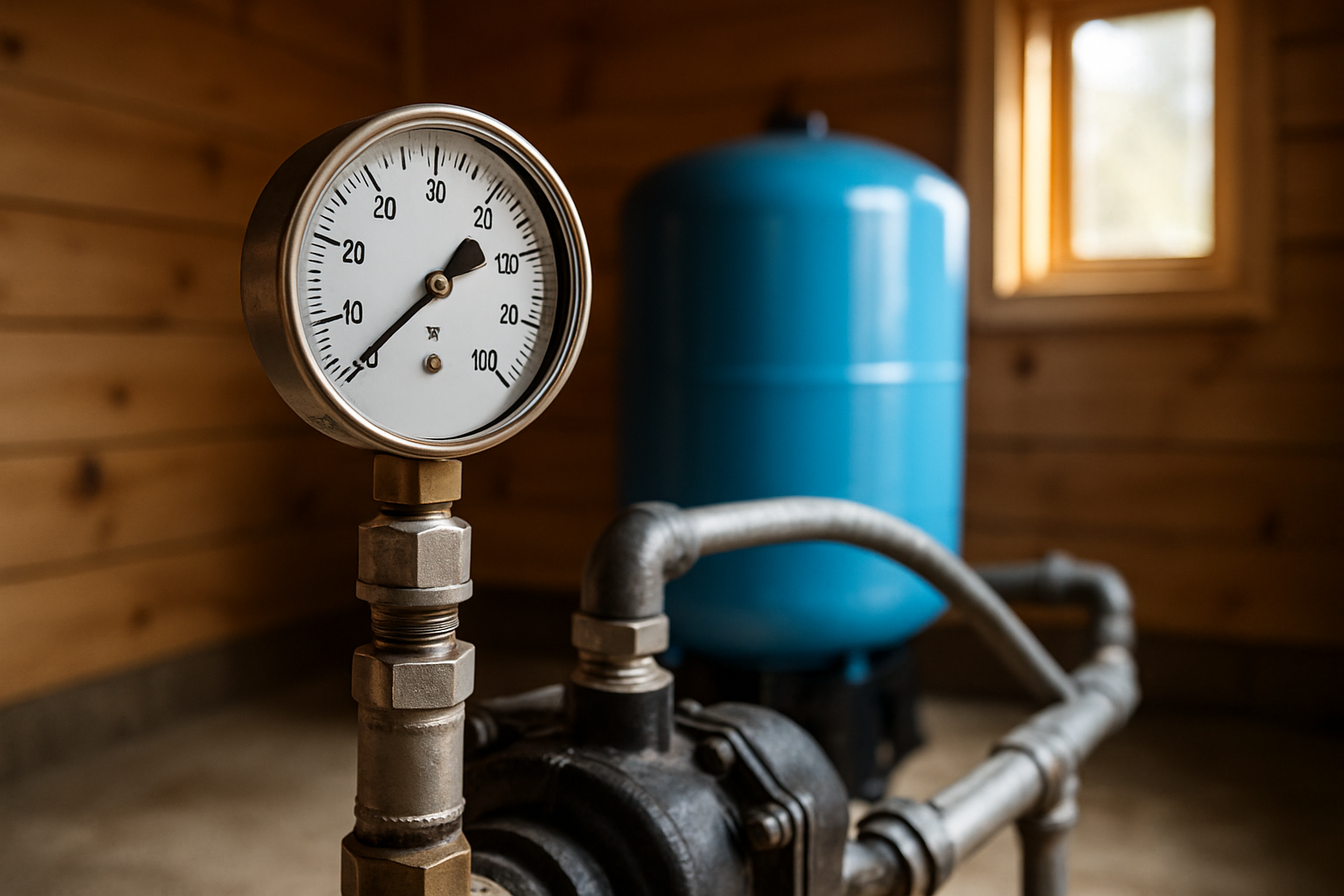
Low Water Pressure From Well
Diagnose and fix pressure problems before they get worse.
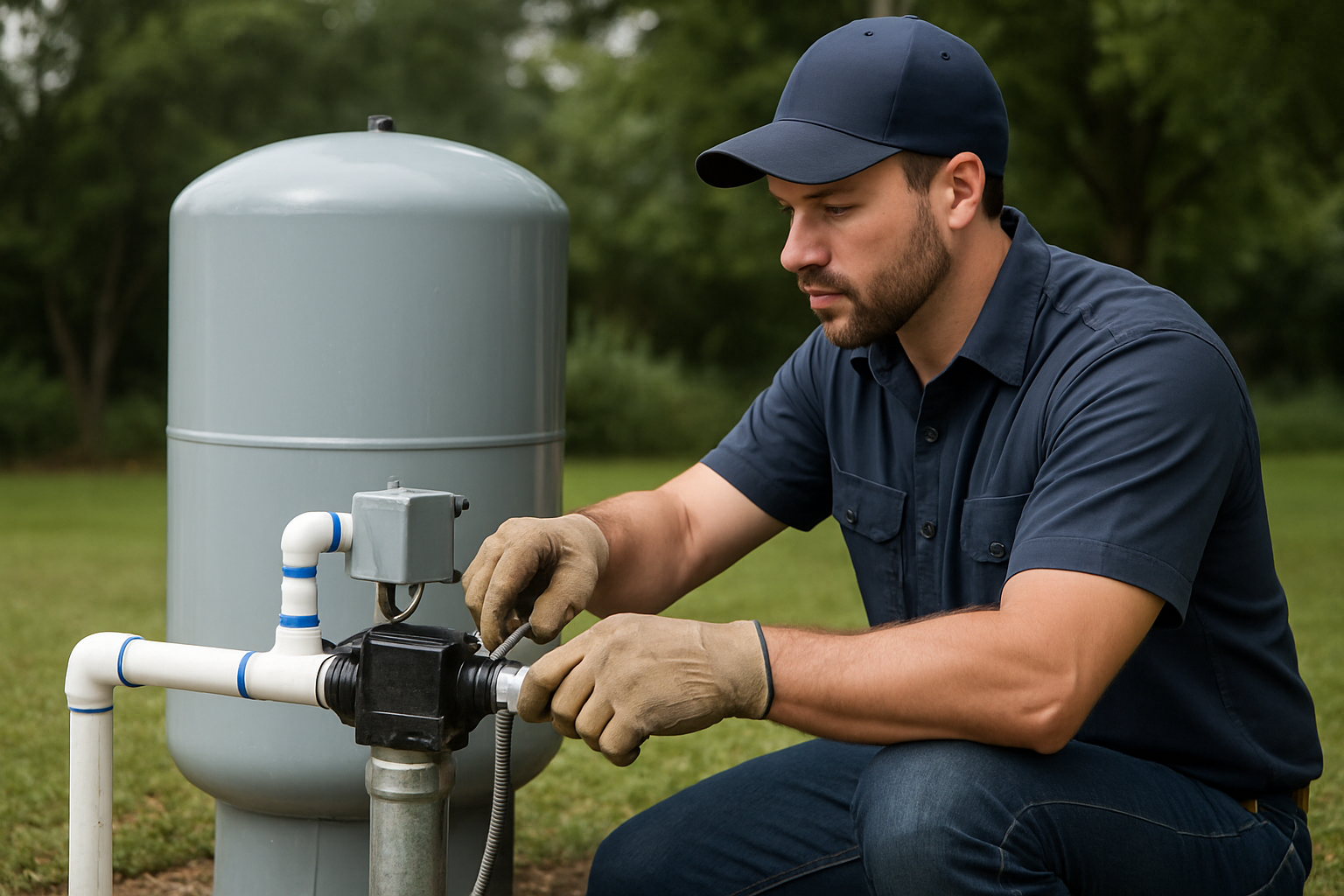
Well Maintenance Guide
Keep your well running smoothly with regular maintenance.
Our Locations
1077 Main St, Ramona, CA 92065
57174 CA-371 (US Hwy 79), Anza, CA 92539
Avocado Grove Well Service Around Mount Woodson
Mount Woodson rises between Ramona and Poway in central San Diego County, its slopes famous for the massive granite boulders that crown the peak and litter the surrounding hillsides. The rural estates and groves tucked into this country — along Highland Valley, around the San Vicente area, and on the wooded benches below the summit — sit on some of the hardest, most fractured rock in the county. Avocados and citrus grow well on these warm, well-drained slopes, but the granite that gives Mount Woodson its dramatic look also defines how its wells behave. Southern California Well Service has drilled and serviced wells in this boulder country since 2020, and we know that here, more than almost anywhere, local rock knowledge is everything.
The Water Demand of an Avocado Grove
Avocados drink heavily. A mature tree on a Mount Woodson slope can use 40 to 70 gallons on a hot day, and a planted acre needs four to six acre-feet per year, including the leaching fraction that flushes salts past the shallow roots. The trees insist on steady moisture during fruit set and sizing and rot if overwatered. Because these inland slopes get genuinely hot in summer, peak demand is high, and the water system must be sized for the worst week, not the average one.
How Granite-Country Systems Work
In fractured-granite terrain, water lives in cracks and joints in the rock rather than in a broad aquifer, so wells are often deep and their yield depends on how many water-bearing fractures the borehole intersects. A good Mount Woodson grove system pumps from the well into storage, then irrigates through pressurized micro-sprinklers or drip. The storage tank lets a fracture-fed well accumulate volume over many hours; a constant-pressure or booster system delivers even PSI on the steep ground; sediment filtration protects emitters; and pressure regulators hold uniform coverage from the top of a slope to the bottom. This design turns a variable granite well into a dependable irrigation supply.
Problems Rooted in the Local Rock
The issues we address around Mount Woodson reflect that hard-rock setting. Fracture-fed wells recharge slowly, so summer yield can dip and, in dry years, fall behind a grove's demand. Drilling and servicing in dense granite is genuinely harder here, which is why out-of-area outfits often misjudge these wells. Mineral hardness scales pumps and clogs emitters, starving the far rows. Chloride sensitivity threatens avocado canopies with tip burn when salts climb. Sediment can appear as a level drops. And waterlogged pressure tanks or worn switches drive the short-cycling that shortens pump life. None of it is unusual for granite country — it just demands the right equipment and experience.
What to Check First
Read the grove before calling. Even, grove-wide stress points to the well or pump; uphill or far-edge stress points to flow and pressure. Watch the pressure gauge through a full set — steady sag means supply is short, rapid bounce means a tank or switch problem. Confirm whether your storage tank empties on a long set, pull a few emitters to check for scale, and watch for new sand or cloudiness. Note what you find; it points us toward the fix quickly.
When to Call a Professional
Filters and breakers are grower's work. Pulling a pump from a deep granite well, diagnosing yield decline, testing water, or designing storage for new trees is professional work that demands the right rig — emphatically not a handyman job in this rock. We hold a C-57 well drilling license and the equipment for hard-rock work. If your output is falling, your canopy shows salt symptoms, or you are weighing an expansion, get an assessment before the trees suffer.
Realistic Cost Ranges
Plan with these numbers. A diagnostic call is about $125, credited to the work. A pressure switch is $150 to $350, a pressure tank $600 to $1,500, and a new submersible pump $2,500 to $5,500 installed. Sediment filtration runs $300 to $900, and a constant-pressure or booster system for a steep grove is $2,000 to $4,500. A new turnkey well in granite is $18,000 to $42,000 depending on depth and how the rock drills, and we always evaluate rehabilitation first.
Serving Mount Woodson and the Ramona–Poway Corridor
From our Ramona office, we reach the Mount Woodson area quickly and serve the surrounding grove country — Highland Valley, San Vicente, Poway's rural fringe, and the backcountry toward Ramona proper. Our drilling and servicing wells in this boulder-strewn granite has taught us how its fracture-fed aquifer behaves and how to keep a steep grove evenly watered. Same-day emergency response is available, because an irrigation failure on these hot slopes stresses a grove fast.
Well Rehabilitation in Mount Woodson Granite
Before recommending a new well — an expensive proposition in this dense granite — we look hard at whether an existing well can be rehabilitated, and surprisingly often it can. Over years of service, a fracture-fed granite well can lose yield not because the aquifer has failed but because mineral scale, iron bacteria, or fine sediment has gradually plugged the water-bearing fractures and the well screen. Rehabilitation techniques, including mechanical cleaning and chemical treatment of the borehole, can reopen those fractures and restore much of the original flow at a fraction of the cost of drilling a replacement. For a Mount Woodson grower facing a slow well, that assessment is the responsible first step.
Hydrofracturing is another option worth understanding in this terrain. Because Mount Woodson wells depend entirely on intersecting water-bearing cracks, a well that came in weak may simply not have hit enough productive fractures. Hydrofracturing uses controlled water pressure to widen and connect existing fractures around the borehole, often improving yield in hard-rock wells like these. It is not a fix for every situation, but in fracture-dependent granite it is frequently the difference between abandoning a well and keeping it in service. We evaluate each case honestly and tell you when rehabilitation or fracturing is the smart play versus when a new well truly is warranted.
What Our Water Testing Examines
For Mount Woodson groves we test chloride and total salts first given how poorly avocados tolerate them, then hardness and iron, which not only scale equipment and clog emitters but can also contribute to the fracture plugging that reduces well yield over time. A clear water profile informs both your irrigation plan and your long-term well-maintenance strategy, helping you protect a hard-won granite well for the long haul. We can perform the water test together with a flow test in one visit, giving you a complete read on both the yield and the chemistry of your Mount Woodson well.
In boulder country, a good well is genuinely an asset worth maintaining, not a commodity to replace on a whim. The cost and difficulty of drilling new in this granite is precisely why we lean toward rehabilitation, fracturing, and disciplined maintenance wherever they can keep an existing well in service. Our aim with every Mount Woodson grower is to get the most out of the well the rock has already given you, and to be straight with you about the rare cases when a new well truly is the better investment.
Frequently Asked Questions
Why are wells around Mount Woodson so deep?
The area's hard, fractured granite holds water in cracks rather than a broad aquifer, so wells must often go deep to intersect enough water-bearing fractures. Yield depends on how many fractures the borehole hits, which is why local drilling experience matters here.
Can a fracture-fed well reliably irrigate a grove?
Yes, with storage. The well fills a tank over many hours, and a constant-pressure system draws from the tank during irrigation. This turns a variable granite well into a dependable supply for the trees.
My well's yield drops every summer. Is it failing?
Often it is the normal seasonal decline of a fracture-fed well, recovering with winter rain. A flow test tells us whether the dip is seasonal or a sign of real decline or equipment wear.
What causes the tip burn on my avocado leaves?
Chloride and salt accumulation, which avocados tolerate poorly. We test the water and recommend leaching, blending, or salt-tolerant rootstock if salts are high.
Why should I avoid an out-of-area driller here?
Mount Woodson's dense granite is challenging to drill and service, and crews unfamiliar with it often misjudge depth, yield, and equipment. Local hard-rock experience produces better results the first time.
Do you offer same-day emergency service?
Yes, from our nearby Ramona office, and we prioritize grove irrigation failures during heat.
Hard-Rock Well Expertise for Mount Woodson Groves
Deep granite wells, falling yield, clogged emitters, or expansion plans — Southern California Well Service has the right equipment and experience. Licensed C-57, founded 2020, same-day emergency service.