
Well Services for Muscoy Avocado Groves
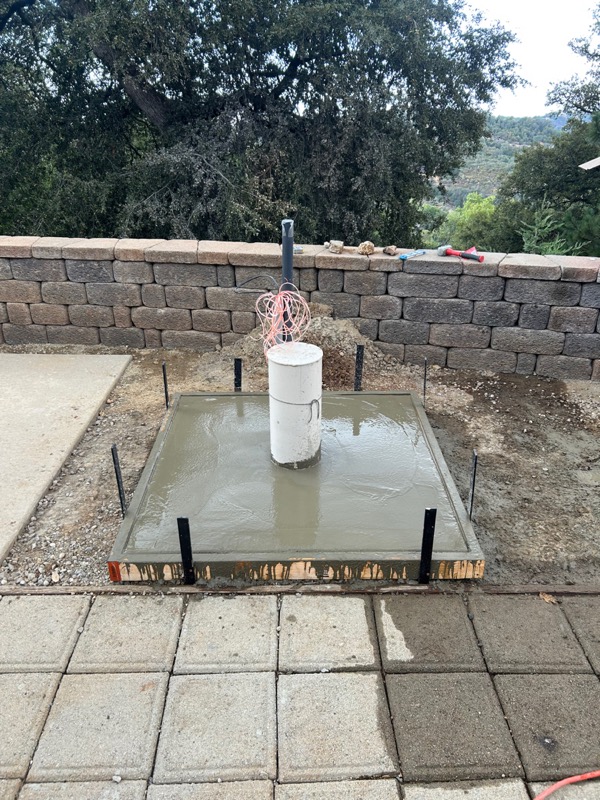
Growing avocados in Muscoy? These water-loving trees need reliable, high-quality well water for healthy production. Southern California Well Service supports San Bernardino County avocado growers with specialized well services.
📋 In This Guide
- Avocado Water Demands
- Well Systems for Avocado Groves
- Chloride Sensitivity
- Partnering with Muscoy Avocado Growers
- Related Articles
Avocado Water Demands
Avocados are thirsty trees:
- Mature tree: 40-70 gallons per day in summer
- Per acre: 4-6 acre-feet per year
- Critical periods: Fruit set and sizing
A reliable well is essential for profitable avocado production in San Bernardino County.
Well Systems for Avocado Groves
- High-capacity agricultural wells
- Storage tanks for peak demand periods
- Drip irrigation systems for efficiency
- Micro-sprinklers for young trees
- Pressure regulation for uniform coverage
Chloride Sensitivity
Avocados are highly sensitive to chloride in irrigation water. If your Muscoy well has elevated chloride:
- Blending with lower-chloride water source
- Leaching irrigation to flush salts
- Rootstock selection for salt tolerance
- Regular soil and leaf testing
We test well water for avocado-critical parameters.
Partnering with Muscoy Avocado Growers
Avocados are a major crop in San Bernardino County, and reliable water is essential for success. Contact us for well services designed for avocado production.
Need Help With Your Well in Muscoy?
Our expert technicians serve Muscoy and all of San Bernardino County with professional well services.
Related Articles
Continue learning about well maintenance and troubleshooting
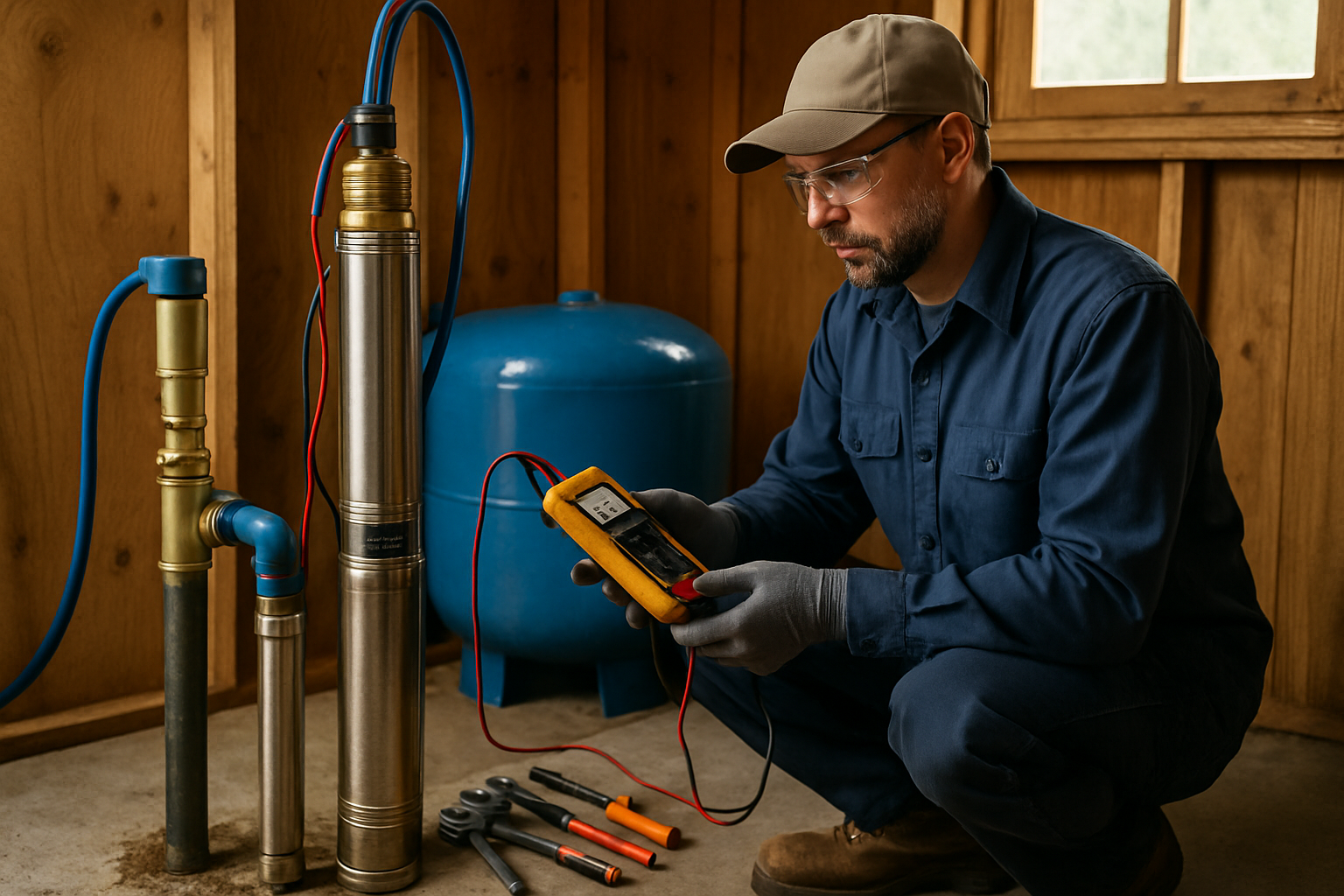
Signs Your Well Pump Is Failing
Catch pump problems early before you lose water completely.
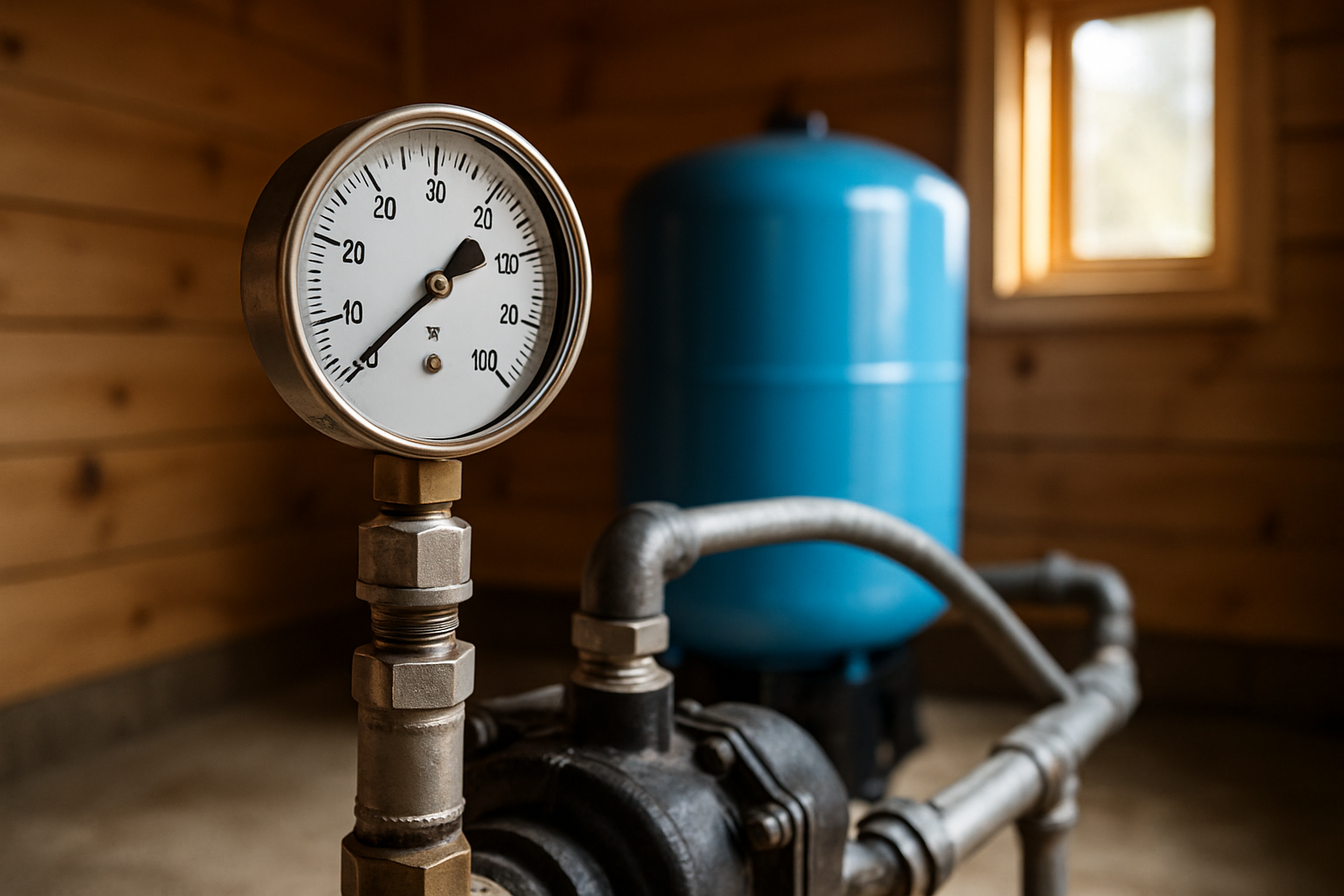
Low Water Pressure From Well
Diagnose and fix pressure problems before they get worse.
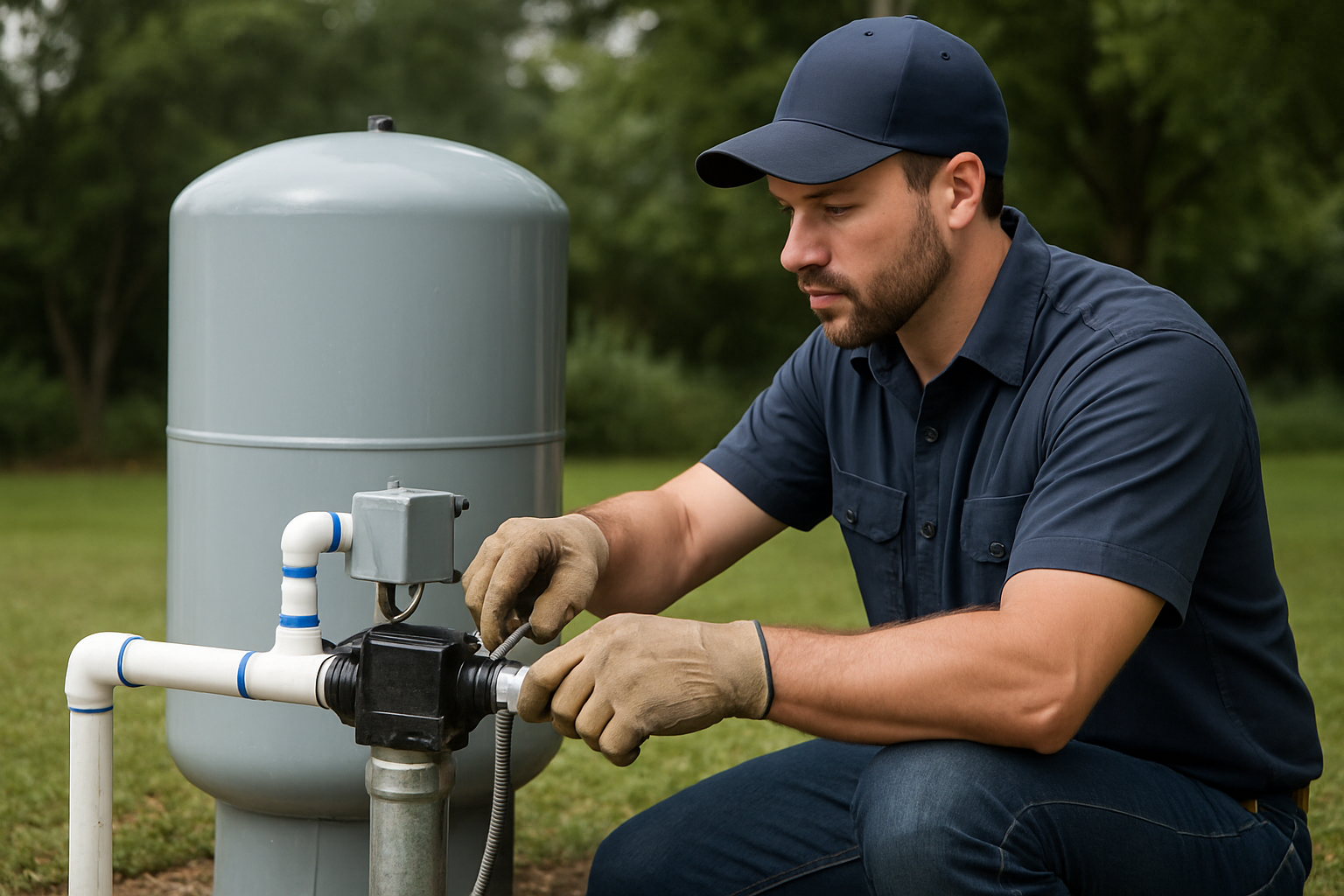
Well Maintenance Guide
Keep your well running smoothly with regular maintenance.
Our Locations
1077 Main St, Ramona, CA 92065
57174 CA-371 (US Hwy 79), Anza, CA 92539
Well Water Service for Muscoy Properties and Backyard Avocado Growers
Muscoy sits on the valley floor of San Bernardino County, just northwest of the City of San Bernardino at the foot of the San Bernardino Mountains. It is an unincorporated community where larger lots, animal-keeping, and backyard agriculture remain part of everyday life. While Muscoy is not a commercial avocado district the way Fallbrook or Pauma Valley is, plenty of residents here keep a few backyard Hass or Fuerte trees, citrus, and gardens that depend on a dependable water supply. Whether your water comes from Muscoy Mutual Water Company or a private well on your parcel, the underlying challenge is the same: the groundwater here is mineral-rich, the summers are hot and dry, and trees that love water need it delivered consistently.
Southern California Well Service has worked since 2020 working on wells and water systems across San Bernardino, Riverside, and San Diego Counties. We are a licensed C-57 water well drilling contractor, and we bring that same rigging, pump, and water-treatment expertise to residential and small-acreage properties in Muscoy.
How Groundwater Works Beneath Muscoy
Muscoy draws from the Bunker Hill and Lytle Creek groundwater basins, alluvial aquifers fed by runoff from the San Bernardino and San Gabriel Mountains. Unlike the fractured-granite wells of the backcountry, valley-floor wells in this part of the county are typically drilled into sand and gravel deposits. That means decent yield in most areas, but it also means sediment, hardness, and dissolved minerals are common. Wells in the Muscoy area commonly run anywhere from about 150 to 400 feet, depending on the parcel and how the water table has shifted with drought cycles.
For a homeowner with a few avocado or citrus trees, the practical issue is water quality. Avocados in particular are sensitive to chloride and salinity, and citrus does not love hard, scale-forming water either. A submersible pump pushes water up to a pressure tank, the pressure tank smooths out demand so your pump is not constantly cycling, and from there water reaches the house, the hose bibs, and any drip lines feeding your trees.
Common Water-System Problems We See in This Area
Across the San Bernardino valley floor, the issues that bring us out to a property tend to repeat:
- Hard-water scale shortening the life of pumps, valves, and irrigation emitters
- Sediment and sand clouding water and clogging drip lines that feed trees and gardens
- Pressure tank failure causing the pump to short-cycle and burn out prematurely
- Iron and manganese staining on concrete, fixtures, and laundry
- Declining yield during long dry stretches, especially on older or shallower wells
- Worn pressure switches that leave you with no water or erratic pressure
What You Can Check Before Calling
A few quick checks can tell you a lot before a technician arrives:
- Look at the pressure gauge on your tank. Healthy systems usually cycle between roughly 40 and 60 psi. If the needle swings wildly or the pump kicks on every few seconds, suspect the pressure tank or switch.
- Tap the side of the pressure tank. A tank that sounds solid (waterlogged) rather than hollow near the top has likely lost its air charge.
- Check whether the problem affects every fixture or just one. Whole-property pressure loss points to the well, pump, or tank, while a single slow faucet is usually a local plumbing issue.
- Notice any new staining, smell, or grit. Sudden sediment can signal a failing well screen or a dropping water table.
When to Call a Professional
Pressure switches and minor fittings are sometimes within reach of a handy homeowner, but anything involving the wellhead, the submersible pump, or the electrical side should be handled by a licensed contractor. Pulling a pump means working with heavy equipment and several hundred feet of pipe and wire. Diagnosing a yield problem requires understanding the local aquifer. And water-treatment decisions, especially when you are trying to protect salt-sensitive trees, should be based on an actual water test rather than guesswork. If you have no water at all, that is an emergency, and we offer same-day response.
Realistic Cost Ranges for Muscoy Homeowners
Every property is different, but these ranges reflect what San Bernardino County customers typically see:
- Pressure switch replacement: $150 to $350
- Pressure tank replacement: $600 to $1,500
- Submersible pump replacement: $2,500 to $5,500 depending on depth and horsepower
- Sediment filtration: $300 to $900
- Iron, manganese, or water softening systems: $1,500 to $3,500
- Constant-pressure or booster systems: $2,000 to $4,500
- New well, turnkey: $18,000 to $42,000
We charge a $125 diagnostic fee that is credited toward any repair we perform, so you are never paying twice for the same visit.
Serving Muscoy and the Surrounding Valley
From our offices in Ramona and Anza, our crews regularly serve Muscoy, Devore, Rialto, Bloomington, Highland, and the broader San Bernardino valley. Because we work throughout the region, we understand how local geology and water chemistry change from one neighborhood to the next, and we carry the parts and rigging to handle most repairs in a single trip.
Protecting Backyard Trees Through Muscoy's Dry Season
The stretch from late spring into early fall is the hardest test for any water system in the San Bernardino valley. Daytime highs regularly climb past 95 degrees, and a mature avocado tree can pull 40 to 70 gallons a day at peak demand. Citrus, stone fruit, and vegetable beds add to that load. When several trees and a household are all drawing from the same well and pressure tank, an undersized or aging system shows its weakness fast, usually as falling pressure in the afternoon or a pump that runs almost continuously.
This is where right-sizing matters. We look at total demand across the property, the recovery rate of the well, and how the irrigation is zoned. Sometimes the fix is simply adding storage so the pump can refill a tank overnight and meet daytime peaks without straining. Other times a constant-pressure system keeps drip lines and micro-sprinklers running evenly even when the house is also using water. Splitting irrigation into smaller zones often solves pressure complaints without touching the pump at all.
Water Quality and Salt-Sensitive Crops
Because avocados react badly to chloride and accumulated salts, we encourage any grower, even a backyard hobbyist, to start with a water test. Once we know the chloride, total dissolved solids, hardness, iron, and manganese levels, we can recommend the right combination of filtration, softening, blending, or periodic leaching irrigation to flush salts below the root zone. Guessing at treatment wastes money and can stress the very trees you are trying to protect. A test costs little and removes the guesswork.
Maintenance That Pays for Itself
Most of the expensive failures we see could have been caught earlier. We recommend an annual once-over: checking the pressure tank's air charge, inspecting the pressure switch and wiring, testing water quality, and listening to the pump for signs of wear. Replacing a worn pressure switch on schedule is far cheaper than replacing a pump that burned out from short-cycling. For properties with trees and irrigation, a quick pre-summer inspection ensures the system is ready before the heat arrives.
Frequently Asked Questions
Is Muscoy actually an avocado-growing area?
Muscoy is not a commercial avocado district. It is a residential and small-acreage community in San Bernardino County where some homeowners keep backyard avocado, citrus, and fruit trees. We service the wells and irrigation systems those trees depend on, along with everyday household water needs.
How deep are wells in the Muscoy area?
Valley-floor wells here are commonly drilled into sand and gravel and often range from about 150 to 400 feet, though the right depth depends on your parcel and the current water table. We can review your well log or test your existing well to advise you.
Why is my well water so hard?
The alluvial aquifers feeding this part of the valley carry dissolved minerals like calcium and magnesium. Hard water is common and treatable. A softener or conditioning system protects your fixtures, appliances, and irrigation emitters.
Can hard or salty water hurt my backyard avocado trees?
Yes. Avocados are sensitive to chloride and salinity, and scale-forming water can clog drip emitters. We test the water and can recommend filtration, blending, or leaching strategies to keep sensitive trees healthy.
Do you offer emergency service in Muscoy?
We do. If you have no water, call us for same-day emergency response. Loss of water is treated as a priority, especially during the hot summer months.
How much does a service call cost?
Our diagnostic visit is $125, and that amount is credited toward any repair we complete. You get a clear assessment and an honest estimate before any work begins.
Talk to a Local Well Expert Today
Whether you are troubleshooting low pressure, protecting backyard avocado and citrus trees, or planning a new well, Southern California Well Service is ready to help Muscoy property owners. We are licensed C-57, licensed C-57 (CSLB #1086994), and trusted across three counties since 2020.
Call us at (760) 440-8520 or text (760) 219-5877 for a fast, honest assessment and a free estimate.