
Well Services for the San Diego Area
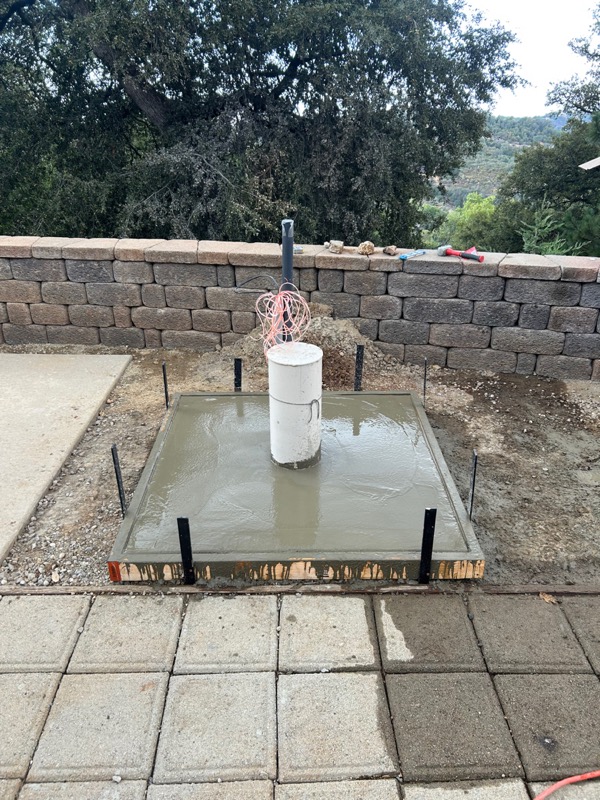
Well Service Across the San Diego Area and Backcountry
San Diego is far more than its coastline. Beyond the city's municipal water grid lies a vast stretch of San Diego County backcountry, foothills, and inland valleys where thousands of homes, ranches, and avocado groves run entirely on private wells. If you own one of those properties, your well is the lifeline that supplies the household and, in many cases, irrigates trees worth real money. Keeping that well dependable is exactly the work we do.
Southern California Well Service is a licensed C-57 water well contractor founded in 2020, with 60+ years of family heritage across San Diego County. From our offices in Ramona and Anza, we provide full residential and agricultural well service, and few crews understand the county's groundwater better than ours.
How Groundwater Works Beneath San Diego County
The geology that defines San Diego's backcountry is decomposed granite and fractured crystalline rock, part of the Peninsular Ranges batholith. Unlike a deep sand-and-gravel basin, water here largely lives in fractures and weathered zones within hard rock. That means well yield can swing dramatically over short distances, and two neighboring parcels may have very different water situations.
A typical setup lowers a submersible pump into the water column, pushes water up to a pressure tank, and relies on that tank to hold a cushion of pressurized water so the pump is not cycling every time a faucet or drip zone opens. When any link weakens, you feel it as low pressure, sputtering taps, or a pump that runs nonstop.
Why Local Knowledge Matters Here
Fractured-rock wells punish guesswork. Oversizing a pump on a low-yield well pulls air and burns out the motor, while ignoring water chemistry lets iron and scale destroy equipment quietly. A technician who has worked San Diego County's granite knows to measure recovery rate and test water before recommending anything, which is why we so often fix problems that out-of-area companies misdiagnosed.
Common Well Problems in the San Diego Area
Across years of service in the county, these are the issues we see most often:
- Low or declining yield in fractured-rock wells, especially during multi-year droughts.
- Iron, manganese, and hardness that stain fixtures, clog drip emitters, and scale up pipes.
- Hydrogen sulfide odor, the classic rotten-egg smell, common in some backcountry wells.
- Pressure tank failure from a waterlogged bladder, causing rapid pump short-cycling.
- Electrical and control faults typical of remote rural services, including failed switches and storm-damaged wiring.
Irrigating an Avocado Grove on San Diego Well Water
San Diego County's avocado industry is significant, and growers here have long relied on wells to supplement or replace expensive imported water. Avocados are demanding: a mature tree can use 40 to 70 gallons a day in summer, and the trees are highly sensitive to chloride accumulation in the root zone. Getting both volume and water quality right is the difference between a productive grove and a stressed one.
The practical solution is a system. We pair a properly sized pump with one or more storage tanks so you can pump steadily through the day and draw on stored water during peak demand. A constant-pressure or booster system then delivers even pressure to micro-sprinklers and drip lines for uniform coverage. Where water carries elevated salts, we plan periodic leaching irrigation and, when it helps, blending or treatment to protect the trees.
Drought Resilience and Water Independence
For many San Diego County property owners, a well is not just convenience, it is independence. When imported water costs climb and drought restrictions tighten, a reliable private well protects both the household budget and the survival of a grove. But that independence depends on the well being maintained. During the long droughts of recent years, we watched countless backcountry wells lose yield as water tables fell, and the owners who fared best were the ones who had storage capacity and a recovery-aware pump setup rather than a single oversized pump hammering a stressed aquifer.
If your well has slowed over time, do not assume the pump is failing. Often the real story is a dropping water level, and the right fix is added storage, a lower pump setting, or hydrofracturing to open new fractures and restore flow. We diagnose the actual cause before recommending expensive equipment, because a new pump cannot solve a yield problem.
Maintenance That Pays for Itself
A short annual inspection of pressure settings, tank charge, pump amperage, and water chemistry catches small issues long before they leave you without water on a hot weekend. For growers, that preventive attention protects an entire season of fruit. We are happy to set up a simple maintenance rhythm that fits your property and your crop.
What to Check Before You Call
A few quick observations help us diagnose faster:
- Read your pressure gauge. Is it low, swinging, or pinned at zero?
- Listen to the pump. Does it run nonstop, cycle rapidly, or stay silent?
- Check the breaker and pressure switch for tripped or burned components.
- Tap the pressure tank. A tank that feels full of water all the way up has likely lost its air charge.
- Note any change in water color, smell, or sediment, which points toward water quality rather than mechanics.
When to Call a Professional
A private well combines high-voltage wiring, heavy equipment hanging hundreds of feet down a borehole, and pressurized water. If you have no water, smell burning, see the pump running constantly, or notice a sudden yield drop, call us before pulling equipment yourself. Removing a submersible pump and its drop pipe without the proper hoist and training is dangerous.
Realistic Cost Ranges
Every well differs, but here is what San Diego customers can generally expect. A pressure switch runs about $150 to $350. A new pressure tank is typically $600 to $1,500. A full submersible pump replacement falls between $2,500 and $5,500 depending on depth and horsepower. Sediment filtration runs $300 to $900, while iron, manganese, or softening systems run $1,500 to $3,500. A constant-pressure or booster setup is $2,000 to $4,500. Hydrofracturing to revive a weak well ranges $3,000 to $8,000, and a brand-new turnkey well runs $18,000 to $42,000. Our diagnostic visit is $125, credited toward any approved work.
Serving San Diego and the Surrounding County
We serve the greater San Diego area and backcountry, including Ramona, Lakeside, Alpine, Jamul, Valley Center, Escondido's rural edges, and the foothill communities in between. With crews based in Ramona and Anza, we reach San Diego County properties efficiently, and we stock common pumps, tanks, and switches so many repairs finish in a single visit. We are licensed, insured, and licensed C-57 (CSLB #1086994) by our customers.
Talk to a Local Well Expert
If your San Diego well is acting up, or you are planning irrigation for a grove or landscape, we are ready to help. Call (760) 440-8520 or text (760) 219-5877 for same-day emergency service and honest recommendations from a team that truly knows San Diego County groundwater.
Frequently Asked Questions
How deep are wells in the San Diego area?
It depends heavily on where you are. The coastal city runs on municipal water, but in the eastern and northern backcountry, private wells drilled into decomposed granite and fractured crystalline rock typically range from 200 to well over 600 feet. Yield in fractured rock varies sharply from one parcel to the next, which is why local experience matters.
Is San Diego good avocado country?
Yes. San Diego County is one of the most important avocado-growing regions in the country, with major groves across the inland valleys and foothills from Fallbrook to Valley Center to the eastern backcountry. The mild climate suits the trees, but they are sensitive to chloride and salt, so irrigation water quality and reliable volume are the key to a healthy grove.
Why does my San Diego well water taste or smell off?
Backcountry groundwater can carry iron, manganese, hardness minerals, or hydrogen sulfide that produces a sulfur or rotten-egg odor. These come from the surrounding granitic and sedimentary rock. We test your water and recommend targeted treatment, whether that is filtration, iron removal, softening, or aeration.
Can you service remote backcountry properties?
Yes. Much of our work is on rural parcels well outside the city, and our crews are equipped for properties on long dirt drives and difficult access. We base technicians in Ramona and Anza specifically to reach San Diego County backcountry quickly.
How fast can you respond to a no-water emergency?
We offer same-day emergency service across San Diego County. If your pump fails or you lose water, call (760) 440-8520 or text (760) 219-5877 and we will prioritize getting you back online before household or grove stress builds.
What do common well repairs cost in San Diego?
A pressure switch runs about $150 to $350, a pressure tank $600 to $1,500, and a full submersible pump replacement $2,500 to $5,500 depending on depth and horsepower. Water treatment ranges $300 to $3,500. Our $125 diagnostic is credited toward any repair you approve.
Need Help With Your Well in San Diego?
Our licensed C-57 technicians serve the San Diego area and backcountry with same-day emergency well service, pump repair, and avocado-grove irrigation support.
Related Articles
Continue learning about well maintenance and troubleshooting
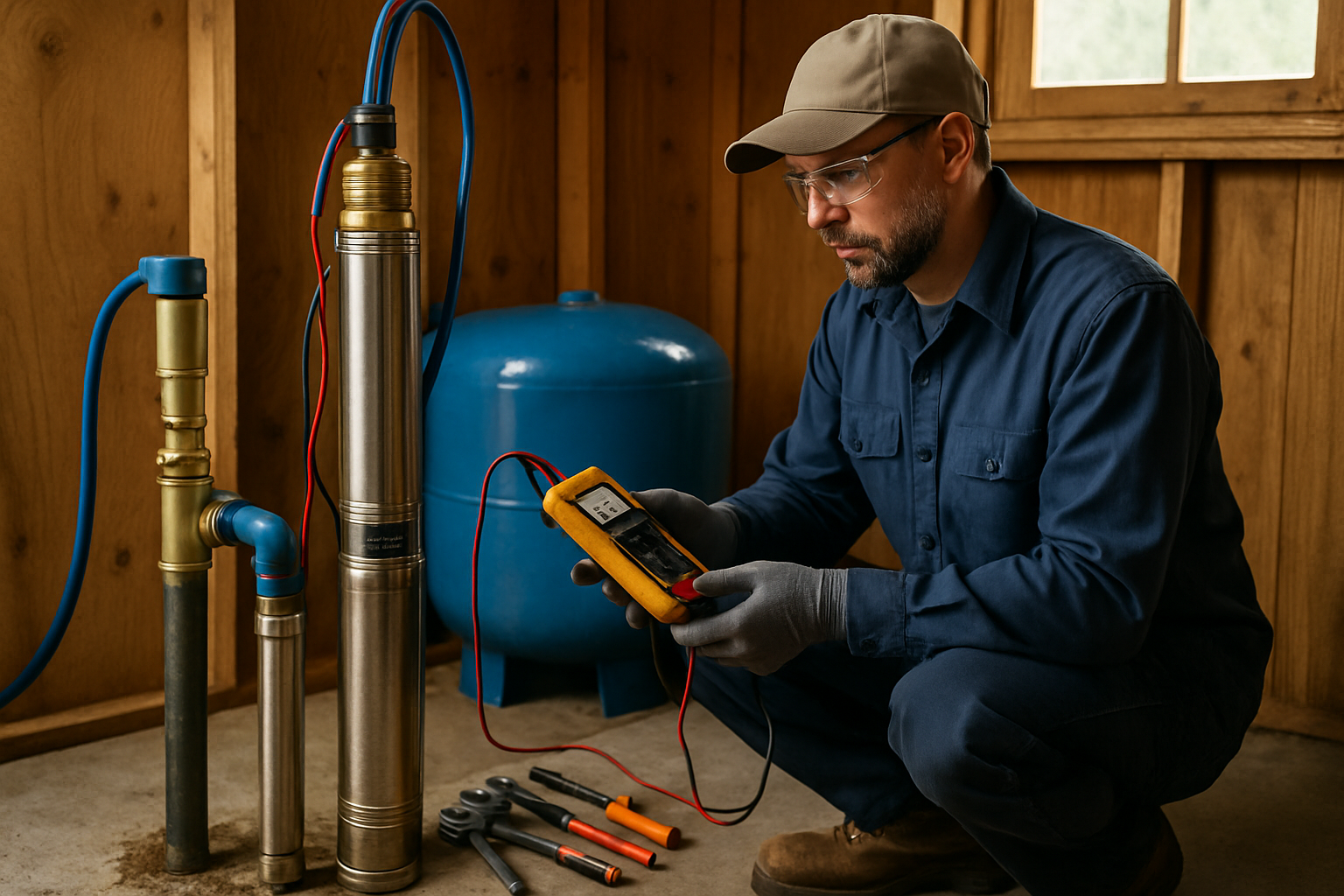
Signs Your Well Pump Is Failing
Catch pump problems early before you lose water completely.
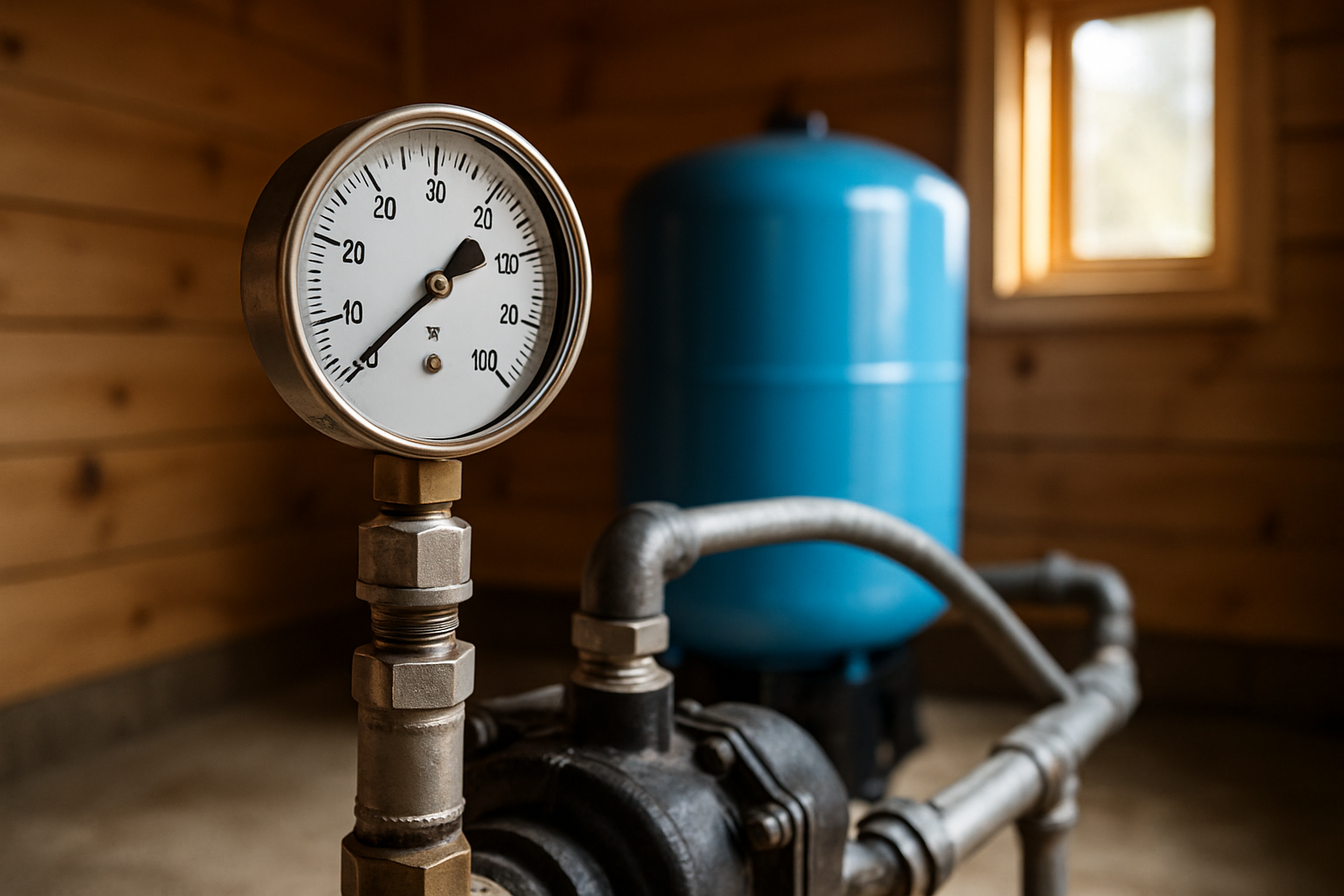
Low Water Pressure From Well
Diagnose and fix pressure problems before they get worse.
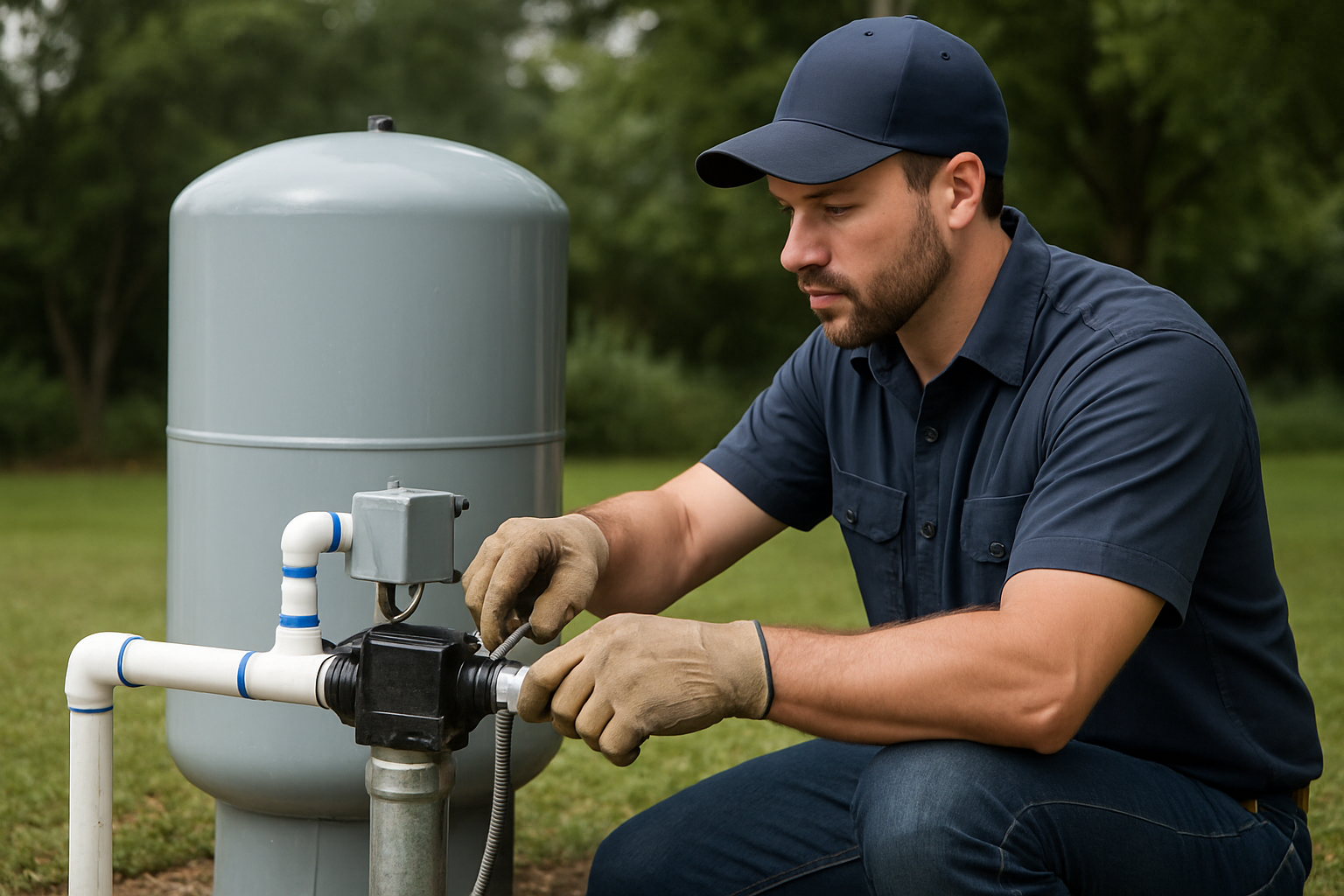
Well Maintenance Guide
Keep your well running smoothly with regular maintenance.
Our Locations
1077 Main St, Ramona, CA 92065
57174 CA-371 (US Hwy 79), Anza, CA 92539