
Well Services for Tierrasanta Avocado Groves
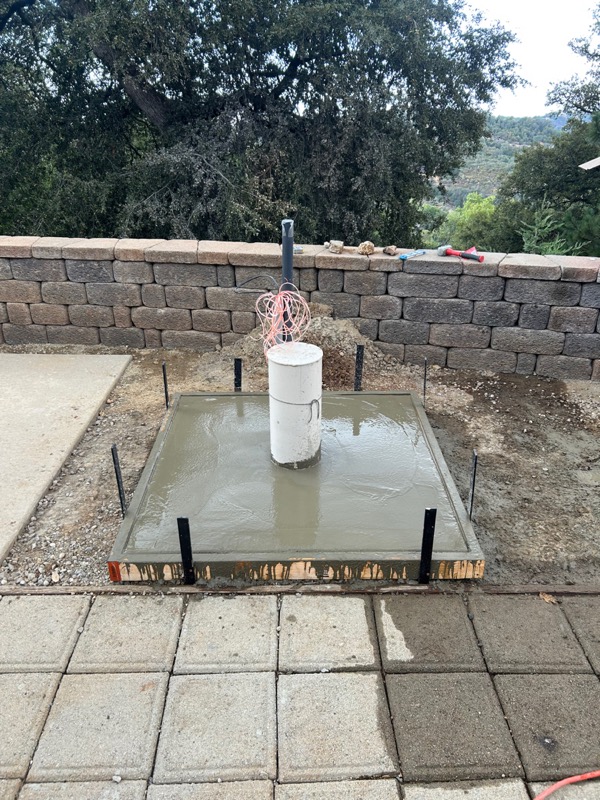
Growing avocados in Tierrasanta? These water-loving trees need reliable, high-quality well water for healthy production. Southern California Well Service supports San Diego County avocado growers with specialized well services.
📋 In This Guide
- Avocado Water Demands
- Well Systems for Avocado Groves
- Chloride Sensitivity
- Partnering with Tierrasanta Avocado Growers
- Related Articles
Avocado Water Demands
Avocados are thirsty trees:
- Mature tree: 40-70 gallons per day in summer
- Per acre: 4-6 acre-feet per year
- Critical periods: Fruit set and sizing
A reliable well is essential for profitable avocado production in San Diego County.
Well Systems for Avocado Groves
- High-capacity agricultural wells
- Storage tanks for peak demand periods
- Drip irrigation systems for efficiency
- Micro-sprinklers for young trees
- Pressure regulation for uniform coverage
Chloride Sensitivity
Avocados are highly sensitive to chloride in irrigation water. If your Tierrasanta well has elevated chloride:
- Blending with lower-chloride water source
- Leaching irrigation to flush salts
- Rootstock selection for salt tolerance
- Regular soil and leaf testing
We test well water for avocado-critical parameters.
Partnering with Tierrasanta Avocado Growers
Avocados are a major crop in San Diego County, and reliable water is essential for success. Contact us for well services designed for avocado production.
Need Help With Your Well in Tierrasanta?
Our expert technicians serve Tierrasanta and all of San Diego County with professional well services.
Related Articles
Continue learning about well maintenance and troubleshooting
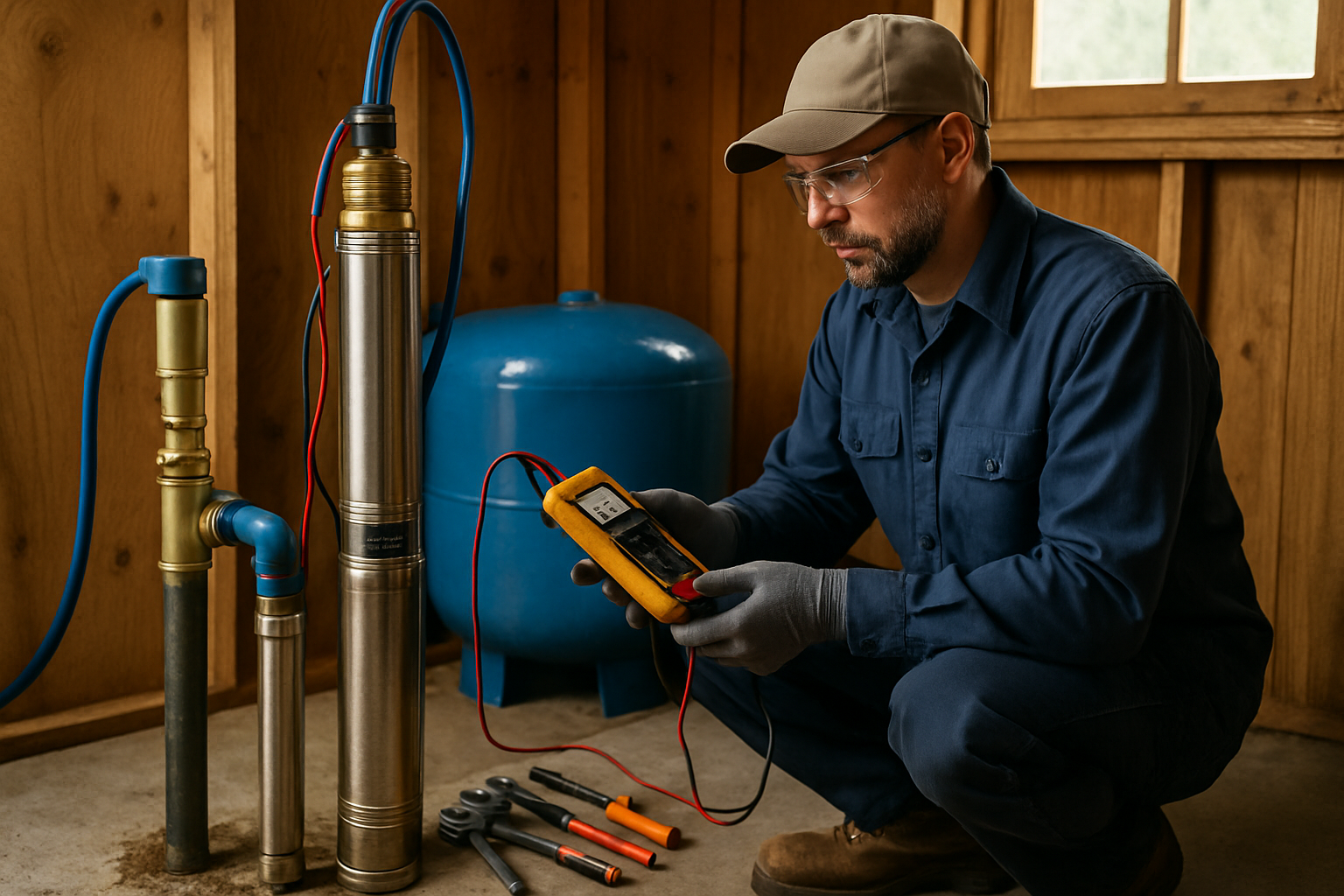
Signs Your Well Pump Is Failing
Catch pump problems early before you lose water completely.
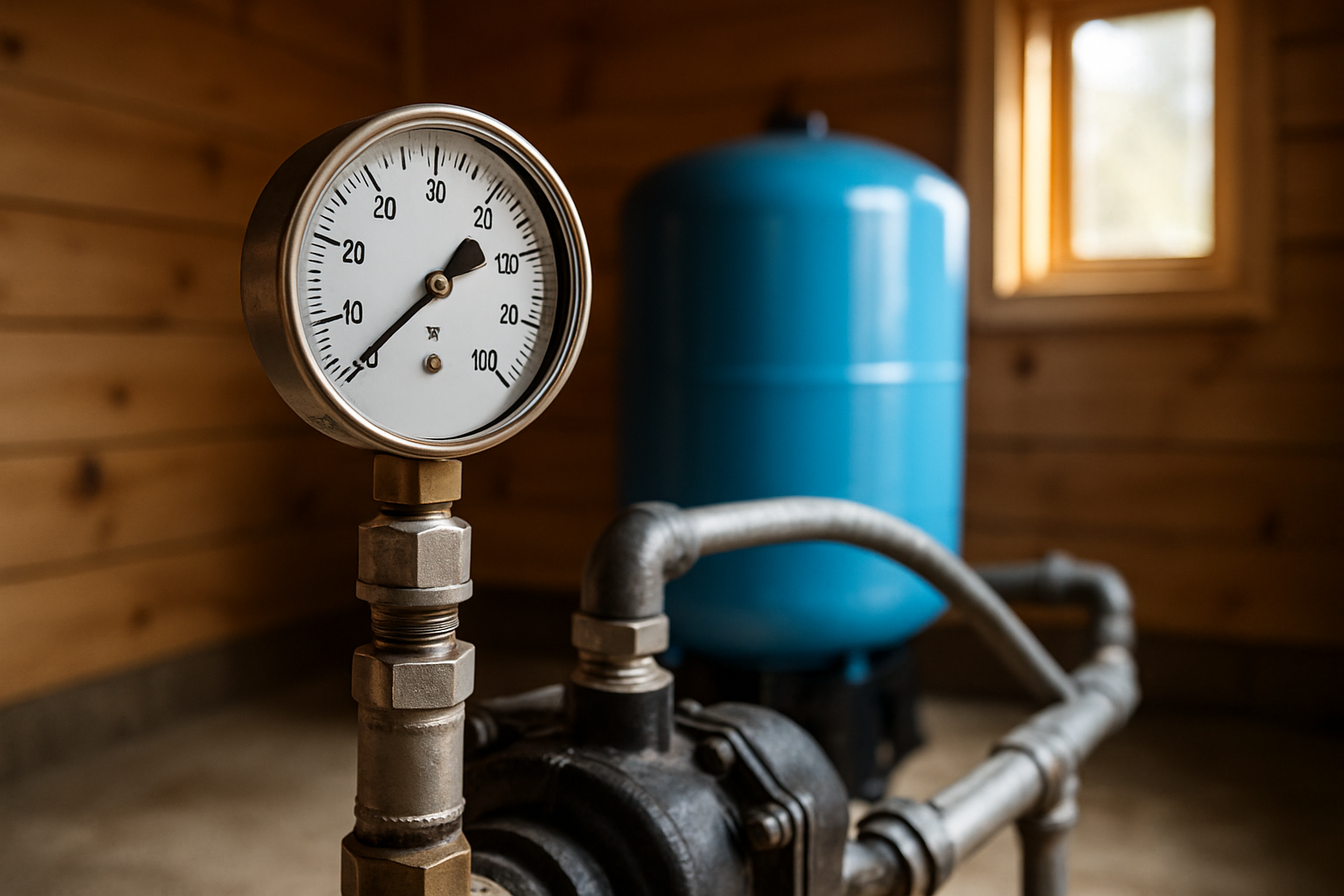
Low Water Pressure From Well
Diagnose and fix pressure problems before they get worse.
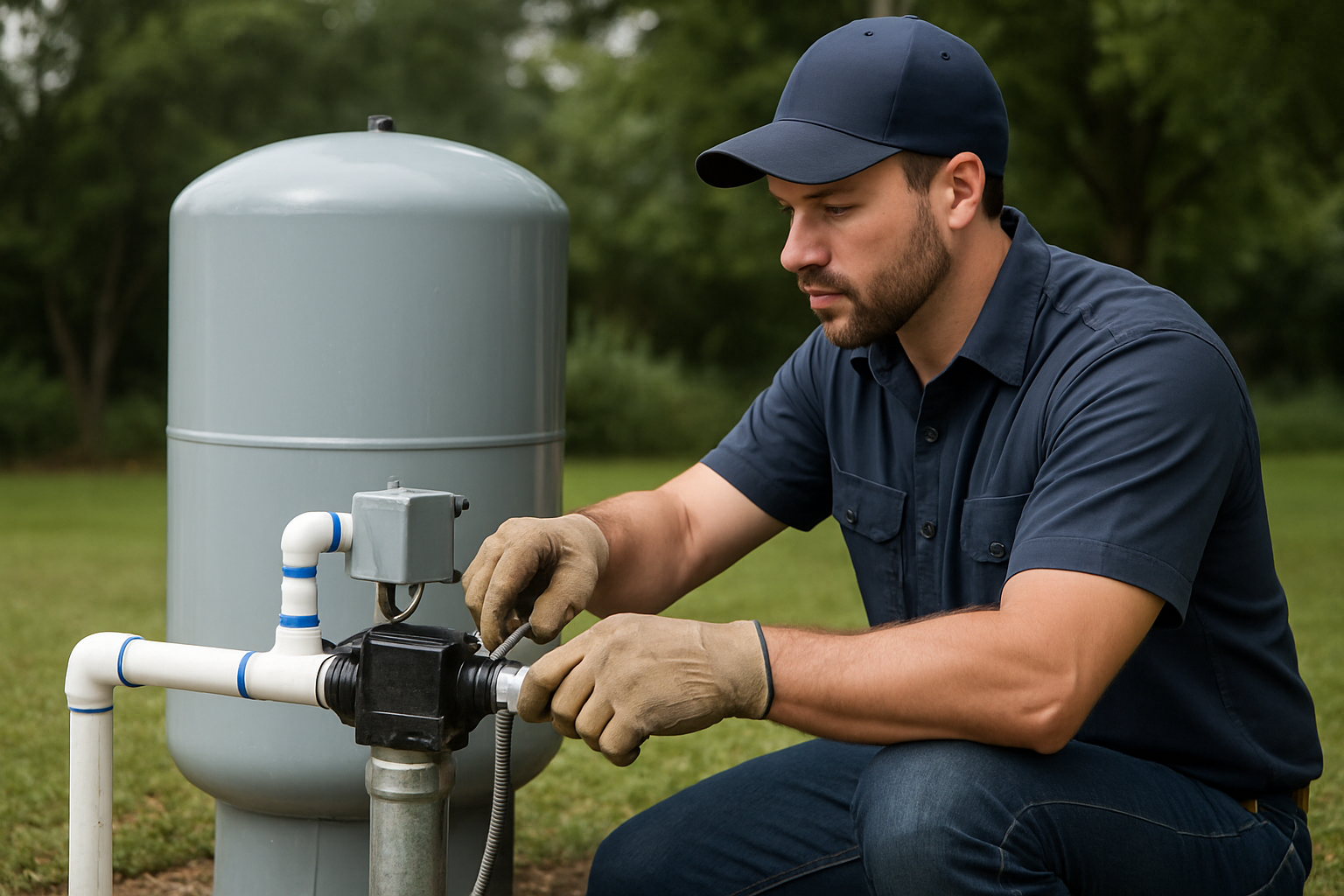
Well Maintenance Guide
Keep your well running smoothly with regular maintenance.
Our Locations
1077 Main St, Ramona, CA 92065
57174 CA-371 (US Hwy 79), Anza, CA 92539
Well and Irrigation Service for Tierrasanta and the San Diego County Backcountry
Tierrasanta sits in the hills of central San Diego, an "island in the hills" wrapped by the canyons of Mission Trails Regional Park and ringed by mostly four roads that all dead-end inside the community. Within the developed core, homes draw from the public water system, but the larger agricultural picture is just a short drive east and north. The rural parcels above Santee, out toward Lakeside, Ramona, and the I-15 corridor near Scripps Ranch and Poway, are where private wells and small avocado, citrus, and hobby-farm operations rely on groundwater pumped from decomposed granite and fractured crystalline bedrock. Southern California Well Service has worked these formations since 2020, and we bring the same licensed, full-service approach to every Tierrasanta-area property owner who depends on a private well for the house, the grove, or both.
Avocados are the signature crop of San Diego County, and even small backyard groves on the eastern edge of the Tierrasanta area can put real demand on a well. A mature Hass tree drinks 40 to 70 gallons on a hot summer day, and an acre can ask for four to six acre-feet across a full year. When the source is a fractured-rock well rather than a deep alluvial aquifer, that demand has to be matched carefully to the well's sustainable yield, your storage, and the irrigation schedule. Getting that balance right is the difference between healthy fruit set and a stressed, under-watered grove.
How a Residential and Grove Well System Works
A typical private well in this part of the county is a drilled well cased through the weathered overburden and into fractured granitic rock, often somewhere between 200 and 600 feet deep depending on where the water-bearing fractures lie. A submersible pump hangs below the standing water level and pushes water up to the surface, where a pressure tank and pressure switch maintain steady household pressure. For irrigation, that same well frequently feeds a storage tank so the pump can run during off-peak hours and the grove can be watered on demand without overdrawing the well.
The components that most often need attention are predictable. The pressure switch is the small, inexpensive control that tells the pump when to start and stop; when it pits or sticks, you get short-cycling or no pressure at all. The pressure tank holds a cushion of pressurized air; when its bladder fails, the pump cycles rapidly and wears out early. The submersible pump itself is the costly heart of the system, and the constant-pressure or booster systems many growers add keep micro-sprinklers and drip lines at uniform pressure across sloped ground. Understanding how these pieces interact is exactly what lets a local technician diagnose a problem on the first visit instead of swapping parts by trial and error.
On grove parcels, the irrigation side adds another layer. Drip and micro-sprinkler systems are efficient but unforgiving of pressure swings and clogging, so we often pair a well with sediment filtration, a buffer tank, and a regulated delivery setup so each tree on a slope receives the same volume. A well that is perfectly adequate for a house can fall short the moment you add an acre of thirsty trees, which is why we size the whole system together rather than treating the pump, the tank, and the irrigation as separate problems.
Common Local Scenarios We See
In the hills around Tierrasanta and the neighboring backcountry, a few patterns repeat. Wells in decomposed granite can produce fine sediment that wears pump seals and clouds the water, especially as the water table drops late in a dry year. Hard, mineral-rich water leaves scale on fixtures and inside pipes. Older properties sometimes still have galvanized plumbing or aging steel casing that contributes iron and rust. And because many of these parcels sit at the end of long rural power runs, voltage sags and surges can shorten the life of pump motors and control boxes. For grove owners, the recurring concern is chloride and overall salinity, since avocados are notoriously salt-sensitive and even modest chloride levels in irrigation water can scorch leaf tips and reduce yield.
What to Check Before You Call
If your water quality or pressure changes suddenly, a few safe checks can help you describe the problem:
- Listen to the pump cycle. Rapid on-off clicking usually points to a waterlogged pressure tank or a failing switch.
- Look at the pressure gauge. Note the cut-in and cut-out pressures; a gauge stuck low or pinned high tells a story.
- Check a single outdoor spigot. If pressure is poor everywhere, the issue is likely at the well or tank, not the house plumbing.
- Inspect a glass of water. Cloudiness that settles is sediment; an orange tint that appears after sitting suggests iron.
- Confirm power. Check the breaker for the well before assuming the pump has failed.
Beyond those basics, leave the wellhead, wiring, and pressure system to a licensed professional. There are lethal voltages and pressurized components involved, and an improper repair can damage the well.
When to Call a Professional
Call us when you lose water entirely, when pressure drops and will not recover, when water turns persistently discolored, or when the pump runs but delivers little. For grove owners, schedule a water test before planting or replanting so rootstock and irrigation can be matched to your water chemistry. As a licensed C-57 water well contractor with same-day emergency response, we can diagnose the system, restore service, and tell you honestly whether a repair or a replacement makes more sense.
Realistic Cost Ranges
Costs vary with depth, access, and equipment, but typical San Diego County ranges look like this: a pressure switch runs about $150 to $350; a new pressure tank, $600 to $1,500; a submersible pump replacement, $2,500 to $5,500; sediment filtration, $300 to $900; an iron or manganese filter or a water softener, $1,500 to $3,500; and a constant-pressure or booster system, $2,000 to $4,500. Larger projects include hydrofracturing to improve a low-yielding fractured-rock well at $3,000 to $8,000, a new turnkey well at $18,000 to $42,000, and proper abandonment of an old well at $1,500 to $5,000. Our diagnostic visit is $125, credited toward the work if you proceed.
Serving Tierrasanta and the Surrounding Communities
From our Ramona and Anza offices, we reach Tierrasanta and the neighboring areas of Santee, Lakeside, Scripps Ranch, Poway, and the rural parcels stretching east toward Ramona quickly. Whether your well serves a single home tucked against the canyon rim or a small avocado grove on acreage at the community's edge, our crews know the local geology and bring the right tools the first time.
Frequently Asked Questions
Are there really avocado groves in Tierrasanta?
The built-out core of Tierrasanta is residential, but the surrounding eastern San Diego County backcountry includes small avocado and citrus groves on private wells. We serve both residential well owners in the community and grove owners nearby.
How deep are wells in this part of San Diego County?
Most drilled wells in the area reach water in fractured granitic rock somewhere between 200 and 600 feet, though depth varies widely with the local fracture pattern and elevation.
Why does my well water stain everything orange?
That is almost always iron, either dissolved naturally from the rock or from corroding steel casing and plumbing. A water test pinpoints the source, and an oxidizing filter or softener typically resolves it.
Can you improve a well that does not produce enough for my grove?
Sometimes. Hydrofracturing can open additional water-bearing fractures and boost yield in granitic wells, and adding storage lets a modest well meet peak grove demand. We assess each well individually before recommending it.
Do you offer emergency service?
Yes. We provide same-day emergency response for no-water situations across the Tierrasanta area, and you can reach us by phone or text any day.
Is my rusty or sediment-laden water safe?
Iron and sediment are usually aesthetic rather than a direct health risk, but they can mask other issues and damage equipment. We recommend a full water test so you know exactly what you are drinking and irrigating with.
Get Your Tierrasanta Well Serviced Today
Reliable water keeps your home running and your trees producing. Call Southern California Well Service at (760) 440-8520 or text us at (760) 219-5877 to schedule a diagnostic, request a free estimate, or get same-day help with a well emergency in Tierrasanta.