
Booster Pump Installation in Cedarpines Park
Southern California Well Service provides professional booster pump installation to Cedarpines Park and throughout San Bernardino County. With 30+ years experience and a 4.9☆ Google rating, we're the trusted choice for well owners.
📋 In This Guide
Need Booster Pump Installation in Cedarpines Park?
We serve Cedarpines Park and all of San Bernardino County. Licensed C-57 contractor with 24/7 emergency service.
Call: (760) 440-8520Our Booster Pump Installation Services
- Fast response times to Cedarpines Park
- Licensed, bonded, and insured (C-57 #1013597)
- Upfront pricing with no hidden fees
- Quality parts and professional workmanship
- 24/7 emergency service available
- Residential and agricultural wells
Why Cedarpines Park Chooses SCWS
✓ Local Expertise
We know San Bernardino County geology and wells
✓ Fast Response
Same-day service for Cedarpines Park
✓ Fair Pricing
Honest quotes, no surprises
✓ Quality Work
4.9☆ rating, hundreds of reviews
Our Locations
Related Articles
Continue learning about well maintenance and troubleshooting

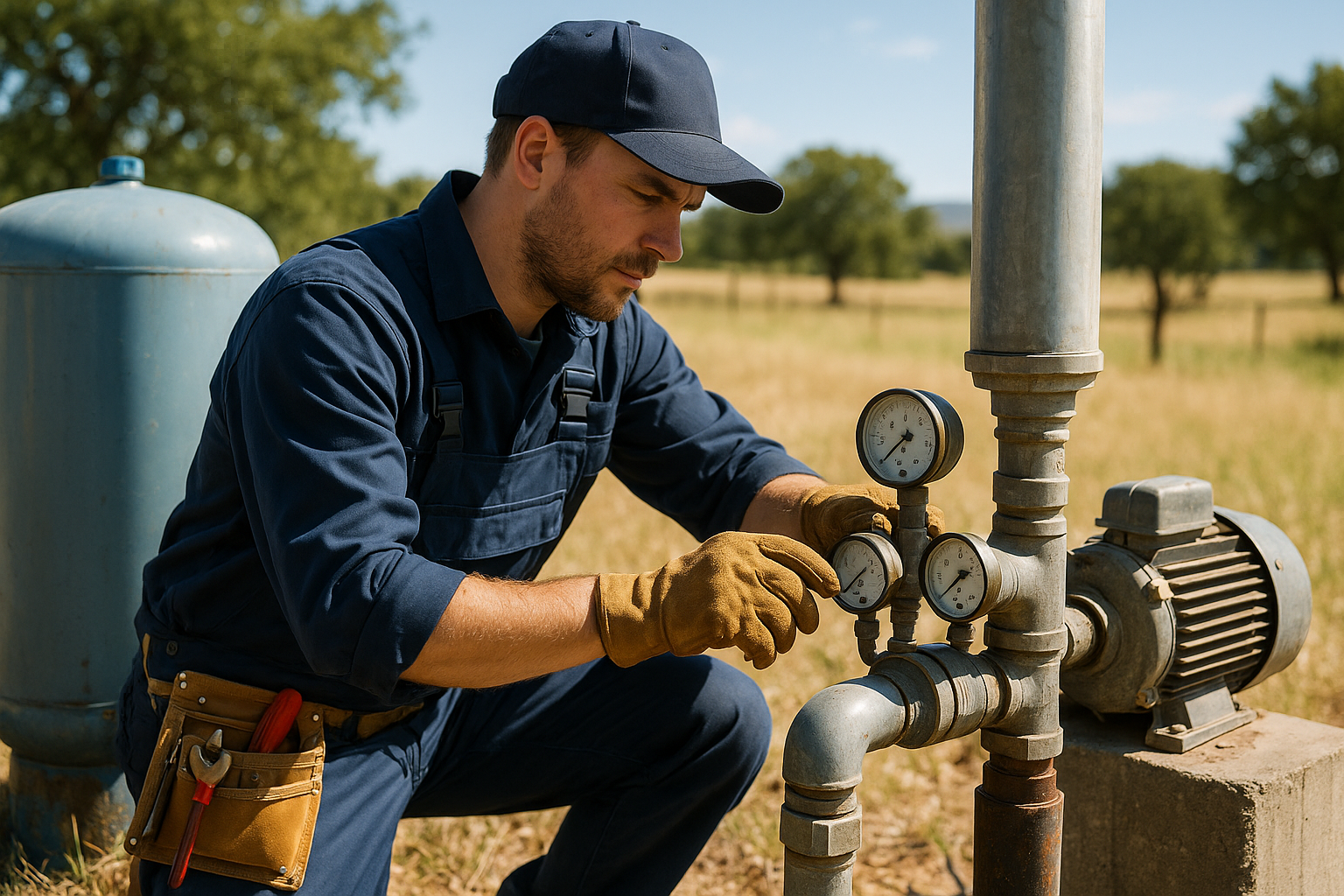
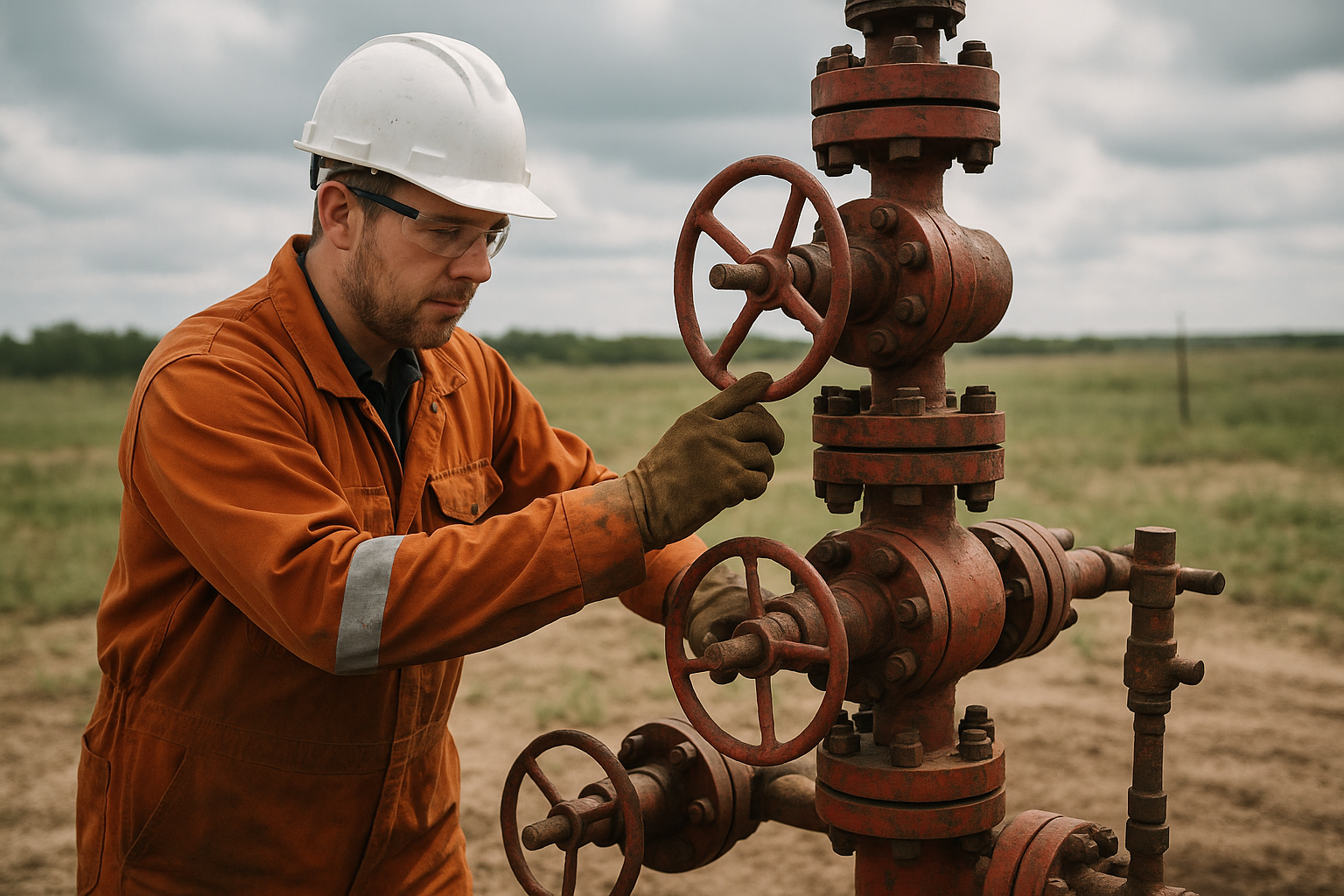
Booster Pump Installation for Cedarpines Park Mountain Homes
Cedarpines Park sits high in the San Bernardino Mountains, a small unincorporated community tucked into the pines just west of Crestline and a short drive from Lake Gregory. At roughly 4,700 to 5,300 feet of elevation off the State Route 138 and State Route 18 corridor, the neighborhood is defined by steep, forested slopes, winding lanes, and cabins and year-round homes built into the hillside. That mountain setting is exactly what makes a properly sized water booster pump so valuable here. Whether your home draws from a private well, a shared mountain water system, or a county service connection, the climb between the water source and your faucet can rob you of the pressure you need for a comfortable shower, a working dishwasher, or a hose that actually reaches the far end of the lot. Southern California Well Service has spent more than 30 years installing, sizing, and servicing booster systems for mountain and rural properties across the region, and we bring that experience to every Cedarpines Park job.
Signs Your Cedarpines Park Property Needs a Booster Pump
Low water pressure is more than an annoyance in a mountain community. It affects appliance performance, fire-protection sprinklers, and the simple daily comfort of running water. Here are the most common signs we see that point to a booster pump as the right solution:
- Chronic low pressure throughout the house. If pressure is weak at every fixture, all day long, the problem is usually system-wide rather than a single clogged aerator.
- A hillside or elevated building site. Many Cedarpines Park lots sit well above the well, tank, or water main that feeds them. Every foot of elevation gain costs you roughly 0.43 psi, so a home perched 100 feet uphill from its source can lose more than 40 psi before the water ever reaches the door.
- Multi-story cabins and homes. Two- and three-level mountain homes drop noticeably in pressure on the top floor, especially when more than one fixture runs at once.
- Long pipe runs across a large or wooded lot. Friction loss over hundreds of feet of buried pipe steadily eats away at pressure, which is common on the deeper, tree-shaded parcels here.
- A weak well or small mountain water system. Lower-yielding mountain wells and modest community systems often deliver adequate volume but disappointing pressure. A booster restores usable force at the tap.
- Irrigation and outdoor use that falls flat. Sprinklers that barely turn over, drip lines that won't prime, or a garden hose that trickles uphill are classic symptoms of a system that needs a pressure boost.
- Pressure that sags when demand rises. If a flushing toilet kills the shower, your home is asking for more flow than the source can supply at pressure, exactly what a booster is built to fix.
How Booster Pumps Work and Which Type Fits Your Home
A booster pump does what its name promises: it takes incoming water that arrives with too little pressure and raises it to a strong, steady level before it enters the home's plumbing. The right type depends on your water source, your elevation gain, and how many fixtures you run at the same time.
Single-Stage Pumps
A single-stage booster uses one impeller to add pressure in a single step. These are a cost-effective fit for modest boosts, such as a one-story Cedarpines Park cabin that needs a moderate lift from a nearby tank or community line. They are simple, reliable, and easy to service.
Multi-Stage Pumps
A multi-stage pump stacks several impellers so each one adds another increment of pressure. This design shines on steep lots and multi-story homes where the elevation gain is significant. Because the work is spread across multiple stages, these pumps deliver high pressure smoothly and run more efficiently under heavy demand, making them a frequent choice for hillside properties above Lake Gregory and throughout the higher reaches of the community.
Constant-Pressure and Variable-Speed (VFD) Systems
The most refined option is a constant-pressure system driven by a variable-frequency drive (VFD). Instead of switching fully on and off, the VFD continuously adjusts the motor speed to hold a target pressure no matter how many fixtures are open. The result is shower-and-dishwasher pressure that never sags, fewer pressure swings on the plumbing, quieter operation, and reduced wear on the motor and tank. For larger Cedarpines Park homes, properties with irrigation, or households that simply want city-style consistency from a mountain water source, a variable-speed booster is often the best long-term investment.
Sizing, Installation, and Freeze Protection in the Mountains
Getting a booster pump right is as much about sizing and installation as it is about the pump itself. An undersized pump leaves you with the same complaints you started with, while an oversized one short-cycles, wastes energy, and wears out early. Our technicians measure your existing static and working pressure, calculate the elevation gain between your source and your highest fixture, estimate friction loss across your pipe runs, and total your peak demand in gallons per minute. From those numbers we recommend a pump and pressure setting matched to your home rather than a one-size box off a shelf.
Installation in Cedarpines Park carries one consideration that lowland jobs do not: freeze protection. Winters here bring snow and hard freezes, and an exposed pump, pressure tank, or run of supply pipe can crack and fail on the coldest nights. We locate boosters inside heated spaces, insulated pump houses, or protected enclosures wherever possible, insulate and heat-tape vulnerable piping, and make sure drains and bleed points are placed so the system can be winterized if a cabin sits empty. We also account for the area's granite and decomposed-granite soils, which can carry fine sediment and influence how and where equipment is set. Clean electrical connections and surge protection round out a durable install, since rural mountain power can be less than perfectly stable.
Pairing a Booster Pump With a Storage Tank
On many mountain properties the smartest configuration pairs the booster with a storage tank. A low-yield well or a community system with limited instantaneous flow may not keep up with a big shower-and-laundry demand on its own. By filling a storage tank steadily during low-use periods and then drawing the booster from that reserve, you decouple your household demand from the source's flow rate. The booster pulls from a full tank and delivers strong, constant pressure even during peak use, while the tank quietly refills in the background. This setup also adds a welcome buffer of stored water for the times when a mountain system is offline, and it pairs naturally with a constant-pressure VFD pump for a system that feels every bit as dependable as a city connection.
Common Issues We Solve in Cedarpines Park
Drawing on decades of mountain service calls, these are the booster-related problems we encounter most often in and around the community:
- Elevation losses. Homes set far above their water source need more boost than owners expect. Correct sizing for the actual elevation gain is the difference between marginal and excellent pressure.
- Freeze damage. Cracked pump housings, split pressure tanks, and burst supply lines after a cold snap are common when equipment was installed without mountain-grade freeze protection.
- Sediment and mineral wear. Fine grit from decomposed-granite ground and mineral content in mountain water can foul check valves and shorten pump life without proper filtration and sediment screening.
- Short cycling. A waterlogged pressure tank or mismatched settings make a pump switch on and off rapidly, hammering the motor. We diagnose and correct the tank, pressure switch, or VFD setup.
- Air and priming trouble. Long uphill suction runs can introduce air and make a pump lose prime, an issue we resolve with proper plumbing layout and the right pump style.
When to Call a Professional
Some plumbing chores are fine for a capable homeowner, but a booster pump touches pressurized water, electrical wiring, and code-driven backflow protection all at once. Call a licensed professional when you are unsure of your pump size, when the work involves new electrical circuits, when you suspect the well or source itself is underperforming, or when freeze protection and tank integration need to be engineered together. A wrong pressure setting can damage plumbing and appliances, and an improperly wired pump is a safety hazard. As a licensed C-57 contractor, Southern California Well Service handles the diagnosis, sizing, permitting where required, and installation so the finished system is safe, efficient, and built to last through Cedarpines Park winters.
Booster Pump Cost in Cedarpines Park
Every property is different, but these ranges give Cedarpines Park homeowners a realistic starting point for budgeting:
- Standard booster pump installation: $2,000 to $4,500, depending on pump size, plumbing modifications, and freeze-protection needs.
- Constant-pressure / variable-speed (VFD) system: $2,500 to $5,000 for the smooth, city-style consistency of a variable-speed setup.
- Storage tank addition: $1,500 to $4,000, based on tank capacity and how it is integrated with the booster.
- Diagnostic visit: a flat $125, which we credit toward your installation when you move forward with us.
We provide an upfront, written quote before any work begins, so there are no surprises once the job is done.
Serving Cedarpines Park and the Surrounding Mountains
Southern California Well Service installs and services booster pumps throughout Cedarpines Park and the neighboring San Bernardino Mountain communities, including Crestline, Lake Gregory, Valley of Enchantment, Twin Peaks, the Silverwood Lake area, and down toward Lytle Creek. We understand the elevation challenges, the granite and decomposed-granite ground, and the freeze conditions that set mountain water systems apart from valley installations. With same-day emergency service and a 4.9-star reputation built over 30-plus years, we are ready to restore strong, reliable pressure to your home whether you are on a private well, a small mountain water system, or a county connection.
Frequently Asked Questions
How do I know if I need a booster pump or just a pressure tank repair?
If pressure is weak everywhere and all the time, especially on an elevated or multi-story Cedarpines Park lot, a booster pump is usually the answer. If pressure surges and a pump short-cycles on and off, the problem is more often a waterlogged or failed pressure tank. Our $125 diagnostic pinpoints which it is, and that fee is credited toward any installation.
Will a booster pump help my hillside home above Lake Gregory?
Yes. Elevated lots lose roughly 0.43 psi for every foot of climb between the water source and the house, so hillside homes are prime candidates. A correctly sized multi-stage or variable-speed booster restores the pressure that elevation strips away.
Can a booster pump freeze in a Cedarpines Park winter?
An unprotected pump or supply line can absolutely crack in a hard mountain freeze. We install boosters in heated or insulated enclosures, heat-tape exposed piping, and set up drains so a vacant cabin can be winterized. Proper freeze protection is a standard part of every mountain installation we do.
What is the difference between a single-stage and a variable-speed booster?
A single-stage pump adds a fixed amount of pressure and is a good value for modest needs. A variable-speed (VFD) system continuously adjusts to hold constant pressure no matter how many fixtures run, delivering steadier, quieter, city-style performance and longer equipment life, which makes it ideal for larger or multi-story mountain homes.
Do I need a storage tank with my booster pump?
Not always, but if your well or community system has a low flow rate, pairing the booster with a storage tank lets you draw strong pressure from a full reserve while the tank refills slowly in the background. It is one of the most reliable configurations for low-yield mountain water sources.
How much does booster pump installation cost in Cedarpines Park?
A standard installation typically runs $2,000 to $4,500, a constant-pressure variable-speed system $2,500 to $5,000, and a storage tank addition $1,500 to $4,000. We always provide an upfront written quote, and our $125 diagnostic is credited toward the work.
Get Strong, Reliable Water Pressure in Cedarpines Park
Stop fighting weak showers and trickling hose bibs. Southern California Well Service will assess your system, size the right booster pump for your elevation and demand, and install it with mountain-grade freeze protection so it performs year-round. Call (760) 440-8520 or text us at (760) 219-5877 for a free estimate and same-day emergency service in Cedarpines Park and across San Bernardino County.