
Booster Pump Installation in Dehesa
Southern California Well Service provides professional booster pump installation to Dehesa and throughout San Diego County. With 30+ years experience and a 4.9★ Google rating, we're the trusted choice for well owners.
📋 In This Guide
Need Booster Pump Installation in Dehesa?
We serve Dehesa and all of San Diego County. Licensed C-57 contractor with 24/7 emergency service.
Call: (760) 440-8520Our Booster Pump Installation Services
- Fast response times to Dehesa
- Licensed, bonded, and insured (C-57 #1013597)
- Upfront pricing with no hidden fees
- Quality parts and professional workmanship
- 24/7 emergency service available
- Residential and agricultural wells
Why Dehesa Chooses SCWS
✓ Local Expertise
We know San Diego County geology and wells
✓ Fast Response
Same-day service for Dehesa
✓ Fair Pricing
Honest quotes, no surprises
✓ Quality Work
4.9★ rating, hundreds of reviews
Our Locations
Related Articles
Continue learning about well maintenance and troubleshooting

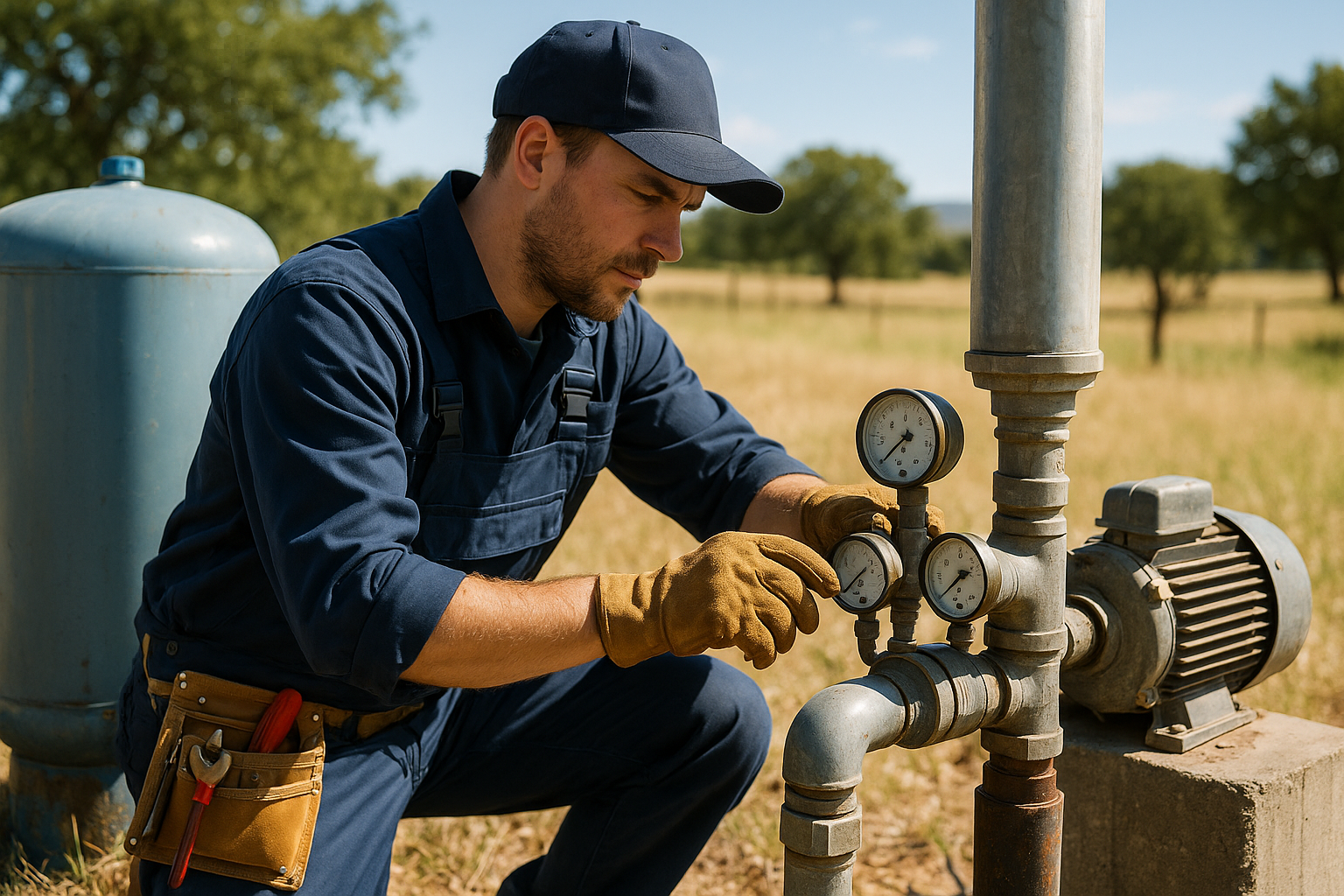
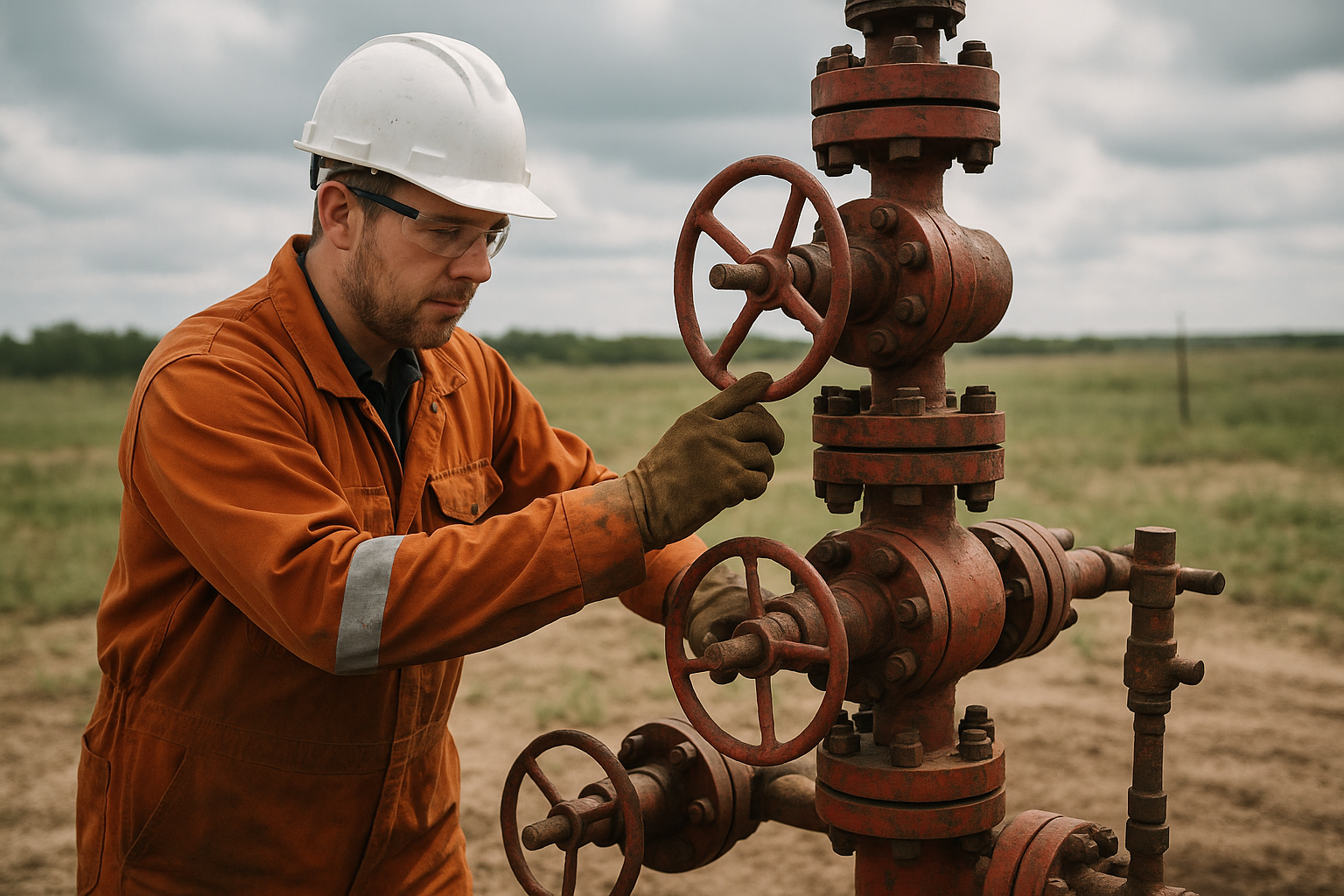
Understanding Booster Pumps in Dehesa, California
Dehesa is a rural unincorporated community in eastern San Diego County, located approximately 18 miles east of downtown San Diego at elevations ranging from 800 to 1,600 feet. The area sits in the Sweetwater River watershed on the transition zone between coastal lowlands and the Laguna Mountains. Local geology consists primarily of weathered Santiago Peak Volcanics (Jurassic metavolcanic rock) and Cretaceous-age plutonic rocks, overlain by thin alluvial deposits in valley bottoms.
Wells in Dehesa typically range from 300 to 600 feet deep, penetrating fractured crystalline bedrock. Water storage occurs in fracture zones rather than porous sedimentary aquifers, resulting in variable well yields (3-20 GPM depending on fracture density). The combination of hilly terrain, large rural parcels, and deep wells creates frequent scenarios where booster pumps become necessary to deliver adequate water pressure.
Why Dehesa Properties Need Booster Pumps
Elevation Changes on Hillside Parcels
Dehesa's topography includes steep hillsides, ridgelines, and valley bottoms with significant elevation differences between wellheads and home sites. If your well sits in a canyon bottom while your house is perched 100+ feet higher, your well pump must overcome gravity: every 10 feet of vertical lift costs roughly 4.3 PSI. A 100-foot elevation gain from well to home requires 43 PSI just to move water uphill — leaving minimal pressure (10-20 PSI) for fixtures if your well pump delivers the typical 50-60 PSI.
A booster pump installed at ground level near your home adds 30-50 PSI to compensate for elevation loss, ensuring second-floor bathrooms and rooftop fixtures receive adequate pressure without oversizing (and overstressing) your submersible well pump.
Long Runs from Well to Home
Dehesa properties often include multi-acre parcels with wells drilled hundreds of feet from the main residence. Horizontal pipe runs lose pressure due to friction: a 1-inch pipe flowing 10 GPM loses approximately 5 PSI per 100 feet. On a 400-foot run from wellhead to house, that's 20 PSI gone before water reaches your distribution system.
Combined with elevation and fixture demand, pressure drops to 20-30 PSI at faucets — barely adequate for basic use, and insufficient for modern showers, dishwashers, or irrigation. A booster pump near the house restores pressure without requiring expensive upsizing of the entire supply line.
Irrigation Demands on Large Parcels
Dehesa's climate (Mediterranean with hot, dry summers averaging 90-100°F in July-August) makes supplemental irrigation essential for landscaping, gardens, orchards, and pastures. Drip systems need 20-30 PSI minimum, while rotary sprinklers require 35-50 PSI for effective coverage. If your well pump provides marginal domestic pressure (40-50 PSI at the house), adding irrigation zones drops pressure below usable levels.
Many Dehesa properties solve this with dedicated irrigation booster pumps: the well pump delivers water to a storage tank, and a separate booster pump pressurizes irrigation zones independently from domestic supply. This prevents watering your avocado trees from killing shower pressure inside.
Low-Yield Wells in Fractured Rock
Wells drilled into Santiago Peak Volcanics or plutonic rock depend on intersecting productive fracture zones. Some Dehesa wells deliver adequate volume (8-12 GPM) but low static head due to shallow water table or limited fracture connectivity. These wells produce enough water for household use but lack the natural pressure head (water column weight) to deliver comfortable fixture pressure.
A booster pump compensates for inherently low system pressure without requiring a deeper, more expensive well or hydrofracturing to improve fracture connectivity.
Types of Booster Pumps for Dehesa Wells
1. Variable-Speed Pressure Boosting Systems
Best for: Whole-house applications with varying demand patterns
How it works: Electronic VFD (variable frequency drive) controller modulates pump speed to maintain constant pressure (e.g., 65 PSI) regardless of flow rate. One faucet open = slow pump speed; full-house demand = high speed. Prevents pressure fluctuations when someone flushes a toilet while you're showering.
Brands we install in Dehesa:
- Grundfos SCALA2 — $900-$1,300 (compact all-in-one, 3-12 GPM, built-in expansion tank, self-priming)
- Franklin Electric SubDrive — $1,300-$2,000 (commercial-grade VFD, 15-40 GPM, ideal for large homes or irrigation)
- Goulds AquaBoost II — $1,200-$1,700 (variable-speed with Bluetooth diagnostics, ¾-2 HP models)
Advantages: Near-silent operation, energy-efficient (pump only works as hard as needed), stable pressure, reduced water hammer, long motor life (less thermal stress)
Disadvantages: Higher upfront cost, electronics vulnerable to lightning (consider surge protection in rural areas), complex troubleshooting
2. Constant-Pressure Systems with Storage Tanks
Best for: Homes with high peak demand, or properties with intermittent power (tank provides buffer during outages)
How it works: Conventional booster pump cycles on at 50 PSI, off at 70 PSI. A pressure tank (20-80 gallons) stores pressurized water. The pump runs less frequently, and the tank bladder supplies short draws (filling a coffee pot, washing hands) without cycling the motor.
Brands we install in Dehesa:
- Amtrol Pressuriser package — $1,500-$2,400 (pump + 40-80 gal tank, pre-wired control box)
- Berkeley B5HPMS booster + Well-X-Trol tank — $1,400-$2,100 (cast iron pump body, proven durability)
- Red Lion RL-SPS100 — $900-$1,300 (economy option, stainless pump, 20-40 gal tank)
Advantages: Simpler mechanical design (easier field repair), tank buffers pressure fluctuations, works with non-VFD well pumps, proven 15+ year track record
Disadvantages: Pressure swings between cut-in/cut-out (noticeable in showers), requires floor space for tank, periodic tank bladder replacement (~7-10 years)
3. Inline Circulation Boosters
Best for: Single-zone irrigation, secondary bathrooms, or dedicated applications (not whole-house)
How it works: Compact centrifugal pump mounts directly in supply pipe, adding 15-30 PSI boost. Flow switch activates pump when water moves (e.g., sprinkler valve opens), shuts off when flow stops. Simple, low-cost solution for targeted pressure problems.
Brands we install in Dehesa:
- Grundfos UPA 15-90 — $300-$500 (auto-boost for showers/appliances, 4 GPM max)
- Taco VT2218 — $350-$550 (variable-speed inline, HVAC industry crossover)
- Simer 3075SS — $400-$600 (shallow well jet pump adapted for boosting, stainless steel)
Advantages: Lowest installed cost, minimal space (mounts on pipe), simple troubleshooting
Disadvantages: Limited boost capacity (15-30 PSI max), not suitable for whole-house demand, higher failure rate (5-8 year lifespan vs 12-15 for larger systems)
Booster Pump Installation Process in Dehesa
Step 1: On-Site Assessment and System Evaluation
Our technician visits your property to measure current performance:
- Static pressure test — pressure at wellhead/pressure tank with no water flowing
- Dynamic pressure test — pressure at various fixtures under typical flow (hose bib, shower, kitchen sink)
- Flow rate measurement — actual GPM delivered at key points
- Elevation survey — vertical rise from booster location to highest fixture
- Peak demand calculation — fixture count, simultaneous use patterns, irrigation zones
For Dehesa properties with steep terrain, we use laser levels or GPS to accurately measure elevation differences — a 10-foot miscalculation translates to 4.3 PSI sizing error.
Step 2: Electrical and Plumbing Preparation
Booster pumps require dedicated electrical circuits. Typical requirements:
- ½ HP pumps: 120V, 15A circuit (14 AWG wire)
- ¾-1 HP pumps: 240V, 20A circuit (12 AWG wire)
- 1.5+ HP pumps: 240V, 30A circuit (10 AWG wire)
In rural Dehesa locations with long runs from electrical panel to booster location, we may upsize wire gauge to compensate for voltage drop (e.g., 10 AWG instead of 12 AWG for a 200-foot run). GFCI protection is required if pump sits outdoors or in damp locations.
Plumbing modifications include:
- Isolation ball valves before/after pump (for future service without draining system)
- Check valve downstream (prevents backflow, protects pump from reverse rotation)
- Pressure relief valve (safety code requirement)
- Drain valve for winterization or maintenance
Step 3: Pump Mounting and System Integration
We mount the booster pump on a concrete pad or vibration-dampening base (rubber isolators + plywood platform). Proper mounting eliminates noise transmission to floors and walls — critical in Dehesa's quiet rural environment where pump vibration travels easily through slab floors.
The pump connects between your wellhead/pressure tank and distribution piping. For properties with separate domestic and irrigation systems, we install dual-pump configurations: one booster for the house, one for outdoor zones.
Step 4: Pressure Calibration and Field Testing
After installation, we calibrate pressure settings based on your system:
- Standard residential: Cut-in 50 PSI / cut-out 70 PSI (or constant 65 PSI for VFD)
- High-demand households: Cut-in 60 PSI / cut-out 80 PSI
- Irrigation-only systems: Constant 55-60 PSI (optimized for drip/sprinkler efficiency)
We test pressure at multiple fixtures under varying flow conditions (single faucet, full-house demand, irrigation zones active) to verify stable delivery across all use cases.
Costs for Booster Pump Installation in Dehesa
Total project costs depend on pump type, system complexity, and site-specific factors (electrical distance, terrain access):
- Inline booster (single zone): $550-$1,000 installed
- Variable-speed whole-house system: $1,600-$3,200 installed
- Constant-pressure system with tank: $2,000-$3,800 installed
- Dual-pump system (domestic + irrigation): $3,000-$5,500 installed
- High-capacity agricultural systems (20+ GPM): $4,000-$7,000+ installed
These estimates include pump equipment, electrical circuit (up to 100 feet from panel), plumbing modifications, vibration isolation, labor, calibration, and startup. Additional costs apply for:
- Electrical panel upgrades (if existing panel lacks capacity): $800-$1,500
- Trenching for long electrical runs (>100 feet): $5-$12 per linear foot
- Difficult site access (steep grades, remote well locations): $200-$500 mobilization surcharge
Alternatives to Booster Pumps
Before installing a booster, consider whether these solutions address your root problem:
Pressure Tank Upgrade
If your pressure tank is undersized, waterlogged, or has incorrect air charge, replacing it may restore acceptable pressure. Typical upgrade: 20-gallon tank → 60-80 gallon tank ($700-$1,400 installed). Works if your well pump delivers adequate PSI but pressure fluctuates or drops during peak use.
Well Pump Replacement with Higher Pressure Rating
If your submersible well pump is old (10+ years) or undersized, replacing it with a higher-capacity pump and uprating the pressure switch (e.g., 40/60 → 50/70 PSI) may eliminate booster need. More expensive upfront ($2,500-$4,500 for pump replacement) but addresses the underlying capacity issue.
Hydrofracturing (for Low-Yield Wells)
If your well delivers low GPM due to limited fracture connectivity, hydrofracturing uses high-pressure water to open existing fractures and improve yield. Cost: $2,000-$4,000. Effective for wells yielding <5 GPM, less useful for pressure problems.
Storage Tank + Separate Irrigation Pump
For properties with large irrigation demands, install a 500-1,500 gallon storage tank fed by the well pump (slow refill overnight), then use a dedicated irrigation pump to draw from the tank during daytime watering. Decouples irrigation from domestic supply, prevents pressure drops in house when sprinklers run. Total cost: $2,500-$5,000.
Maintenance and Longevity in Dehesa Conditions
Dehesa's rural environment presents specific maintenance considerations:
Annual Service Checklist
- Check valve inspection (sediment/mineral buildup can prevent proper sealing)
- Pressure switch calibration (settings drift, especially in temperature-fluctuating locations)
- Impeller cleaning (iron/manganese deposits reduce efficiency)
- Electrical connection inspection (rodent damage to wires is common in rural areas)
- Vibration isolator condition check (rubber degrades over time, especially in sun exposure)
Expected Lifespan
- Variable-speed VFD systems: 8-14 years (electronics limit lifespan; rural power quality affects reliability)
- Constant-pressure mechanical systems: 12-18 years (longer motor life; tank bladder replacement every 7-10 years at $200-$400)
- Inline boosters: 5-9 years (lower-grade components, higher duty cycle in on-demand applications)
Dehesa's temperature swings (30°F winter nights, 100°F summer days) accelerate seal/gasket aging. Pumps in enclosed, temperature-stable pump houses last longer than those exposed to weather.
Frequently Asked Questions
How do I know if I need a booster pump or a bigger well pump?
Measure static pressure (no water flowing) vs dynamic pressure (full flow) at your pressure tank. If static is 40+ PSI but drops below 30 PSI under load, your well pump delivers adequate flow but insufficient pressure — a booster solves this. If static pressure is below 30 PSI, your well or well pump is undersized, and a booster won't help significantly.
Can I install a booster pump myself?
Legally, no — California requires licensed plumbers (C-36) or well contractors (C-57) for pressure vessel installations. DIY installations often fail inspection due to missing backflow prevention, improper pressure relief valves, or inadequate GFCI protection. Professional installation ensures code compliance and warranty coverage.
Will a booster pump increase my well's flow rate (GPM)?
No. A booster pump increases pressure (PSI) but cannot create water that doesn't exist. If your well produces 8 GPM, a booster delivers that 8 GPM at higher pressure, but you still can't run more fixtures simultaneously than your well's yield supports.
How much electricity does a booster pump use in Dehesa?
A typical 1 HP booster pump draws approximately 2,000-2,500 watts. Running 2 hours per day costs ~$20-$30/month at SDG&E's East County rates (~$0.35/kWh including tiers). Variable-speed pumps use 20-40% less energy because they ramp down during low-demand periods.
Do I need a special pump for hard water?
Dehesa well water is moderately hard (150-350 ppm hardness typical for Santiago Peak Volcanics). Standard booster pumps handle this, but annual descaling (vinegar flush or citric acid treatment) extends impeller life. For very hard water (>500 ppm), stainless steel pumps with closed impellers last longer than cast iron with open impellers.
My pressure is fine until someone flushes a toilet — will a booster fix this?
Yes. This symptom indicates inadequate system pressure and/or undersized pressure tank. A variable-speed booster pump or larger pressure tank maintains stable pressure during simultaneous fixture use.
How loud are booster pumps? Will it wake me up at night?
Variable-speed pumps run very quietly (40-50 dB, similar to a refrigerator). Older mechanical pumps with pressure switches cycle louder (60-70 dB during startup). Proper mounting on vibration isolators and location away from bedrooms minimizes disturbance. In Dehesa's quiet rural environment, outdoor pump houses or detached well buildings are ideal locations.
Can I use my booster pump during a power outage with a generator?
Yes, if your generator has adequate capacity. A 1 HP booster pump requires ~2,500 watts startup surge, ~1,500 watts running. A 3,500-watt generator can run the booster pump plus a few lights and a fridge. VFD pumps have gentler startup (lower surge), making them easier on small generators.
Will SDG&E's time-of-use rates affect my booster pump operating costs?
Yes. If you're on a TOU plan, run irrigation and heavy water use during off-peak hours (typically 12am-6am and 10am-4pm). Dehesa properties with storage tanks can fill overnight when electricity costs $0.20/kWh instead of $0.60/kWh during peak (4-9pm).
Can I zone my booster pump to supply only irrigation or specific buildings?
Yes. Multi-building Dehesa properties (main house + guest house + barn) often use zoned booster systems: one pump for domestic, one for outbuildings, one for irrigation. Requires additional valving and controls but prevents irrigation demand from affecting household pressure.
Why Choose SCWS for Booster Pump Installation in Dehesa
Southern California Well Service has served East San Diego County for over 30 years. Our C-57 licensed technicians understand Dehesa's unique geology, fractured-rock aquifer challenges, and terrain-specific pressure requirements. We provide:
- Local knowledge — we've drilled and serviced wells throughout Dehesa, Harbison Canyon, Crest, and Alpine
- Accurate assessments — we measure elevation, flow, and pressure on-site before recommending equipment
- Code-compliant installations — proper permits, inspections, and safety devices per San Diego County requirements
- Quality equipment — Grundfos, Franklin, Goulds, Amtrol brands with manufacturer warranties
- Post-installation support — we service what we install, with same-day emergency response to Dehesa
Call (760) 440-8520 for a free booster pump consultation in Dehesa.