
Booster Pump Installation in Fontana
Southern California Well Service provides professional booster pump installation to Fontana and throughout San Bernardino County. With 30+ years experience and a 4.9★ Google rating, we're the trusted choice for well owners.
📋 In This Guide
Need Booster Pump Installation in Fontana?
We serve Fontana and all of San Bernardino County. Licensed C-57 contractor with 24/7 emergency service.
Call: (760) 440-8520Our Booster Pump Installation Services
- Fast response times to Fontana
- Licensed, bonded, and insured (C-57 #1013597)
- Upfront pricing with no hidden fees
- Quality parts and professional workmanship
- 24/7 emergency service available
- Residential and agricultural wells
Why Fontana Chooses SCWS
✓ Local Expertise
We know San Bernardino County geology and wells
✓ Fast Response
Same-day service for Fontana
✓ Fair Pricing
Honest quotes, no surprises
✓ Quality Work
4.9★ rating, hundreds of reviews
Our Locations
Related Articles
Continue learning about well maintenance and troubleshooting

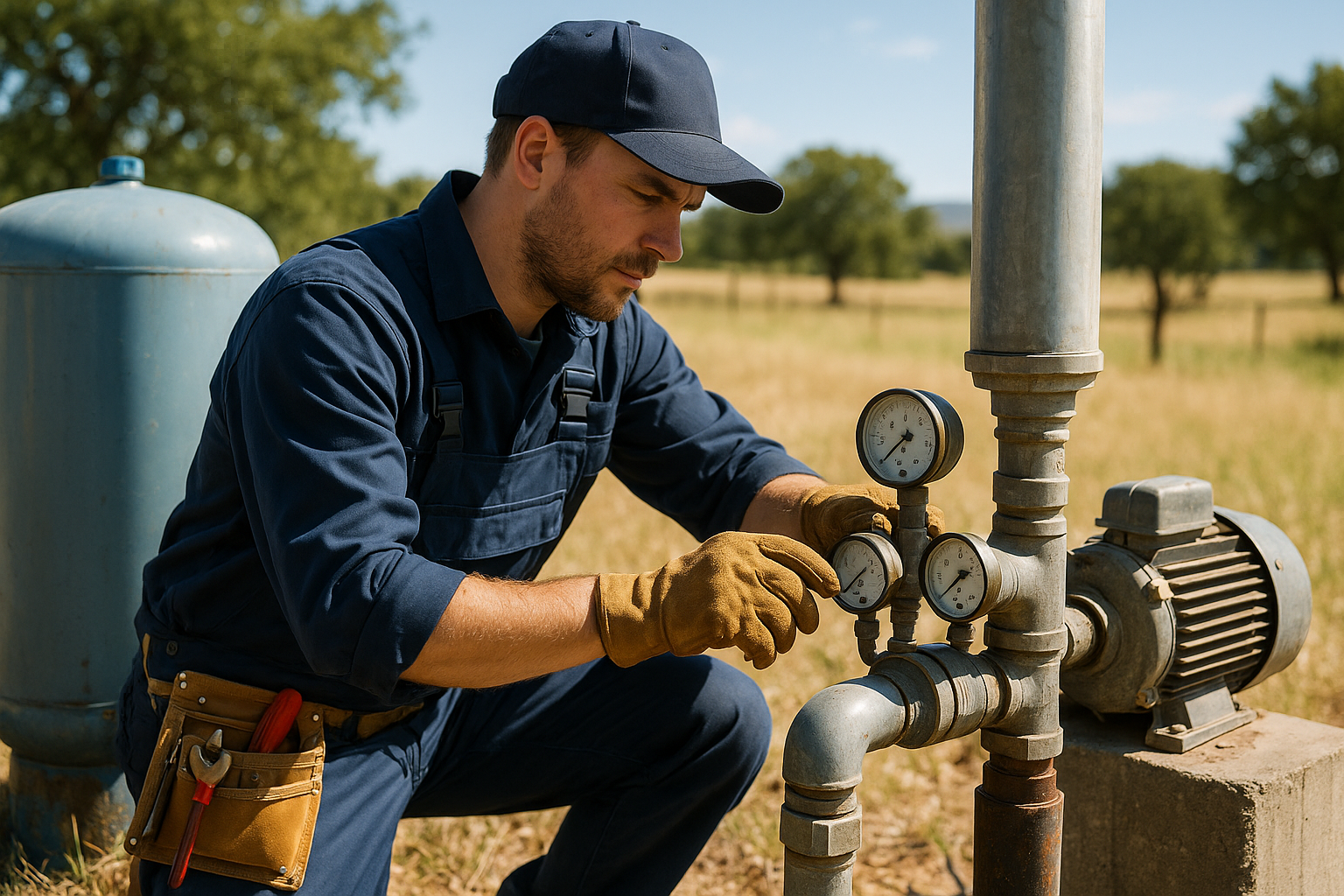
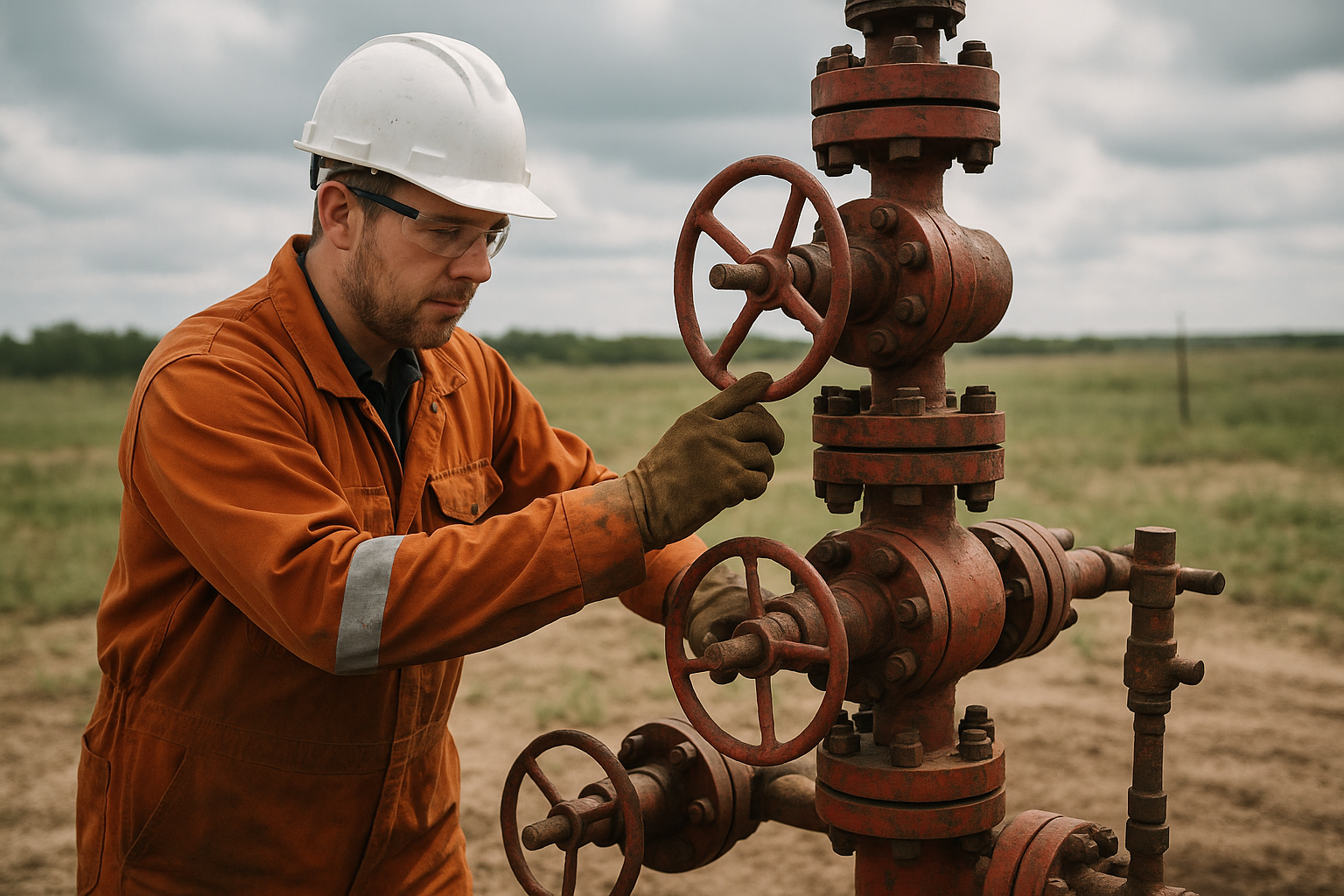
Booster Pump Solutions for Fontana Properties
Fontana sits in the Rialto-Colton Basin at the base of the San Bernardino Mountains at approximately 1,240 feet elevation. As one of the fastest-growing cities in San Bernardino County, Fontana's mix of urban development, agricultural properties, and foothill homes creates diverse well system needs. Whether you're managing a private residential well, agricultural operation, or commercial property, understanding Fontana's geology and water challenges is critical.
Fontana Geology and Well Characteristics
Fontana wells tap the Rialto-Colton Basin alluvial aquifer system — a productive groundwater basin fed by runoff from the San Bernardino and San Gabriel Mountains. This basin contains thick deposits of sand, gravel, and clay deposited over millennia by the Santa Ana River and its tributaries.
Typical Fontana well characteristics:
- Depth: 150-400 feet (alluvial aquifer, deeper in southern Fontana)
- Yield: Generally good — 10-40 GPM typical for residential wells, 50+ GPM for agricultural
- Water quality: Moderate to high TDS, hard water common (15-25 grains hardness), occasional iron/manganese
- Challenges: Regional drawdown from heavy urban pumping, seasonal water table fluctuations, sediment issues
- Recharge: Depends on Santa Ana River flows and mountain runoff (drought-sensitive basin)
The combination of urban development pressure, agricultural water demand, and competition with municipal water districts means Fontana wells need professional management to remain productive.
When Fontana Properties Need a Booster Pump
Booster pumps solve specific pressure problems that well pumps alone can't address:
Signs You Need a Booster Pump
- Low pressure despite adequate well yield — your well produces 15+ GPM but fixtures have weak pressure
- Two-story home pressure issues — upper floor bathrooms and fixtures get poor pressure
- Long pipe runs from well to house — friction loss reduces pressure over distance (100+ feet = noticeable loss)
- Multiple buildings or zones — detached ADU, workshop, barn, or pool house needs adequate pressure
- Irrigation system underperforms — large property with extensive landscaping or agricultural use
- Pressure drops during simultaneous use — shower weakens when dishwasher starts or toilet flushes
- Commercial property demands — restaurant, car wash, or business needs consistent high pressure
Diagnosis Process
Before installing a booster, we verify the root cause:
- Measure static pressure at pressure tank — is your well pump delivering 40+ PSI?
- Check pressure tank condition — waterlogged bladders cause pressure problems a booster won't fix
- Test flow rate and recovery — measure GPM and verify well can support increased demand
- Inspect distribution system — old galvanized pipes, undersized lines, or clogged filters reduce pressure
- Calculate friction loss — measure pipe run distance, diameter, and elevation changes to determine actual boost needed
- Evaluate water quality — hard water with iron/manganese can clog pipes and reduce pressure over time
Types of Booster Pumps for Fontana Properties
1. Variable-Speed Constant Pressure Systems
Best for: Modern homes, consistent pressure needs, commercial properties
Variable frequency drive (VFD) systems adjust pump speed in real time to maintain constant pressure regardless of demand. Open one faucet, the pump runs slow. Open five, it speeds up. Result: rock-solid 50-60 PSI at every fixture.
Advantages:
- Constant pressure regardless of water demand (40-60 PSI steady)
- Eliminates pressure swings and water hammer
- Reduced energy consumption (20-30% less than traditional on/off systems)
- Quieter operation with soft-start VFD motors
- Longer equipment life due to reduced cycling
- Ideal for homes with multiple bathrooms or commercial use
Disadvantages:
- Higher upfront cost ($1,200-$2,500 installed)
- More complex electronics (VFD sensitive to power quality)
- Requires professional calibration
Top brands: Grundfos Scala2 (most reliable), Franklin SubDrive, Goulds AquaBoost II
2. Standard Inline Booster Pumps
Best for: Targeted pressure boost, smaller homes, specific zones
Inline boosters install directly in the water line and activate when flow is detected. Good for boosting pressure to a specific area — upstairs bedrooms, detached ADU, or irrigation system.
Advantages:
- Lower cost ($500-$1,100 installed)
- Compact footprint (fits in tight spaces)
- Simple installation and maintenance
- Can target specific zones needing boost
- Good for retrofit applications
Disadvantages:
- Limited pressure boost (typically 15-30 PSI)
- Not suitable for whole-house applications in larger homes
- Pressure varies with demand
- Shorter lifespan if heavily cycled (5-8 years typical)
Recommended models: Grundfos CMB (best quality), Zoeller Home Pressure Booster, Burcam (budget option)
3. Multi-Stage Booster Systems (For Agricultural/Commercial)
Best for: Large properties, agricultural operations, high-volume commercial use
Multi-stage boosters deliver high pressure and high flow for demanding applications — large-scale irrigation, livestock operations, commercial car washes, restaurants, or manufacturing.
Advantages:
- High pressure output (60-100+ PSI available)
- High flow capacity (50-200+ GPM depending on model)
- Industrial-grade construction (designed for continuous operation)
- Can serve multiple zones simultaneously
Disadvantages:
- Higher cost ($2,500-$8,000+ depending on capacity)
- Requires significant electrical service (often 240V, 30-60A circuits)
- More complex installation and maintenance
- Overkill for typical residential applications
Commercial brands: Grundfos CR series, Goulds multi-stage, Berkeley pumps
Booster Pump Installation in Fontana
Step 1: Site Assessment and Design
- Measure existing pressure at wellhead, pressure tank, and fixtures
- Test well yield and recovery (critical to avoid over-pumping)
- Calculate total dynamic head (elevation + friction loss + delivery pressure required)
- Size pump for actual needs (oversizing wastes energy and causes cycling)
- Plan electrical service (verify panel capacity, plan circuit routing)
- Consider water quality (hard water may require pre-treatment to protect pump)
Step 2: Electrical and Plumbing Preparation
- Install dedicated circuit (120V or 240V depending on pump size)
- Use proper wire gauge for circuit length and amperage
- Install GFCI protection and accessible disconnect switch
- Run conduit for wiring protection
- Install shut-off valves with unions for service access
- Add pressure relief valve, check valve, and pressure gauge
Step 3: Pump Installation
- Mount pump on vibration-dampening base (concrete pad or rubber isolators)
- Connect inlet/outlet with flexible connectors to reduce vibration transfer
- Install pressure switch or transducer (for constant-pressure systems)
- Wire pump with proper overcurrent protection
- Install expansion tank if using constant-pressure system
Step 4: Calibration and Testing
- Prime pump thoroughly (remove all air from system)
- Set cut-in/cut-out pressures (or constant-pressure setpoint)
- Test under peak demand (multiple fixtures running simultaneously)
- Verify no backflow or cross-connection issues
- Check for leaks, unusual noise, or vibration
- Train property owner on operation and basic troubleshooting
Cost Breakdown for Fontana Installations
| System Type | Equipment Cost | Labor + Materials | Total Installed |
|---|---|---|---|
| Inline Booster Pump | $300-$600 | $300-$500 | $600-$1,100 |
| Constant-Pressure VFD System | $800-$1,500 | $400-$700 | $1,200-$2,200 |
| Multi-Stage Commercial System | $1,800-$5,000 | $700-$1,500 | $2,500-$6,500 |
Additional costs to consider:
- Electrical upgrades: Panel upgrade or new circuit installation $300-$800
- Water treatment: Softener or sediment filter to protect pump $800-$2,500
- Plumbing modifications: Replacing undersized or corroded pipes $400-$1,500
- Permits: San Bernardino County electrical/plumbing permits $150-$400
Maintenance for Fontana Booster Pumps
Annual Maintenance Checklist
- Check pressure settings: Verify system maintains target pressure (50-60 PSI typical)
- Inspect for leaks: Check inlet/outlet connections, pressure relief valve, pump seals
- Test check valve: Ensure no backflow when pump is off
- Clean inlet filter: Remove sediment and debris (especially important in Fontana's hard water)
- Listen for unusual noise: Grinding, squealing, or cavitation indicates problems
- Verify electrical connections: Tighten terminals, check for corrosion
- Test pressure switch/transducer: Confirm proper operation and calibration
Common Problems and Fixes
Pump runs but no pressure increase:
- Check for air lock (bleed air at highest fixture)
- Verify check valve isn't stuck open (allowing backflow)
- Inspect impeller for damage or mineral buildup
- Hard water deposits can clog impeller — descale or replace if necessary
Pump cycles on/off rapidly:
- Check for small leaks in system (even dripping faucet causes cycling)
- Verify pressure tank pre-charge is correct (2 PSI below cut-in pressure)
- Inspect expansion tank if using constant-pressure system
- Waterlogged pressure tank bladder needs replacement
Low pressure despite pump running:
- Measure voltage at pump (low voltage reduces motor speed and output)
- Check for clogged inlet filter or crimped supply line
- Verify pump is sized correctly for your head/flow requirements
- Hard water scale buildup may be restricting flow through pipes
Pump won't start:
- Check circuit breaker and reset if tripped
- Test pressure switch or transducer for proper operation
- Inspect for seized impeller (disconnect power, try rotating shaft manually)
- Check capacitor on single-phase motors (motor hums but won't spin = bad capacitor)
Alternatives to Booster Pumps
1. Replace Undersized Well Pump
If your well pump delivers less than 40 PSI to the pressure tank, upgrading to a higher-horsepower or higher-stage pump may solve the problem without adding a booster. A new 1.5 HP submersible pump with more impeller stages costs $1,400-$2,400 installed — comparable to a booster system but with one less component.
2. Install Larger Pressure Tank
Upgrading from a 20-gallon to an 80-gallon pressure tank won't increase maximum pressure, but reduces pump cycling and provides more reserve capacity during peak demand. Good if pressure is adequate most of the time but drops during simultaneous use. Cost: $400-$800 installed.
3. Replace Galvanized Pipes
Many older Fontana homes have galvanized steel pipes that corrode internally over decades, reducing effective diameter and causing massive pressure loss. Replacing galvanized with PEX or copper often restores pressure without any pump upgrades. Whole-house repipe: $3,500-$9,000 depending on home size.
4. Cycle Stop Valve (CSV)
A Cycle Stop Valve controls your existing well pump to deliver constant pressure without a separate booster. The CSV throttles flow to maintain steady pressure as demand changes. Works if your pump has adequate capacity but pressure swings are the problem. Cost: $400-$900 installed.
5. Water Softener (For Hard Water Issues)
Fontana's hard water (15-25 grains typical) causes mineral buildup in pipes, fixtures, and pump components. Installing a water softener protects your pressure system and can actually improve pressure by preventing scale accumulation. Cost: $1,200-$2,800 installed.
Why Choose SCWS for Fontana Booster Pump Service
- Rialto-Colton Basin expertise: We understand Fontana's alluvial aquifer geology and water quality challenges
- Licensed C-57 contractor: California well drilling contractor license (CSLB #1086994)
- Full-service company: Well drilling, pump repair, pressure systems, water treatment
- Agricultural experience: We handle large-scale irrigation and commercial systems
- Emergency service: 24/7 availability for no-water emergencies
- Honest pricing: Transparent quotes with no hidden fees
- Proven track record: 4.9★ Google rating from hundreds of satisfied customers
Frequently Asked Questions
How much does a booster pump cost to operate in Fontana?
A ½ HP booster pump running 2-3 hours/day costs approximately $5-$12/month at Fontana's typical electricity rates (~$0.32-$0.38/kWh from Southern California Edison). Variable-speed constant-pressure systems use 20-30% less energy than traditional on/off systems.
Can I install a booster pump myself?
Technically possible if you have plumbing and electrical skills, but we don't recommend it. Improper installation can damage your well pump, void equipment warranties, create backflow hazards, or violate local code. Professional installation ensures proper sizing, safe wiring, and optimal performance.
Will a booster pump increase my well's flow rate (GPM)?
No. A booster pump increases pressure (PSI), not flow rate (GPM). If your well produces 12 GPM, a booster delivers that same 12 GPM at higher pressure but can't make the well yield more water. If your well has adequate flow but low pressure, a booster is the right solution.
How long do booster pumps last in Fontana?
With proper maintenance, quality booster pumps last 10-15 years. Fontana's hard water can shorten lifespan if mineral buildup isn't addressed. Inline boosters handling heavy cycling typically last 6-9 years. Constant-pressure VFD systems tend to last longer due to reduced cycling and softer starts.
Do I need a permit to install a booster pump in Fontana?
San Bernardino County typically requires electrical permits for new circuits. Plumbing modifications may require permits depending on scope. We handle all permit applications as part of our installation service to ensure code compliance.
What happens to my booster pump during a power outage?
The booster stops when power is lost. If you have a backup generator, the booster will run when the generator powers your electrical panel. Make sure your generator is sized to handle the booster's starting current — typically 2-3× the running amperage. A ½ HP booster needs approximately 1,200 watts starting, 600 watts running.
Can I use a booster pump with Fontana's hard water?
Yes, but we strongly recommend installing a water softener first or simultaneously. Fontana's hard water (15-25 grains hardness) causes rapid mineral buildup in pump components, reducing efficiency and lifespan. A softener protects your investment and improves overall water quality.
Will a booster pump work with my irrigation system?
Yes. Irrigation systems typically need 40-60 PSI for proper sprinkler operation. A booster pump can provide adequate pressure for large properties or zones far from the wellhead. We can design systems specifically for agricultural or landscape irrigation needs.
What size booster pump do I need for my Fontana property?
Sizing depends on peak flow demand (GPM when all fixtures/zones are running), required pressure increase, pipe run distance, and friction loss. A typical 3-4 bedroom home needs 10-15 GPM at 50-60 PSI. We calculate exact requirements during our site assessment — oversized pumps waste energy; undersized pumps can't maintain pressure.
Can a booster pump help with low water pressure from the city?
If you're on municipal water (not a well), check with Fontana Water Company before installing a booster. Most water districts allow boosters but require backflow prevention devices and may have restrictions to prevent affecting neighboring properties. Different regulations apply to municipal vs. well water systems.
Service Area
We provide booster pump installation, repair, and maintenance throughout Fontana and surrounding San Bernardino County communities, including Rancho Cucamonga, Rialto, Colton, Bloomington, Jurupa Valley, and the entire Inland Empire. With offices in Ramona (San Diego County) and Anza (Riverside County), we're positioned to serve valley and foothill properties across Southern California.