
Booster Pump Installation in San Elijo Hills
Southern California Well Service provides professional booster pump installation to San Elijo Hills and throughout San Diego County. With 30+ years experience and a 4.9★ Google rating, we're the trusted choice for well owners.
📋 In This Guide
Need Booster Pump Installation in San Elijo Hills?
We serve San Elijo Hills and all of San Diego County. Licensed C-57 contractor with 24/7 emergency service.
Call: (760) 440-8520Our Booster Pump Installation Services
- Fast response times to San Elijo Hills
- Licensed, bonded, and insured (C-57 #1013597)
- Upfront pricing with no hidden fees
- Quality parts and professional workmanship
- 24/7 emergency service available
- Residential and agricultural wells
Why San Elijo Hills Chooses SCWS
✓ Local Expertise
We know San Diego County geology and wells
✓ Fast Response
Same-day service for San Elijo Hills
✓ Fair Pricing
Honest quotes, no surprises
✓ Quality Work
4.9★ rating, hundreds of reviews
Our Locations
Related Articles
Continue learning about well maintenance and troubleshooting

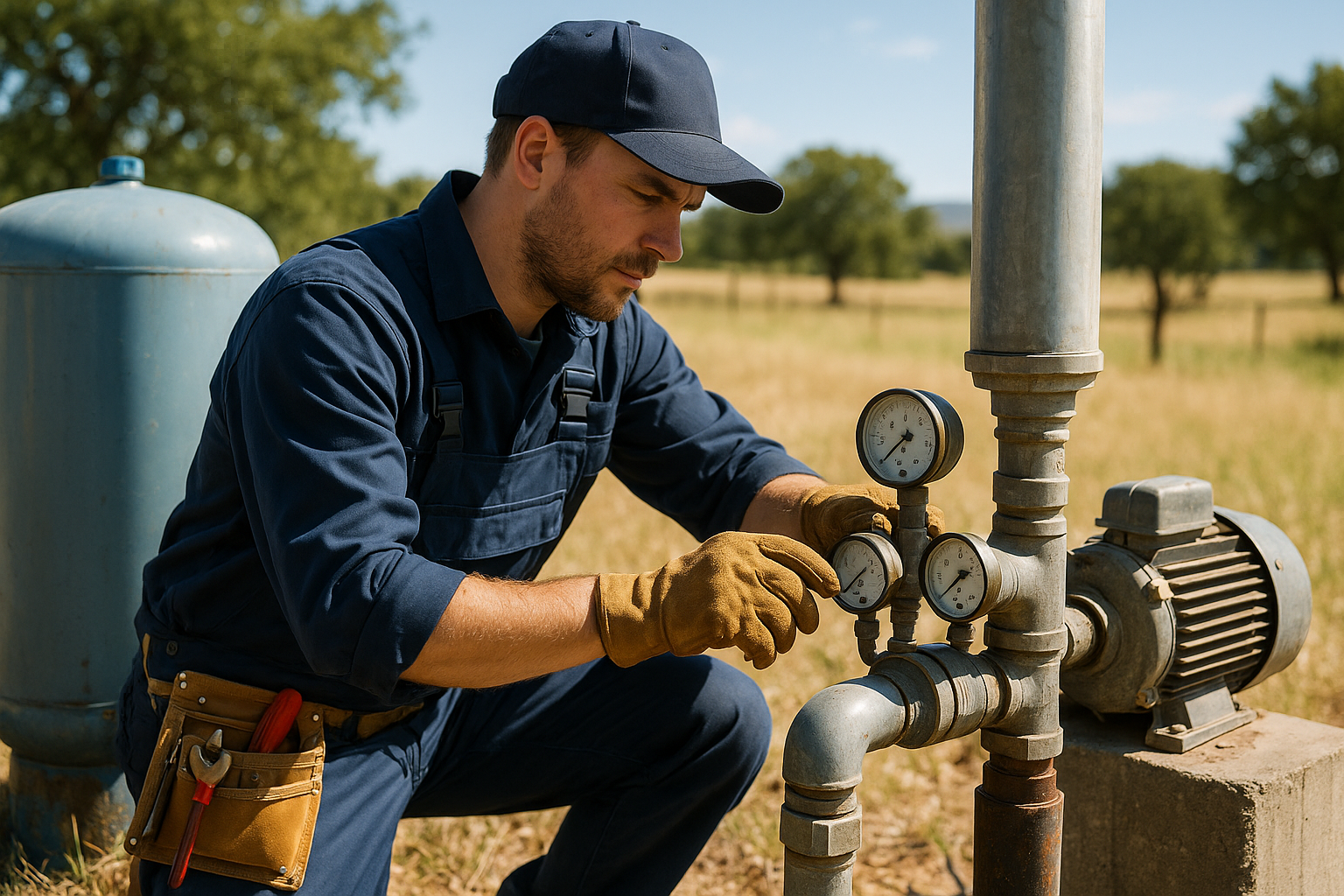

Booster Pumps in San Elijo Hills: Strong Water Pressure on the Ridge
San Elijo Hills is a master-planned hilltop community in San Marcos, North San Diego County, built along a ridgeline that climbs to roughly 1,600 to 1,700 feet, one of the highest points in the area, with ocean views across much of the region. That dramatic elevation is the whole appeal of San Elijo Hills, but it is also the most common reason homeowners here battle weak water pressure. Homes on municipal water still sit far above and far from their supply mains, and the higher and farther your home is up the ridge, the more pressure it loses before water ever reaches your tap. If your showers feel weak, your upstairs fixtures barely run, or pressure sags during peak hours, a properly sized booster pump is usually the cleanest fix. Southern California Well Service has served North County hillside communities for more than 30 years, and we know how to engineer firm, steady pressure on these ridgetop lots.
Why Water Pressure Runs Low in San Elijo Hills
On the ridge, the physics of elevation dominate:
- High elevation above the supply main — every foot of vertical rise costs about 0.43 psi, so homes near the top of the ridge can lose 30, 40, or more psi compared with the street pressure at the base of the hill.
- Multi-story floor plans — many San Elijo Hills homes are two and three stories, and top-floor bathrooms sit even higher above the source, compounding the loss.
- Peak-hour demand — when the whole neighborhood waters landscaping and showers in the morning and evening, system pressure dips just when you want it most.
- Long laterals on larger lots — the run from the meter up to and through a hillside home adds friction loss that further saps pressure.
The result is the familiar complaint of ridgetop living, water that is acceptable when the house is quiet but disappointing the moment a second fixture opens or the neighborhood load rises.
How a Booster Pump Works
A booster pump is an electric pump installed on your home's water line, downstream of the meter, that adds pressure on demand. When you open a tap, it senses the drop and runs to maintain a firm, steady level, typically 50 to 60 psi at the fixture. The best residential systems use a variable-frequency drive, often called a constant-pressure system, that ramps the motor smoothly so pressure stays even whether one fixture or several are running. For a multi-story home near the top of San Elijo Hills, that steady, elevated setpoint is exactly what overcomes the ridge's pressure loss. Many boosters pair with a small pressure tank to prevent rapid cycling and protect the motor.
One note for municipal customers: a booster increases pressure from the water you already receive. We confirm your incoming flow and pressure, and we install the system to code with the proper backflow protection so your home and the public supply are both safeguarded.
Signs You Need a Booster Pump
- Top-floor showers and faucets trickle while ground-floor taps are stronger.
- Pressure noticeably drops during morning and evening peak hours.
- Showers weaken the instant the dishwasher, washer, or irrigation runs.
- Your pressure gauge reads below 40 psi at the fixtures.
- Upper-level landscaping and drip lines barely emit water.
Booster Pump vs. Other Pressure Solutions
For a municipal hillside home, the right answer is usually a booster, but matching the fix to the cause still matters:
- Booster pump — best when incoming pressure is adequate at the street but your elevated, multi-story home loses it to height and distance.
- Constant-pressure (VFD) system — ideal when you want even pressure across changing demand and the smoothest performance for a tall floor plan.
- Pressure tank or expansion tank — addresses cycling and pressure swings and is often paired with a booster on a municipal system.
- Pressure regulator check — sometimes a failing or mis-set regulator is the real culprit, which we verify before recommending a pump.
Sizing a Booster Pump for a Ridgetop Home
Sizing balances flow against the pressure you need to add. A typical San Elijo Hills home wants 8 to 12 GPM for simultaneous fixtures, and a three-story plan needs enough boost to carry firm pressure to the top floor. We measure your incoming street pressure and flow, calculate the vertical rise to your highest fixture, add friction losses for your lateral, and select a pump and tank that deliver firm pressure without short-cycling. Oversizing wastes energy and shortens motor life; undersizing leaves the top floor weak. Measuring your actual home is what gets it right.
What to Check Before You Call
- Note pressure at a ground-floor hose bib and at a top-floor fixture, the difference tells the elevation story.
- Observe whether pressure dips at certain times of day.
- Check whether weak pressure is whole-house or only on upper floors.
- Look for a pressure regulator at your service entry and note any gauge reading.
- Know your home's number of stories and approximate position on the ridge.
When to Call a Professional
A residential booster involves electrical wiring, pressure-rated plumbing, backflow protection, and correct tank charging, and on municipal supply it must be installed to code. A C-57 licensed contractor confirms your incoming supply can support a booster, sizes the system to your multi-story home, protects the motor with proper controls, and pressure-tests the result. On San Elijo Hills' tall, ridgetop homes, getting the boost and the controls right is what delivers firm pressure to every floor without water-hammer or cycling.
Maintaining Your Booster System
A booster asks little of you, but a few habits keep it running for years. We recommend an annual check of the pressure-tank air charge, attention to any rapid cycling that signals a failing bladder, and a listen for unusual motor noise. We also suggest periodically confirming your incoming pressure and the condition of any regulator, since municipal pressure can change over time. Catching a low tank charge or an early control fault before it cascades into a no-pressure morning is far cheaper than an emergency call. When we install a system we walk you through these checks and stay available if your pressure changes.
Cost of Booster Pump and Pressure Solutions
- Constant-pressure or booster system: $2,000 to $4,500 installed.
- Pressure tank replacement: $600 to $1,500.
- New pump (where applicable): $2,500 to $5,500.
- Diagnostic visit: $125, credited toward any work.
We provide written, upfront quotes after we evaluate your home.
Serving San Elijo Hills and North County
Southern California Well Service serves San Elijo Hills and the surrounding North San Diego County communities including San Marcos, Carlsbad, Cardiff-by-the-Sea, Encinitas, and Escondido. From our Ramona and Anza offices we handle scheduled installations and same-day emergencies. We understand ridgetop elevation, multi-story floor plans, and the realities of boosting municipal pressure to the top of the hill, so every floor of your home enjoys firm, steady water.
Frequently Asked Questions
Why is my water pressure low in San Elijo Hills?
Most often it is elevation. Homes high on the ridge sit well above the supply main, and water loses roughly 0.43 psi for every foot of rise. Multi-story floor plans and peak-hour demand make it worse. A properly sized booster restores firm pressure.
How much does a booster pump cost in San Elijo Hills?
A booster or constant-pressure system typically runs $2,000 to $4,500 installed. A pressure tank runs $600 to $1,500. Our diagnostic visit is $125, credited toward the work. We quote in writing after evaluating your home.
Will a booster pump help my three-story home?
Yes. Top floors lose the most pressure to elevation. A constant-pressure system sized for your home holds a firm setpoint to the highest fixture, even while lower-floor fixtures run.
Can I add a booster on city water?
Yes. A booster increases the pressure of the municipal water you already receive. We install it to code with proper backflow protection so your home and the public supply are both safeguarded.
Is my low pressure maybe a bad pressure regulator?
Sometimes. A failing or mis-set regulator can mimic low pressure. We check the regulator and your incoming street pressure first, so you do not pay for a pump when a simpler fix will do.
How fast can you respond in San Elijo Hills?
From our Ramona and Anza offices we serve North County regularly, with scheduled installations and 24/7 emergency response.
Get Firm Water Pressure in San Elijo Hills
Call Southern California Well Service for a booster pump assessment. Diagnostic is $125, credited toward your repair. Call (760) 440-8520 or text (619) 259-0410.
(760) 440-8520