
Brown Water from Your Crest Well?
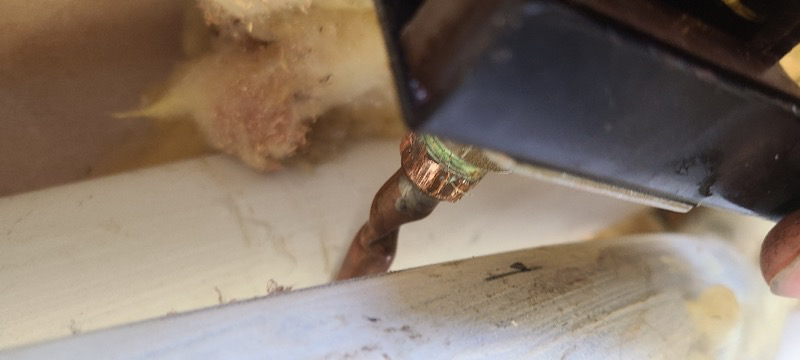
Is your Crest well producing brown, muddy, or discolored water? This issue can range from a temporary disturbance to a sign of serious well problems. Let's identify the cause and fix it.
📋 In This Guide
- Common Causes of Brown Well Water
- When Brown Water is an Emergency
- Solutions for Brown Well Water in Crest
- Professional Diagnosis
- Related Articles
Common Causes of Brown Well Water
- Sediment Disturbance: Recent pump work, earthquakes, or construction
- Iron/Manganese: Dissolved minerals oxidizing when exposed to air
- Tannins: Organic matter from decaying vegetation
- Surface Water Intrusion: Contamination from runoff entering well
- Failing Well Screen: Sand and sediment entering well
- Clay/Silt: Fine particles from the aquifer
When Brown Water is an Emergency
Contact us immediately if brown water is accompanied by:
- Sudden change after no recent work on well
- Foul odor (possible contamination)
- Recent flooding or heavy rains
- Sand or grit in the water
- Neighbors reporting similar issues
Solutions for Brown Well Water in Crest
- Water Testing: Identify what's causing the discoloration
- Well Cleaning: Remove accumulated sediment
- Sediment Filter: Whole-house filtration system
- Screen Repair: Fix damaged well screen letting in sediment
- Grout Seal: Prevent surface water intrusion
Professional Diagnosis
Brown water can have multiple causes, and the solution depends on accurate diagnosis. Our technicians use video inspection, water testing, and systematic evaluation to identify exactly what's causing your water quality issues.
Need Help With Your Well in Crest?
Our expert technicians serve Crest and all of San Diego County with professional well services.
Related Articles
Continue learning about well maintenance and troubleshooting
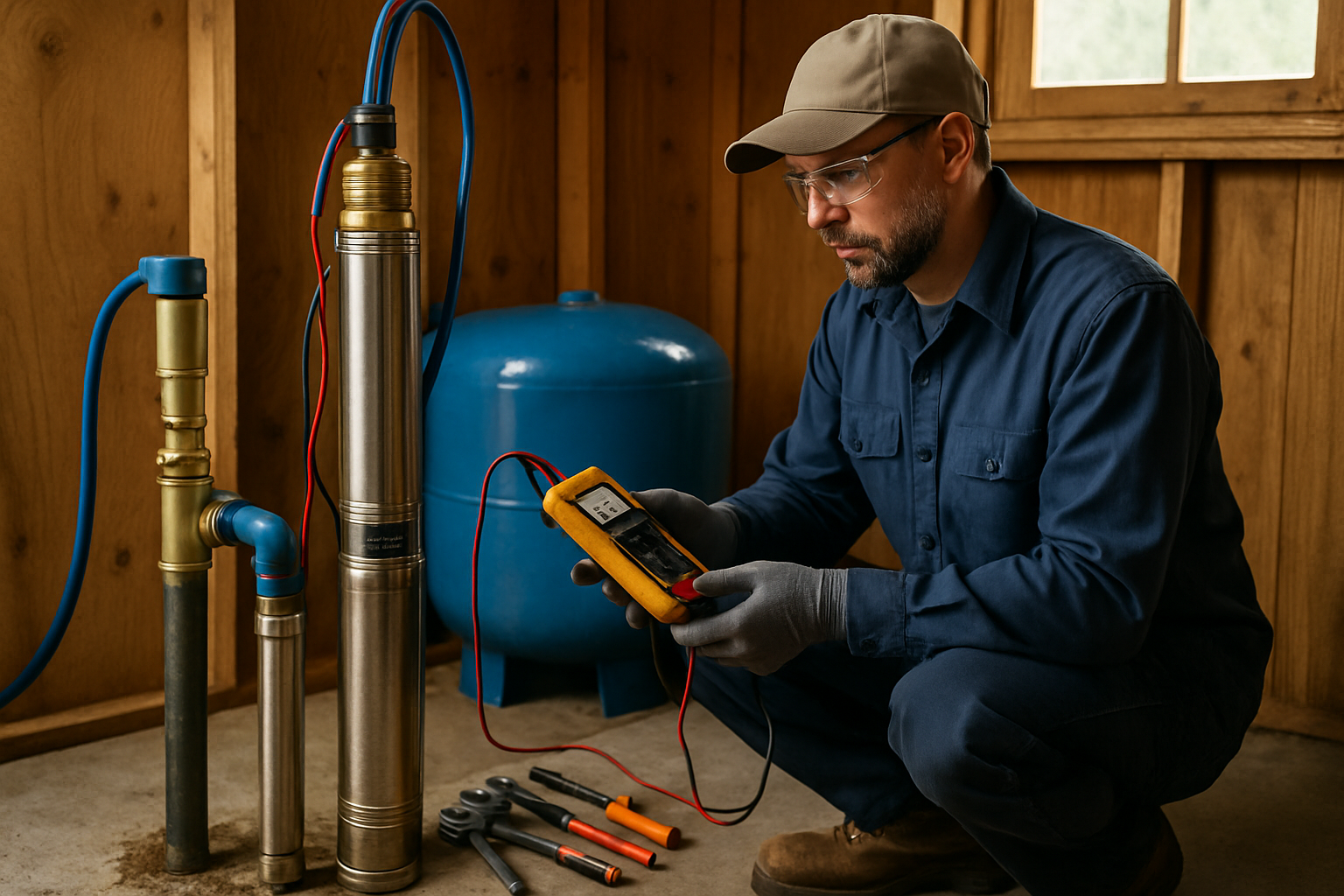
Signs Your Well Pump Is Failing
Catch pump problems early before you lose water completely.

Low Water Pressure From Well
Diagnose and fix pressure problems before they get worse.
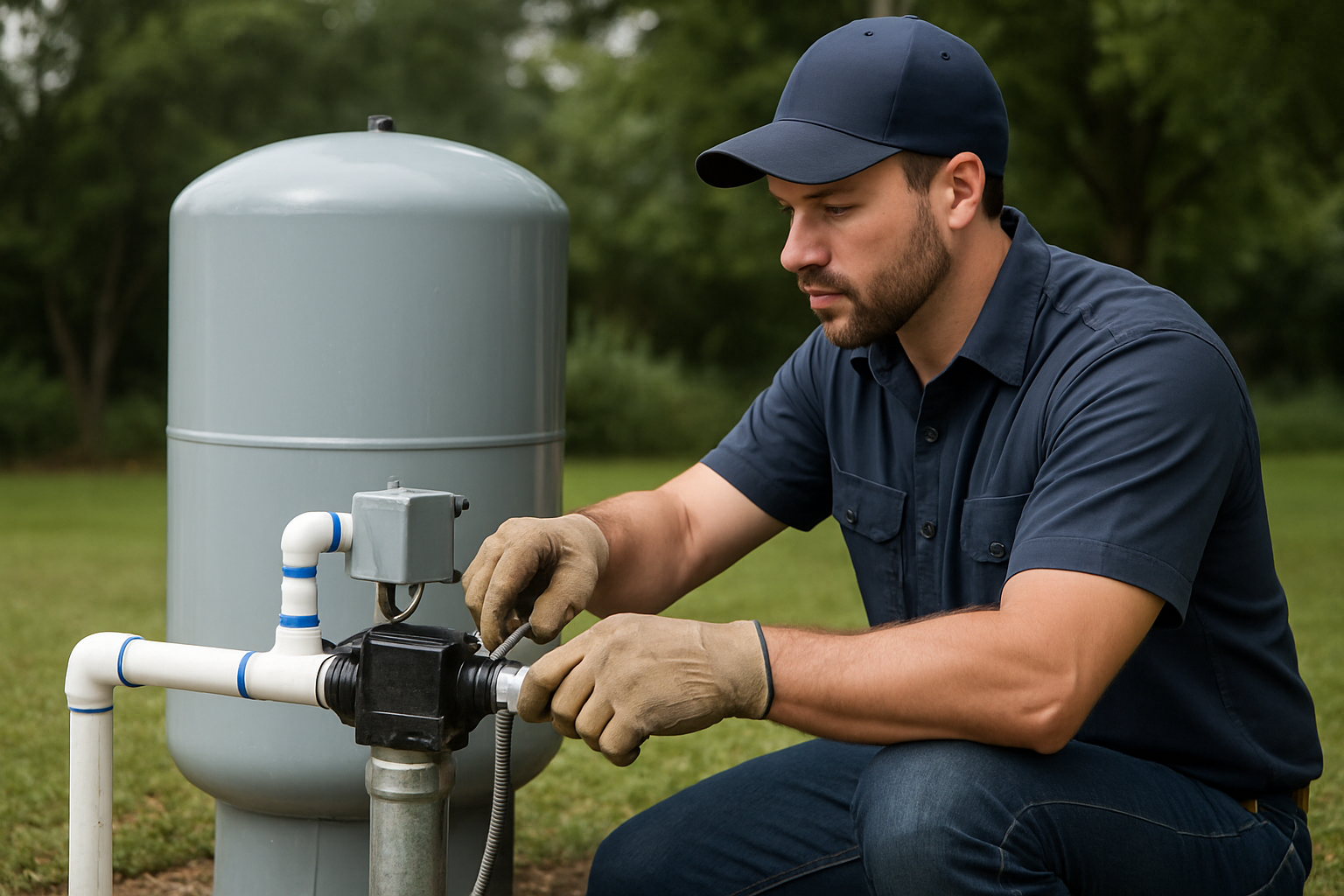
Well Maintenance Guide
Keep your well running smoothly with regular maintenance.
Our Locations
1077 Main St, Ramona, CA 92065
57174 CA-371 (US Hwy 79), Anza, CA 92539
Brown Well Water in Crest: A Back-Country Reality Check
Crest sits on the eastern edge of El Cajon, a rural mountain community of steep slopes, granite outcrops, and deep canyons that climbs toward Alpine. Many homes up here are off the El Cajon municipal grid and depend on private wells drilled into decomposed granite and fractured crystalline rock. That geology is exactly why so many Crest households eventually open a tap to find brown, rust-tinted, or cloudy water. The good news: discolored water is almost always diagnosable and fixable once you understand what your well is actually doing.
This guide walks you through why Crest wells turn brown, how to narrow down the cause yourself, and what professional fixes cost when you need them.
Why Crest Wells Produce Brown Water
Brown water is a symptom, not a single problem. In the Crest, Dehesa, and Granite Hills area, these are the causes we see most often:
- Iron and manganese oxidation. Decomposed granite aquifers commonly carry dissolved iron and manganese. The water can look clear at the wellhead, then turn yellow, orange, or brown as it hits air and oxidizes. Iron leaves rusty stains; manganese tends toward brown-black specks.
- Sediment, silt, and granitic sand. Weathered granite breaks down into fine sand and clay. When these particles migrate into the borehole, water looks muddy or gritty, especially right after the pump kicks on.
- Rusting steel casing or galvanized pipe. Older Crest wells with steel casing or galvanized household plumbing shed rust over the decades. If your brown water is worst at the first draw of the morning, corroding pipe is a prime suspect.
- A stirred-up well after pump work or heavy cycling. A recent pump replacement, a new pressure tank, or a pump short-cycling during a dry summer can agitate settled sediment off the bottom of the casing and push it up to the house.
- A failing well screen. When the screen or perforations that keep formation material out of the well degrade, sand and silt pour in. Crest's coarse granitic material is hard on screens.
- Surface-water intrusion. On steep Crest lots, runoff after a winter storm can find its way down a poorly sealed annulus or a cracked well cap, dragging soil and organic tannins into the water.
What the Color Is Telling You
Color is a useful clue. Orange or red-brown usually points to iron. Dark brown to black suggests manganese or decaying organic matter. Tea-colored, clear but tinted water is often tannins from vegetation. Muddy, opaque water means suspended sediment or clay. Grit you can feel between your fingers points to a screen or casing failure.
Diagnose It Yourself First
Before you call anyone, spend ten minutes narrowing the cause. These simple checks save time and money:
- The clear-glass test. Fill a clear glass and let it sit 30 minutes. If sediment settles to the bottom, you have suspended particles. If the color stays uniform, you are likely looking at dissolved iron or tannins.
- Hot vs. cold. If only the hot water is brown, the problem is usually your water heater, not the well. Flush or inspect the heater first.
- First-draw vs. after running. Run a cold tap for two to three minutes. If it clears, the discoloration is sitting in your pipes or pressure tank. If it stays brown, the source is the well.
- One fixture or the whole house. A single brown faucet is a fixture or branch-line issue. Brown at every tap means a whole-system or well-side cause.
- Check the toilet tank. Lift the lid. A layer of rust or brown silt in the tank is a quiet record of what your well has been delivering for weeks.
Treatment Options for Crest Properties
The right fix depends entirely on the cause, which is why testing matters before you buy equipment.
- Sediment filtration. For sand, silt, and granitic fines, a whole-house sediment filter or spin-down separator is the first line of defense. Typical installed cost runs $300 to $900.
- Oxidation plus backwashing iron/manganese filter. The standard solution for dissolved iron and manganese. The system oxidizes the minerals and a backwashing media bed captures them. Expect $1,500 to $3,500 installed.
- Water softener. Crest's mineral-rich granite water is frequently hard, and hardness often rides along with iron. A softener runs $1,500 to $3,500 and protects pumps, heaters, and fixtures.
- Well rehabilitation or screen repair. If a degraded screen is letting sediment in, rehab or screen work addresses the root cause rather than filtering symptoms forever.
- Casing replacement. Badly corroded steel casing may need relining or replacement.
- Shock chlorination. For iron bacteria, biofilm, or after surface intrusion, disinfecting the well clears organic discoloration and odor.
When to Call a Professional
Call us right away if brown water appears suddenly with no recent work, comes with a foul or sulfur odor, follows heavy rain or flooding, contains visible sand or grit, or shows up at the same time as low pressure. Any of those can signal a screen failure, casing breach, or contamination that needs a licensed contractor, not a filter from the hardware store. Our diagnostic visit is $125, credited to any service we perform.
Serving Crest and the East County Back Country
Southern California Well Service is a licensed C-57 water well contractor with founded in 2020 of work across San Diego County's back country. We run offices in Ramona (1077 Main St, Ramona, CA 92065) and Anza (57174 CA-371 (US Hwy 79), Anza, CA 92539), which keeps us close to Crest, Dehesa, Granite Hills, Harbison Canyon, and Alpine. We hold a CSLB #1086994 rating and offer same-day emergency service when you have no water. Call (760) 440-8520 or text (760) 219-5877.
How Crest's Geology Shapes Your Water
Understanding the ground beneath Crest explains most water-quality surprises. The community sits on a batholith of weathered granite. As that rock breaks down over millennia, it produces the loose, tan decomposed granite you see across local yards and driveways, and it releases iron and trace manganese into groundwater. Water moving slowly through fractures picks up these minerals, so two wells a few hundred feet apart can yield noticeably different color and hardness.
Steep terrain adds a second factor. On hillside lots, the annular space around a casing must be sealed well, or seasonal runoff can short-circuit straight into the borehole. After Crest's heavier winter storms, we field a wave of calls about water that suddenly turns muddy or tea-colored. That pattern almost always points to a seal, cap, or grout problem rather than the aquifer itself, and it is very fixable.
Preventing Brown Water Before It Starts
A few habits keep Crest wells running clear. Inspect your well cap each spring to confirm it is intact and vermin-proof. Avoid letting the pump short-cycle, which churns sediment; a properly sized pressure tank helps. Service any sediment or iron filter on schedule so spent media does not start releasing what it captured. And test your water every year or two so you catch a rising iron or manganese trend before it stains your fixtures. Routine attention is far cheaper than emergency response.
Frequently Asked Questions
Is brown well water in Crest safe to drink?
Iron and manganese discoloration is usually an aesthetic problem, not a health emergency, but it can mask other issues. Brown water with odor, after flooding, or with grit should be tested before you drink it. We recommend a water test to be certain.
Why did my Crest well suddenly turn brown after a pump replacement?
New pump installs and pressure changes stir up sediment that has settled in the casing. It often clears after running the system, but if it persists more than a day or two, the disturbance may have exposed a screen or casing problem.
Will a softener fix brown water?
A softener handles hardness and modest iron, but heavy iron or manganese needs a dedicated oxidizing iron filter. Many Crest homes run both because the granite water is hard and iron-bearing.
How deep are private wells in the Crest area?
Depths vary widely with the fractured-rock geology, from roughly a couple hundred feet to several hundred. Yield and water quality can differ dramatically between neighboring lots, which is why local experience matters.
How much does it cost to fix brown well water?
A sediment filter runs $300 to $900, an iron/manganese system $1,500 to $3,500, and a softener $1,500 to $3,500. Pump-related repairs range $2,500 to $5,500. We diagnose first for $125, credited to the work.
Get Your Crest Water Clear Again
You do not have to live with rusty stains and cloudy glasses. Let an experienced local team test your water, pinpoint the cause, and recommend only what your Crest well actually needs. Call (760) 440-8520 or text (760) 219-5877 for same-day help and a free estimate.