Cathodic Protection Wells: Corrosion Prevention for Infrastructure
Technical guide to cathodic protection wells and anode systems. Learn about deep anode beds, design considerations, and corrosion protection for pipelines.
Need professional help? Our licensed well technicians are here for you.
Call (760) 440-8520Cathodic Protection Fundamentals
Cathodic protection (CP) prevents corrosion by making the protected structure the cathode of an electrochemical cell. Two primary methods exist: galvanic (sacrificial anode) systems use reactive metals like magnesium or zinc that corrode preferentially, while impressed current cathodic protection (ICCP) systems use an external power source to drive protective current through inert or semi-inert anodes.
Deep anode groundbeds offer significant advantages over surface installations for ICCP systems. By placing anodes in low-resistivity zones—typically saturated soils or groundwater—current distribution improves and voltage requirements decrease. Deep installations minimize interference with adjacent structures, reduce right-of-way requirements, and allow protection of structures in congested urban environments where surface anodes are impractical.
Soil resistivity is the critical design parameter for CP systems. Current flows preferentially through low-resistivity paths, and deep anode wells target these zones for efficient operation. Resistivity surveys using Wenner four-pin or Schlumberger arrays characterize subsurface conditions to optimal anode placement depths. California's diverse geology—from coastal clays to desert sands—requires site-specific investigation for each installation.
Deep Anode Well Design
Deep anode well boreholes typically range from 8-12 inches in diameter, accommodating anode strings, backfill, and centralizers. Well depths of 100-500 feet are common, with design depths selected to reach target resistivity zones while maintaining structural integrity. Casing may be required through unstable formations, with perforated sections opposite the anode zone allowing current discharge.
Anode material selection balances cost, consumption rate, and current capacity. High-silicon chromium iron (HSCI) anodes provide excellent longevity at moderate cost, suitable for most applications. Mixed metal oxide (MMO) anodes on titanium substrates offer the lowest consumption rates and highest current densities, ideal for limited-access installations. Graphite anodes cost less but consume faster, best for lower-current applications or sacrificial designs.
Carbonaceous backfill (petroleum coke or calcined cite) surrounds anodes to reduce resistance and extend effective anode surface area. Backfill is pumped as slurry to fill the annular space uniformly, achieving resistivities of 5-50 ohm-cm depending on material quality and compaction. Cable specifications must handle operating current with adequate safety margin—typically #2 to 4/0 AWG copper with HMWPE insulation rated for direct burial and chemical exposure.
Installation Procedures
Deep anode well drilling uses conventional rotary or cable tool methods depending on formation conditions. Air rotary drilling minimizes fluid introduction that could affect backfill conductivity. Careful logging during drilling identifies target zones and confirms design assumptions. Borehole diameter must accommodate the anode string with adequate annular space for backfill placement.
Anode placement uses centralizers every 10-20 feet to ensure uniform backfill distribution and prevent cable damage. Multiple anodes may be wired in parallel or series depending on rectifier output and design requirements. Lead wire terminations must be watertight and mechanically robust—failures at connections are the most common cause of premature anode string failure.
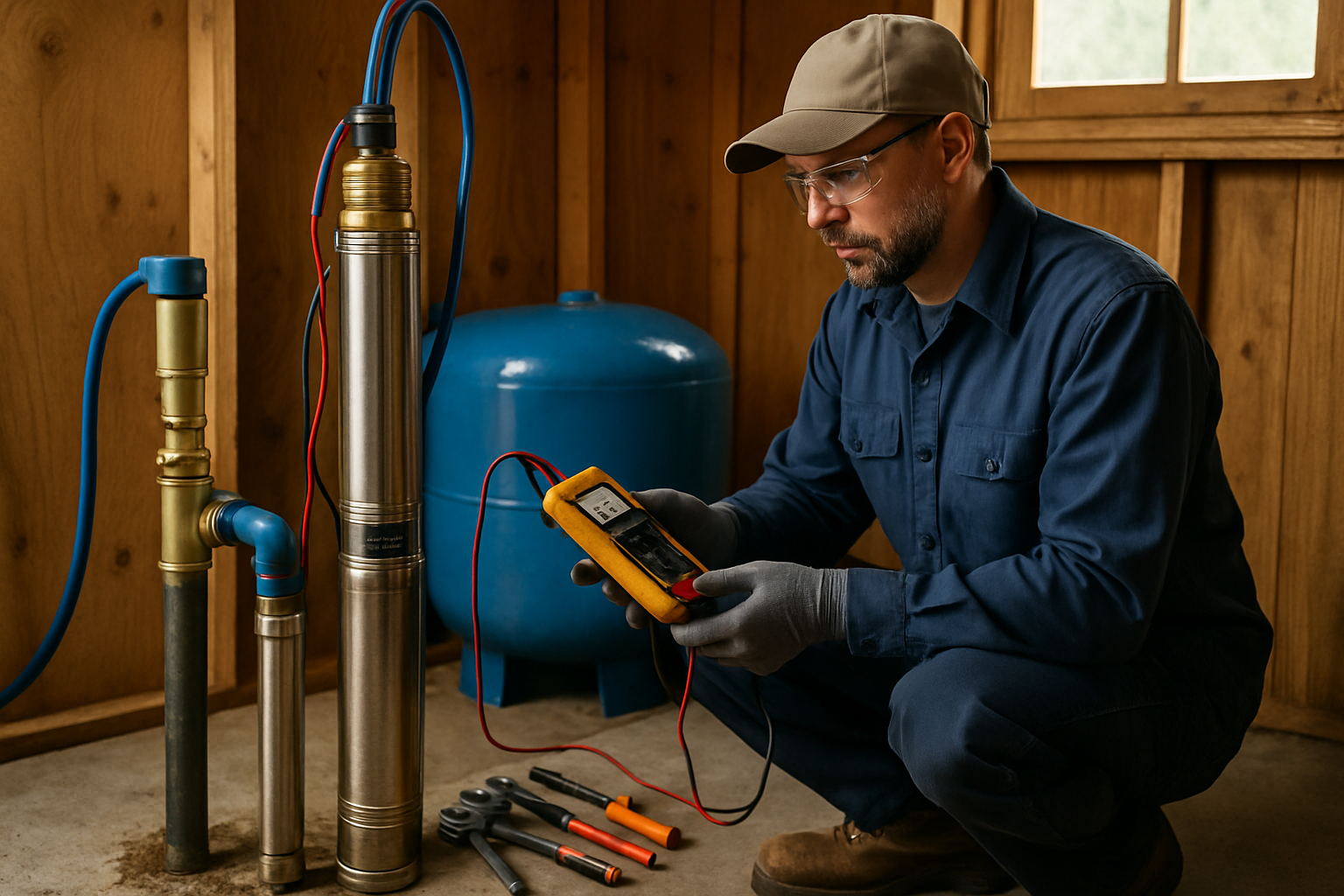
Electrical connections include a header cable to the rectifier and test lead provisions for monitoring. Junction boxes at the wellhead provide accessible connections for testing and troubleshooting. Rectifiers convert AC power to adjustable DC output, with modern units offering remote monitoring, automatic potential control, and data logging. Proper grounding and surge protection prevent damage from lightning and power fluctuations.
Monitoring and Maintenance
Rectifier monitoring tracks output voltage, current, and operating hours. Monthly readings identify trends indicating anode consumption, cable degradation, or changing soil conditions. Automatic potential control rectifiers adjust output to maintain target protection levels, compensating for seasonal resistivity variations and other factors affecting current demand.
Pipe-to-soil potential surveys verify protection levels along the entire protected structure. Using a copper-copper sulfate reference electrode, measurements at test stations confirm potentials meet NACE criteria (typically -850 mV or more negative, or -100 mV polarization). Areas showing inadequate protection may require additional CP installations, coating repair, or system adjustment.
Troubleshooting common issues includes checking rectifier operation, testing cable continuity, and measuring individual anode output when accessible. Increasing voltage requirements over time indicate anode consumption or backfill degradation. Interference surveys identify stray current effects from adjacent CP systems, DC transit systems, or other sources that may affect protection levels or accelerate corrosion on other structures.
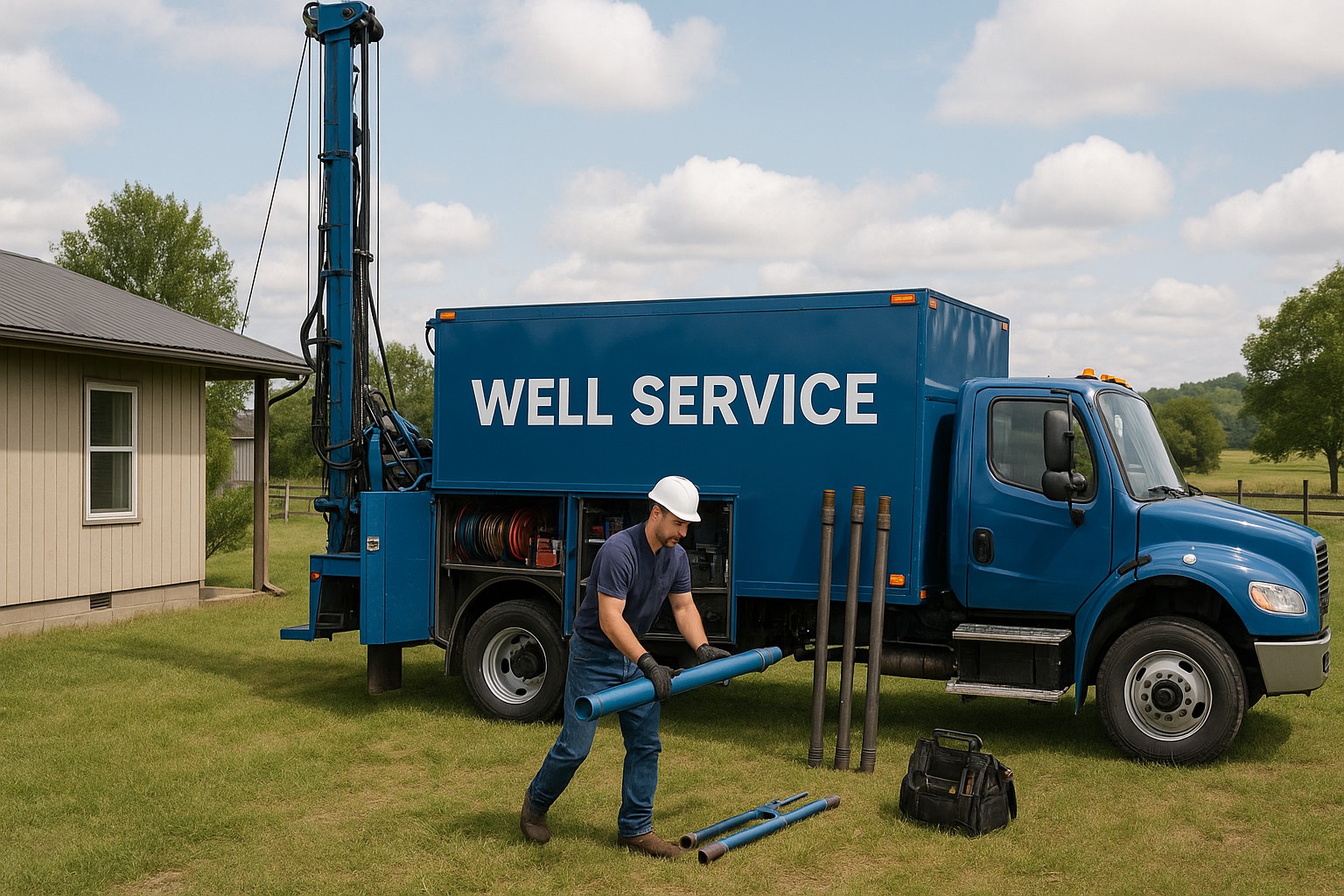
We service all major pump brands including Franklin Electric, Grundfos, Goulds (Xylem), and Sta-Rite (Pentair). Our trucks carry common parts and components for same-day repairs.
Frequently Asked Questions
How deep should a cathodic protection anode well be?
Deep anode groundbed wells typically range from 100 to 500 feet deep, with depths selected to reach low-resistivity soil or groundwater zones. Deeper installations in saturated soils provide better current distribution and longer anode life. The design depth depends on local geology, required current output, and surface restrictions. Urban installations often use deeper wells to minimize surface footprint and reduce interference with other structures.
What is the typical lifespan of a deep anode bed?
Properly designed deep anode beds last 20-50 years depending on anode material and current output. High-silicon chromium iron anodes consume at approximately 0.5-1.0 lb per amp-year. Mixed metal oxide (MMO) anodes have extremely low consumption rates, often lasting 50+ years at typical current densities. Graphite anodes consume faster (2-4 lb per amp-year) but cost less initially. Life expectancy calculations guide material selection based on project economics.
How do you test cathodic protection effectiveness?
Cathodic protection effectiveness is verified through pipe-to-soil potential measurements using a copper-copper sulfate reference electrode. NACE standards require potentials more negative than -850 mV (with CP applied) or -100 mV polarization shift. Surveys at test stations along the pipeline identify protection levels and locate areas needing adjustment. Annual surveys are standard, with continuous monitoring systems becoming common for critical infrastructure.
Get Expert Well Service
Southern California Well Service has served San Diego, Riverside, and San Bernardino counties for decades. Licensed C-57 contractor.
Call (760) 440-8520Available 24/7 for emergencies
Related Articles
Continue learning about well maintenance and troubleshooting