Well Pump Check Valve Maintenance | SCWS
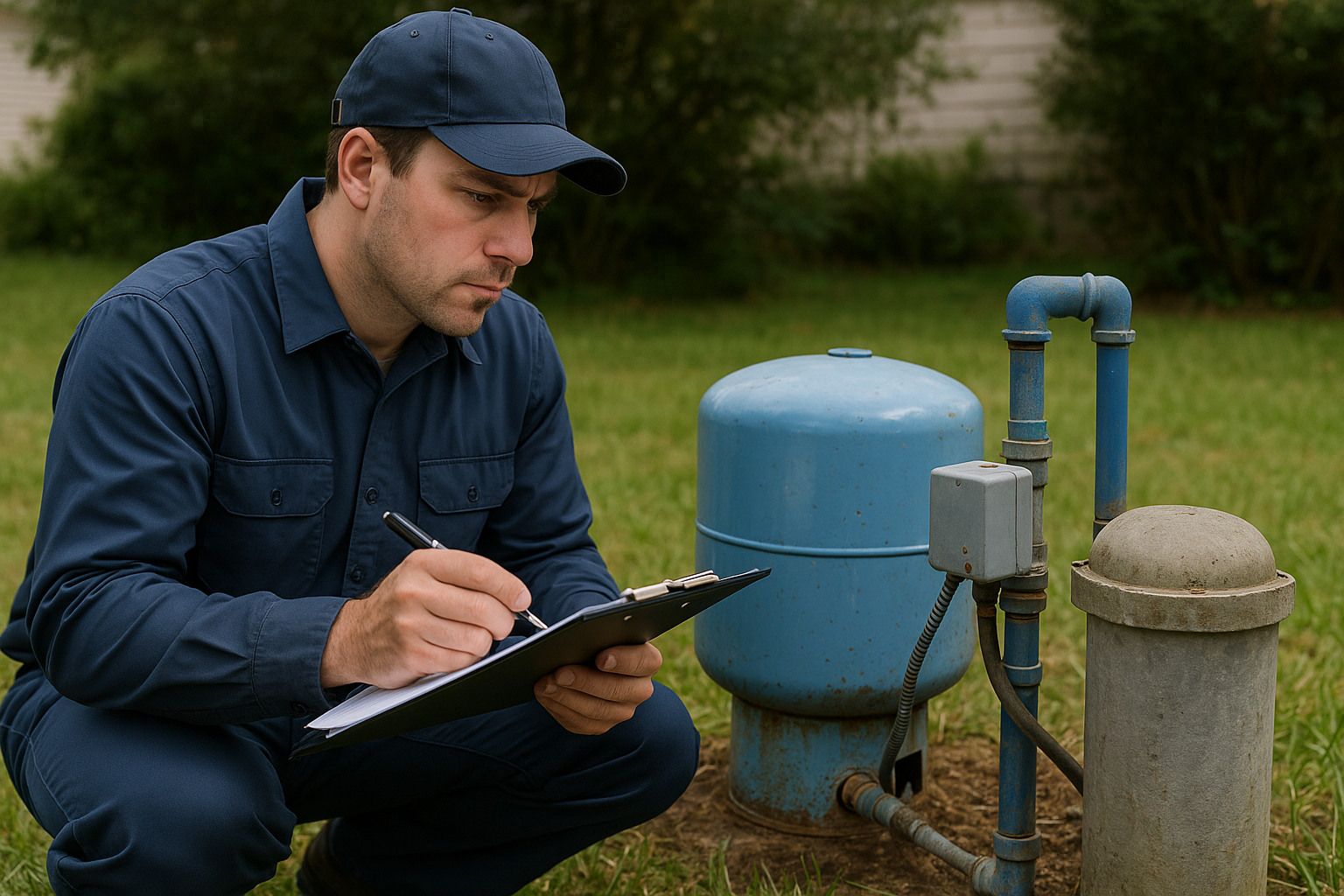
Check valves prevent water from draining back down your well when the pump stops. Learn how these simple valves work, signs of failure, and maintenance best practices for reliable well performance.
📋 In This Guide
See our check valve services.
(760) 440-8520How Check Valves Protect Your System
When your pump shuts off, gravity wants to pull all the water in your pipes back down the well. Check valves use a spring-loaded disc or ball that allows water flow in one direction only. This keeps your pipes pressurized, reduces pump cycling, and prevents water hammer—that loud banging some systems make.
Types of Check Valves Used in Wells
Spring check valves are most common, using a spring to hold the valve closed until pump pressure overcomes it. Silent check valves close more gently, reducing water hammer. Foot valves (check valves with a screen) mount at the bottom of jet pump systems. Each type has specific applications depending on your pump configuration and well depth.
Signs Your Check Valve Needs Attention
Listen for your pump cycling on and off more frequently than usual—this often indicates a leaking check valve. Other signs include a significant delay before water flows when opening a faucet, or water draining back audibly into the well after the pump stops. Pressure gauge fluctuations when no water is being used also suggest check valve issues.
Preventive Maintenance Tips
Above-ground check valves should be inspected annually—look for leaks, corrosion, or debris in the valve seat. If your water has sediment, check valves may need more frequent attention. When having your pump serviced, ask your technician to inspect and test all in-well check valves and replace any that show wear.
We service all major pump brands including Franklin Electric, Grundfos, Goulds (Xylem), and Sta-Rite (Pentair). Our trucks carry common parts and components for same-day repairs.
Frequently Asked Questions
Where is the check valve in my well system?
Most well systems have a check valve built into or mounted just above the submersible pump, plus additional check valves every 100-200 feet of depth. A final check valve is often located in the pressure tank plumbing above ground for easy access.
What happens when a check valve fails?
A failed check valve allows water to drain back down the well when the pump stops. This causes the pump to work harder on each startup, cycling more frequently, which increases electricity costs and accelerates pump wear. You may also notice a delay before water flows after the pump starts.
Can I replace a check valve myself?
The above-ground check valve near your pressure tank can be DIY-replaced with basic plumbing skills. However, check valves down in the well require pulling the pump—a job for professionals with the right equipment and safety training.
Get Expert Help
Contact Southern California Well Service for professional assistance.
Call (760) 440-8520Serving San Diego, Riverside & San Bernardino Counties
Related Articles
Continue learning about well maintenance and troubleshooting