
Cloudy or Milky Well Water in Poway
Noticing cloudy, milky, or white-colored water from your Poway well? This issue has several possible causes—some harmless, others requiring attention.
📋 In This Guide
Causes of Cloudy Well Water
- Air Bubbles: Tiny air bubbles (harmless, clears in minutes)
- Hard Water: High mineral content causing cloudiness
- Methane Gas: Natural gas dissolved in groundwater
- Bacteria: Bacterial growth in well or pipes
- TSS (Total Suspended Solids): Fine particles in water
The Glass Test
Fill a clear glass with water and let it sit:
- Clears from bottom up: Likely air bubbles (harmless)
- Clears from top down: Sediment settling (filtration needed)
- Stays cloudy: Dissolved minerals or bacteria (testing needed)
Treatment Options
- Aeration System: Removes dissolved gases
- Sediment Filtration: Removes suspended particles
- Water Softener: Reduces mineral hardness
- UV Disinfection: Kills bacteria without chemicals
- Shock Chlorination: One-time bacteria treatment
When to Be Concerned
While air bubbles are harmless, persistent cloudiness warrants investigation. Bacterial contamination or methane require professional attention for your family's safety.
Need Help With Your Well in Poway?
Our expert technicians serve Poway and all of San Diego County with professional well services.
Related Articles
Continue learning about well maintenance and troubleshooting
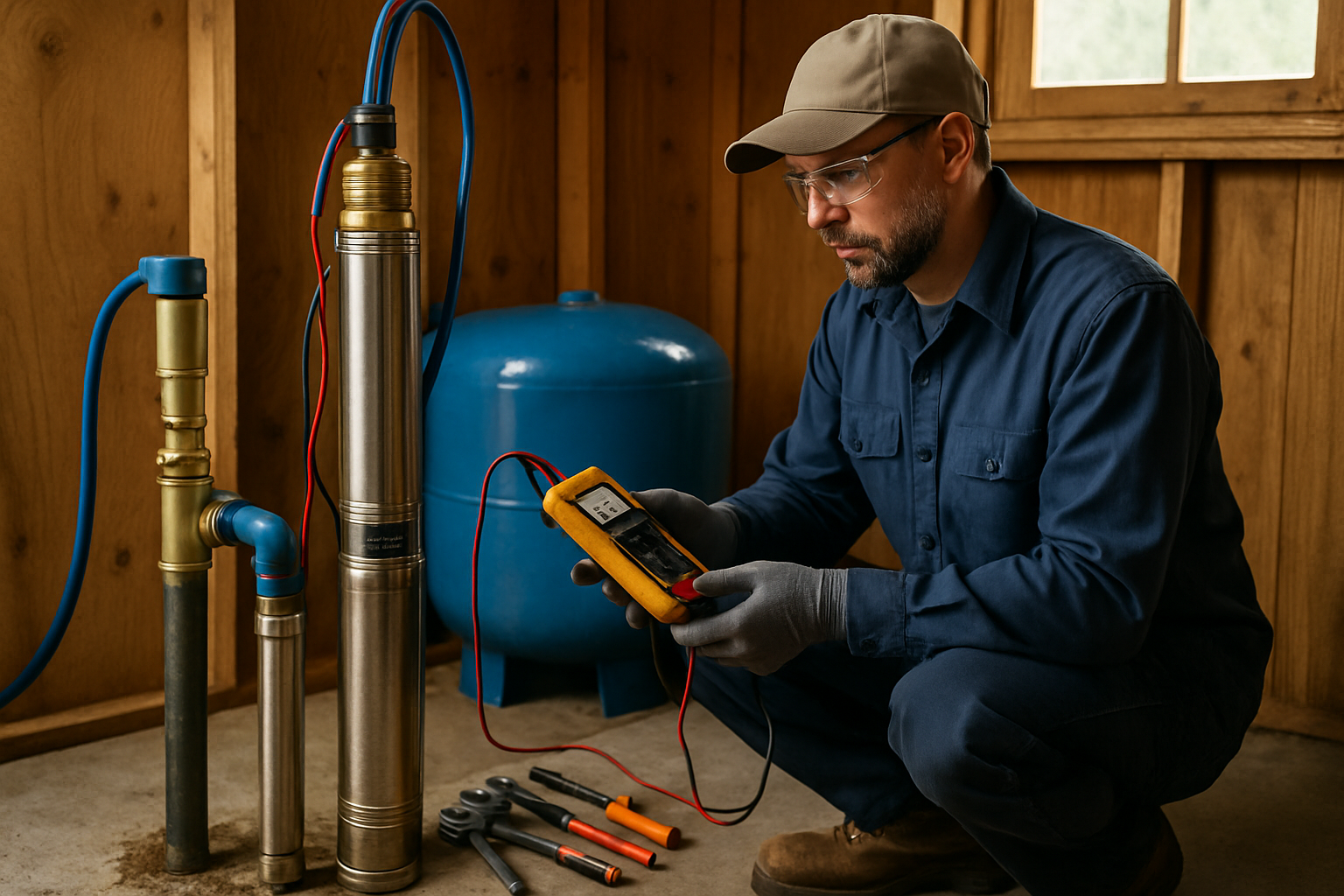
Signs Your Well Pump Is Failing
Catch pump problems early before you lose water completely.

Low Water Pressure From Well
Diagnose and fix pressure problems before they get worse.
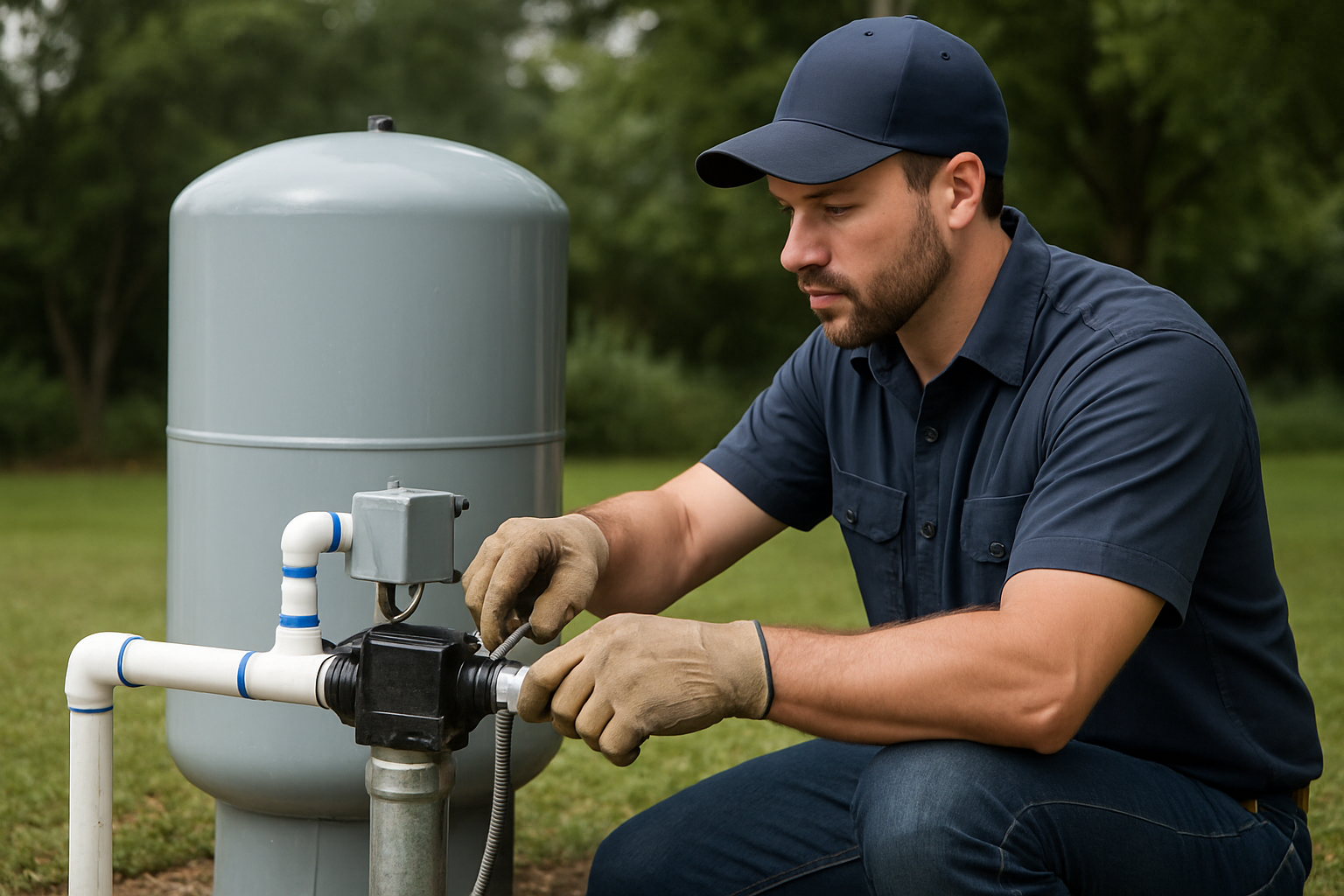
Well Maintenance Guide
Keep your well running smoothly with regular maintenance.
Our Locations
1077 Main St, Ramona, CA 92065
57174 CA-371 (US Hwy 79), Anza, CA 92539
Why Poway Well Water Turns Cloudy or Milky
Poway sits in the inland hills of northern San Diego County, the community proudly nicknamed "The City in the Country." Out here, away from the coastal flats, a great many homes in the Old Coach, Green Valley, and Garden Road areas still draw their water from private wells sunk into the same rugged ground that gives Poway its character. That ground is largely decomposed granite over fractured crystalline bedrock, and it is precisely this geology that explains most of the cloudy, milky, or whitish water our customers report. When you turn on a tap and the water looks like watered-down milk, it is almost never a single mysterious problem. It is usually one of five identifiable causes, and the good news is that most of them are straightforward to diagnose once you know what to look for.
Wells drilled into Poway's fractured granite tend to pull water through narrow seams in the rock rather than from a deep, uniform aquifer. That means small shifts in pressure, water level, or pump behavior can stir up fine material or release dissolved gases that show up as cloudiness at the faucet. Before you assume the worst, the single most useful thing you can do takes about ten minutes and a clean drinking glass.
The Glass Test: Reading Your Water in Ten Minutes
Fill a clear glass straight from a cold tap, set it on the counter, and watch how it behaves. The way the cloudiness resolves tells you a great deal about the cause.
- It clears from the bottom up. If the milkiness rises and disappears within a couple of minutes, leaving the water perfectly clear, you are looking at dissolved or trapped air. The bubbles are simply rising to the surface. This is completely harmless and needs no treatment.
- Sediment settles to the bottom. If a layer of grit, silt, or fine tan or gray particles collects at the bottom of the glass, you have turbidity from suspended solids. This is mechanical, not chemical, and it responds well to filtration.
- It stays uniformly cloudy. If the water remains evenly milky after twenty or thirty minutes with nothing settling and nothing rising, the cloudiness is dissolved, which points to dissolved minerals such as calcium, or in some cases bacteria. This is the result that warrants laboratory testing rather than guesswork.
The Five Common Causes in Poway Wells
1. Trapped or Dissolved Air (Harmless)
By far the most frequent and the least worrisome cause is air. In Poway's hillside wells, water under pressure from the pump can pick up air, and when it reaches your faucet and the pressure drops, that air comes out of solution as countless tiny bubbles. The whole glass looks milky for a moment, then clears from the bottom upward as the bubbles rise. A failing or waterlogged pressure tank, or air being drawn in at a fitting, can make this more pronounced. If your glass test clears from the bottom up, you can stop worrying. Nothing is wrong with your water.
2. Fine Sediment, Silt, and Clay (Turbidity)
Decomposed granite breaks down into fine sand and silt, and after winter storms or when a well is pumped hard, that material can migrate into the water column. You will see it settle to the bottom of the glass. Turbidity is rarely a health hazard by itself, but it is abrasive to pumps and fixtures, it can clog aerators and appliances, and it can shelter bacteria. Sediment that appears suddenly, especially after heavy rain or after the pump has been running a long time, is a sign worth investigating.
3. Methane Gas
Less common in Poway than in low-lying river valleys, but still possible where organic material is present in the formation, dissolved methane can make water look cloudy and may produce sputtering at the tap or a faint odor. Methane clears somewhat like air but can be persistent. Because methane is flammable in high concentrations and can accumulate in enclosed well houses, this is one cause you should not ignore. If you suspect gas, ventilate the area and have it measured professionally.
4. Precipitating Minerals Like Calcium
Water moving through granitic and crystalline rock dissolves calcium and other minerals along the way, and Poway water tends to run hard. When that mineral-laden water warms or its pressure changes at the tap, dissolved calcium can come out of solution as a fine white haze that does not settle and does not rise. It is harmless to drink but contributes to scale on fixtures, water heaters, and glassware. A water test measuring hardness and total dissolved solids confirms it.
5. A Stirred-Up Well from a Failing Pump or Low Water Level
When a well is overpumped, or when the water table drops during one of Southern California's dry stretches, the pump can begin drawing from near the bottom of the well where sediment accumulates. A pump that is set too low, that is starting to fail, or that short-cycles can churn up material that would otherwise stay put. If your cloudy water is accompanied by dropping pressure, air spitting from faucets, or the pump running more often than it used to, the well itself, not just the water, needs attention.
What You Can Check Yourself
Before calling anyone, you can gather useful information. Run the glass test on water from several taps. Note whether the cloudiness is constant or comes and goes, and whether it followed rain, a power outage, or unusually heavy water use. Check your pressure tank's gauge and listen for a pump that cycles on and off rapidly. Look at your sediment filter housing if you have one; a filter packed with grit tells its own story. Smell the water and note any change. None of this requires tools, and all of it helps a technician zero in on the cause faster.
Fixes That Actually Solve the Problem
Sediment and Turbidity Filtration
For grit and silt, the standard approach is a staged filtration train. A spin-down filter at the wellhead catches the coarsest sand and can be flushed without replacing anything. Downstream, a cartridge or "Big Blue" style housing steps the water through progressively finer micron ratings, often from 50 micron down to 5 or 1 micron, so each stage removes a smaller fraction and the fine cartridges last longer. A properly sized sediment filtration setup for a Poway home typically runs from $300 to $1,500 depending on flow rate, housing size, and how aggressive the sediment load is.
Well Rehabilitation
When the problem is the well rather than the water, rehabilitation restores the well's structure and performance. This can include a downhole camera inspection to see exactly what is happening, surging and redevelopment to flush fine material out of the surrounding fractures, and repair of damaged casing or worn screens that are letting sediment in. Well rehabilitation generally falls in the $1,500 to $5,000 range, and for an older Poway well producing persistent sediment it is often the lasting fix.
Fixing Pump Depth, Air Leaks, and the Pressure Tank
If the pump is set too low and stirring sediment, raising it or adjusting its operation can solve cloudiness at the source. Air-related milkiness frequently traces back to a waterlogged pressure tank with a failed bladder or to a leak on the suction side, both of which are correctable. Pump service, including pulling and resetting the pump, replacing a pressure tank, or rewiring controls, typically runs $800 to $2,500 depending on well depth and equipment.
Water Testing
When the glass stays uniformly cloudy, testing is not optional, it is the only way to distinguish harmless dissolved minerals from bacteria. A certified test measures hardness, total dissolved solids, and the presence of coliform or other bacteria, and the results dictate whether you need a softener, a UV disinfection system, or simply reassurance.
When to Call a Professional
Call a licensed well contractor if the cloudiness persists after the air has had time to clear, if sediment appears suddenly or worsens, if you notice any odor or sputtering that suggests gas, if pressure is dropping or the pump is cycling abnormally, or if a water test comes back showing bacteria. These are not problems to live with or to patch with a store-bought filter, because the wrong fix wastes money and can mask a deteriorating well. Our diagnostic visit is $125, and that fee is credited toward the work if you proceed, so a professional opinion costs nothing if it leads to a repair.
Serving Poway and Inland North County
Southern California Well Service has been keeping wells running across San Diego County since 2020. We are a licensed C-57 water well drilling contractor by the homeowners we serve, and we offer same-day emergency service when you are out of water. Alongside Poway, we regularly work in nearby Ramona, Escondido, and Rancho Bernardo, and our two offices keep us close to inland customers: our Ramona office at 1077 Main St, Ramona, CA 92065, and our Anza office at 57174 CA-371 (US Hwy 79), Anza, CA 92539. Because we know Poway's decomposed-granite terrain firsthand, we diagnose cloudy-water problems faster than crews shipped in from outside the region. Reach us anytime at (760) 440-8520 or text (760) 219-5877.
Frequently Asked Questions
Is cloudy well water in Poway safe to drink?
It depends on the cause. If the water clears from the bottom up within a few minutes, it is trapped air and is completely safe. If it stays uniformly cloudy or leaves sediment, you should have it tested before assuming it is safe, because dissolved minerals are harmless but bacteria are not, and only a lab test can tell them apart.
Why does my Poway water look milky only sometimes?
Intermittent milkiness is almost always air related, often tied to a pressure tank cycling or to heavy water use that draws air into the system. If the cloudiness comes and goes with no sediment settling, air is the likely culprit, and it is harmless.
Will a water softener fix cloudy water?
A softener helps only if the cloudiness is caused by dissolved hardness minerals like calcium, which is common given Poway's granitic geology. It will not remove suspended sediment, eliminate bacteria, or address air. That is why we test first rather than guessing.
How much does it cost to fix cloudy well water?
Sediment or turbidity filtration runs $300 to $1,500, well rehabilitation runs $1,500 to $5,000, and pump service runs $800 to $2,500. Our diagnostic visit is $125 and is credited toward the job, so you only pay the diagnostic separately if you decide not to proceed.
Could low water levels during drought cause cloudy water?
Yes. When the water table drops, a pump can begin drawing sediment from near the bottom of the well, producing cloudiness. This is common in dry Southern California summers and is usually addressed by adjusting pump depth or rehabilitating the well.
Do you serve areas near Poway?
We do. In addition to Poway we serve Ramona, Escondido, Rancho Bernardo, and the surrounding inland communities of San Diego County, with same-day emergency response available from our Ramona and Anza offices.
Ready to Clear Up Your Water?
If cloudy or milky water from your Poway well has you concerned, do not guess and do not let it linger. Our licensed technicians can run a proper diagnosis, tell you honestly whether it is harmless air or something that needs treatment, and fix it right the first time. Call (760) 440-8520 or text (760) 219-5877 today to schedule your visit.