
Deep Well vs Shallow Well: Which Is Better for Your Property?
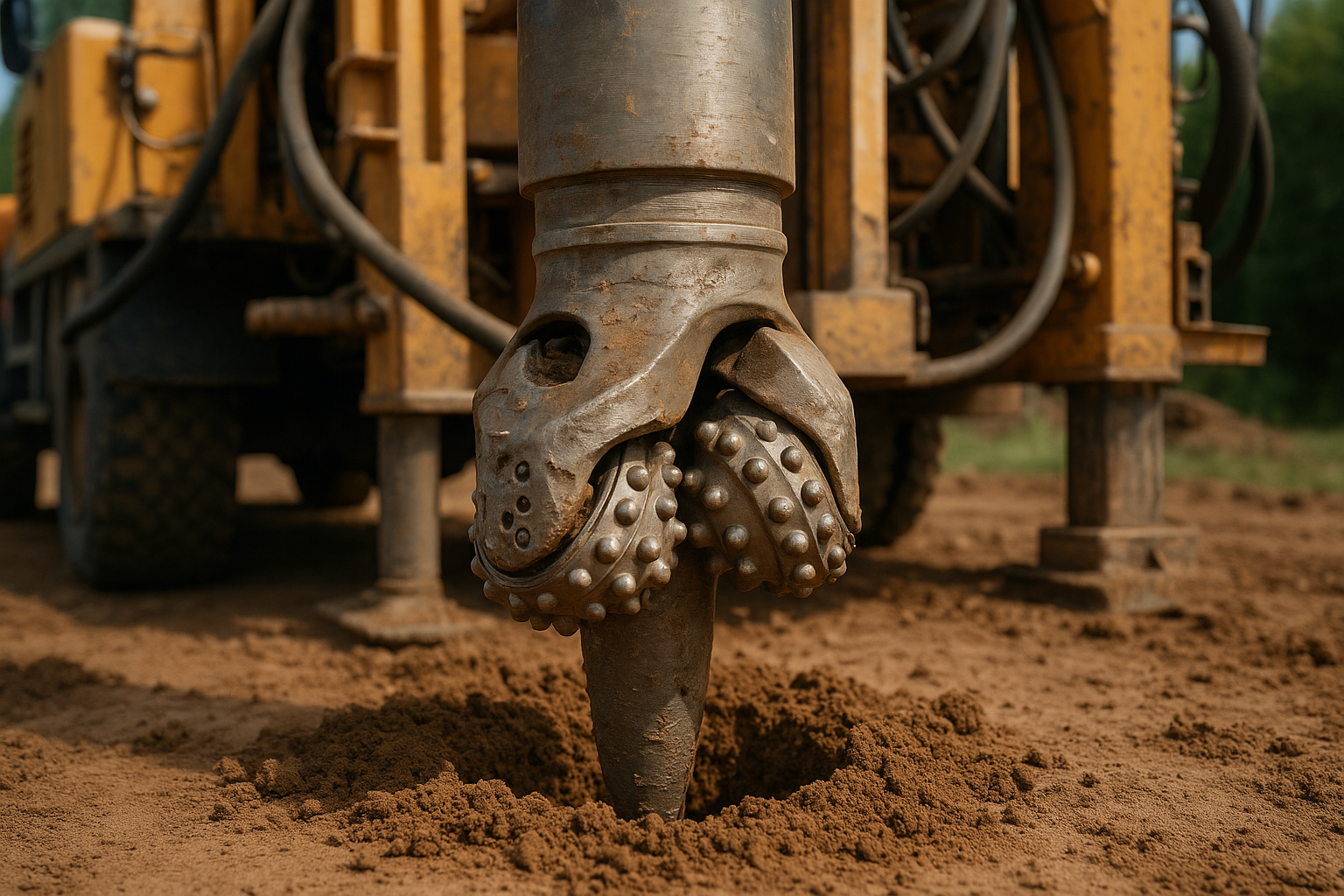
Compare deep wells and shallow wells to understand the pros, cons, costs, and water quality differences. Learn which well depth is right for your Southern California home.
📋 In This Guide
See our well drilling services.
(760) 440-8520What Defines "Shallow" vs "Deep"?
There's no universal standard, but generally:
- Shallow wells: Under 50 feet deep, accessing the upper water table
- Moderate wells: 50-150 feet
- Deep wells: Over 150 feet, accessing bedrock aquifers
In Southern California, most residential wells fall in the 150-400 foot range. Coastal areas may need only 100 feet, while mountain and desert regions often require 300-600+ feet.
Quick Comparison
| Factor | Shallow Well | Deep Well |
|---|---|---|
| Typical depth | Under 50 feet | 150-400+ feet |
| Water source | Upper water table | Bedrock aquifer |
| Construction method | Dug, driven, or drilled | Always drilled |
| Cost | $3,000-$10,000 | $15,000-$45,000+ |
| Water quality | Variable, contamination risk | Usually excellent |
| Reliability | Seasonal fluctuation | Consistent year-round |
| Drought resistance | Poor | Excellent |
| Lifespan | 20-30 years | 50+ years |
Shallow Well: Pros and Cons
Advantages
- Lower cost: $3,000-$10,000 vs $15,000-$45,000+ for deep wells
- Faster installation: Days instead of weeks
- Easier pump access: Pump may be above ground (jet pump)
- Less mineral content: Often softer water with less iron
- Lower energy costs: Shorter lift distance for pump
Disadvantages
- Contamination risk: Vulnerable to surface pollution (pesticides, fertilizers, septic)
- Seasonal variation: May drop or fail during drought
- Lower yield: Often produces less water
- Shorter lifespan: Upper aquifers more prone to depletion
- More testing required: Should test more frequently for contamination
Deep Well: Pros and Cons
Advantages
- Better water quality: Natural filtration through rock layers
- Protected from contamination: Below surface pollution influence
- Consistent supply: Deep aquifers less affected by seasonal variation
- Drought resistant: Deep water tables more stable
- Longer lifespan: 50+ years typical with proper maintenance
- Often higher yield: Larger aquifers can support greater flow
Disadvantages
- Higher cost: Significantly more expensive to drill
- More minerals: May have hardness, iron, or other treatment needs
- Higher energy cost: Pumping from greater depth uses more electricity
- Specialized equipment: Requires submersible pump
- Harder to service: Pump pulling requires professional equipment
Water Quality Differences
Shallow Well Water
- Often softer (less calcium/magnesium)
- Higher contamination risk (bacteria, nitrates, chemicals)
- May have organic matter, color, or odor
- Quality can change seasonally
- More frequent testing recommended (annually minimum)
Deep Well Water
- Better protected from surface contamination
- More consistent quality year-round
- May be harder (more dissolved minerals)
- Possible iron, manganese, or sulfur
- Typically needs less frequent testing
Cost Comparison
| Component | Shallow (50 ft) | Deep (300 ft) |
|---|---|---|
| Drilling | $1,500-$3,000 | $9,000-$18,000 |
| Casing | $500-$1,000 | $3,000-$6,000 |
| Pump & equipment | $500-$1,500 | $2,000-$4,000 |
| Electrical | $300-$600 | $500-$1,200 |
| Permits & testing | $300-$500 | $500-$1,000 |
| Total | $3,000-$7,000 | $15,000-$30,000 |
Which Is Right for Your Property?
Choose a Shallow Well If:
- Budget is the primary concern
- Water table is high and reliable
- Property is in a protected, rural area
- Water needs are minimal (vacation cabin, irrigation only)
- No contamination sources nearby
Choose a Deep Well If:
- Long-term reliability is important
- Shallow aquifers are contaminated or unreliable
- Property is in an area with agricultural, septic, or industrial activity
- Drought conditions are a concern
- Maximum property value and well longevity matter
Southern California Specifics
In our service area, most residential wells are 150-400 feet deep because:
- Shallow groundwater is often contaminated or insufficient
- Drought conditions make shallow wells unreliable
- Mountain and desert areas require depth to reach water
- County requirements often mandate minimum depths
We service all major pump brands including Franklin Electric, Grundfos, Goulds (Xylem), and Sta-Rite (Pentair). Our trucks carry common parts and components for same-day repairs.
Frequently Asked Questions
How deep should a residential well be?
In Southern California, most residential wells are 150-400 feet. The ideal depth depends on local geology, water table, and contamination risks. Your driller should know productive zones in your area and recommend appropriate depth.
Do deep wells have better water pressure?
Not automatically—pressure depends on your pump and pressure system. However, deep wells often have better flow rates and more consistent supply, which allows for more robust pressure systems.
Can a shallow well be converted to a deep well?
Usually not cost-effectively. Deepening requires compatible casing diameter and construction, and often costs more than drilling new. Most shallow wells are better replaced than modified.
Will a deeper well have more water?
Not necessarily. Depth doesn't guarantee yield—you need to hit productive water-bearing zones. Some deep wells produce little water while shallower wells in the right location produce abundantly. Professional siting is crucial.
How long do shallow vs deep wells last?
Shallow wells typically last 20-30 years due to exposure to surface conditions and smaller aquifer size. Deep wells often last 50+ years because they access more stable, protected water sources.
Are shallow wells safe to drink from?
They can be, with proper testing. Shallow wells are more vulnerable to contamination and should be tested more frequently (at least annually). Treatment may be needed for bacteria or chemicals.
Related Articles
Continue learning about well maintenance and troubleshooting

Get Expert Help
Contact Southern California Well Service for professional assistance.
Call (760) 440-8520Serving San Diego, Riverside & San Bernardino Counties