Earthquake Damage to Wells
California is earthquake country, and seismic activity can affect private wells in various ways. While most wells survive earthquakes without major damage, it's important to understand potential impacts and know what to check after shaking stops. Here's what Southern California well owners need to know about earthquake-related well damage.
How Earthquakes Can Affect Wells
1. Casing Damage
Seismic shaking can shift underground formations, potentially:
- Crack or collapse well casing (especially older or corroded casings)
- Create separations at joints where casing sections connect
- Cause lateral movement if fault movement occurs near the well
Symptoms: Cloudy or sediment-filled water, reduced flow, loss of prime, grinding noises from pump.
2. Pump and Equipment Damage
Above-ground and downhole equipment can be affected:
- Submersible pumps can shift or drop if drop pipe connections loosen
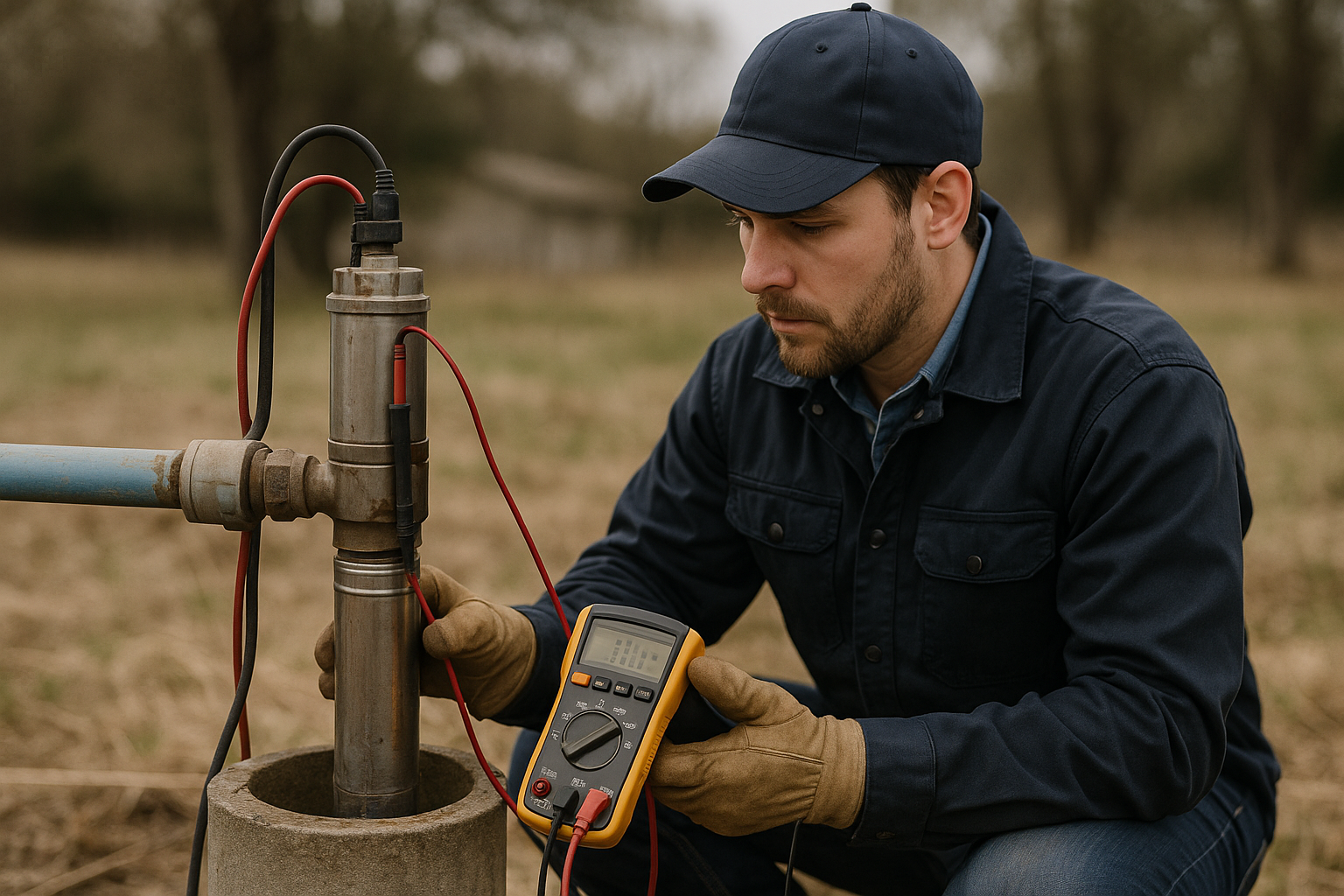
- Electrical connections may separate or short circuit
- Pressure tanks can shift off foundations
- Control boxes and switches can be damaged by falling objects
- Wiring conduits may crack or separate
Symptoms: Loss of power to well, pump won't start, erratic pressure, tripped breakers.
3. Water Table and Flow Changes
Earthquakes can alter underground aquifer conditions:
- Fractures may open or close, changing water flow patterns
- Water levels may temporarily rise or fall
- Some wells increase production, others decrease
- Water temperature may change
Symptoms: Sudden increase or decrease in water availability, well recovering faster or slower than normal, temperature changes.
4. Sediment Disturbance
Shaking can dislodge sediment from well walls and aquifer materials:
- Sand, silt, or clay particles enter the well
- Pre-existing scale or mineral deposits break loose
- Gravel pack around well screen may settle unevenly
Symptoms: Cloudy, murky, or discolored water, grit in fixtures, sediment in toilet tanks.
5. Seal and Wellhead Damage
Surface components can be compromised:
- Sanitary well seal may crack or separate
- Wellhead cap can shift or break
- Grout seal around casing may crack
- Pitless adapter connections may loosen
Risk: Opens pathways for surface contamination to enter the well.
What to Check After an Earthquake
Safety First
Before checking your well system, ensure the area is safe. Check for downed power lines, gas leaks, and structural damage. If you smell gas or see electrical hazards, do not operate well equipment.
Immediate Checks (Safe to Do Yourself)
- Visual inspection of wellhead: Look for cracks, shifting, or separation of the well seal and casing
- Check electrical panel: Ensure well pump breaker hasn't tripped
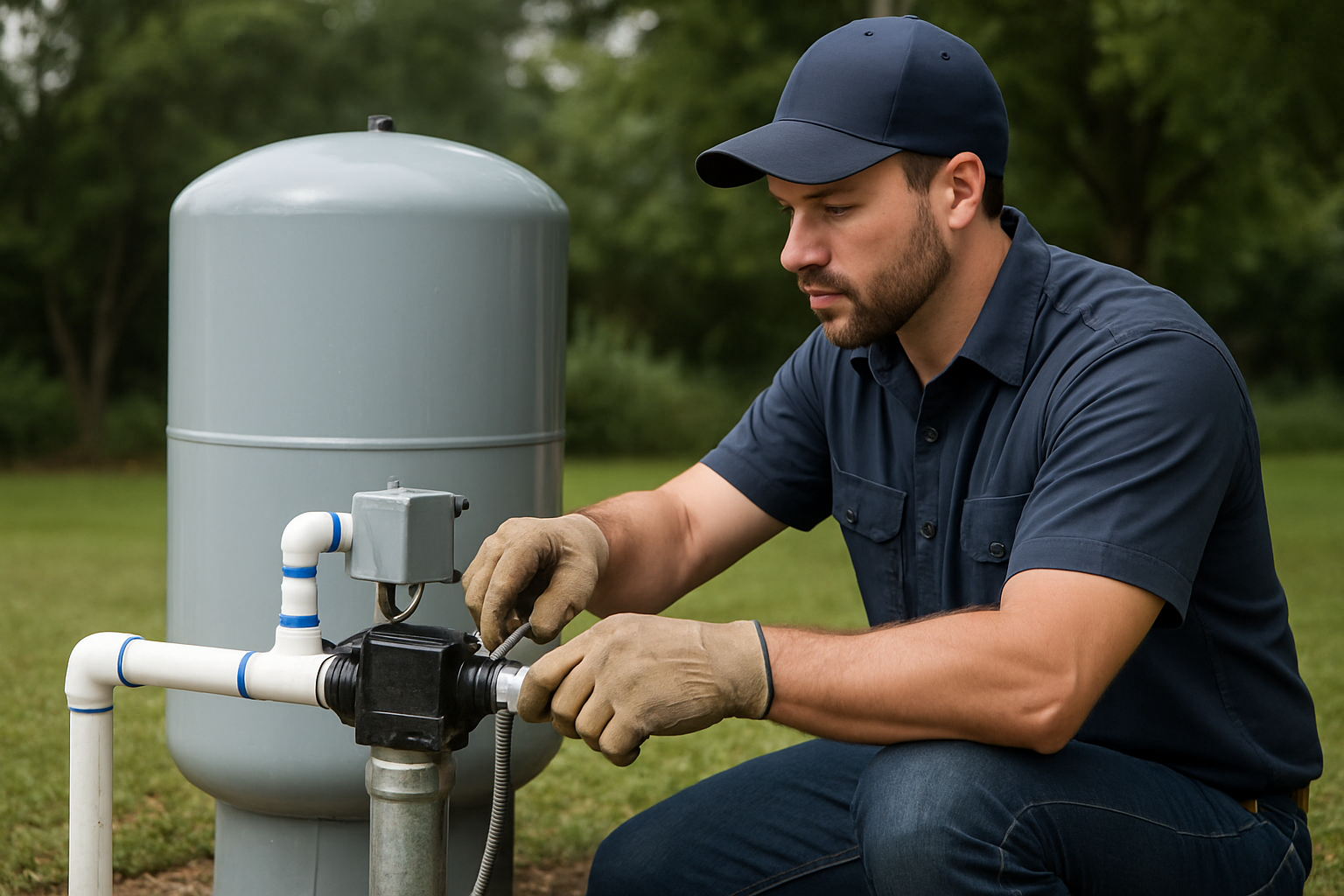
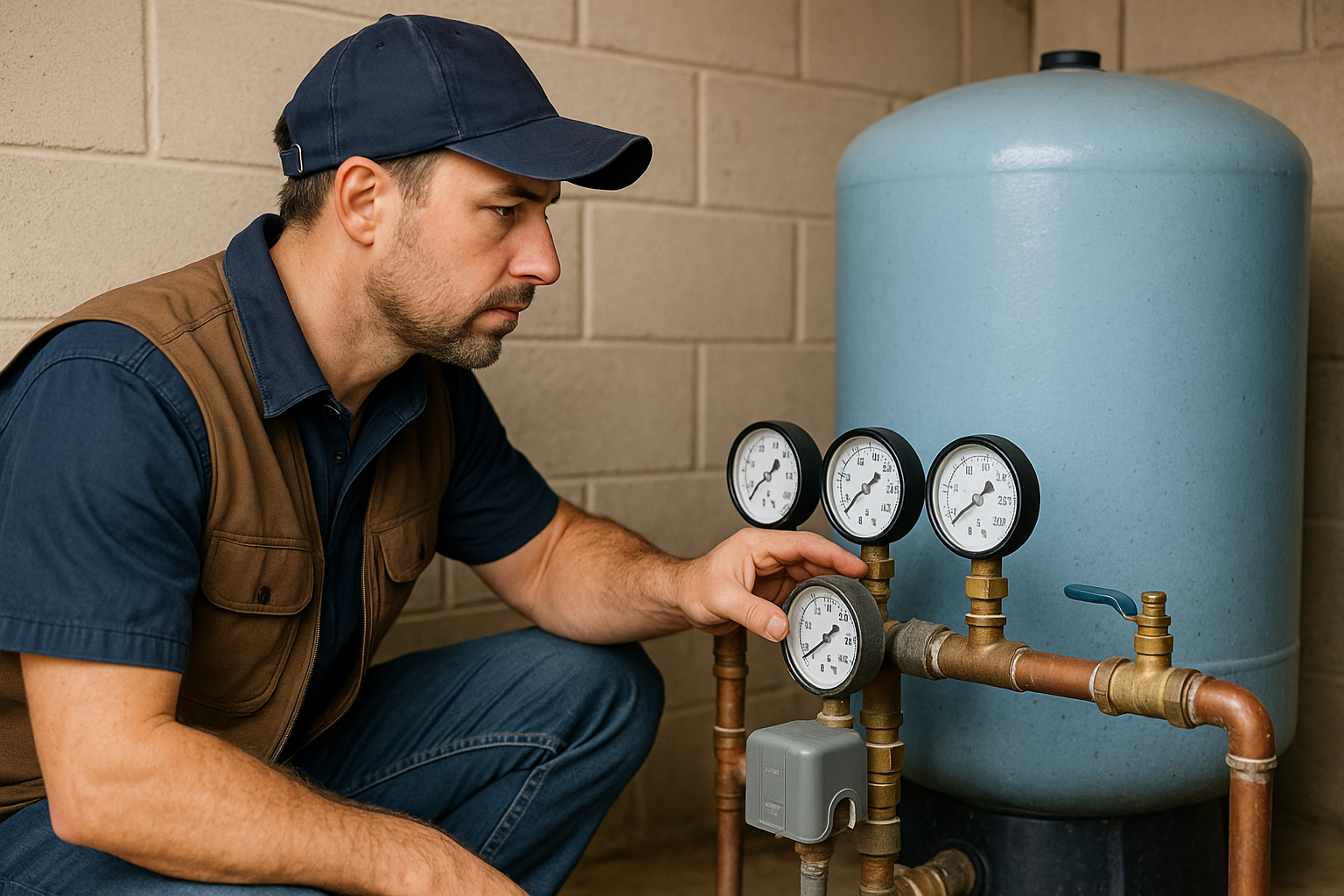
- Inspect pressure tank and controls: Look for visible damage, leaks, or shifted equipment
- Run water briefly: Check for normal flow and pressure
- Observe water quality: Is it cloudy, discolored, or containing sediment?
- Listen for unusual sounds: Grinding, rattling, or other abnormal pump noises
- Check for leaks: Inspect all visible piping and connections
When to Call a Professional Immediately
Call us right away if you notice:
- ✗ No water flow at all
- ✗ Severely reduced water pressure
- ✗ Grinding or loud unusual noises from pump
- ✗ Milky, brown, or heavily sediment-laden water that doesn't clear after running briefly
- ✗ Electrical issues – sparks, burning smell, repeated breaker trips
- ✗ Visible cracks in casing or wellhead
- ✗ Water spraying or leaking around wellhead
- ✗ Pump runs continuously without building pressure
Post-Earthquake Water Safety
When to Treat Water as Unsafe
Assume your well water is contaminated if:
- Wellhead seal is cracked or separated
- Water is murky and doesn't clear after 15-20 minutes of running
- Water has an unusual odor or taste
- You're in an area where sewage lines or chemical storage may have breached
Emergency Water Treatment
Until your well can be professionally inspected:
- Boil water: Rolling boil for 1 minute kills most pathogens
- Bottled water: Use for drinking and food preparation
- Chlorine treatment: 1/8 teaspoon (8 drops) unscented household bleach per gallon, let stand 30 minutes
- Avoid until tested: Don't assume water is safe just because it looks clear
Professional Water Testing
After significant earthquakes, we recommend:
- Bacterial testing: Test for coliform and E. coli ($75-$150)
- Chemical analysis: If contamination is suspected based on location ($150-$300)
- Before resuming normal use: Get test results showing water is safe
Common Repairs After Earthquake Damage
Typical Post-Earthquake Well Repairs
- Well chlorination: $400-$800 – Disinfecting well after potential contamination
- Replace well seal: $300-$600 – New sanitary seal if damaged
- Pump replacement: $1,500-$4,000 – If pump damaged or dropped
- Pressure tank replacement: $500-$1,200 – If bladder ruptured or tank shifted
- Well rehabilitation: $1,500-$4,000 – Cleaning out sediment, developing well
- Casing repair: $2,000-$8,000+ – More extensive, may require pulling pump and welding
- Video inspection: $400-$700 – To assess casing condition without digging
Dealing with Sediment Issues
Cloudy water after earthquakes is common and often temporary:
If Water is Slightly Cloudy
- Let cold water run for 15-20 minutes to flush sediment
- Avoid hot water use initially (sediment settles in water heater)
- Run outdoor hose bib if available (diverts sediment outside)
- Usually clears within hours to a day
If Sediment Persists
Call us for professional well development:
- High-volume pumping to clear aquifer of loosened materials
- Surging to dislodge sediment from well screen
- Check for casing damage allowing sediment influx
- Consider sediment filter if problem continues
Insurance Considerations
Standard homeowners insurance typically doesn't cover earthquake damage. If you have earthquake insurance:
- Document all damage with photos before repairs
- Keep detailed records of all repairs and costs
- Get written estimates from licensed contractors
- Some policies cover well and pump damage, others don't – check your policy
- Deductibles for earthquake insurance are often 10-20% of coverage
Preventing Earthquake Damage to Your Well
While you can't earthquake-proof a well, you can minimize risk:
- Secure equipment: Bolt pressure tanks and control boxes to walls or floors
- Flexible connections: Use flexible connectors where piping enters buildings
- Maintain well seal: Keep wellhead seal in good condition to prevent contamination entry
- Regular inspections: Annual well inspections catch deterioration before earthquakes worsen it
- Know your shutoffs: Locate and label well electrical disconnects
- Emergency supplies: Keep bottled water stored (1 gallon per person per day for 3-7 days)
- Maintain records: Keep copies of well logs, permits, and service records in safe location
Southern California Earthquake Zones and Well Risks
Different areas face different seismic risks:
- Near major faults (San Andreas, Elsinore, San Jacinto): Higher risk of casing damage from ground displacement
- Sedimentary basins: Can experience stronger shaking amplification
- Granite bedrock areas: Fractured rock wells may see flow changes if fractures shift
- Liquefaction zones: Sandy soil areas near water bodies – casing can shift or tilt
When to Call SCWS After an Earthquake
Contact us if you experience any well issues after seismic activity. We provide emergency well services throughout San Diego, Riverside, and San Bernardino counties. Our technicians can quickly assess damage, make necessary repairs, and test your water to ensure it's safe.
With 30+ years of experience and CSLB license #1086994, we've seen and repaired earthquake damage ranging from minor sediment issues to complete well reconstruction. Call (760) 440-8520 for prompt professional service.
Well Problems After an Earthquake?
Emergency well services available across Southern California.
Call (760) 440-8520