Fall Well Winterization: Preparing Your System Before Winter
Essential fall prep tasks to protect your well from winter damage. Insulation, inspections, and freeze prevention.
📋 In This Guide
See our winterization services.
(760) 440-8520San Diego County's Freeze Risk Zones
San Diego's microclimates mean freeze risk varies dramatically across the county. Coastal areas from Oceanside to Imperial Beach rarely see freezing temperatures. But travel inland or gain elevation and the picture changes. Mountain communities like Julian and Palomar Mountain experience regular freezes and occasional snow. The inland valleys—Ramona, Alpine, Jamul, Escondido, and Valley Center—see freezing temperatures several times each winter, particularly during radiation freeze events on clear, calm nights. Even areas that seem mild can have cold pockets; properties in valley bottoms or north-facing slopes collect cold air. SCWS has winterized well systems at every elevation in San Diego County. We assess your specific location's freeze risk based on elevation, topography, and historical temperature data to recommend appropriate protection measures.
Insulating Vulnerable Components
Proper insulation is your first line of defense against freezing. Start with the most exposed components: above-ground pipes from the wellhead to your pressure tank or house. Use foam pipe insulation rated for outdoor use, secured with tape or wire to prevent wind damage. Wrap the pressure tank with insulation blanket, paying attention to pipe connections. If your wellhead and tank are in a pump house, insulate the building itself—walls, ceiling, and especially any gaps where cold air infiltrates. Seal around pipe penetrations. Cover vents during freeze warnings while ensuring some ventilation to prevent condensation. For buried pipes, verify they're at least 12-18 inches deep; shallower runs should be reburied or heavily insulated. SCWS installs professional-grade insulation systems designed to withstand San Diego's occasional extreme weather.
Heat Tape Installation and Safety
When insulation alone isn't sufficient—particularly in mountain communities or for extremely exposed installations—heat tape provides active freeze protection. Modern self-regulating heat tape is safe and energy-efficient, drawing power only when temperatures drop. Wrap heat tape directly against pipes before adding insulation on top. Follow manufacturer spacing and overlap instructions carefully. Always plug heat tape into a GFCI-protected outlet for safety. Inspect heat tape annually; damaged cable must be replaced, not repaired. Quality matters: cheap hardware store tape may fail after one season, while commercial-grade cable from suppliers like Raychem lasts 20+ years. SCWS installs and inspects heat tape systems throughout the San Diego backcountry, ensuring proper installation that meets electrical codes and provides reliable freeze protection.
Fall System Inspection Checklist
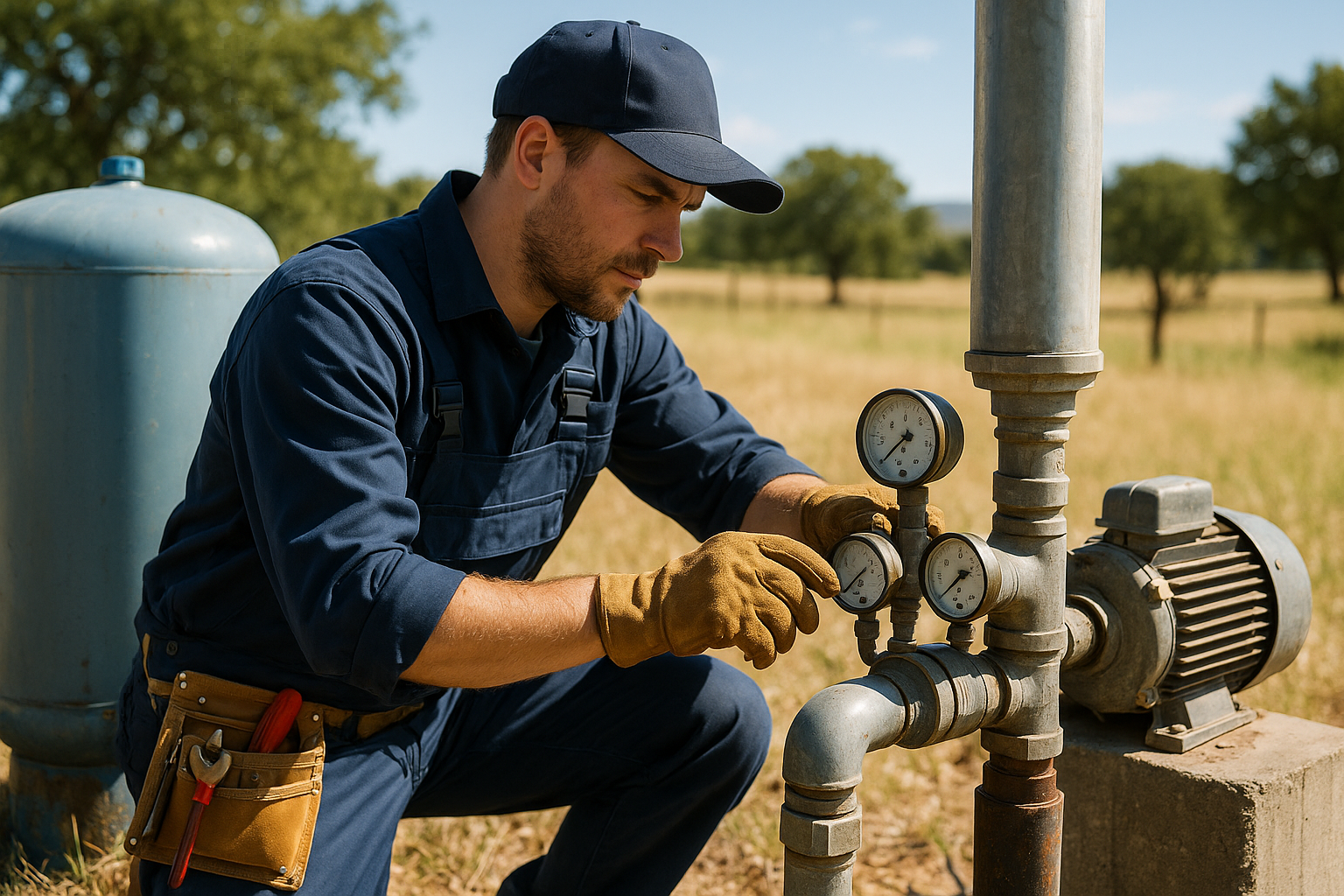
Fall is ideal for comprehensive well inspection—you catch any problems from summer's heavy use while preparing for winter. Check the wellhead cap and seal for damage; replace worn seals that could admit insects or surface water. Inspect the pressure tank for rust, leaks, or waterlogging. Test the pressure switch operation. Check all electrical connections for corrosion or pest damage. Verify the check valve is holding (listen for water falling back down the well when the pump stops). Test water quality—fall testing establishes a baseline before winter rains potentially affect groundwater. Document your well's flow rate and recovery time to compare against future measurements. SCWS fall inspections include all these items plus thermal imaging to identify components at freeze risk.
Creating a Winter Emergency Plan
Despite best preparations, San Diego County occasionally sees unexpected severe freezes. Have a plan. Know where your main shut-off is and how to operate it. Keep SCWS's emergency number accessible. Stock bottled water for essential needs if your system freezes. If a freeze warning is issued, let a faucet drip slightly overnight—moving water resists freezing. Open cabinet doors to let household heat reach pipes. Disconnect and drain garden hoses. After a hard freeze, inspect your system before demand—a cracked pipe may not leak until water pressure is applied. If you discover a frozen pipe, never use an open flame to thaw it; use a hair dryer or heat lamp. Call SCWS if you're uncertain about damage—we provide post-freeze inspections to verify system integrity before full operation.
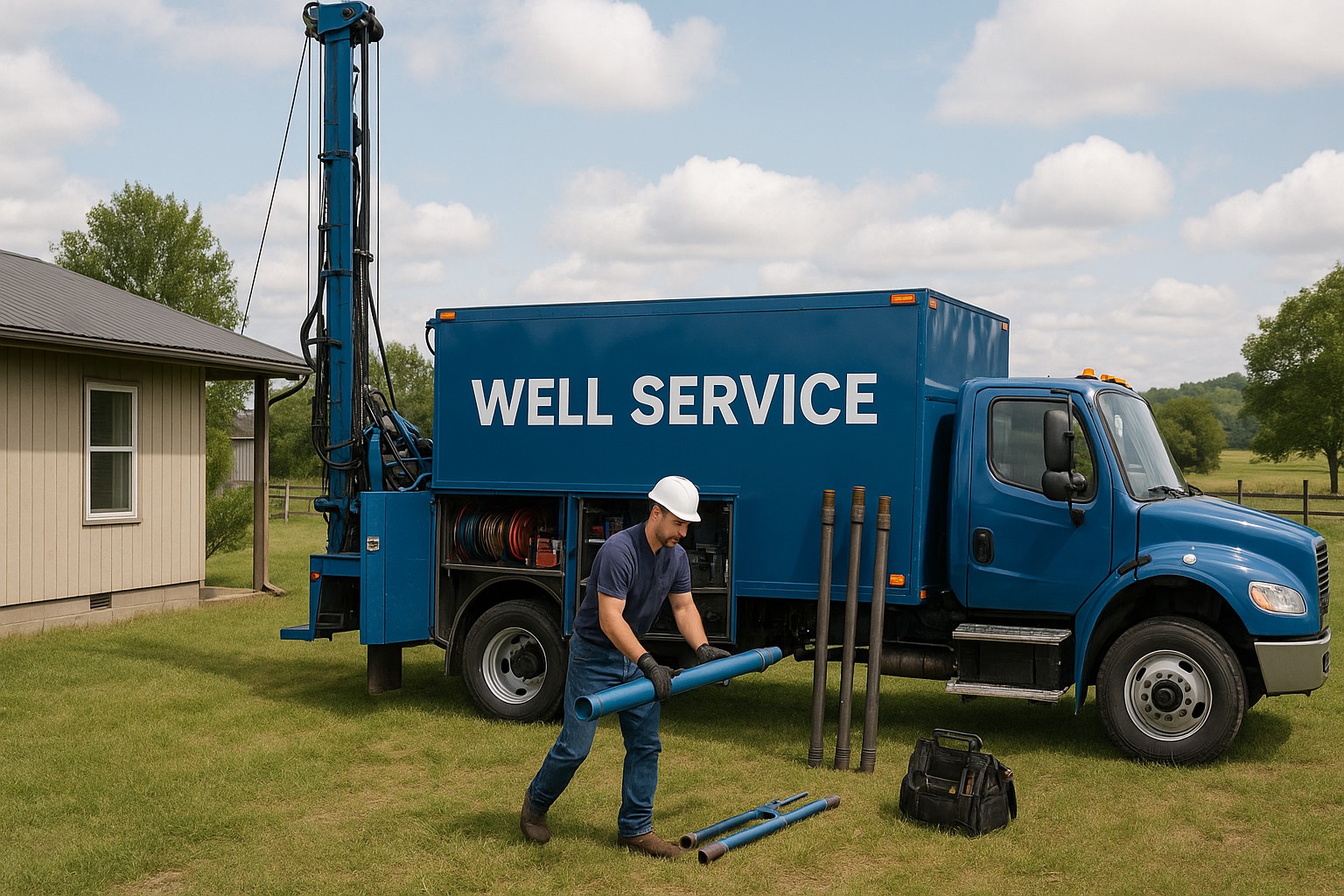
We service all major pump brands including Franklin Electric, Grundfos, Goulds (Xylem), and Sta-Rite (Pentair). Our trucks carry common parts and components for same-day repairs.
Frequently Asked Questions
Do wells in San Diego County need winterization?
While coastal San Diego rarely freezes, inland and mountain areas absolutely need winterization. Julian, Palomar Mountain, and Alpine regularly see freezing temperatures from November through February. Even areas like Ramona, Escondido, and Valley Center can experience hard freezes during cold snaps. Exposed pipes, pressure tanks, and well houses are vulnerable. Taking winterization steps in fall—before the first freeze—prevents expensive emergency repairs when a plumber may be hard to find.
What parts of my well system are most vulnerable to freezing?
Exposed pipes above ground or in unheated spaces freeze first—particularly the section from your wellhead to your pressure tank. The pressure tank itself can freeze if located in an uninsulated pump house. Pressure switches and gauges are vulnerable. Even underground pipes can freeze if buried less than 12 inches deep. Any pipe run through an unheated crawl space, garage, or outbuilding needs attention. SCWS evaluates your complete system to identify freeze-risk components.
Should I drain my well system for winter?
In most of San Diego County, complete drainage is unnecessary and can actually cause problems—seals may dry out and fail. However, if you have a vacation property in the mountains that sits unoccupied during winter, full winterization including drainage may be appropriate. For occupied homes, focus on insulation and heat tape for vulnerable components. SCWS can advise based on your property's location, elevation, and occupancy pattern.
What is heat tape and does my well need it?
Heat tape (also called heat cable) is electrical cable that produces gentle warmth when activated. Wrapped around pipes, it prevents freezing during cold snaps. Self-regulating heat tape adjusts its heat output based on temperature—warming more when it's colder. Properties in Julian, Pine Valley, Campo, or mountain areas definitely benefit from heat tape. Even inland valleys like Ramona can use it as insurance against occasional hard freezes. SCWS installs commercial-grade heat tape designed for long-term reliability.
When should I complete fall winterization tasks?
Complete winterization by mid-November, before the first freeze risk. In San Diego County, overnight temperatures in mountain areas can drop below freezing as early as late October. Schedule professional inspections for September or October when contractors have availability. Install insulation and heat tape while weather is mild and comfortable for working outdoors. Don't wait until a freeze warning—by then, everyone is scrambling and parts may be unavailable.
Get Expert Help
Contact Southern California Well Service for professional assistance.
Call (760) 440-8520Serving San Diego, Riverside & San Bernardino Counties
Related Articles
Continue learning about well maintenance and troubleshooting