How Often Should You Test Well Water?
📋 In This Guide
Recommended Testing Schedule
Annual Testing (Minimum)
| Test | Why | Cost |
|---|---|---|
| Total Coliform Bacteria | Indicates contamination | $25-$50 |
| E. coli | Fecal contamination | Usually included |
| Nitrates | Dangerous to infants | $25-$40 |
Total annual minimum cost: $40-$75
Every 3-5 Years (Comprehensive)
- pH level
- Total dissolved solids (TDS)
- Hardness
- Iron and manganese
- Sulfate
- Chloride
- Cost: $100-$200 for basic panel
As Needed (Specific Concerns)
- Arsenic: If in high-arsenic area
- Lead: If old plumbing or solder
- Radon: If high-radon region
- Pesticides: If agricultural area
- VOCs: If near gas stations, industry
What to Test For
Health-Critical Tests
| Contaminant | Health Concern | Safe Level |
|---|---|---|
| Coliform bacteria | Indicates contamination | 0 (absent) |
| E. coli | Serious illness | 0 (absent) |
| Nitrates | Blue baby syndrome | Below 10 mg/L |
| Arsenic | Cancer risk | Below 10 ppb |
| Lead | Neurological damage | Below 15 ppb |
Quality/Nuisance Tests
| Parameter | Issue If High | Typical Target |
|---|---|---|
| pH | Corrosion, taste | 6.5-8.5 |
| Hardness | Scale, soap issues | Below 120 mg/L |
| Iron | Staining, taste | Below 0.3 mg/L |
| Manganese | Black staining | Below 0.05 mg/L |
| TDS | Taste, mineral content | Below 500 mg/L |
When to Test More Often
Test Immediately If:
- ✓ Water changes in taste, odor, or appearance
- ✓ Area flooding occurred
- ✓ Well was recently repaired or serviced
- ✓ Nearby septic system problems
- ✓ Household members have unexplained GI illness
- ✓ Chemical or fuel spill nearby
- ✓ New construction or farming activity nearby
Test More Frequently If:
- Infants or young children in home
- Pregnant women in household
- Immunocompromised individuals
- History of contamination issues
- Shallow well (under 50 feet)
- Well near septic systems or farms
Quarterly Testing Recommended:
- Homes with infants (nitrates)
- Wells with previous contamination
- Wells in high-risk areas
Testing Costs
| Test Type | Typical Cost |
|---|---|
| Bacteria only | $25-$50 |
| Bacteria + nitrates | $40-$75 |
| Basic panel (10-15 parameters) | $75-$150 |
| Comprehensive panel (25+ parameters) | $150-$300 |
| Individual tests (arsenic, lead, etc.) | $25-$75 each |
| Full drinking water analysis | $200-$500 |
Where to Test
- State-certified labs: Most reliable, required for real estate
- County health departments: Often offer free/low-cost bacteria testing
- Private labs: Convenient, full range of tests
- Home test kits: Good for screening, not definitive
How to Get Your Water Tested
Step 1: Get Sample Containers
Contact your lab for proper containers. Bacteria samples need sterile bottles—don't use your own containers.
Step 2: Collect the Sample Properly
- Run water for 2-3 minutes before sampling
- Don't touch inside of bottle or cap
- Fill to the line indicated
- Keep cold (not frozen) until delivered
- Deliver within 24 hours (bacteria samples)
Step 3: Read and Understand Results
- Labs provide results vs. EPA standards
- Ask for explanation if needed
- Keep records of all test results
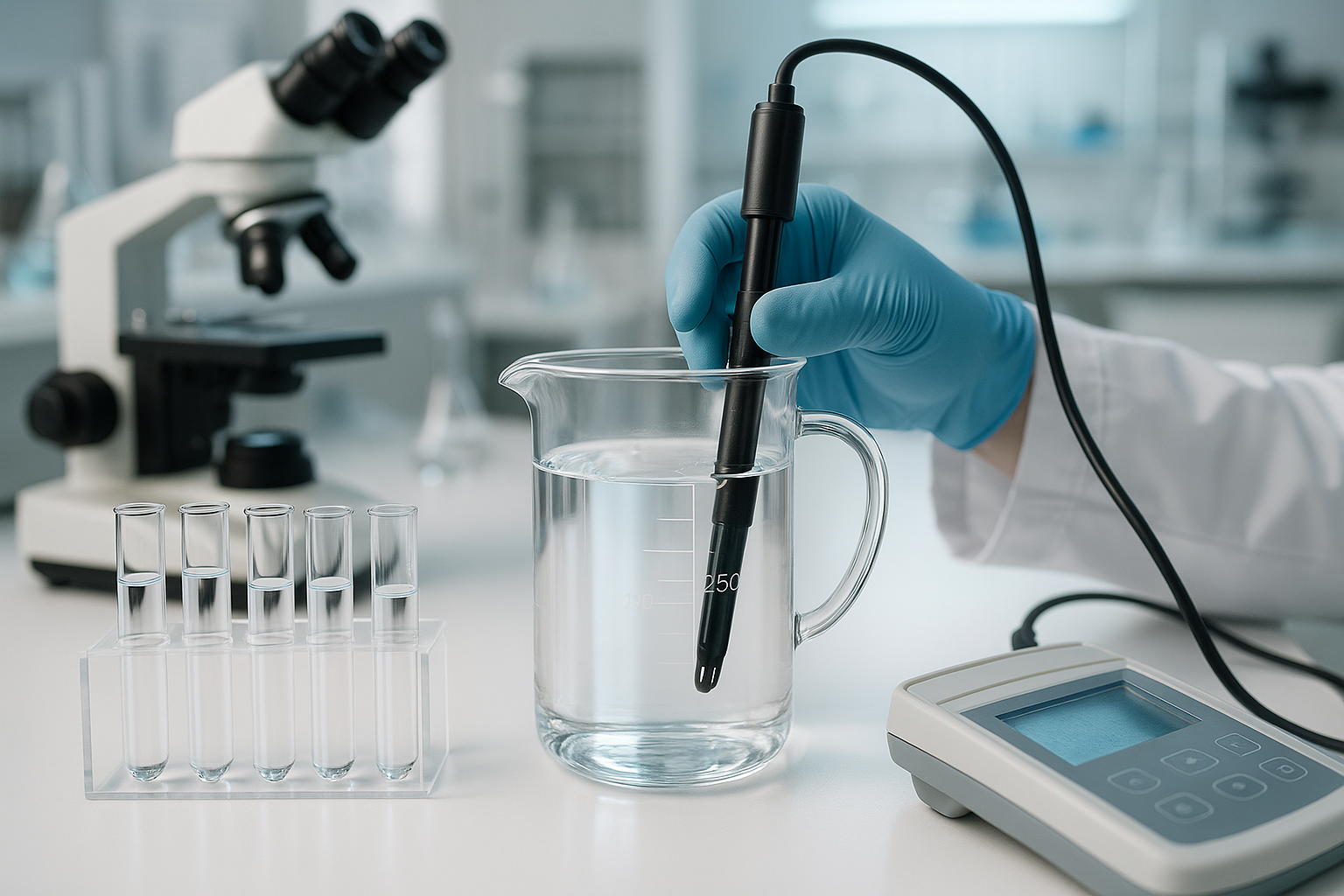
We use Hach and LaMotte professional water testing equipment for field analysis, with comprehensive lab testing through certified California laboratories.
Frequently Asked Questions
How often should well water be tested?
At minimum, test annually for bacteria and nitrates. Comprehensive testing every 3-5 years. More often if you have young children, health concerns, or notice any changes.
What should I test my well water for?
Essential: bacteria and nitrates. Recommended: pH, hardness, iron, TDS. Additional tests based on local concerns (arsenic, lead, pesticides).
Is annual well water testing required by law?
Not in most areas for existing private wells. However, testing is required when selling a home and for new well construction. Annual testing is strongly recommended regardless.
Can I test my own well water at home?
Home test kits can provide screening results, but certified lab testing is needed for accurate, reliable results—especially for real estate or health concerns.
What if my well water test fails?
Don't panic. Re-test to confirm (false positives happen). If confirmed, identify the source. Solutions range from shock chlorination (bacteria) to treatment systems or well repair.
Need Your Well Water Tested?
We offer water testing and can help you understand results and solutions if problems are found.
Related Articles
Continue learning about well maintenance and troubleshooting