How to Identify Common Well Problems Early

Warning signs every well owner should know. Catch problems before they become emergencies.
📋 In This Guide
See our well diagnostic services.
(760) 440-8520Understanding Your System's Normal Behavior
The key to early problem detection is knowing what normal looks and sounds like for your specific system. Spend time observing your well equipment: How long does the pump typically run during a shower? What does normal pump operation sound like? How often does it cycle during a typical day? What's your usual pressure range? How does your water normally look, smell, and taste? This baseline knowledge lets you recognize when something changes. Most well problems develop gradually—subtle changes in sound, pressure, or water quality often precede major failures by weeks or months. SCWS recommends homeowners check their well equipment monthly, noting any changes from normal operation. Written logs are invaluable for tracking gradual changes you might otherwise not notice.
Pressure and Flow Warning Signs
Pressure changes are among the earliest indicators of well problems. Gradually declining pressure may indicate pump wear, dropping water levels, or developing pipe restrictions. Fluctuating pressure (good sometimes, poor others) suggests intermittent issues like a sticking pressure switch or temperature-related problems. Pressure that's normal for one fixture but poor elsewhere points to plumbing issues rather than well problems. Flow changes matter too—even with adequate pressure, reduced flow indicates restrictions from mineral buildup, clogged screens, or pipe problems. Compare your current performance to how the system operated when new or recently serviced. Any significant decline justifies investigation before complete failure occurs.
Water Quality Red Flags
Changes in water appearance, taste, or smell signal potential contamination or system problems requiring prompt attention. Rotten egg odor (hydrogen sulfide) indicates bacterial activity in the well or aquifer—while not usually harmful, it's unpleasant and may indicate other contamination. Metallic taste suggests elevated iron, manganese, or corroding pipes. Musty or earthy odors may indicate surface water infiltration or organic contamination. Cloudiness that clears after running water could be air entrainment from pump problems; cloudiness that persists suggests sediment or bacterial issues. Any sudden change after storms, earthquakes, or nearby land disturbance warrants water testing. Don't normalize water quality problems—they often indicate fixable issues or developing failures.
Electrical and Mechanical Warning Signs
Your well system contains motors, switches, and electrical components that show specific warning signs before failure. Breakers tripping repeatedly indicate electrical overload—the motor may be failing or have wiring problems. Scorched or melted spots on the pressure switch suggest overheating from bad contacts. Higher electricity bills without increased water use may mean the pump is working harder due to wear. Visible rust or corrosion on equipment accelerates failure. Leaks around fittings, even small weeps, indicate seal failures that will worsen. Check your well equipment monthly for visible deterioration. Feel the pump motor and pressure switch during operation—excessive heat (too hot to touch comfortably) indicates problems. These physical inspections catch issues while they're still minor repairs.
Creating a Monitoring Routine
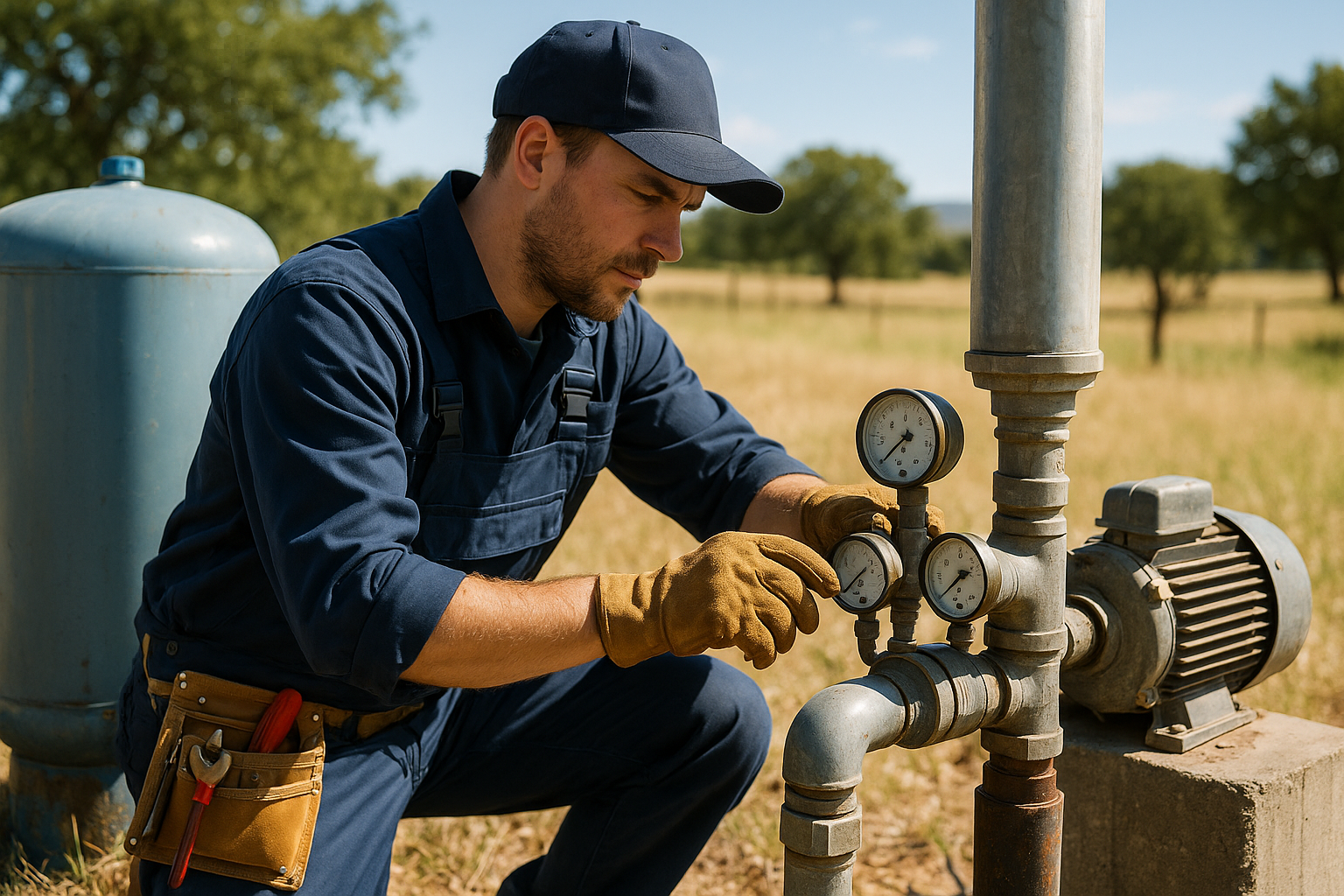
Establish a simple monthly inspection routine to catch problems early. Check the pressure gauge during pump operation—note cut-in and cut-out pressures. Listen to the pump while running—note any unusual sounds. Check the pressure tank air charge twice yearly (with tank drained). Inspect visible pipes and fittings for leaks or corrosion. Look around the wellhead for signs of surface water pooling or erosion. Test water quality annually through a certified lab. Document your observations in a simple log—date, pressure readings, any concerns. This 15-minute monthly routine catches most developing problems while they're still inexpensive fixes. Southern California Well Service can incorporate your observations into comprehensive annual inspections, providing professional assessment of your well system's health and recommendations for preventive maintenance.
We service all major pump brands including Franklin Electric, Grundfos, Goulds (Xylem), and Sta-Rite (Pentair). Our trucks carry common parts and components for same-day repairs.
Frequently Asked Questions
What are the most common warning signs of well problems?
Key warning signs include: changes in water pressure or flow rate, pump running more frequently or for longer periods, air spurting from faucets, unusual noises from the pump or tank, changes in water clarity (cloudiness, sediment, discoloration), new odors (rotten egg smell, chlorine-like, musty), increased electricity bills (overworking pump), and visible leaks around the wellhead. Any of these warrant investigation—catching problems early prevents expensive emergency repairs and protects your water supply.
Why is my well water suddenly cloudy or discolored?
Sudden cloudiness or discoloration indicates changing well conditions. Brown or rusty water suggests iron bacteria growth, corroding pipes, or sediment disturbance from a dropping water table. White cloudiness may be air entrainment from a failing pump or low water level. Black specks could be degrading pipe materials or manganese. Sudden changes after earthquakes, heavy rain, or nearby construction suggest aquifer disruption. Don't dismiss water quality changes—they often signal developing problems requiring attention before they worsen.
What does it mean when my pump cycles on and off rapidly?
Rapid cycling (short-cycling) means the pump starts every few seconds or minutes instead of running for sustained periods. This is almost always caused by a waterlogged pressure tank—the air cushion that should absorb pressure changes has been lost. Without this cushion, even small water draws cause immediate pressure drops, triggering the pump. Short-cycling dramatically shortens pump life through excessive motor starts. This is an urgent repair need, typically requiring tank air recharge or tank replacement if the bladder has failed.
When should I be concerned about well pump noise?
New or changed pump sounds always warrant attention. Normal pumps produce steady humming while running. Concerning sounds include: grinding (bearing failure or debris in pump), screeching (dry bearings or seal failure), clicking or chattering (relay or contactor problems), loud vibration (loose components or cavitation), and complete silence when it should be running (motor failure or power issue). Changes from your pump's normal sound indicate developing problems—don't wait until it fails completely to investigate.
How do I know if my well is running dry?
Signs your well may be running low include: air spurting from faucets (pump drawing air), pump running longer to build pressure, pressure dropping faster during use than before, sediment appearing in water (disturbed bottom materials), and pressure that's fine in the morning but poor by evening (depletion during daily use). In severe cases, the pump may shut off on thermal overload from running dry. Check your water level or have it professionally measured. Low water may be temporary (drought) or indicate declining aquifer requiring long-term solutions.
Get Expert Help
Contact Southern California Well Service for professional assistance.
Call (760) 440-8520Serving San Diego, Riverside & San Bernardino Counties
Related Articles
Continue learning about well maintenance and troubleshooting