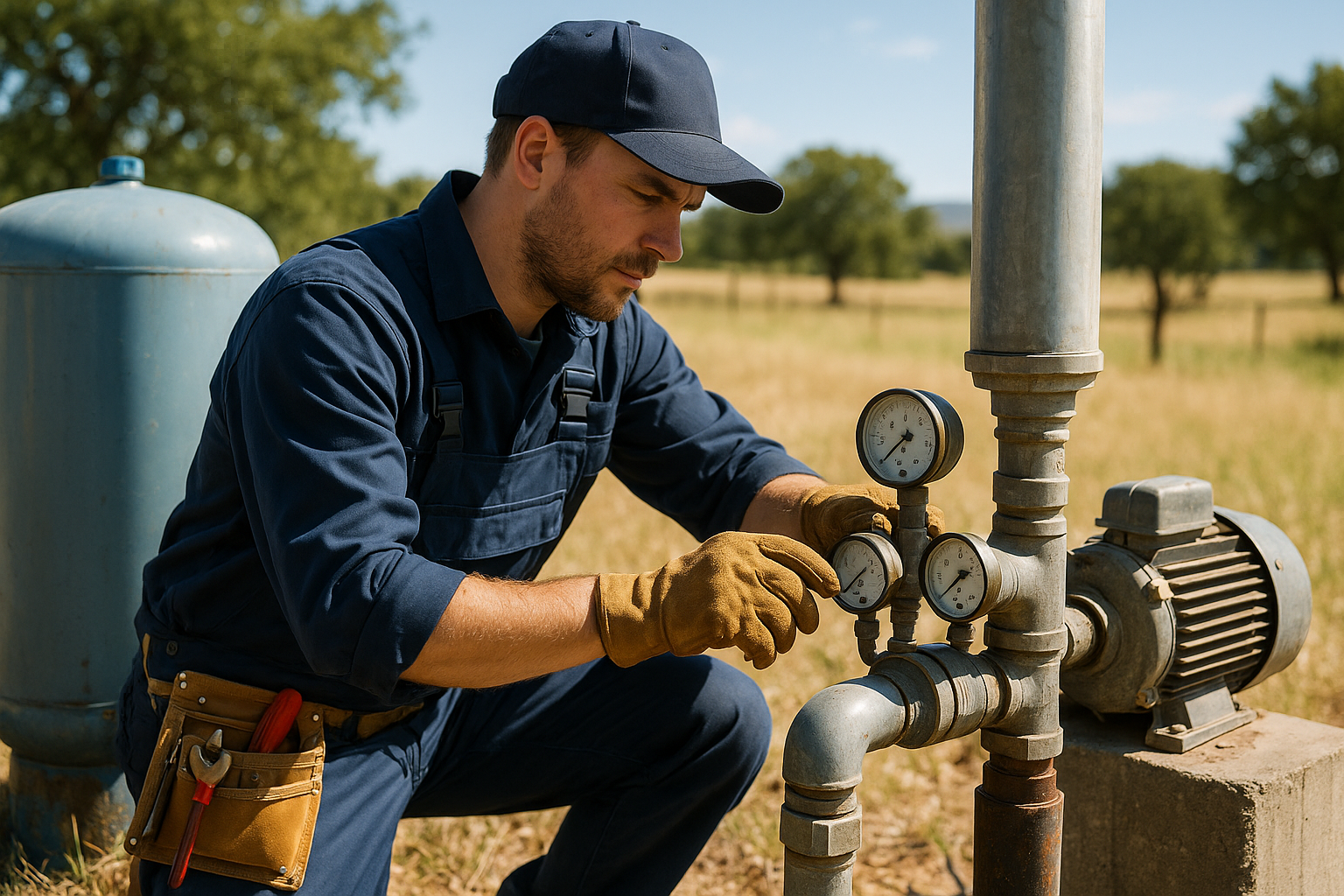
How to Prime a Well Pump: Step-by-Step Guide
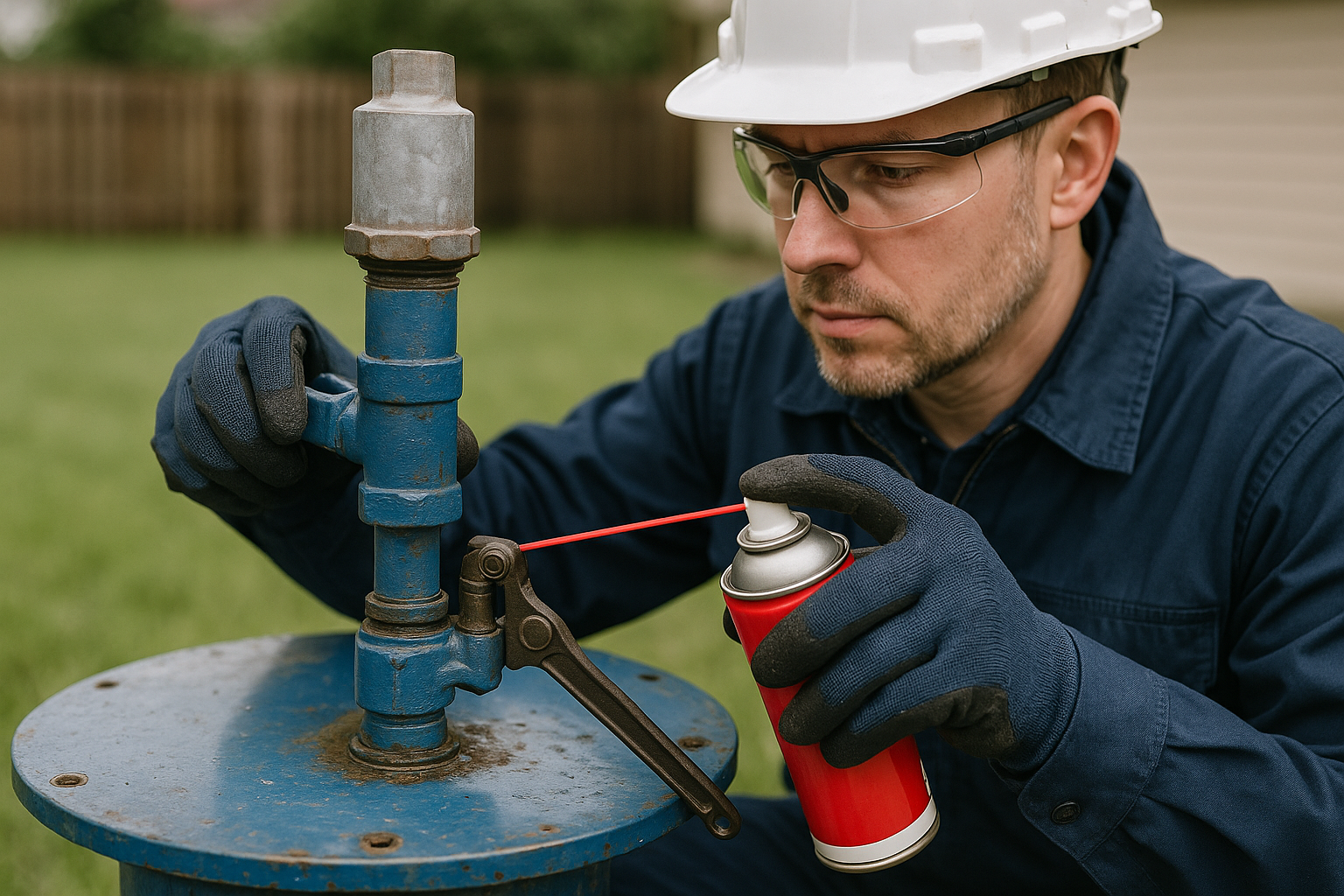
Learn to prime your well pump correctly. When priming is needed and troubleshooting tips.
📋 In This Guide
See our pump priming services.
(760) 440-8520Understanding When Priming Is Necessary
Priming your well pump becomes necessary whenever air enters the pump housing, displacing the water needed for proper operation. This most commonly occurs after extended power outages when check valves may leak down, after any pump maintenance or repair work, when the well water level drops below the pump intake, or due to air leaks in suction line fittings. Jet pumps (both shallow and deep well configurations) are particularly susceptible to losing prime. Submersible pumps rarely need priming since they operate underwater, but if you've replaced one or drained the system, priming the pressure tank and lines may still be necessary. Understanding why your pump lost prime helps prevent future occurrences.
Step-by-Step Priming Instructions
These instructions apply to jet pumps (above-ground pumps). Submersible pumps don't typically need priming since they sit underwater — but if you've drained your system completely, you may need to prime the pressure tank and lines, which we cover below.
What You'll Need
- 1-2 gallons of clean water (have a 5-gallon bucket ready just in case)
- A funnel that fits the priming port
- A wrench for the priming plug (usually 9/16" or adjustable)
- A flashlight
- Teflon tape (for resealing the priming plug)
Step 1: Kill the Power
Turn off the circuit breaker that feeds the pump. Do not skip this step. Well pumps run on 230 volts — enough to cause serious injury. Verify power is off by checking that the pressure switch doesn't click when you tap it, or use a voltage tester at the pump.
Step 2: Locate the Priming Port
Find the priming plug on top of the pump housing. It's usually a 3/4" or 1" hex plug, square plug, or wing nut. On some pumps, you'll use the pressure gauge port instead. Your pump manual will specify which — if you don't have the manual, look for the most accessible plug on top of the pump body (not on the plumbing).
Step 3: Remove the Plug and Check Water Level
Remove the priming plug carefully. Shine a flashlight inside — you should see the pump impeller or volute. If there's some water visible, good. If it's completely dry, that's fine too — you just need more water to prime.
Step 4: Fill with Water
Using a funnel, slowly pour clean water into the priming port. Fill until water reaches the top of the opening and stays there. This may take 1-2 gallons depending on the pump size and how much suction pipe needs to be filled. Go slowly — if you pour too fast, air can get trapped in pockets.
For deep well jet pumps with long suction lines, the suction pipe may hold 5+ gallons. You may need to fill, wait for water to settle, then fill again. Keep adding water until it stays at the top of the port without dropping.
Step 5: Replace the Plug and Restore Power
Replace the priming plug — hand-tight plus a quarter turn with a wrench is sufficient. Wrap with fresh Teflon tape if the old tape is damaged. Turn the breaker back on.
Step 6: Test
Open a faucet close to the pressure tank (ideally a hose bib or laundry faucet). Watch the pressure gauge. You should see pressure start climbing within 15-30 seconds. Water may sputter and spit at first as air clears — this is normal. If pressure builds steadily and water flows, you're done.
Step 7: If It Doesn't Work
If no water appears after 30 seconds, turn off the pump immediately — don't let it run dry. Repeat the process from Step 3, but this time let the water sit in the pump for 2-3 minutes before attempting to start. This gives water time to fill the impeller and volute completely. You can safely try 4-5 priming cycles. If it still won't prime after 5 attempts, there's likely a suction-side air leak, failed foot valve, or other issue that needs professional attention.
Need Professional Help?
Southern California Well Service provides expert pump repair and priming across San Diego, Riverside, and San Bernardino Counties. Licensed C-57 contractor (CSLB #1086994).
Learn about our pump repair services → | Call (760) 440-8520
Troubleshooting Priming Failures
If your pump won't hold prime despite multiple attempts, investigate these common causes. Check all suction line connections for air leaks—even tiny gaps prevent proper priming. Inspect the foot valve at the bottom of the suction pipe, as worn valves allow water to drain back into the well. Examine the pump's internal seals and impeller for wear. Verify your well actually has water by checking the static water level. If the well has low water due to drought or overuse, priming won't help—you need to wait for recovery. For deep well jet pumps, ensure both suction and pressure lines are properly connected to the correct ports. Persistent priming problems often indicate component failures requiring professional well pump service.
Safety Precautions During Priming
Always disconnect electrical power before removing any pump components. Water and electricity create lethal hazards—never work with wet hands near energized equipment. When handling the priming plug, be prepared for water to spray out if there's residual pressure in the system. Use only clean, potable water for priming to avoid introducing contaminants. If you smell sulfur or notice discolored water after priming, don't use the water until it's been tested. Never run the pump continuously trying to force a prime—this causes motor overheating and seal damage. If you're uncomfortable with any step, err on the side of caution and contact SCWS for professional priming service rather than risking equipment damage or personal injury.
When to Call a Professional
While priming is a basic maintenance task many homeowners can handle, certain situations demand professional expertise. Call Southern California Well Service if: priming repeatedly fails after following proper procedures, your pump makes grinding or screeching noises during priming attempts, you notice water leaking from the pump housing, the motor trips the breaker or feels extremely hot, you're unsure whether you have a jet pump or submersible system, or the well has been contaminated by flooding. SCWS technicians can diagnose whether the problem is a simple air leak, worn foot valve, failed pump seals, or a deeper issue like dropping water table. Professional diagnosis prevents throwing money at the wrong fix.
Frequently Asked Questions
Why does my well pump need priming?
Well pumps need priming because they cannot pump air—they require water to create the suction necessary to draw water from the well. If your pump loses its prime (the water inside that enables pumping), it will run but produce no water. This commonly happens after power outages, pump repairs, running the well dry, or air leaks in the suction line. Jet pumps are most commonly affected, while submersible pumps rarely need manual priming since they're always underwater.
How do I know if my pump has lost its prime?
Signs that your pump has lost its prime include: the pump runs continuously without delivering water, you hear the motor running but faucets produce nothing or just air, pressure gauge shows zero or won't build pressure, and the pump makes unusual humming or whining sounds. If your pump recently lost power, was serviced, or you ran faucets until the well went dry, loss of prime is the most likely culprit.
How much water do I need to prime a well pump?
You'll typically need 1-3 gallons of clean water to prime a jet pump, though shallow well pumps may require less. Have at least 5 gallons on hand to ensure success on the first attempt. Use clean, potable water—never use dirty or contaminated water as it can introduce bacteria into your well system. If priming repeatedly fails even with adequate water, this indicates a more serious problem requiring professional diagnosis.
Can I damage my pump by running it without prime?
Yes, running an unprimed pump causes serious damage. Pumps rely on the water they move for cooling and lubrication. Without water, the pump's seals overheat and fail, the impeller can warp from friction heat, and mechanical seals will burn out rapidly. Never let an unprimed pump run for more than 30-60 seconds. If it doesn't catch prime quickly, turn it off and investigate rather than risk destroying expensive pump components.
How long should priming take?
Priming a jet pump typically takes 5-15 minutes of active work, plus waiting time between attempts. After filling the pump housing with water, run the pump for no more than 30 seconds at a time. If it hasn't caught prime, wait 3-5 minutes for water to settle through the system, then repeat. Most pumps prime within 3-4 attempts. If unsuccessful after 30 minutes of trying, stop and call a professional—continued attempts may indicate air leaks or other problems.
Get Expert Help
Contact Southern California Well Service for professional assistance.
Call (760) 440-8520Serving San Diego, Riverside & San Bernardino Counties
Related Articles
Continue learning about well maintenance and troubleshooting