How to Winterize Your Well Pump System
Complete winterization guide for well owners. Protect pipes, pumps, and pressure tanks from freeze damage.
📋 In This Guide
See our winterization services.
(760) 440-8520Assessing Your Freeze Risk
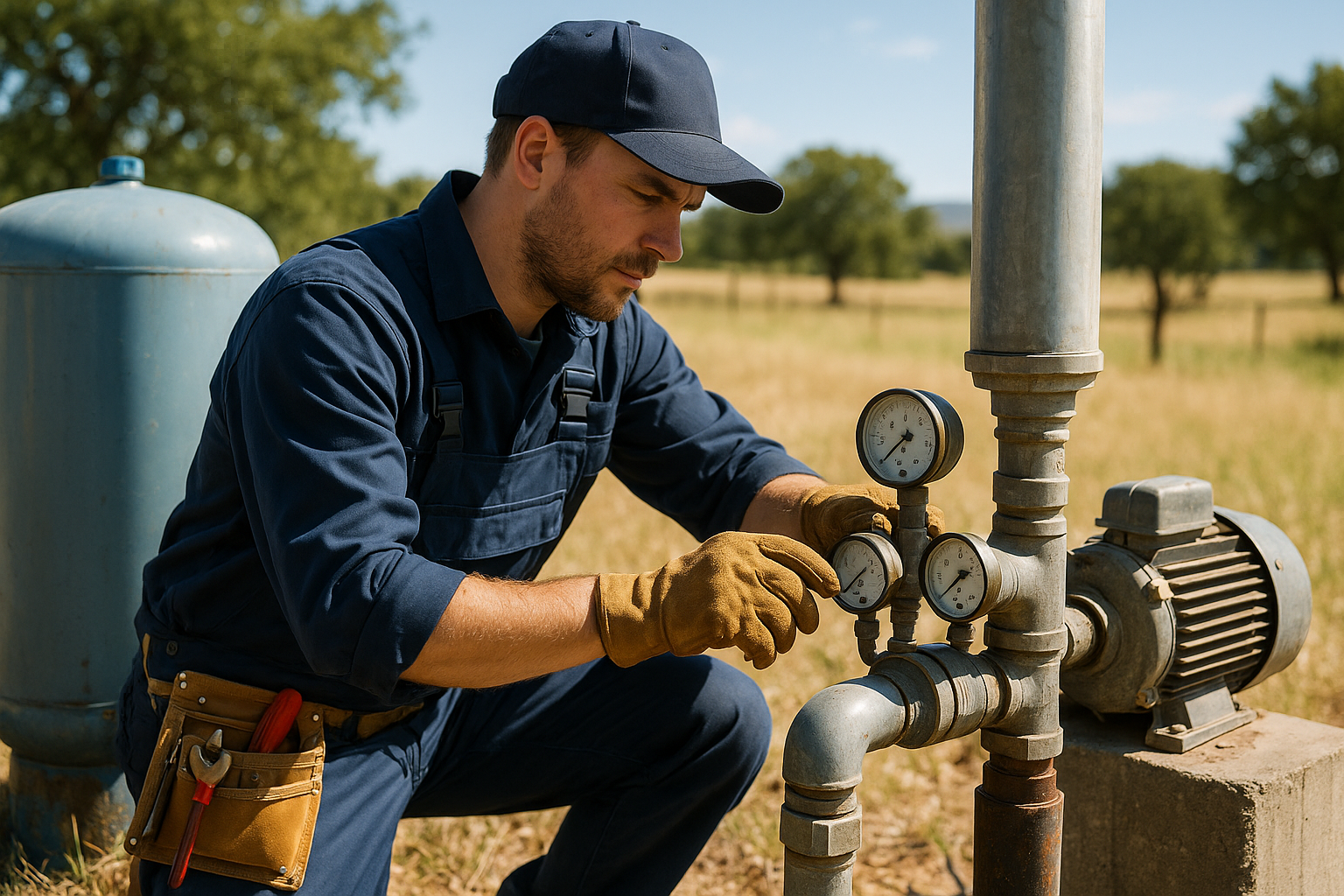
Begin winterization by understanding your property's specific vulnerabilities. Identify all above-ground well components: wellhead, piping runs, pressure tank location, any exposed valves or fittings. Note which direction they face—north-facing components receive less warming sunlight. Check for pipes in unheated areas like garages, crawlspaces, or pump houses without insulation. Research your area's climate history: mountain communities above 4,000 feet experience regular freezing, while inland valleys may face a few freeze nights annually. Even if you've never had freeze damage, changing weather patterns mean past experience may not predict future risk. SCWS serves many Southern California properties in freeze-prone areas and can advise on your specific location's requirements.
Insulating Above-Ground Components
Effective insulation is your first defense against freeze damage. Wrap all exposed pipes with foam pipe insulation—ensure complete coverage with no gaps at joints or fittings, as these are common failure points. Use insulation rated for your climate's coldest expected temperature. For the pressure tank, wrap with water heater insulation blankets or build an insulated enclosure. Cover the wellhead pipe above ground with insulation. Pay special attention to pipe penetrations through walls, as cold air infiltrates these gaps. Insulation alone protects against moderate freezing but isn't sufficient for extended hard freezes. In severe climates, combine insulation with heat tape for reliable protection.
Installing and Using Heat Tape
Electric heat tape provides active freeze protection when temperatures drop dangerously low. Self-regulating heat tape is recommended—it automatically increases heat output as temperature drops and reduces output when warm, preventing overheating and reducing electricity costs. Wrap heat tape around pipes according to manufacturer instructions, typically spiraling for extra protection on vulnerable fittings. Install on the outside of insulation for some applications, or under insulation for others—follow product specifications. Plug heat tape into a GFCI-protected outlet. Some homeowners use timer controls or smart plugs to activate heat tape only when forecasts warrant. Test heat tape functionality before winter—damaged tape won't protect your pipes when needed most.
Draining Systems for Extended Vacancy
If your property will be unoccupied during freezing weather, full drainage provides the most reliable protection—you can't freeze what isn't there. Turn off the pump and open the lowest drain valve on your pressure tank. Open all faucets, both hot and cold, starting from the highest level of the house and working down. Flush toilets and sponge remaining water from tanks and bowls. Drain the water heater. For submersible pump systems, the pump and underground piping remain water-filled but are protected by ground temperature. Above-ground components need complete drainage. Add non-toxic RV antifreeze to drain traps. Label the main shutoff clearly so anyone visiting knows the system is winterized and not to restore power without proper procedures.
Emergency Response to Frozen Components
If you discover frozen pipes or components, act carefully to minimize damage. Never use open flame to thaw pipes—this risks fire and can cause pipe damage from rapid thermal expansion. Use a hair dryer, heat lamp, or portable heater to warm frozen areas gradually. Apply heat starting from the faucet side and work toward the frozen section, allowing melting water to escape. If a pipe has already burst, shut off the pump immediately and turn off the main breaker to the well. Don't restore operation until repairs are complete. Call SCWS for emergency service if you discover burst pipes or pump damage from freezing. Document damage with photos for insurance purposes. After any freeze event, inspect your entire system for cracks or damage before resuming normal operation.
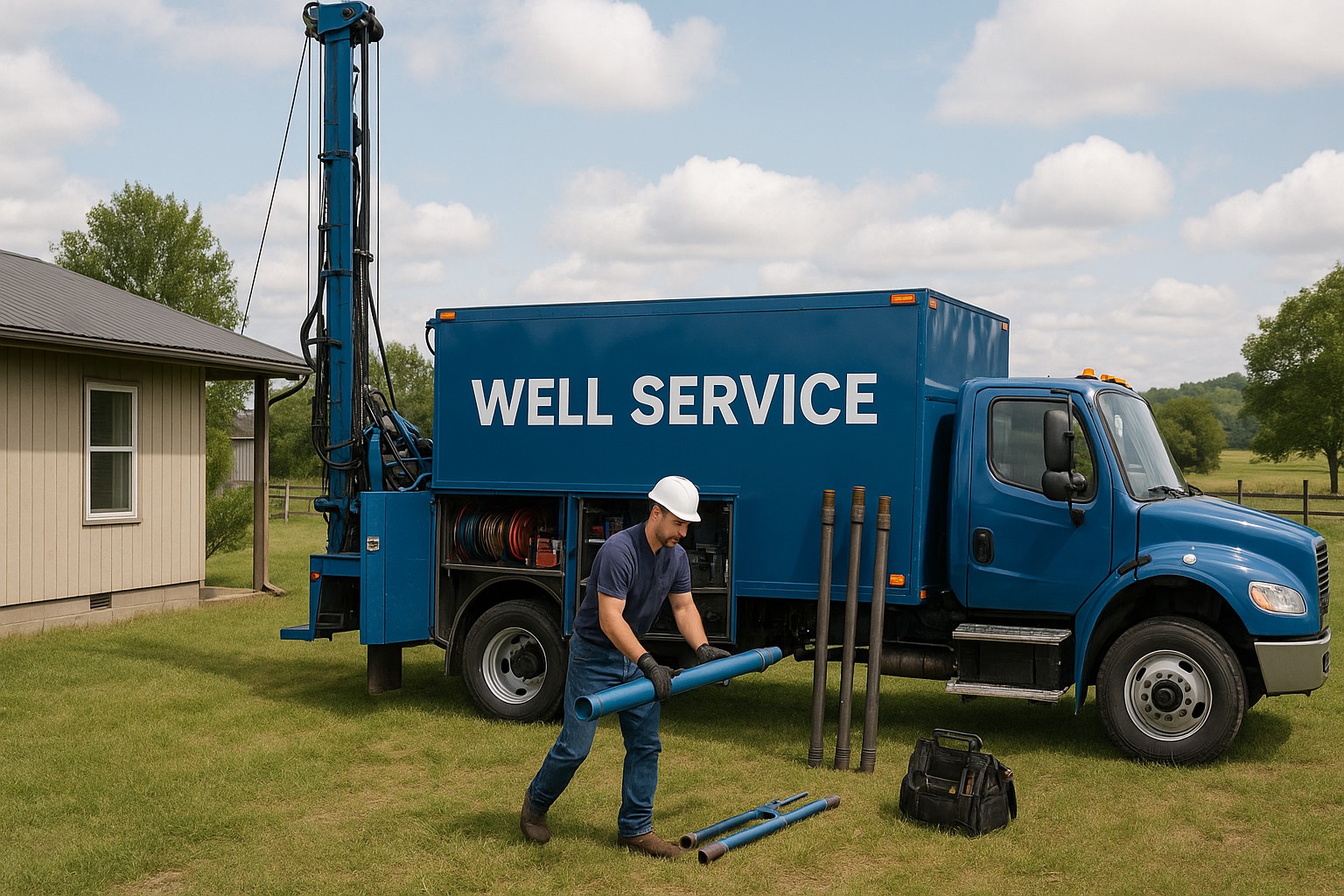
We service all major pump brands including Franklin Electric, Grundfos, Goulds (Xylem), and Sta-Rite (Pentair). Our trucks carry common parts and components for same-day repairs.
Frequently Asked Questions
Do I need to winterize my well if I live in Southern California?
Yes, many Southern California areas experience freezing temperatures, especially in mountain communities, high desert regions, and inland valleys. Properties in areas like Big Bear, Wrightwood, Frazier Park, Palmdale, and even parts of Riverside and San Bernardino counties regularly see temperatures below 32°F. Even coastal areas occasionally experience rare freeze events. If your well equipment is exposed above ground—pressure tanks, pipes, pressure switches—any sustained freeze can cause expensive damage. When in doubt, protect your system.
What parts of my well system are most vulnerable to freezing?
Above-ground components face the greatest risk: the pressure tank (if exposed), pipes between the wellhead and house, the pressure switch and gauge housing, any exposed pipe fittings, and hose bibs or outdoor faucets connected to the system. Below-ground components are generally safe—submersible pumps and pipes below the frost line don't freeze. However, pipes running through unheated spaces like crawlspaces or garages are also vulnerable. Focus winterization efforts on everything above ground and in unheated areas.
How do I insulate my pressure tank for winter?
Wrap the tank with insulation blankets designed for water heaters (R-10 or higher), or use rigid foam insulation cut to fit around the tank. Seal seams with foil tape. For extreme climates, build an insulated enclosure (pump house) around the tank. Electric heat tape wrapped around the tank and pipes provides active protection—look for self-regulating heat tape that adjusts output based on temperature. Don't cover the pressure switch or electrical components with insulation, as they need air circulation, but do protect the pipe connections above and below.
What temperature should I worry about freezing?
Take precautions when forecasts predict temperatures at or below 32°F for more than 4 consecutive hours. Pipes can withstand brief dips below freezing but prolonged cold causes ice formation and eventual bursting. Wind chill accelerates heat loss from exposed pipes, so factor wind into your assessment. Interior pipes freeze faster when homes are vacant, as normal household heat loss provides some protection. If you'll be away during cold weather, either thoroughly winterize or maintain minimal heating to protect your system.
Can I winterize my well system myself or do I need a professional?
Basic winterization—insulating pipes, installing heat tape, draining outdoor lines—is manageable for most homeowners. If you're unsure about proper drainage procedures, especially for vacation properties being fully winterized, professional help ensures nothing is missed. SCWS offers pre-winter system inspections and complete winterization services. For mountain or desert properties with significant freeze risk, professional winterization provides peace of mind and can catch vulnerabilities you might overlook.
Get Expert Help
Contact Southern California Well Service for professional assistance.
Call (760) 440-8520Serving San Diego, Riverside & San Bernardino Counties
Related Articles
Continue learning about well maintenance and troubleshooting