
Low Water Pressure Solutions in Liberty Station
Dealing with weak water pressure in Liberty Station? Low water pressure can make showers frustrating and appliances ineffective. Our team diagnoses the root cause and restores your water pressure fast.
📋 In This Guide
Need Low Water Pressure Solutions in Liberty Station?
We serve Liberty Station and all of San Diego County. Licensed C-57 contractor (CSLB #1086994), founded 2020.
Call: (760) 440-8520Our Low Water Pressure Solutions Services
- Pressure tank repair and replacement
- Pressure switch adjustment
- Pump upgrades for better pressure
- Constant pressure systems
- Booster pump installation
- Clogged pipe diagnosis
- Well yield testing
- Complete system evaluation
Why Liberty Station Chooses SCWS
✓ Local Expertise
We know San Diego County geology and wells
✓ Fast Response
Same-day service for Liberty Station
✓ Fair Pricing
Honest quotes, no surprises
✓ Quality Work
CSLB #1086994 · founded 2020
Our Locations
Related Articles
Continue learning about well maintenance and troubleshooting
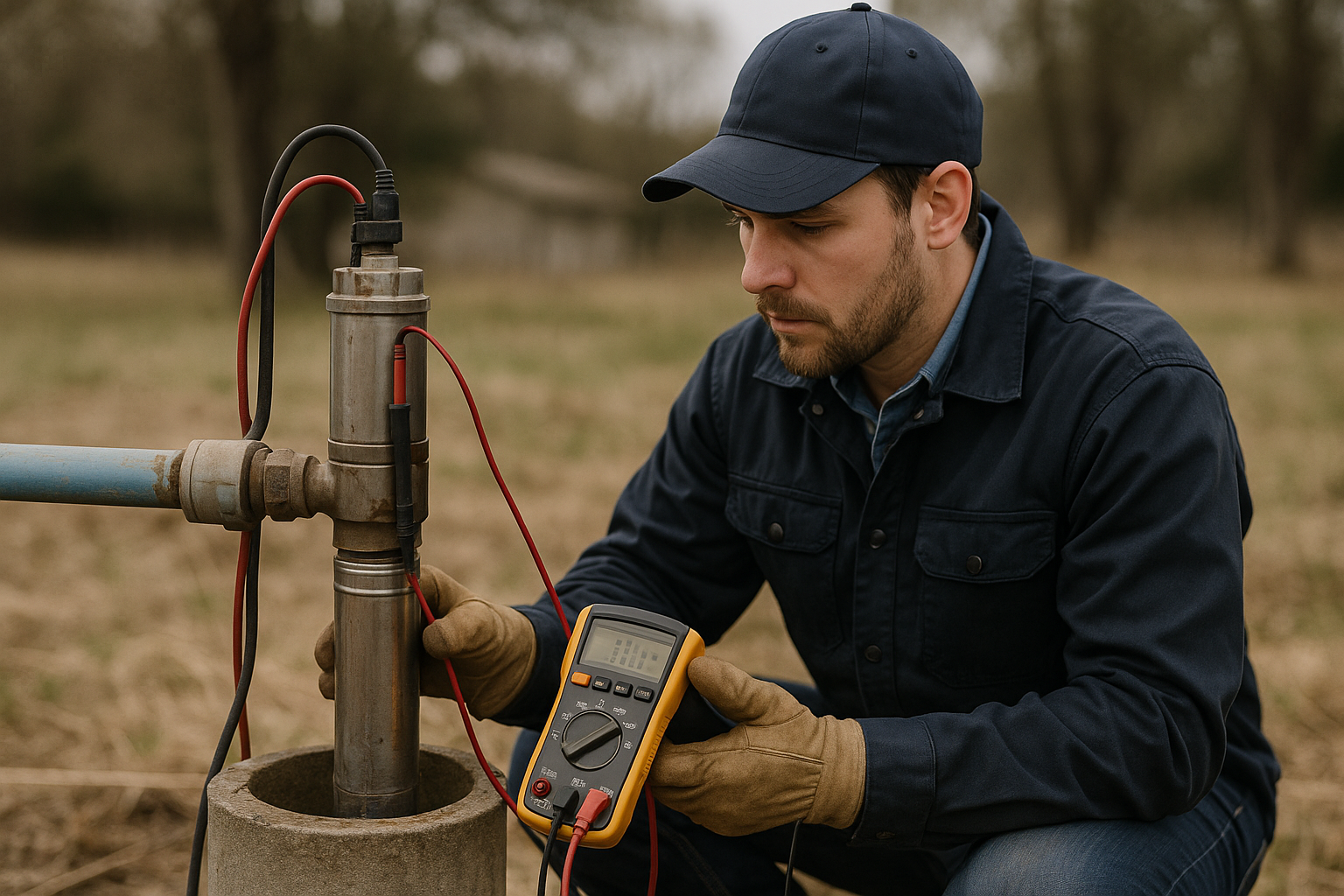
Low Water Pressure From Well: Complete Fix Guide
Diagnose and solve low pressure problems
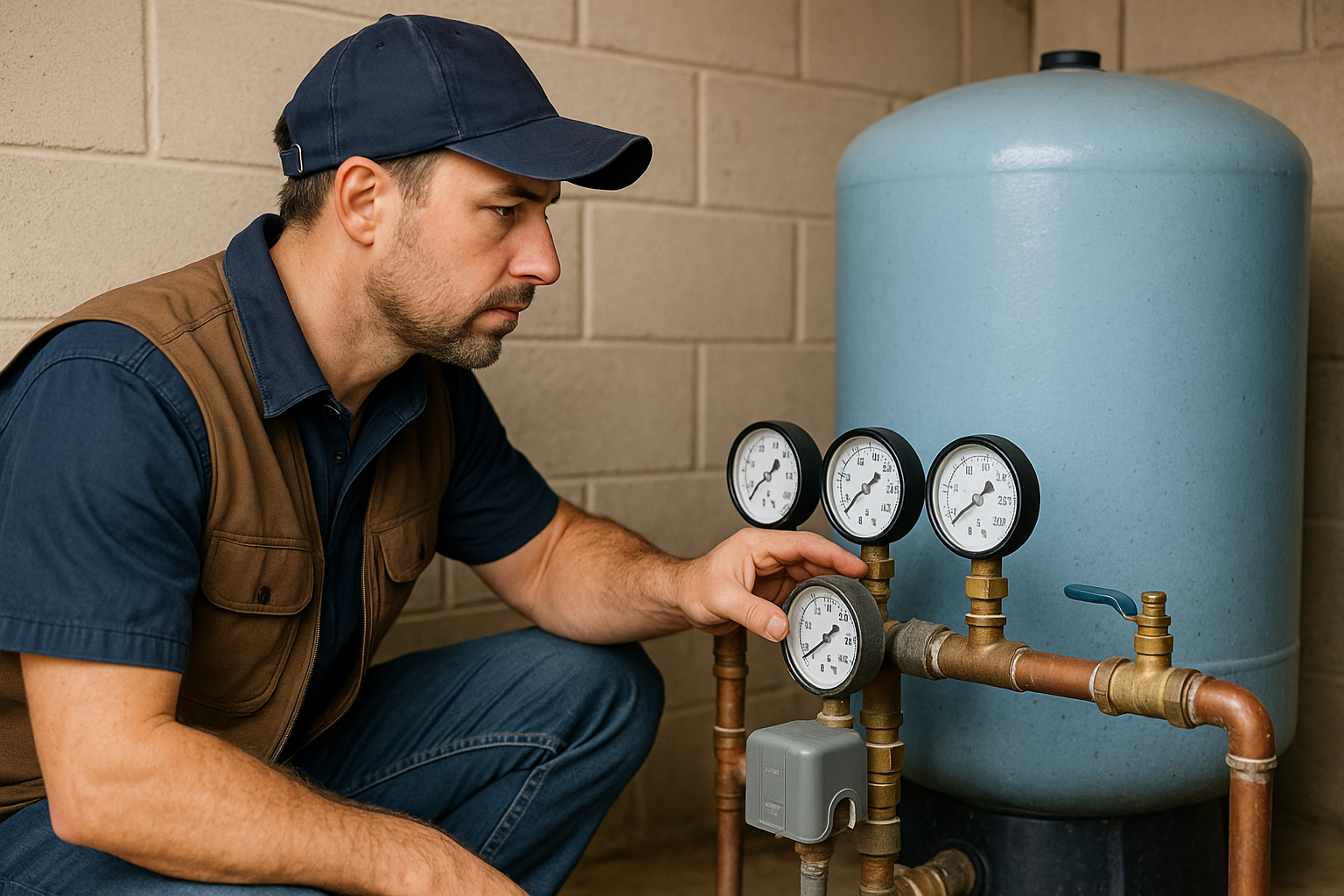
Well Pressure Switch: Settings, Adjustment & Replacement
Everything about pressure switches
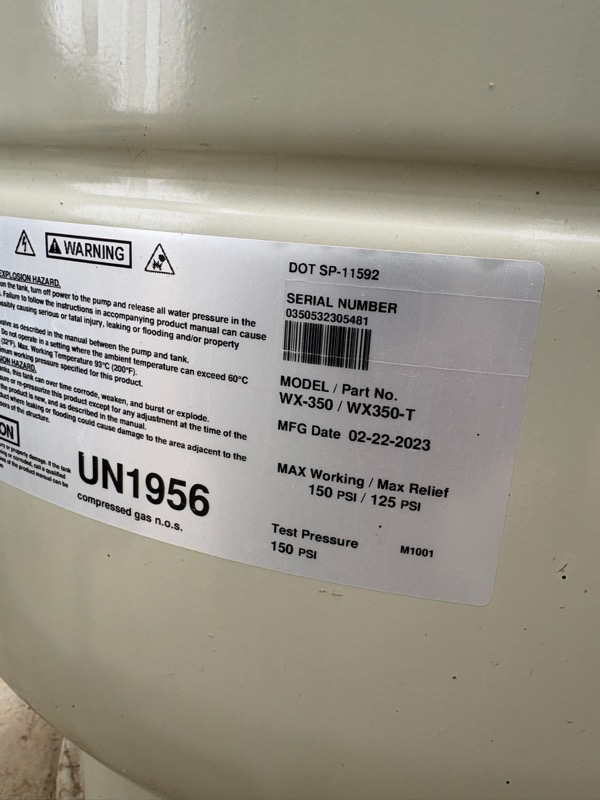
Pressure Tank Maintenance: Complete Guide
Keep your pressure tank working properly
Low Water Pressure Solutions for Liberty Station Homes
Liberty Station is one of San Diego's most distinctive neighborhoods: a master-planned, mixed-use community built on the grounds of the former Naval Training Center on the Point Loma peninsula, in San Diego County. Unlike the rural and semi-rural communities elsewhere in our service area, Liberty Station homes, townhomes, and condominiums are connected to the City of San Diego municipal water system rather than private wells. That means when you notice weak pressure here, the problem is almost never a failing well pump or a dry aquifer. It is usually something inside or just outside your home, and the good news is that those problems are typically faster and less expensive to fix than well-system repairs.
At Southern California Well Service, we have, since 2020, diagnosing water-delivery problems across San Diego County. While our roots are in wells, the physics of water pressure are the same whether the water arrives from an aquifer or a city main, and the diagnostic discipline carries over directly. This guide explains how pressure works in a city-water home, why Liberty Station residents sometimes see it drop, what you can check yourself, and when it makes sense to bring in a licensed professional.
How Water Pressure Works in a City-Water Home
In a municipal-supply neighborhood like Liberty Station, water arrives at your property under pressure created by the utility's distribution system and storage reservoirs. From the street main, it passes through your water meter, then through a service line into the house. Several components shape the pressure you actually feel at the tap:
- The pressure regulator (PRV): Most San Diego homes have a pressure-reducing valve near where the supply line enters the building. It steps incoming pressure down to a safe, consistent 50–70 PSI. When a PRV fails or drifts out of adjustment, it can choke flow to a trickle or, conversely, spike pressure high enough to damage fixtures.
- The main shutoff and meter valves: A partially closed valve—sometimes left that way after plumbing work—quietly restricts your whole-house flow.
- Service line and interior piping: Older copper or galvanized lines can narrow with scale and corrosion over decades, reducing volume even when pressure reads normal at the meter.
- Booster pumps: In some multi-story townhomes and condos, or in homes at the higher edges of the Point Loma slope, a small booster pump or a building-wide pressurization system maintains pressure on upper floors.
Because Liberty Station sits on relatively flat, low-elevation reclaimed land near San Diego Bay, gravity-related pressure swings are usually modest compared with hillside neighborhoods. That actually makes troubleshooting more straightforward: when pressure drops noticeably, the cause is usually a specific failed component rather than simple elevation.
Common Causes of Low Water Pressure in Liberty Station
Drawing on decades of San Diego County service calls, these are the causes we see most often in homes on city water:
- A failing pressure regulator. This is the single most common culprit in San Diego homes. PRVs typically last 7–12 years. When the internal diaphragm wears out, pressure can sag across the whole house, often gradually enough that you adjust to it before realizing how weak it has become.
- Clogged fixtures and aerators. If only one faucet or showerhead is weak, mineral scale in the aerator or cartridge is the usual reason. San Diego's water is moderately hard, so scale builds steadily.
- Corroded or undersized galvanized piping. Some of the original-era and remodeled structures in the broader Point Loma area still have legacy galvanized lines that constrict internally over time.
- A partially closed valve. After a repair, irrigation install, or water-heater replacement, a shutoff is occasionally left only partly open.
- Hidden leaks. A slab or wall leak diverts water and drops pressure at your fixtures while running up your bill.
- Water heater sediment. If your hot water is weak but cold is fine, sediment in the heater tank or a failing internal nipple is often to blame.
- Utility-side or temporary events. Main breaks, hydrant flushing, or maintenance in the distribution system can lower pressure neighborhood-wide for short periods.
What to Check Yourself First
Before calling anyone, a few quick checks can save you a service fee or help you describe the problem precisely:
- Is it the whole house or one fixture? Test cold water at several taps. One weak fixture points to an aerator or cartridge; weak everywhere points to the regulator, main valve, or service line.
- Is it hot, cold, or both? Hot-only weakness usually means the water heater. Both means a whole-house cause.
- Check your main shutoff and meter valve. Make sure both are fully open. This is a free, two-minute fix that solves a surprising number of calls.
- Test pressure with a gauge. A $12 hose-bib gauge from any hardware store tells you a lot. Thread it onto an outdoor spigot. Healthy readings are 50–70 PSI. Below 40 PSI suggests a regulator or supply problem; a reading that climbs above 80 PSI means the PRV is failing in the other direction.
- Clean your aerators. Unscrew the tip of a weak faucet, rinse out the screen, and reassemble. For showerheads, soak in vinegar to dissolve scale.
- Look for leaks. Watch your meter with all water off. If the dial moves, you have a leak somewhere on your side of the meter.
When to Call a Professional
Some problems are squarely DIY; others are not. Call a licensed professional when whole-house pressure is low despite open valves, when a gauge reads under 40 PSI or over 80 PSI, when you suspect a hidden leak, when hot-water pressure alone has collapsed, or when an upper-floor unit needs consistent pressure that the building cannot supply. Pressure regulators, service-line repairs, and booster-pump installations involve code-compliant connections and, in some cases, coordination with the City of San Diego—work better handled by an experienced contractor than by trial and error.
Southern California Well Service is a licensed C-57 contractor (License #1086994) (CSLB #1086994), founded in 2020, with 60+ years of family heritage across San Diego County. We bring diagnostic gauges and the right parts to the first visit, and we offer same-day response for true emergencies like a sudden total loss of water.
Realistic Cost Ranges
Pricing depends on what we find, but here are honest 2026 ranges so you can plan. Our diagnostic visit is $125, credited toward any repair you approve:
- Pressure regulator (PRV) replacement: $150–$350 for the valve and labor in most single-family Liberty Station homes.
- Pressure switch (if a booster system is involved): $150–$350.
- Sediment filtration: $300–$900 depending on capacity.
- Booster pump or constant-pressure system: $2,000–$4,500 for multi-story units or homes needing upper-floor support.
- Aerator and fixture cleaning: often handled within the diagnostic visit.
We quote in writing before any work begins, and we prioritize the least invasive fix that actually solves your problem. There is no upselling and no surprise add-ons.
Serving Liberty Station and Greater San Diego
From our offices in Ramona and Anza, our technicians cover Liberty Station and the surrounding Point Loma communities—including Loma Portal, Roseville, and the broader San Diego County coast. Whether you own a single-family home near the NTC park, a townhome along the promenade, or a condo overlooking the bay, we can diagnose your low-pressure issue and get your water flowing the way it should. Call (760) 440-8520 or text (760) 219-5877 to schedule.
Frequently Asked Questions
Is Liberty Station on well water or city water?
Liberty Station is served by the City of San Diego municipal water system, not private wells. So low-pressure problems here almost always trace to a pressure regulator, interior plumbing, a valve, or a fixture rather than a well or aquifer.
What is normal water pressure for a Liberty Station home?
Most homes should sit between 50 and 70 PSI. Below about 40 PSI feels weak; above 80 PSI is high enough to stress fixtures and appliances and usually signals a failing pressure regulator.
Why is only my hot water pressure low?
Hot-only weakness usually points to the water heater—sediment in the tank or a corroded internal fitting. Cold pressure staying normal rules out a whole-house cause.
Could low pressure mean I have a leak?
Yes. Turn off all water and watch your meter; if it still moves, water is escaping somewhere on your side. Hidden slab or wall leaks lower pressure and raise your bill, so they are worth finding quickly.
Do you install booster pumps for condos and townhomes?
We do. For multi-story units or homes that struggle to keep pressure on upper floors, a properly sized booster or constant-pressure system delivers steady flow throughout the home.
How fast can you come out?
We offer same-day service for emergencies such as a sudden total loss of water, and prompt scheduling for routine low-pressure diagnostics. Call (760) 440-8520 to set a time.
Restore Your Water Pressure in Liberty Station
Licensed C-57 contractor with founded in 2020, with 60+ years of family heritage. Same-day emergency service available.
Call (760) 440-8520