Low Well Yield: Causes and Improvement Methods
Increase water production from underperforming wells. Rehabilitation techniques and options.
📋 In This Guide
See our well yield services.
(760) 440-8520Understanding Well Yield and Production Decline
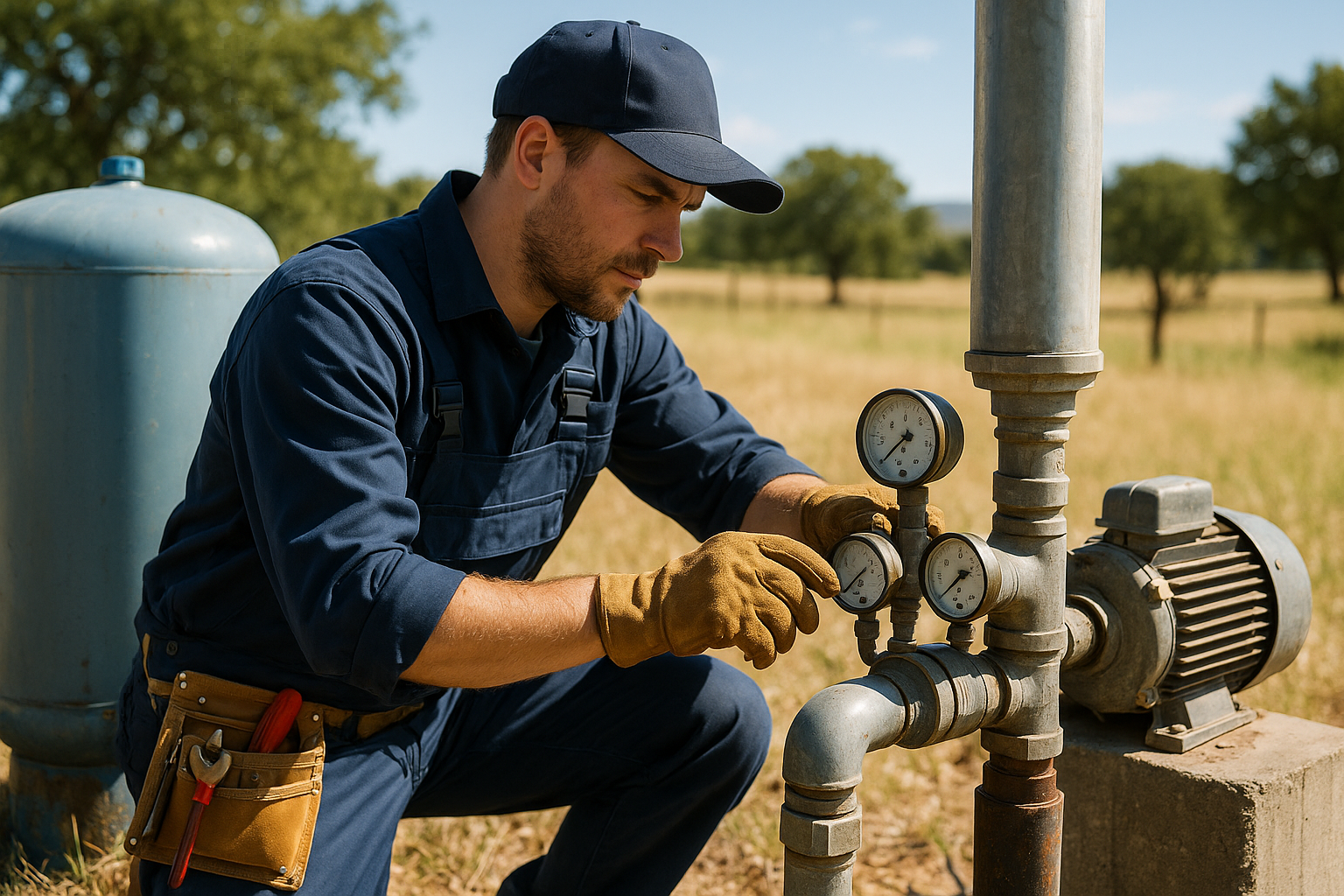
Well yield—the sustainable rate at which a well produces water—depends on both well construction and aquifer characteristics. Your pump's flow rate isn't the same as well yield; the pump can only deliver what the aquifer and well allow. When yield drops, you'll notice longer pump run times, reduced pressure, or inability to meet household demand during peak use. Understanding whether decline stems from well problems (clogged screens, pump wear) or aquifer changes (dropping water table, regional depletion) guides solution selection. Well problems are often repairable; aquifer depletion requires different strategies. Professional yield testing establishes current performance and guides realistic expectations for improvement. Don't assume you need a new well until evaluation identifies the actual limitation.
Diagnostic Testing for Low-Yield Wells
Accurate diagnosis saves money by targeting actual problems. A professional yield test measures flow rate while monitoring water level drawdown, establishing specific capacity—the most meaningful performance metric. Comparing current specific capacity to historical data reveals decline magnitude. Water quality testing identifies mineral or bacterial conditions that cause clogging. Video inspection shows screen condition, casing integrity, and visible obstructions. Static water level measurement compared to regional data indicates whether your aquifer has dropped. Pump efficiency testing determines if the pump is the limitation rather than the well. This comprehensive evaluation, costing a few hundred dollars, prevents spending thousands on ineffective rehabilitation or premature well replacement.
Rehabilitation Methods for Improved Yield
Multiple rehabilitation techniques address different causes. Chemical treatment dissolves mineral deposits throughout the well and surrounding formation—acids break down scale while surfactants disperse organic buildup. Mechanical cleaning scrubs screens and agitates formations to loosen fine sediments. Hydrofracturing, appropriate for bedrock wells, uses hydraulic pressure to open rock fractures, dramatically increasing water pathways to the well. Airlift development surges air and water through the well, removing accumulated debris. Well deepening adds screen in lower formations when upper zones are depleted. Screen replacement repairs deteriorated or improperly sized original screens. Often, combined approaches achieve best results—chemical treatment loosens material, followed by mechanical removal and redevelopment.
Realistic Expectations and Success Rates
Rehabilitation success varies by cause and condition. Wells suffering from clogging typically respond well—cleaning can restore 70-90% of original capacity. Hydrofracturing succeeds in 70-90% of appropriate candidates, often doubling or tripling yield. However, rehabilitation cannot create water that doesn't exist in the aquifer. Wells in depleted formations may show minimal improvement regardless of rehabilitation efforts. Age matters too; very old wells with deteriorated casings and screens may respond poorly. Your well professional should provide realistic projections based on diagnostic findings, not optimistic promises. Sometimes the honest assessment is that a new well offers better long-term value than extensive rehabilitation of a fundamentally limited well.
When to Consider New Well Construction
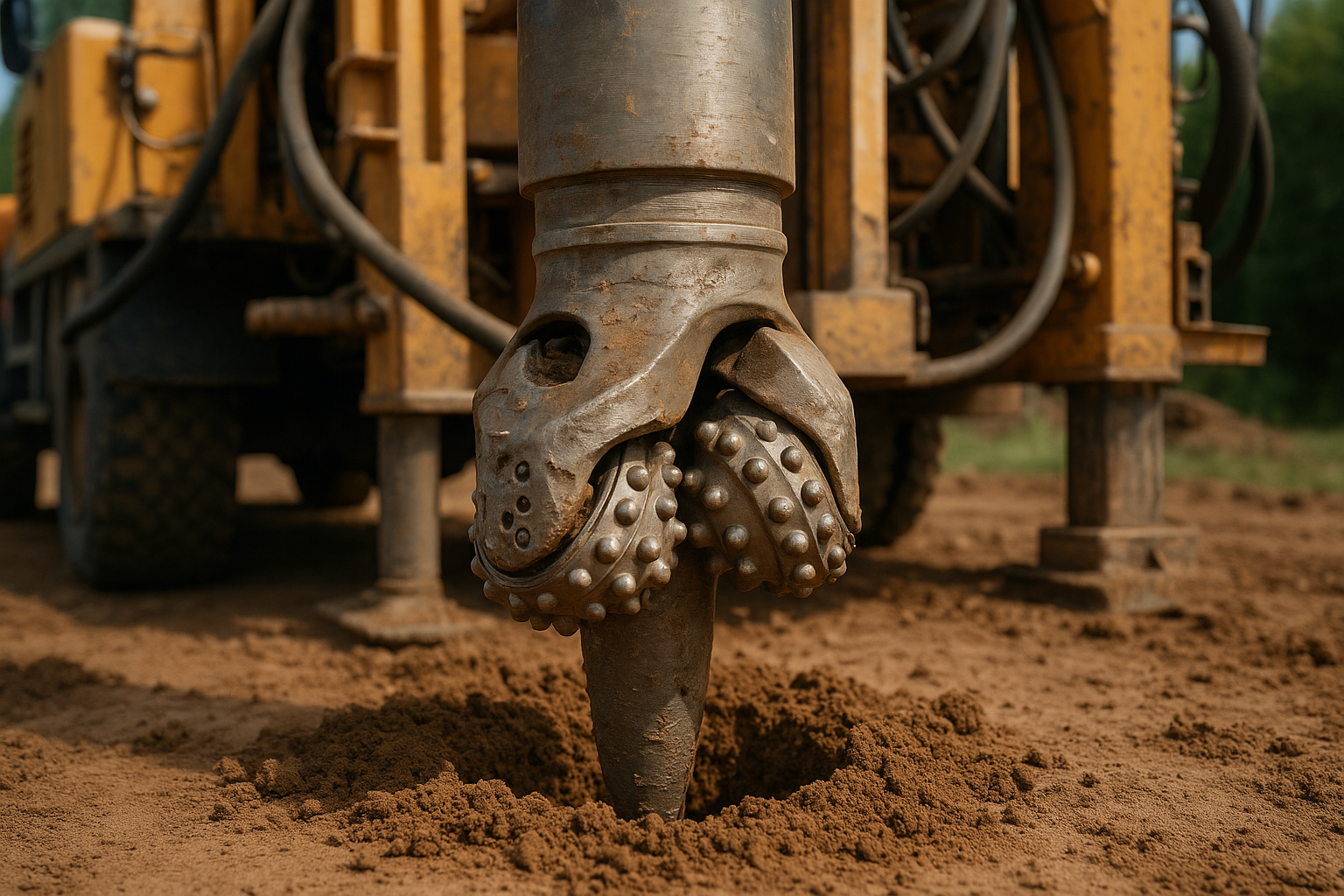
Despite preferring rehabilitation's lower cost, sometimes new well drilling makes more sense. Consider a new well when: rehabilitation costs approach 50% or more of new well costs, the aquifer is genuinely depleted at your location, casing is severely corroded beyond economic repair, water quality problems can't be resolved, or hydrogeological assessment suggests better water at a different location. New wells offer opportunities for modern construction methods, proper sizing, and potentially better aquifer access. In areas with declining water tables, deeper new wells may provide decades of reliable service where rehabilitating shallow wells offers only temporary improvement. Southern California Well Service provides honest assessments of rehabilitation potential versus new construction benefits. Call (760) 440-8520 for a comprehensive evaluation of your low-yield well options.
We service all major pump brands including Franklin Electric, Grundfos, Goulds (Xylem), and Sta-Rite (Pentair). Our trucks carry common parts and components for same-day repairs.
Frequently Asked Questions
Why has my well yield decreased?
Well yield decreases from several causes: screen and formation clogging from minerals or bacteria, dropping regional water tables, pump inefficiency from wear, well age and deterioration, or seasonal fluctuations. In Southern California, drought conditions and increased regional pumping can lower aquifer levels. Sometimes yield was never properly developed during original construction. Accurate diagnosis requires professional testing to distinguish between well problems (fixable) and aquifer depletion (may require deeper drilling).
Can low well yield be improved?
Yes, many low-yield wells can be improved through rehabilitation. Well cleaning removes mineral and bacterial deposits restricting flow. Hydrofracturing creates new fractures in rock formations, opening additional water pathways. Deepening the well accesses lower aquifer zones. Acidizing dissolves mineral blockages in the formation itself. Screen replacement improves water entry. Results depend on the cause—if the aquifer itself is depleted, well rehabilitation won't create water that isn't there. Professional evaluation determines which methods suit your specific situation.
What is hydrofracturing and does it work?
Hydrofracturing injects high-pressure water into bedrock formations, opening existing fractures and creating new ones for water to flow through. It's particularly effective in fractured rock aquifers common in mountainous areas. Success rates range from 70-90% for appropriate candidates, with typical yield increases of 2-10 times original production. However, hydrofracturing doesn't help wells in sand/gravel aquifers or those with screen clogging. A professional assessment determines if your well geology makes hydrofracturing a good option.
How much does well rehabilitation cost compared to drilling new?
Well rehabilitation typically costs $2,000-$8,000 depending on methods required, compared to $15,000-$50,000+ for a new well. Cleaning and chemical treatment are least expensive; hydrofracturing and deepening cost more. Even if rehabilitation doesn't fully restore yield, it may provide adequate water at a fraction of new well costs. However, severely depleted wells or those with major structural problems may justify new drilling. A professional evaluation provides realistic expectations for rehabilitation outcomes and costs.
Should I drill deeper if my well yield is low?
Deepening can be effective if water-bearing zones exist below your current well depth. However, drilling deeper isn't guaranteed to find more water and can sometimes encounter poor-quality water or dry formations. Geological assessment and nearby well records help predict deeper conditions. Sometimes a new well at a different location is more likely to succeed than deepening the existing one. Consult a hydrogeologist or experienced well contractor before committing to deepening—they can evaluate local aquifer conditions and recommend the approach most likely to succeed.
Get Expert Help
Contact Southern California Well Service for professional assistance.
Call (760) 440-8520Serving San Diego, Riverside & San Bernardino Counties
Related Articles
Continue learning about well maintenance and troubleshooting