New Construction Well Planning: Site Selection to Completion
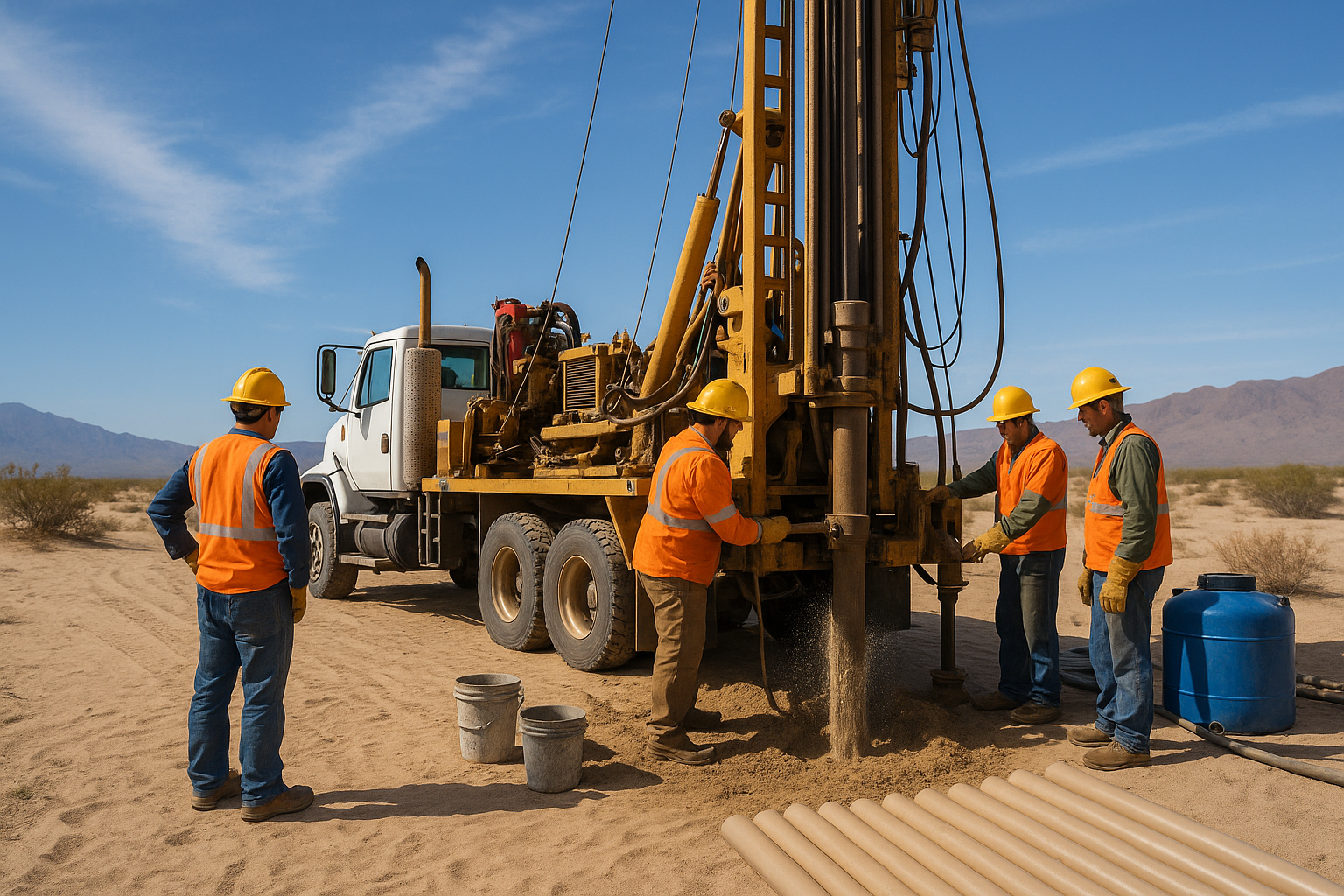
Planning a well for new construction. Timing, permits, and coordination with builders.
📋 In This Guide
Need help? Call us:
(760) 440-8520Planning Your New Construction Well
Well planning for new construction requires early attention to ensure adequate water supply before committing to building. Begin by researching area hydrogeology—neighboring well records available through California DWR provide information about typical depths and production in your area. Consult with experienced local drillers who understand formation characteristics on your property. Consider having a hydrogeological assessment for high-value projects where water supply is critical. Early planning allows time to address potential issues: if initial drilling is unsuccessful, you have options before construction traps you with inadequate supply. SCWS offers pre-construction consultations helping property owners understand likely well outcomes and plan appropriately.
Site Selection and Regulatory Requirements
Well location must satisfy both regulatory setbacks and practical considerations. California Well Standards and county ordinances establish minimum distances from potential contamination sources. San Diego County typically requires 100 feet minimum from septic tanks and leach fields, 50 feet from sewer lines, and varying distances from property lines and other wells. The well must be upslope from contamination sources where possible and located where surface drainage flows away from the wellhead. Beyond regulations, consider drilling equipment access—rigs require relatively flat areas with overhead clearance. Plan for future maintenance access as well. Work with your builder to ensure the well location doesn't conflict with planned structures, driveways, or utility routes. SCWS evaluates sites for optimal well placement meeting all requirements.
The Permitting Process
New well construction requires permits before any drilling begins. San Diego County Department of Environmental Health issues well permits after reviewing applications that include property location, proposed well specifications, setback certifications, and driller information. The review process typically takes 2-4 weeks. Fees range from $300-600 depending on permit type. For properties in groundwater management districts, additional approvals may be required—some basins have drilling restrictions or require extraction permits. Building permits for the home are separate processes, often with water supply requirements that must be demonstrated before final approval. SCWS navigates permit requirements routinely and can expedite the process by ensuring complete, accurate applications.
Coordinating with Home Construction
Successful well integration requires coordination throughout construction. Share the well permit and specifications with your builder, architect, and plumber early in design. The well location affects plumbing runs, pump house or enclosure placement, and electrical panel capacity. Establish construction sequence ensuring well completion and testing occur before phases requiring water—many jurisdictions require functioning water for framing or occupancy inspections. Protect the wellhead during construction from damage by equipment or materials storage. Coordinate pump installation timing with electrical service availability. Ensure the pressure tank location is determined before framing if located inside the home. SCWS works directly with builders to coordinate well system installation within construction schedules.
Addressing Production Challenges
Not all wells produce adequate water initially, requiring problem-solving before proceeding with construction. Low production may improve with development—running the well to clear drilling debris and establish flow paths. If production remains inadequate, options depend on specific circumstances. Drilling deeper may reach more productive zones, though costs increase and success isn't guaranteed. Hydrofracturing can improve production in some formations by creating additional fracture pathways. Storage systems combined with low-producing wells can accumulate water during low-use periods for availability during peak demand. For truly inadequate sites, drilling additional wells or reconsidering the project may be necessary. SCWS evaluates production issues and recommends cost-effective solutions, helping owners make informed decisions about whether to proceed and how to optimize their water supply.
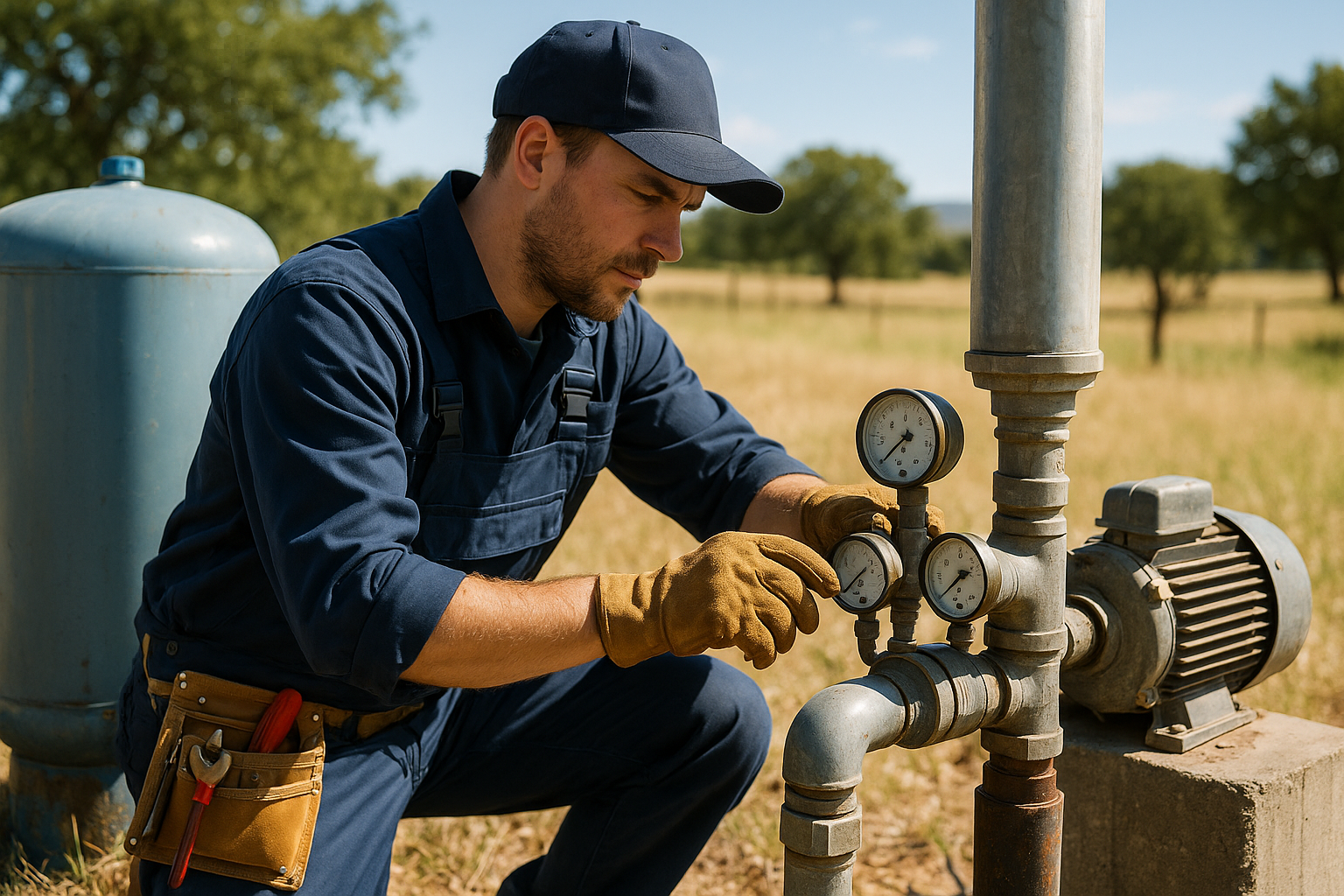
We service all major pump brands including Franklin Electric, Grundfos, Goulds (Xylem), and Sta-Rite (Pentair). Our trucks carry common parts and components for same-day repairs.
Frequently Asked Questions
When should I drill a well for new construction?
Ideally, drill before beginning construction to confirm adequate water supply and avoid complications. Many owners drill during the permit phase so production results inform home design decisions—low-producing wells might warrant water-saving fixtures or storage tanks. Drilling early also allows time to address problems like inadequate production before you're committed to the site. Coordinate with your builder to ensure well location doesn't conflict with planned structures, septic systems, or access routes.
How do I choose a well location on undeveloped property?
Well location involves balancing regulatory setbacks, geological considerations, and practical factors. California requires minimum distances from septic systems (typically 100 feet), property lines (varies by county), and potential contamination sources. Geological factors include depth to water, formation characteristics, and surface drainage patterns. Practical considerations include equipment access during drilling and future maintenance access. Professional site evaluation by experienced drillers or hydrogeologists improves location decisions. SCWS can assess undeveloped properties and recommend optimal well locations.
What permits are required for new well construction?
New wells require permits from county Environmental Health departments before drilling. San Diego County applications include property location, proposed well specifications, and driller information. Setback certifications verify adequate distances from contamination sources. Fees typically range $300-600. Building permits for the home are usually separate and may be contingent on demonstrating adequate water supply. Some areas require additional approvals from water management districts. SCWS coordinates permit requirements as part of new well construction services.
How do I coordinate well drilling with home construction?
Communication between well contractor and builder prevents conflicts. Share site plans showing well location with your builder early. Ensure construction traffic won't damage the wellhead or block maintenance access. Coordinate timing for pump installation, pressure tank placement, and plumbing connections. Consider electrical service—wells require dedicated circuits that must be planned with your electrician. Establish water supply milestones in your construction schedule, particularly if inspections require functioning water before proceeding.
What if the well doesn't produce adequate water?
Inadequate production creates difficult decisions. Options include drilling deeper if geology suggests better production below, hydrofracturing to improve flow from existing depth, drilling a second well and combining production, installing storage tanks to accumulate water during low-use periods, or reconsidering the project if water supply is truly inadequate. These decisions are easier before substantial construction investment, which is why drilling early is recommended. SCWS can evaluate production issues and recommend the most cost-effective solutions.
Get Expert Help
Contact Southern California Well Service for professional assistance.
Call (760) 440-8520Serving San Diego, Riverside & San Bernardino Counties
Related Articles
Continue learning about well maintenance and troubleshooting