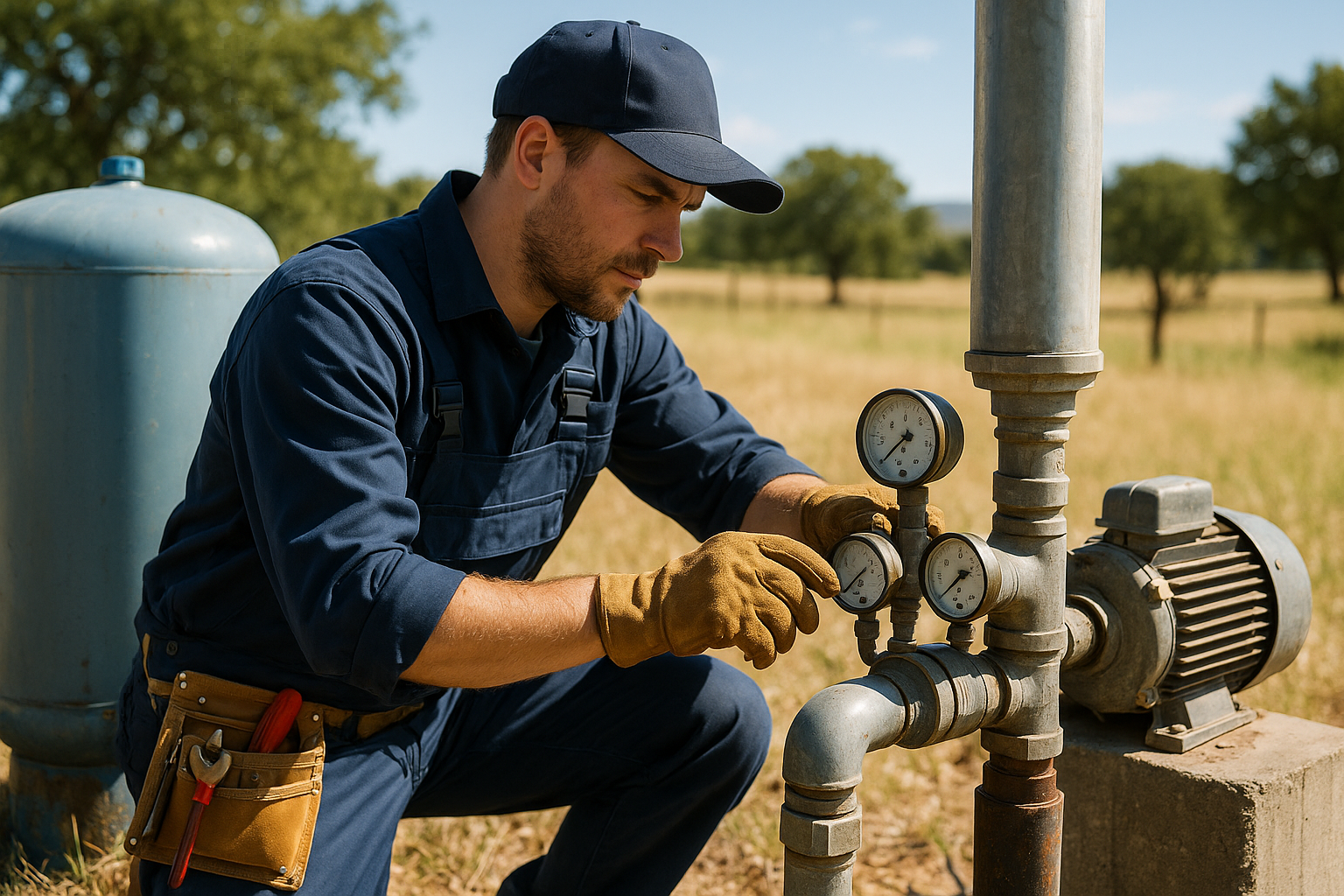
Private wells serve as the primary drinking water source for over 40 million Americans, providing an essential alternative to municipal water systems. Understanding national well ownership patterns, regional variations, and demographic trends helps contextualize the importance of private groundwater resources.
📋 In This Guide
- National Well Overview
- Top States by Well Count
- Well Usage by Region
- Rural vs Urban Distribution
- Demographic Patterns
- Water Quality Statistics
- Well Installation Trends
- Well Industry Statistics
- Groundwater Resources
- Regulatory Overview
- Frequently Asked Questions
- Need Well Services in Southern California?
This statistics page compiles comprehensive data on private well ownership across the United States, including state-by-state breakdowns and emerging trends.
National Well Overview
Top States by Well Count
Well Usage by Region
Rural vs Urban Distribution
Demographic Patterns
Water Quality Statistics
Well Installation Trends
Well Industry Statistics
Groundwater Resources
Regulatory Overview
Frequently Asked Questions
How many Americans use private wells?
Approximately 43 million Americans (13% of the population) rely on private wells for drinking water. This includes about 15 million households with 23 million domestic wells across the country. Over 500,000 new wells are drilled annually as rural and exurban development continues.
Which state has the most private wells?
Michigan has the most private wells with approximately 1.8 million, followed by Pennsylvania (1.5 million), New York (1.3 million), North Carolina (1.2 million), and Ohio (1.1 million). Vermont has the highest percentage of households on wells at 40%.
Are private wells regulated by the EPA?
No. Private wells are not regulated by the EPA or any federal agency. The Safe Drinking Water Act only covers public water systems serving 25+ people. States have varying levels of regulation: 35 states require permits for domestic wells, and 12 states require water testing when homes are sold. Well owners are responsible for testing and treatment.
How many private wells have water quality problems?
Approximately 23% of private wells have at least one contaminant above recommended levels. About 14% exceed nitrate limits, 7% have coliform bacteria, and 4% have arsenic above the MCL. Concerning, 40% of well owners have never tested their water, so actual contamination rates may be higher.
Is private well use increasing or decreasing?
Private well use is increasing at about 2.5% annually, with 500,000 new wells drilled each year. Growth is driven by exurban development, high municipal water costs, and property owners wanting water independence. Solar-powered wells are the fastest-growing segment. However, groundwater depletion in some regions is a concern.
What is the typical private well household?
The median well household has income of $78,000, is owner-occupied (82%), lives in a single-family home (93%) averaging 1,800 square feet, and the homeowner is 54 years old on average. Well households typically have larger lots (5+ acres) in rural or suburban areas more than 1,500 feet from municipal water lines.
Need Well Services in Southern California?
Southern California Well Service provides professional well drilling, pump repair, and water testing throughout San Diego, Riverside, and surrounding counties.