Managing Wells on Rental Properties: Landlord's Guide
Owning a rental property with a private well in San Diego County comes with unique responsibilities. Unlike municipal water—where the city handles treatment and delivery—you're responsible for ensuring your tenants have safe, reliable water. This guide covers your legal obligations, maintenance requirements, and best practices for managing rental property wells.
📋 In This Guide
Rental Property Well Service:
(760) 440-8520Annual inspections & maintenance programs for landlords
Landlord Responsibilities for Well Water
California Habitability Requirements
Under California Civil Code Section 1941, landlords must maintain rental properties in "habitable" condition. This includes providing:
- Potable water — Water safe for drinking, cooking, and bathing
- Adequate water supply — Sufficient quantity for tenant needs
- Working plumbing — Functional fixtures and water delivery
- Hot water — Reasonable hot water for bathing and washing
Key point: "Potable water" means water that meets health standards. For private wells, there's no city ensuring this—it's entirely your responsibility.
What You Must Provide
- Water free from coliform bacteria
- Nitrate levels below 10 mg/L (especially critical if tenants have infants)
- Water that doesn't cause illness
- Adequate water pressure for normal use
- Reliable supply (the well must produce enough water)
What You're NOT Required to Provide
- Perfectly soft water
- Iron-free water (unless it's at unsafe levels)
- Water without mineral taste
- Filtered or bottled water quality
Water Testing Requirements
Recommended Testing Schedule
| When | What to Test | Why |
|---|---|---|
| Annually (minimum) | Coliform bacteria, nitrates | Basic safety compliance |
| At tenant turnover | Coliform bacteria, nitrates | Verify safe water for new tenants |
| After well work | Coliform bacteria | Confirm system wasn't contaminated |
| After flooding | Coliform bacteria, nitrates | Surface contamination possible |
| On tenant complaint | Relevant parameters | Document response to concerns |
Testing Cost vs. Liability
Annual water testing costs $100-$200. Compare that to:
- Tenant illness claim: $10,000-$100,000+
- Habitability lawsuit: $5,000-$50,000+
- Rent withholding: Months of lost income
- Repair and testing ordered by court: $1,000-$5,000
Annual testing is cheap insurance.
Maintenance Responsibilities
What Landlords Must Maintain
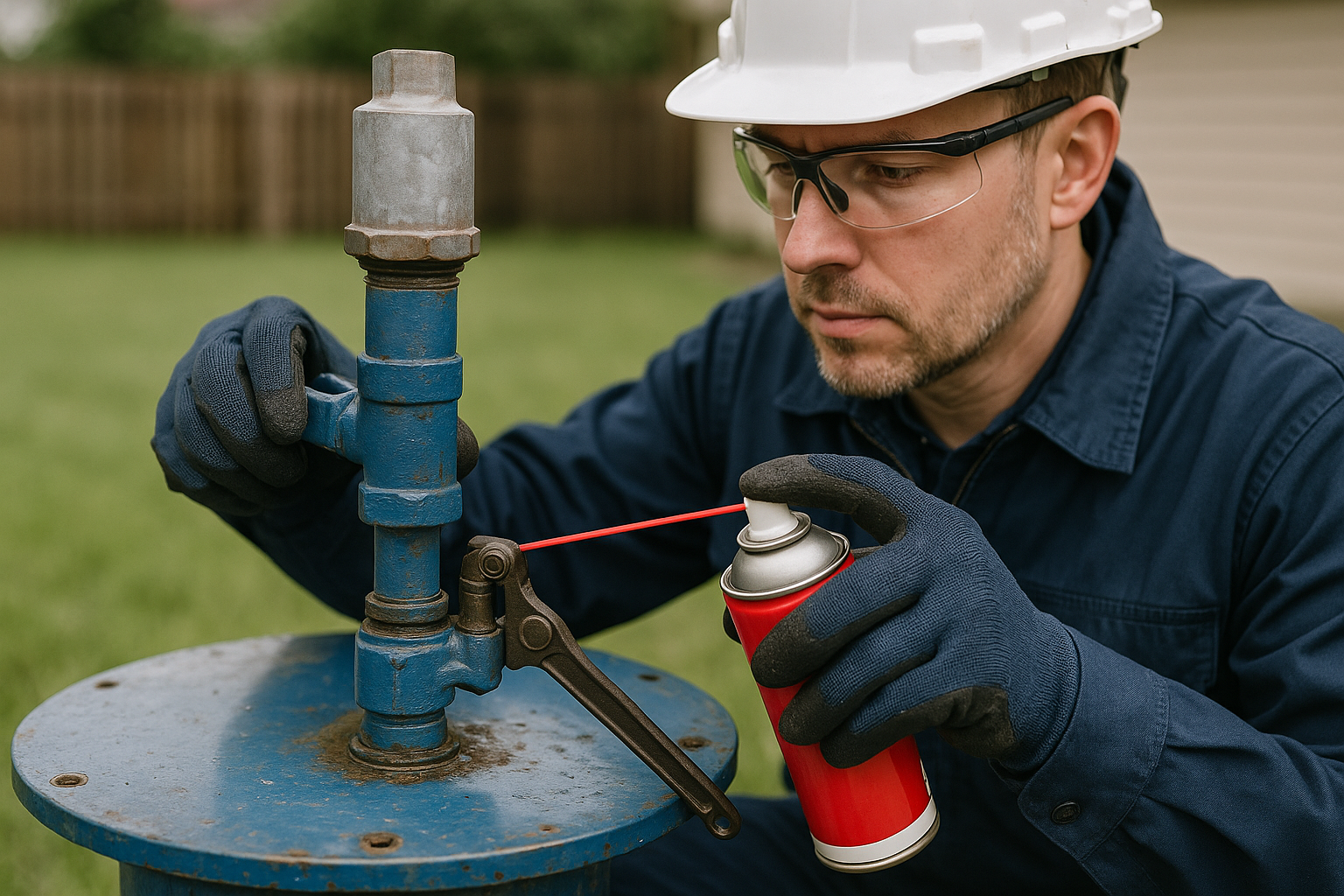
- The well itself — Structure, casing, cap, seal
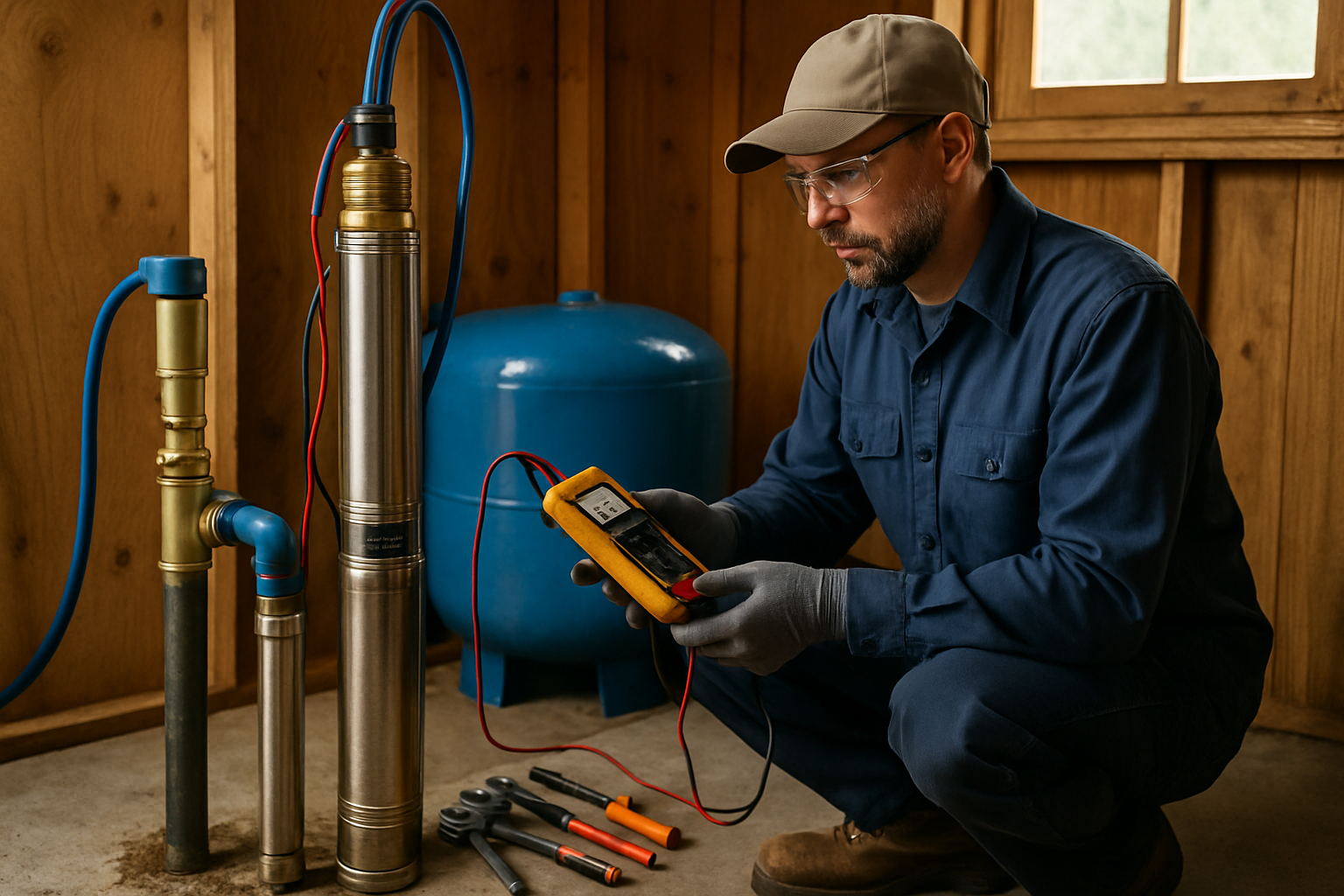
- Pump and motor — Submersible or jet pump system
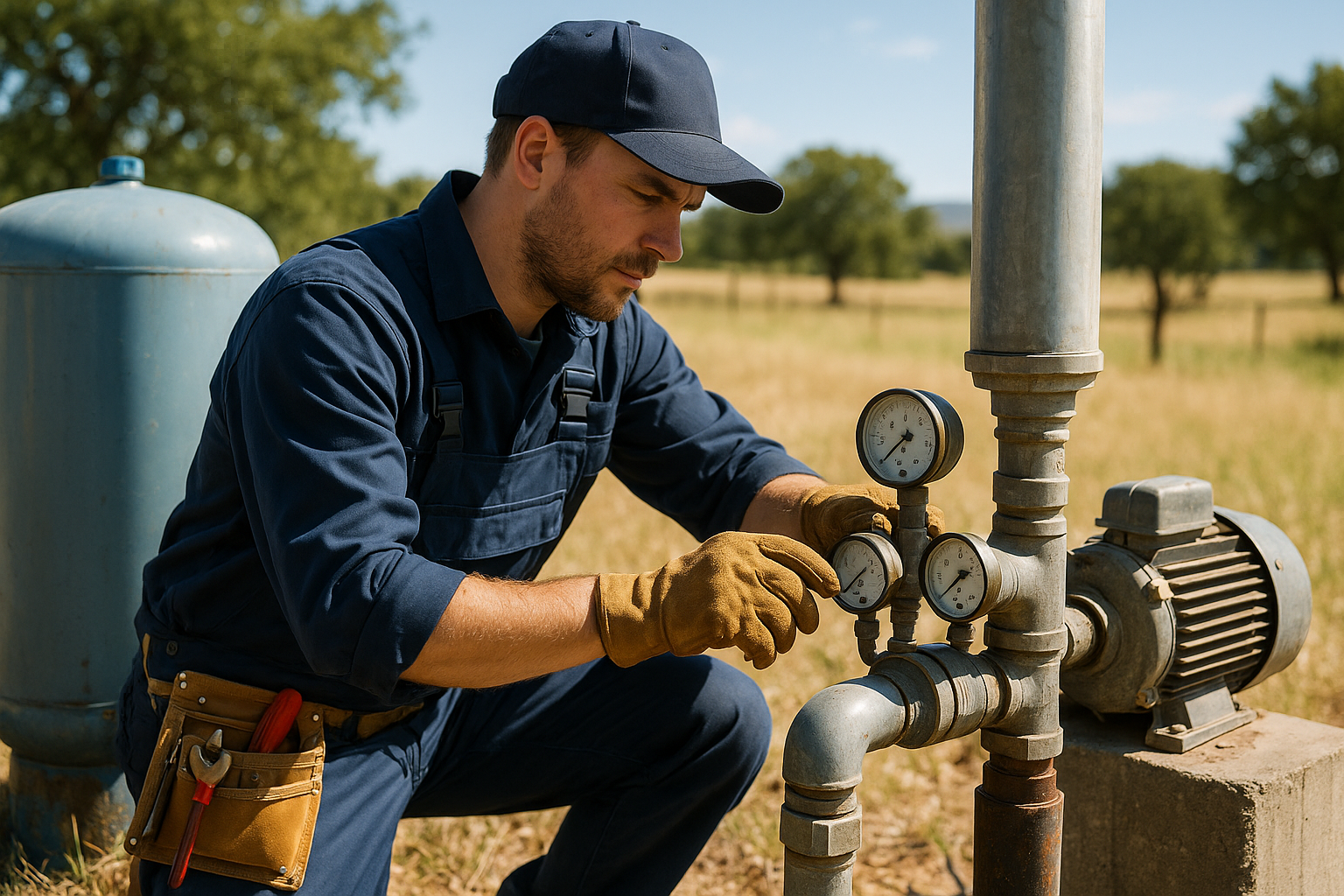
- Pressure tank — Maintains water pressure
- Electrical components — Control box, wiring, pressure switch
- Water treatment equipment — Softeners, filters, UV systems
- Piping from well to house — Supply lines, valves
Typical Tenant Responsibilities
- Reporting problems promptly — No water, low pressure, quality changes
- Not tampering with equipment — Don't adjust the pressure switch, etc.
- Basic filter changes — If specified in lease and trained
- Adding salt to softener — If specified in lease
- Reasonable water use — Not wasting water excessively
Define Responsibilities Clearly
Ambiguity leads to disputes. Your lease should specify:
- Who changes filters and how often
- Who adds softener salt (and who pays for it)
- Who mows around the wellhead (vegetation clearance)
- How and when to report problems
- What constitutes "misuse" that could make tenant liable
Lease Provisions for Well Properties
Required Disclosures
At minimum, disclose:
- The property uses a private well (not city water)
- Date and results of most recent water test
- Known water quality issues (hardness, iron, etc.)
- Any history of contamination
Sample Well Addendum Provisions
Consider including these clauses (consult an attorney for your specific situation):
Water Source Disclosure
"The water supply for this property is provided by a private well, not municipal water. Landlord has tested the well water within the past 12 months; results are attached. Landlord will test water annually at minimum."
Landlord Responsibilities
"Landlord is responsible for maintaining all well equipment including the pump, pressure tank, treatment systems, and supply piping. Landlord will arrange professional inspection annually and respond to tenant-reported problems within [timeframe]."
Tenant Responsibilities
"Tenant shall: (1) report any water quality changes, pressure problems, or equipment issues immediately; (2) not adjust, modify, or tamper with any well equipment; (3) maintain softener salt levels if applicable; (4) allow access for maintenance and inspections with reasonable notice."
Emergency Contact
"For well emergencies (no water, pump failure), contact [Name] at [Phone]. After hours: [Emergency contact]."
Common Issues with Rental Property Wells
Tenant Doesn't Report Problems
Small problems become big ones when tenants don't report them promptly.
Solutions:
- Educate tenants at move-in about well systems
- Provide written guide of what to watch for
- Make reporting easy (text, email, online form)
- Respond quickly to build trust
- Schedule periodic check-ins or inspections
Tenant Damages Equipment
Tenants sometimes cause problems through ignorance or negligence.
Common issues:
- Adjusting pressure switch settings
- Running pump dry (leaving hose running)
- Damaging well cap while mowing
- Not maintaining softener (causes clogging)
Protection: Document equipment condition at move-in. Include photos. Specify in lease that tenant may be liable for damage from misuse.
Disputes Over Water Quality
Tenants may complain about things that aren't actually safety issues.
Preventive measures:
- Test water before tenant moves in
- Share test results (document they received them)
- Explain what's "normal" for well water (hardness, etc.)
- If complaints arise, test again to document
Emergency Repairs While Tenant Occupies
Wells fail at inconvenient times, and tenants need water.
Be prepared with:
- Reliable well service company contact
- Emergency fund for unexpected repairs
- Plan for temporary water if well is down for days
- Clear communication about repair timeline
Best Practices for Landlords
Before Renting
- ☐ Professional well inspection
- ☐ Water testing (bacteria, nitrates, basic chemistry)
- ☐ Document all equipment condition
- ☐ Address any issues found
- ☐ Prepare well addendum for lease
At Tenant Move-In
- ☐ Walk through well equipment with tenant
- ☐ Show them what's normal vs. what to report
- ☐ Provide written well care guide
- ☐ Share test results and get signed acknowledgment
- ☐ Document equipment with photos
- ☐ Provide emergency contact information
During Tenancy
- ☐ Annual water testing (minimum)
- ☐ Annual professional inspection
- ☐ Respond promptly to tenant reports
- ☐ Document all maintenance and repairs
- ☐ Periodic check-ins if appropriate
At Tenant Move-Out
- ☐ Inspect well equipment condition
- ☐ Compare to move-in documentation
- ☐ Test water before new tenant
- ☐ Address any issues before re-renting
Insurance and Liability
Landlord Insurance Considerations
- Equipment breakdown coverage — Covers pump failure, etc.
- Liability coverage — Protects against tenant claims
- Loss of rental income — If property becomes uninhabitable
Reducing Liability
- Test water regularly and keep records
- Respond promptly to all complaints
- Document everything in writing
- Maintain equipment proactively
- Use clear, specific lease provisions
- Address problems before they become safety issues
Frequently Asked Questions
Is the landlord responsible for well water quality?
Yes. California landlords must provide habitable premises, which includes potable water. For rental properties on private wells, landlords should test water annually for bacteria and nitrates at minimum, address any contamination issues promptly, and document all testing. Failure to provide safe water can result in liability for tenant health issues, habitability claims, and rent withholding. Unlike city water where the municipality is responsible, you are the water provider.
Who pays for well repairs on a rental property?
The landlord is generally responsible for well system repairs as part of maintaining habitable premises—this includes the pump, pressure tank, and all equipment. However, tenants may be liable if they caused damage through misuse or negligence (like running the pump dry or tampering with the pressure switch). Lease agreements should clearly specify maintenance responsibilities and what constitutes tenant misuse. Emergency repairs are always the landlord's responsibility regardless of cause.
How often should I test well water at a rental property?
Test at least annually for coliform bacteria and nitrates—these are the critical health parameters. Test at tenant turnover before new tenants move in to document baseline water quality. Additional testing is recommended if tenants report changes in water quality, after any well work or repairs, or if there's flooding or other events that could affect water quality. Keep all test results on file for at least 5 years for legal protection.
What should I include in a lease for a property with a well?
Include: disclosure that water is from a private well (not municipal), recent water test results with tenant acknowledgment, tenant responsibilities (reporting issues, not tampering with equipment, maintaining softener salt if applicable), landlord responsibilities (maintaining equipment, testing water, responding to problems), emergency contact information, and procedures for reporting well problems. Consider using a separate well addendum that both parties sign. Consult an attorney for lease language specific to your situation.
Can a tenant withhold rent for well water problems?
Potentially, yes. If well water is contaminated or the well isn't producing water, the property may be considered uninhabitable under California law. Tenants have remedies including rent withholding, "repair and deduct," or lease termination for habitability violations. Your best protection is proactive maintenance, regular testing, and prompt response to problems—document everything to show you've met your obligations if disputes arise.
Our Services for Landlords
Southern California Well Service offers maintenance programs designed for rental property owners:
- Annual inspection packages — Complete system evaluation and documentation
- Water testing services — Coordinated testing with lab results
- Tenant turnover inspection — Verify system before new tenant
- Priority emergency service — For landlords on maintenance program
- Documentation — Reports suitable for records and insurance
- Multiple property discounts — For landlords with several properties
Landlord Well Management Program
Let us handle your rental property well maintenance. Annual plans available.
Call (760) 440-8520Multi-property discounts | Documentation for records | Priority service
Related: Maintenance Services | Water Testing | Maintenance Checklist
Related Articles
Continue learning about well maintenance and troubleshooting