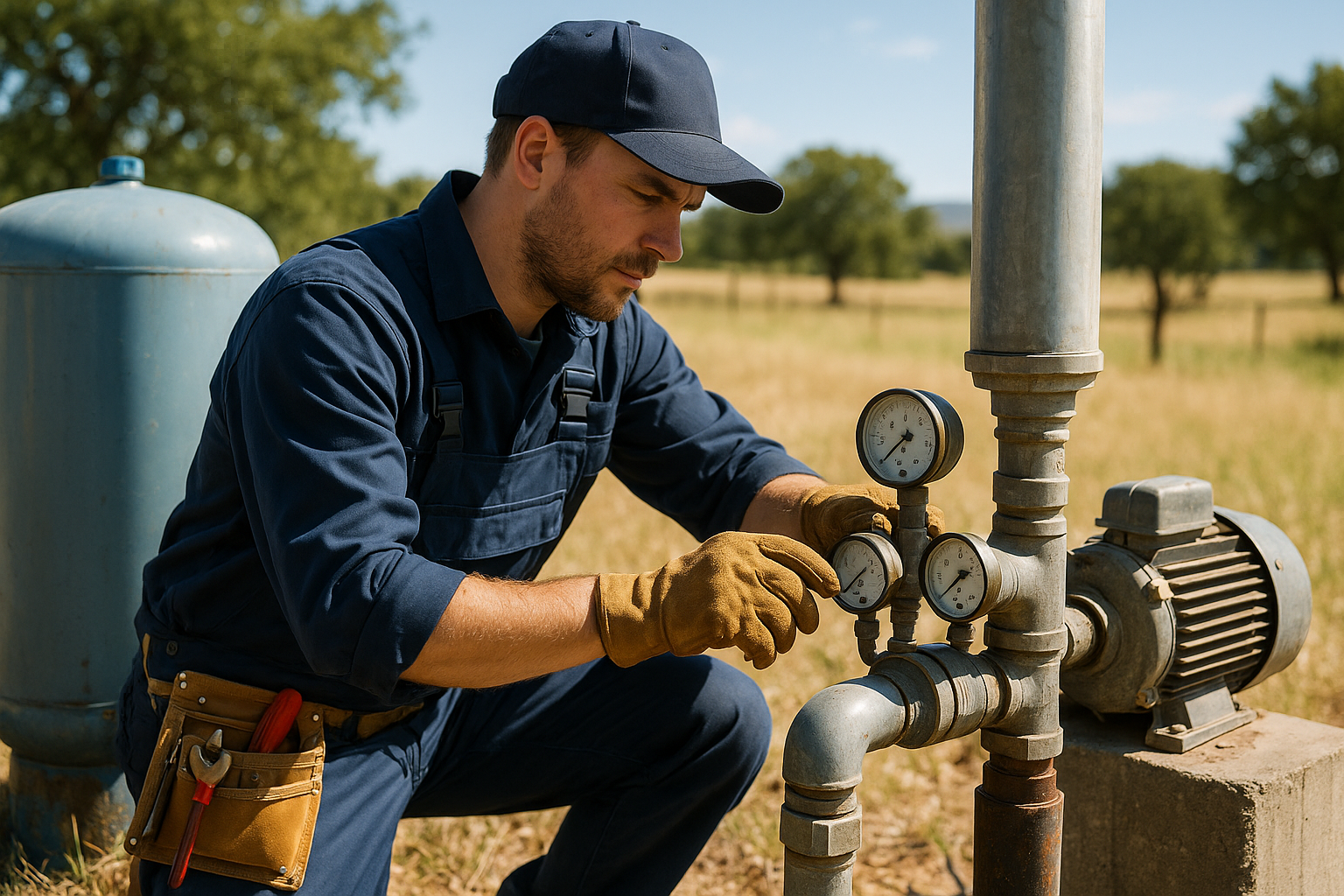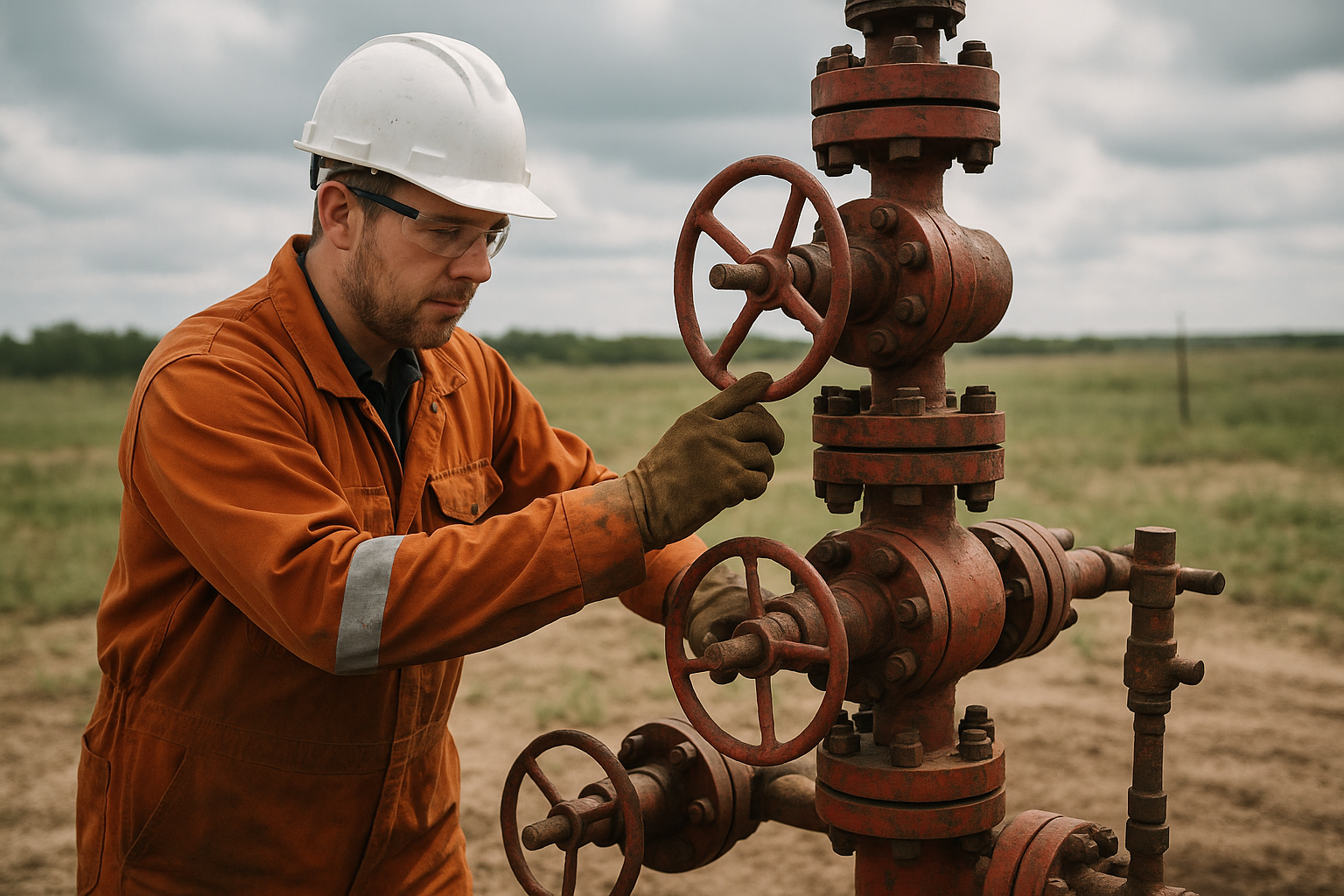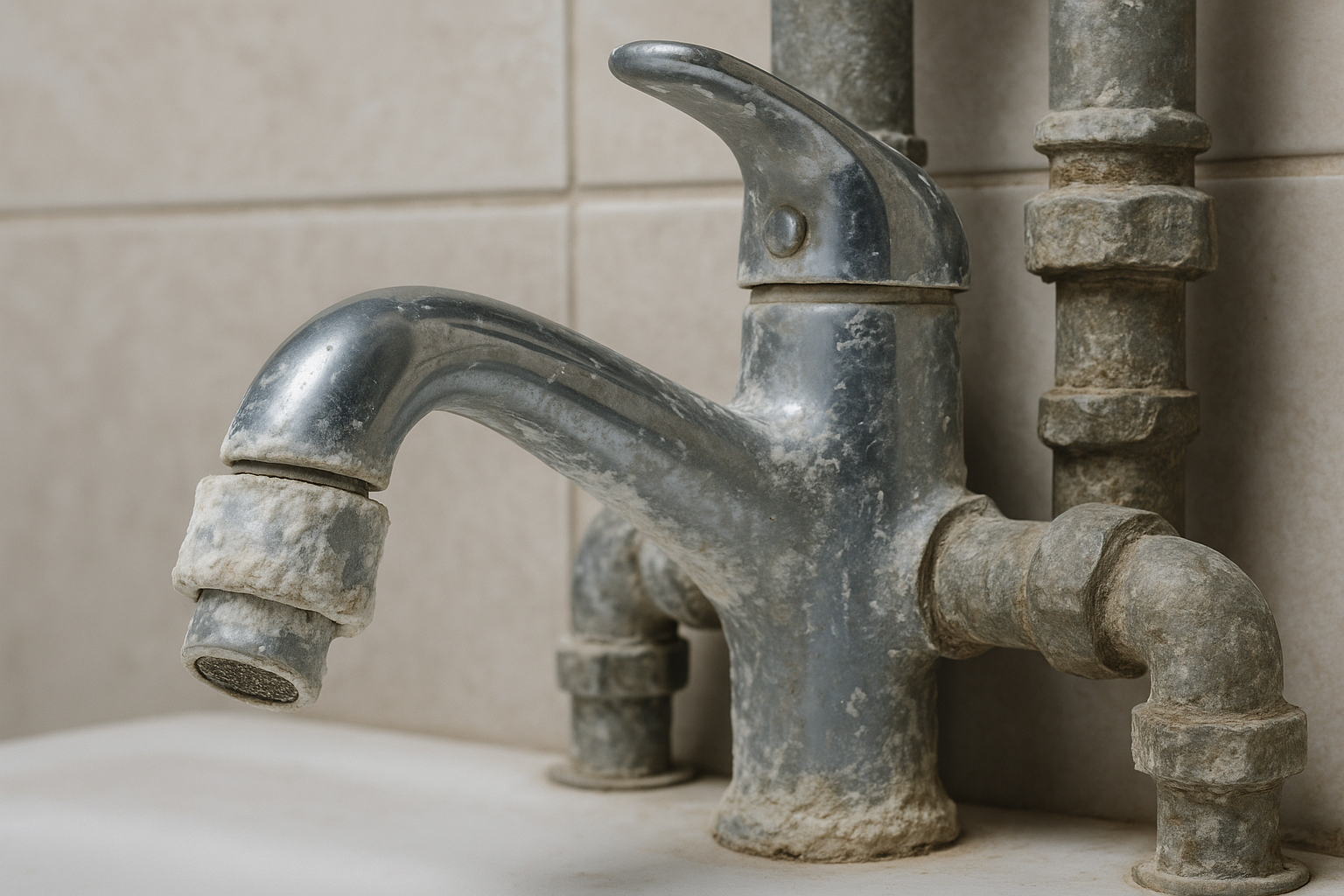
Access to safe, reliable drinking water remains a challenge for millions of rural Americans. While most urban residents receive treated water from public utilities, rural communities often depend on private wells, small water systems, or aging infrastructure that may not meet modern standards.
📋 In This Guide
- Rural Water Overview
- Water Insecurity Statistics
- Infrastructure Age & Condition
- Small Water System Challenges
- California Disadvantaged Communities
- Tribal Water Access
- Agricultural Community Impacts
- Federal Funding & Programs
- Private Well Challenges
- Solutions & Trends
- Frequently Asked Questions
- Need Well Services in Southern California?
This statistics page examines rural water access in the United States, including infrastructure gaps, water quality concerns, and the communities most affected by water insecurity.
Rural Water Overview
Water Insecurity Statistics
Infrastructure Age & Condition
Small Water System Challenges
California Disadvantaged Communities
Tribal Water Access
Agricultural Community Impacts
Federal Funding & Programs
Private Well Challenges
Solutions & Trends
Frequently Asked Questions
How many Americans lack access to safe drinking water?
Approximately 2.4 million Americans lack access to safe drinking water, including 1.1 million using private wells with unsafe water quality. Additionally, 2.2 million Americans lack indoor plumbing entirely, and 500,000 households rely on hauled water. Tribal communities have the highest rates of water insecurity, with 48% of tribal homes lacking clean water access.
What percentage of rural Americans use private wells?
Approximately 72% of rural households rely on private wells or small water systems (under 500 connections). This represents about 43 million Americans on private wells nationwide. Rural residents are far more likely to depend on groundwater than urban residents, who typically receive treated municipal water.
What water quality issues affect rural communities?
Common issues include nitrate contamination (45% of agricultural area wells), arsenic (9% of private wells exceed MCL), bacterial contamination (7% of wells), and pesticides in agricultural regions. 21% of small water systems have health-based violations. California's Central Valley has particularly high rates of nitrate and arsenic contamination.
How much does rural water infrastructure need?
The American Society of Civil Engineers estimates $200 billion in rural water infrastructure needs over 20 years. The 2026 Infrastructure Investment and Jobs Act provides $55 billion for water projects, with 50% grant forgiveness available for disadvantaged communities. The tribal water and sanitation backlog alone is $3.6 billion.
Why do small water systems struggle?
Small systems (under 500 connections) face per-connection costs of $1,000-2,500 annually, compared to $300-600 for large systems. They lack economies of scale, often operate without full-time certified operators (45%), struggle with regulatory compliance, and have limited access to capital for infrastructure improvements.
What assistance is available for rural water issues?
Federal programs include USDA Rural Development water loans and grants ($15B), EPA State Revolving Funds ($11.7B annually), and Infrastructure Act funding ($55B). California's Safe & Affordable Drinking Water Fund provides $1.5B. However, private well owners typically receive no government assistance and are responsible for their own testing and treatment.
Need Well Services in Southern California?
Southern California Well Service provides professional well drilling, pump repair, and water testing throughout San Diego, Riverside, and surrounding counties.