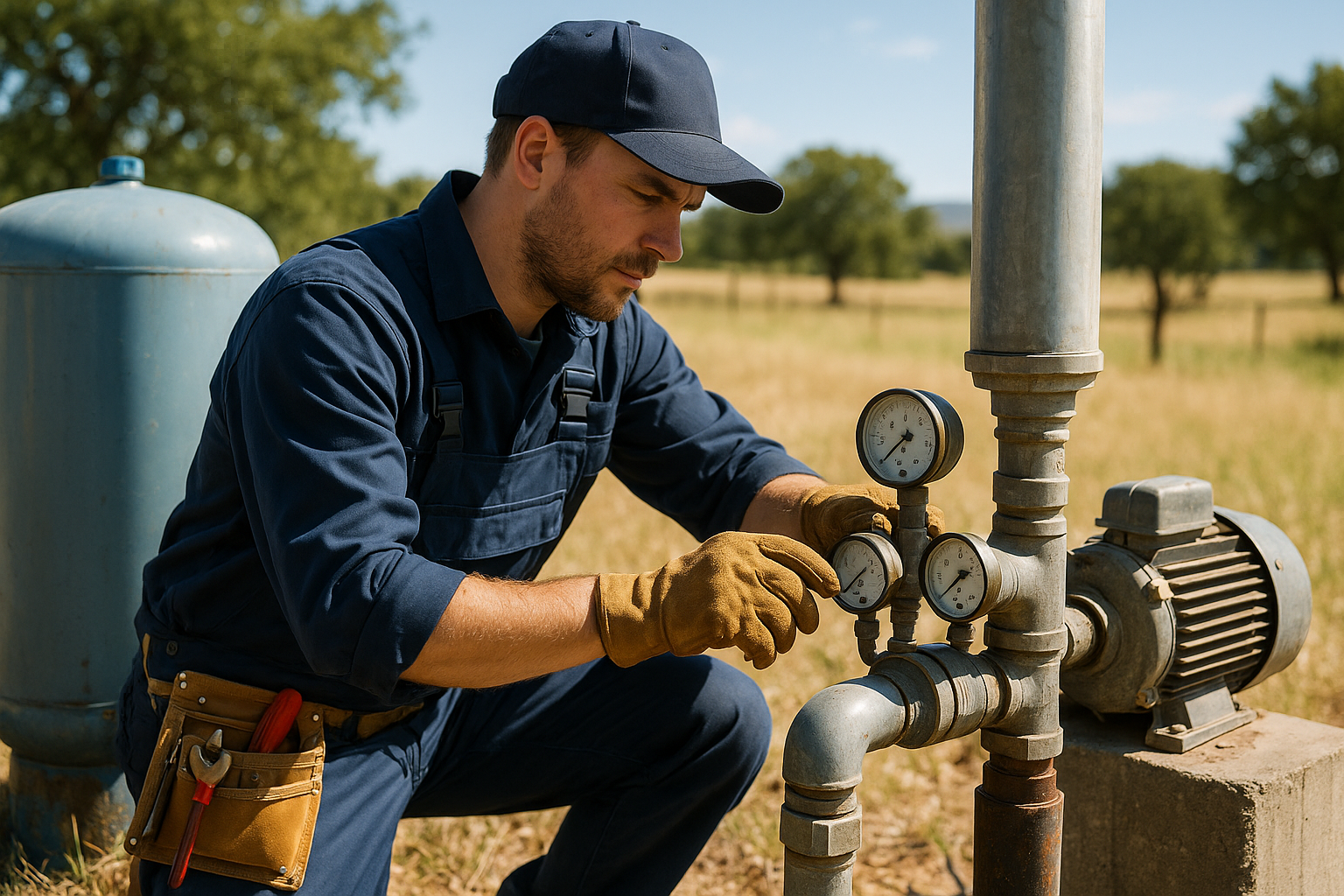
Schools, churches, summer camps, and community centers throughout San Diego and Riverside Counties rely on private wells for their water supply. These institutions face unique challenges: regulatory compliance, limited budgets, vulnerable populations, and seasonal usage patterns. This guide covers everything facility managers and board members need to know about maintaining safe, reliable well water.
At Southern California Well Service, we work with dozens of schools, churches, and nonprofits across the region. We understand that you're often working with tight budgets and volunteer leadership — and that water safety is non-negotiable when children and community members are involved.
Serving Schools & Nonprofits Throughout San Diego County
We offer maintenance contracts and emergency service for educational and religious facilities. Our team understands your compliance requirements and budget constraints.
📞 Call (760) 440-8520 for a free facility assessment
Request AssessmentUnderstanding Your Regulatory Classification
The regulations your facility must follow depend on how many people you serve and how often. Getting this right is critical — under-compliance puts people at risk, while over-compliance wastes money.
Non-Transient Non-Community (NTNC) Water Systems
Most schools with wells fall into this category. NTNC systems serve at least 25 of the same people for more than 6 months per year. Examples:
- K-12 schools with the same students daily
- Churches with regular congregation members
- Childcare centers with consistent enrollment
- Offices or facilities with regular employees
NTNC requirements include:
- Monthly coliform bacteria testing
- Annual nitrate/nitrite testing
- Lead and copper testing (especially critical for schools)
- Annual Consumer Confidence Reports
- State Water Board reporting
- Sanitary surveys every 5 years
Transient Non-Community (TNC) Water Systems
Facilities serving different people who don't regularly return. Examples:
- Campgrounds and retreat centers
- Wedding venues with rotating guests
- Day-use parks and recreation areas
- Some churches with rotating attendance
TNC systems have somewhat reduced requirements since acute contaminants (like bacteria) are the main concern, rather than chronic exposure to chemicals.
State Small Water Systems
Facilities serving 5-14 connections have reduced state requirements:
- Annual bacteria testing
- Annual nitrate testing
- County health department oversight (not state)
Special Requirements for Schools
California has implemented strict water quality requirements for schools, driven by concerns about lead exposure and children's health.
Lead Testing Requirements (AB 746)
California's AB 746 requires all schools (including those on wells) to:
- Test all drinking water outlets — Every faucet and fountain used for drinking or food prep
- Action level: 5 ppb — Much stricter than the federal 15 ppb standard
- Remediate within 15 days if lead exceeds 5 ppb
- Re-test every 5 years minimum
- Make results publicly available to parents and staff
Important: Lead in school water typically comes from old fixtures, not the well itself. But schools on wells still must test and remediate. Fixture replacement is often the solution.
School Water Shut-Off Protocols
Schools must have protocols for water emergencies:
- Immediate shut-off procedures if contamination suspected
- Alternative water supply plan (bottled water, tankers)
- Parent notification procedures
- Return-to-service testing requirements
Church and Religious Facility Considerations
Churches face unique well system challenges based on their usage patterns.
Intermittent Use Issues
Many churches are only heavily used on Sundays and for occasional events. This creates challenges:
- Water stagnation: Water sitting in pipes can grow bacteria and leach metals
- Flushing needs: Run water before services to clear stagnant water
- Chlorine decay: If chlorinating, residual may drop during low-use periods
- Pressure tank issues: Long idle periods can stress bladders and seals
Recommendation: Install a simple timer system to flush the water system mid-week, maintaining water quality without manual intervention.
Multi-Use Facilities
Many churches also operate:
- Preschools and daycares (triggers NTNC classification)
- Food banks (food safety water requirements)
- Homeless services (special vulnerable population considerations)
- Commercial kitchens (health department requirements)
Each use may have additional water quality requirements. A church operating a preschool faces much stricter standards than one with Sunday services only.
Cemetery and Memorial Garden Irrigation
Church properties often include cemeteries or gardens. Separate irrigation wells can serve these needs at lower cost than using the domestic well, and don't trigger domestic water testing requirements.
Summer Camps and Retreat Centers
Seasonal facilities have distinct well system needs.
Startup Procedures
Before opening for the season:
- Complete system flush — Run all outlets until water clears
- Bacteria test — Before anyone drinks the water
- Pressure system check — Tank air charge, pressure switch operation
- Treatment system restart — UV lamps, chlorinators, filters
- Visual inspection — Wellhead integrity, no signs of tampering
Winterization
For camps that close seasonally:
- Drain pipes to prevent freeze damage (above 3,500' elevation)
- Turn off power to pump (saves energy, protects from dry running)
- Secure wellhead against vandalism and animal intrusion
- Document water levels for comparison in spring
Peak Demand Planning
Summer camps often see dramatic demand swings — empty all week, then 200 kids arrive Friday. Your system must handle:
- Morning shower surge
- Pool filling and maintenance
- Kitchen/dining hall peaks
- Fire suppression reserve requirements
Adequate storage tanks and properly sized pumps are critical. Undersized systems lead to low pressure complaints and pump damage.
Budget Planning for Nonprofits
Nonprofit organizations often operate on tight budgets. Here's how to plan for well system costs:
Annual Operating Budget
| Expense | Small Facility | Large Facility |
|---|---|---|
| Water testing (compliance) | $800-$2,000 | $2,000-$5,000 |
| Routine maintenance | $1,000-$2,500 | $2,500-$5,000 |
| Treatment supplies | $300-$800 | $800-$2,000 |
| Electricity | $600-$1,500 | $1,500-$4,000 |
| Total Annual | $2,700-$6,800 | $6,800-$16,000 |
Capital Reserve Planning
Set aside funds annually for eventual major repairs:
- Pump replacement: $6,000-$15,000 every 12-20 years
- Pressure tank: $1,500-$5,000 every 15-25 years
- Well rehabilitation: $10,000-$30,000 every 15-20 years
- Treatment upgrades: $5,000-$20,000 as regulations change
Annual reserve contribution: $1,500-$4,000 minimum
Funding Sources and Grants
Several programs can help nonprofits fund well system improvements:
State Water Resources Control Board
- Drinking Water State Revolving Fund: Low-interest loans for public water systems
- Small Community Grants: For disadvantaged communities under 10,000 population
- Technical Assistance: Free consulting for compliance issues
USDA Rural Development
- Water & Waste Disposal Loans/Grants: For rural communities under 10,000 population
- Emergency Community Water Assistance Grants: For sudden water emergencies
- Technical Assistance Grants: For planning and feasibility studies
Private Foundations
Many foundations fund infrastructure for 501(c)(3) organizations. Look for:
- Community foundations with facility improvement grants
- Denominational foundations for church projects
- Family foundations focusing on children's health (for schools)
- Environmental foundations for water quality projects
County Emergency Funds
Some counties maintain emergency repair funds for nonprofit facilities. Check with your county Office of Emergency Services or Health Department.
Common Problems We See at Schools and Churches
1. Deferred Maintenance
Limited budgets lead to skipped maintenance until systems fail. Prevention is always cheaper than emergency repair. A $500 annual maintenance contract prevents $10,000+ emergency calls.
2. Volunteer Knowledge Gaps
Church property committees often rely on volunteers who may not understand well systems. We recommend:
- Documenting your system (equipment, settings, maintenance history)
- Training multiple people on basic operations
- Keeping professional service provider contacts accessible
3. Inadequate Records
Many facilities can't find their well records — original drill report, pump specifications, past test results. Create a water system binder with:
- Well completion report
- Pump specifications
- Maintenance history
- Water test results (keep all of them)
- Service provider contacts
- Emergency procedures
4. Aging Infrastructure
Many churches and camps have wells drilled 40-50+ years ago. Original equipment may be:
- Past useful lifespan
- Using obsolete parts
- Inefficient compared to modern equipment
- Unable to meet current demand
An upgrade plan, funded over time, is better than waiting for catastrophic failure.
5. Contamination Vulnerability
Older wells may lack proper surface seals or sit too close to septic systems. A sanitary survey can identify vulnerabilities before they cause problems.
Working With Your Local Health Department
Health departments in San Diego and Riverside Counties oversee many school and nonprofit water systems. Build a good relationship:
- Submit reports on time — Late reports trigger scrutiny
- Ask questions — Inspectors prefer proactive operators
- Request pre-inspection guidance — They'll tell you what they look for
- Document everything — If it's not written down, it didn't happen
San Diego County DEH: (858) 505-6900
Riverside County DEH: (888) 722-4234
Emergency Planning Checklist
Every school, church, and nonprofit should have a water emergency plan:
Immediate Response
- ☐ Know how to shut off the well pump
- ☐ Post "Do Not Drink" signs at all outlets
- ☐ Have bottled water supply on hand
- ☐ Contact list for well service provider
- ☐ Health department notification number
Short-Term Alternatives
- ☐ Water delivery service contact
- ☐ Portable toilet provider (if needed)
- ☐ Nearby facility that could provide water
- ☐ Temporary closure procedures
Communication
- ☐ Parent/congregation notification system
- ☐ Staff communication chain
- ☐ Social media/website update procedures
- ☐ Template notices for common situations
Trusted by Schools & Churches Across the Region
Southern California Well Service understands the unique needs of educational and religious facilities. We offer:
- ✅ Nonprofit-friendly pricing
- ✅ Compliance consulting and testing coordination
- ✅ 24/7 emergency service
- ✅ Flexible maintenance contracts
- ✅ Grant application support letters
📞 Call (760) 440-8520 to discuss your facility's needs
Request ConsultationFrequently Asked Questions
Can a school be forced to connect to municipal water?
In some cases, yes. If a school's well has persistent contamination issues or fails to meet Safe Drinking Water Act standards after remediation attempts, the State Water Board can order connection to municipal water if available within a reasonable distance.
What if our church can't afford required testing?
Contact your county health department — they often have programs for financially stressed facilities. Also explore the grant programs listed above. Skipping required testing isn't an option; the liability exposure is too high.
How do we know if our well is safe?
Testing is the only way to know. At minimum, test annually for bacteria and nitrates. We recommend a comprehensive panel every 3-5 years covering heavy metals, minerals, and potential contaminants relevant to your area.
Our camp well tests fine in summer but fails in spring. Why?
Spring runoff and high water tables can introduce surface contamination. Your well may need improved surface sealing, deeper casing, or treatment. This is a common issue in foothill areas.
Who's liable if someone gets sick from our water?
The organization operating the facility bears primary liability. Proper testing, documentation, and compliance with regulations provides a strong defense. Check that your liability insurance covers water-related claims — some policies exclude them.