Sudden Sediment in Well Water: What Changed & What to Do
Your well water was clear yesterday. Today it looks like muddy tea. This is one of the most alarming things a well owner can experience — and the urgency depends entirely on the cause. Some causes are minor (heavy rain disturbed the aquifer) and self-correct in days. Others indicate serious well damage that needs immediate attention. Here's how to tell the difference.
Step 1: Characterize the Sediment (Right Now)
Before you do anything else, collect a glass of water and observe it carefully. What you see tells you a lot:
| What You See | Likely Cause | Urgency |
|---|---|---|
| Muddy/brown, settles quickly to bottom | Sand or soil entering the well | High — possible casing damage |
| Orange/rust colored, stains glass | Iron precipitation (oxidized iron) | Medium — water chemistry change |
| Black particles/specks | Manganese oxide or pipe scale | Medium — investigate source |
| Milky/cloudy, doesn't settle | Air bubbles (harmless) or methane | Low if it clears from bottom up |
| Fine grit, sandy texture | Well screen failure or pump too low | High — damages pump and plumbing |
| White flakes or particles | Scale breaking loose from pipes/heater | Low — plumbing issue, not well |
The 7 Most Common Causes (In Order of Likelihood)
1. Heavy Rainfall or Flooding
After significant rain, surface water can infiltrate shallow aquifers, stirring up sediment. In San Diego County, this is especially common after the first big storms following a dry summer/fall — the drought-baked ground cracks and provides pathways for surface water to reach the water table.
Telltale signs: Sediment appeared within 1-3 days after heavy rain. Multiple wells in the neighborhood affected (ask your neighbors). Water is brownish but clears over 3-7 days as the aquifer settles.
Action: Run an outdoor hose for 30-60 minutes to flush the system. If the water clears, monitor over the next few days. If it remains muddy after a week, or if it's your first storm after a long dry spell, test for bacteria — flooding can introduce surface contamination into the aquifer. Consider shock chlorination as a precaution.
2. Dropping Water Level (Drought/Overuse)
As the water level in your well drops (from drought, increased neighborhood pumping, or your own heavy usage), the pump draws from closer to the bottom of the well where sediment has accumulated. At the lowest levels, the pump may start pulling sand and silt directly.
Telltale signs: Sediment is worse during heavy use (irrigation, filling a pool, multiple showers). Better in the morning after overnight recovery. May have been gradually worsening over weeks/months.
Action: Reduce water use immediately to protect the pump. Have a well contractor check your static water level. If the water level has dropped significantly, options include lowering the pump (careful — lower means closer to sediment), adding a storage tank to buffer demand, or well deepening ($5,000-$15,000).
3. Failed Well Screen
The well screen is the perforated section at the bottom of the well that lets water in while keeping sand out. In wells drilled in sandy or alluvial formations (common in valleys and lower elevations of San Diego County), the screen is critical. After 20-40 years, steel screens corrode and fail, allowing sand and formation material to pour into the well.
Telltale signs: Consistent, heavy sand/grit regardless of usage pattern. The sediment is clearly sand (settles quickly, gritty between your fingers). The well is 20+ years old.
Action: Video inspection ($300-$600) to confirm. If the screen has failed, options include installing a new liner inside the existing well ($3,000-$8,000) or drilling a new well if the casing is too deteriorated.
4. Cracked or Corroded Well Casing
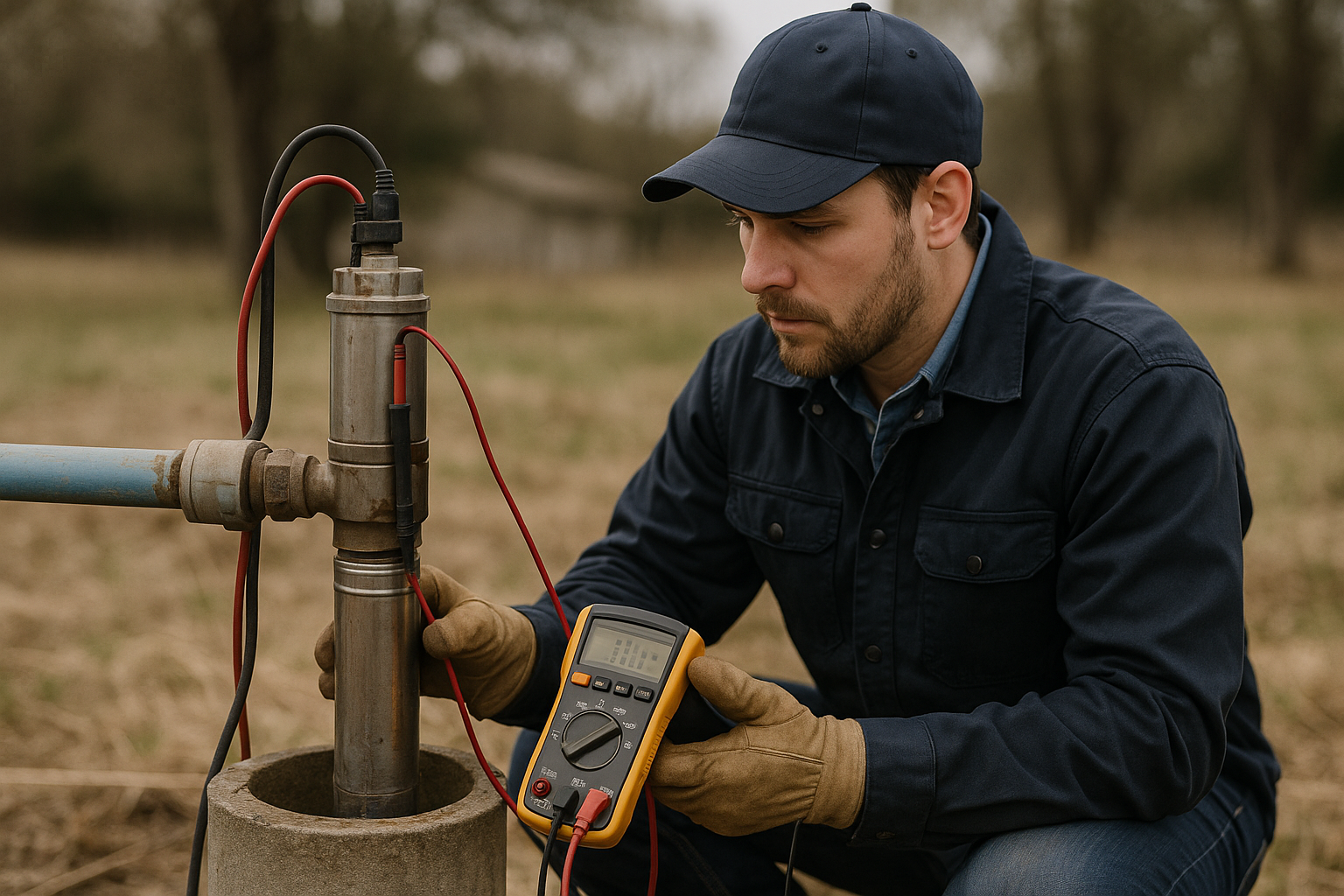
A hole in the well casing below the water table allows surrounding soil, sand, and unfiltered surface water to enter the well. This is the most serious cause because it creates a direct contamination pathway.
If you suspect casing damage: Test for coliform bacteria immediately. A casing breach can allow surface contamination (bacteria, nitrates, pesticides) into your drinking water. Use bottled water for drinking/cooking until you get clear test results.
5. Earthquake Activity
Even minor earthquakes (3.0-4.0 magnitude) can disturb aquifer sediment, shift well casing, or open new fractures that introduce turbid water into previously clean zones. San Diego County sits on multiple fault lines — we see post-earthquake sediment issues several times a year.
Action: Usually self-correcting within 1-2 weeks. Flush the system by running an outdoor hose. If sediment persists beyond 2 weeks, get a video inspection to check for casing damage. Test for bacteria — earthquakes can compromise well seals.
6. Nearby Construction or Drilling
Heavy construction, blasting, or a neighbor drilling a new well can disturb the aquifer and send sediment through fractures that reach your well. This is more common in fractured rock formations (granite — most of San Diego County's backcountry) where water travels through interconnected fractures rather than through porous sand.
Action: Usually temporary (days to weeks). Document the timing and report to the responsible party if the issue persists. California law provides some protections for existing well owners affected by new drilling activity.
7. Pipe Scale Breaking Loose
Sometimes the sediment isn't from the well at all — it's scale breaking loose from old galvanized pipes, a failing water heater, or corroded fittings inside your home. Test this by running the outdoor hose bib (before any house plumbing). If the outdoor water is clear but indoor water is turbid, the problem is in your plumbing, not the well.
Immediate Steps When Sediment Appears
- Collect a sample in a clear glass. Note the color, whether it settles, and the texture.
- Test the outdoor hose bib. If outdoor water is clear but indoor isn't, it's a plumbing issue.
- Reduce water use to minimize pump cycling (pumping stirs up more sediment).
- Don't run hot water until the sediment is controlled — you'll fill your water heater with sand/silt.
- Install a temporary sediment filter if you have one — even a $20 cartridge filter protects appliances.
- Test for bacteria if you suspect the well seal or casing is compromised.
- Call a professional if the sediment is heavy, doesn't clear in 3-5 days, or is accompanied by odor changes.
When to Call a Well Contractor (Don't Wait)
- Heavy sand or grit (not just cloudiness) — this damages your pump
- Sediment doesn't improve after 5-7 days
- Accompanied by loss of water pressure or reduced flow
- Accompanied by new odor (sulfur, musty, chemical)
- Your well is 20+ years old (higher probability of screen/casing failure)
- Recent earthquake activity in the area
- Anyone in the household is experiencing stomach issues
Sudden Sediment in Your Well Water?
We'll diagnose the cause and fix it before it damages your pump and plumbing. Same-day emergency service available. Serving San Diego, Riverside, and San Bernardino counties.
Call (760) 440-8520