Shared Well Agreements in California: Legal Guide | SCWS
Sharing a well with neighbors in California? Learn what your shared well agreement should include, common disputes, maintenance responsibilities, and how to protect your water rights.
📋 In This Guide
Need help? Call us:
(760) 440-8520Essential Agreement Components
A solid shared well agreement covers: water allocation (gallons per day or percentage), cost sharing for electricity and maintenance, repair and replacement procedures, access rights for service, water quality testing responsibilities, dispute resolution methods, and procedures for adding or removing parties. Have a water rights attorney review any agreement before signing.
Recording and Enforcement
Record your agreement with the county recorder's office to create a covenant running with the land. This binds future property owners and appears in title searches. Unrecorded agreements may not survive property sales, leaving new owners without clear rights or obligations. Most title companies and lenders require recorded agreements for properties with shared wells.
Common Shared Well Disputes
Disputes typically arise over: unequal water use (especially during droughts), disagreements about repair costs, one party's failure to maintain their portion of the system, water quality issues blamed on neighbors, and access conflicts. Prevent problems by including clear allocation limits, requiring water meters for each user, and establishing mediation procedures before litigation.
California-Specific Considerations
California's groundwater sustainability regulations (SGMA) may affect shared wells in certain basins. Some areas now require well registration and may impose pumping restrictions. Shared well agreements should address how regulatory limits affect each party's allocation. Additionally, California community property laws can complicate shared well ownership during divorce proceedings—another reason for clear documentation.
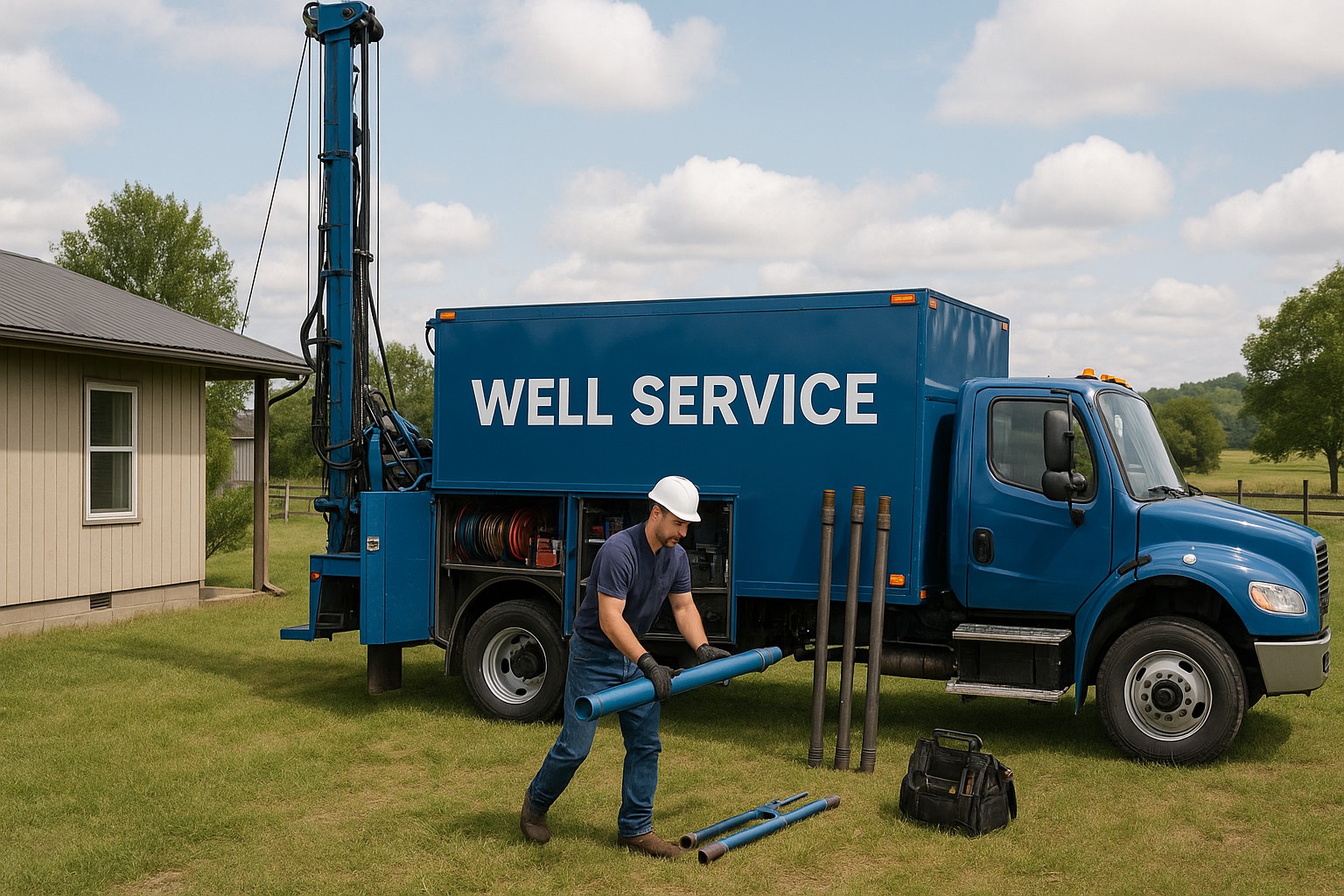
We service all major pump brands including Franklin Electric, Grundfos, Goulds (Xylem), and Sta-Rite (Pentair). Our trucks carry common parts and components for same-day repairs.
Frequently Asked Questions
Is a written shared well agreement legally required?
While not strictly required by California law, a written agreement is strongly recommended and often required by lenders and title companies. Without documentation, disputes become costly legal battles. The agreement should be recorded with the county to bind future property owners and survive property sales.
Who pays for shared well repairs?
Typically, costs are split equally among users or proportionally based on usage. Your agreement should specify: who arranges repairs, how costs are divided, what happens if someone can't pay, and procedures for emergency repairs. Many agreements require a reserve fund with monthly contributions to cover unexpected repairs.
What happens if the shared well runs dry?
Your agreement should address this scenario. Common provisions include: sharing costs for deepening the well, drilling a new well, or installing water storage. Some agreements allow parties to drill individual wells if the shared well fails. Without clear terms, dry wells often lead to litigation between neighbors.
Get Expert Help
Contact Southern California Well Service for professional assistance.
Call (760) 440-8520Serving San Diego, Riverside & San Bernardino Counties
Related Articles
Continue learning about well maintenance and troubleshooting